
This article is a brief survey of the historical methods of describing and assessing the quality of coloured gemstones, tracing these from ancient times to the end of the 18th century. Examining historical texts and inventories reveals how features and flaws of gemstones were observed and used to determine their value. The article considers various historical periods, including the ancient world, medieval Muslim world, early India, and medieval Europe, highlighting the changing criteria and expertise involved in judging gems. This study demonstrates the historical depth of gem connoisseurship and its influence on modern gem assessment practices.
For What it's Worth: A History of Gem Appraisal
The modern gem trade is often criticized for over-reliance on lab reports, diminishing the importance of connoisseurship for dealers. But, while there's been a shift towards more standardized and replicable gem quality assessments, it is wrong to think gem assessment is a modern development. It has a long history. This article briefly explores historical methods of describing the features and flaws of coloured gems and how these influenced value. Diamonds will not be discussed here although these have been subject to quite complex quality assessments in the past (Ogden, 2012).
Throughout history, the nature and distinguishing features of a gem have been observed to allow a monetary value to be assigned to it, to note details that would allow others to recognise it or both. The very nature of the gem trade over the centuries means that the gem knowledge and experience shared by gem dealers have seldom been recorded, while those compiling inventories, whether Royal or personal, had no reason to provide more than the minimal detail needed to tell one gem apart from others on a list.
The Ancient and Medieval Worlds
The perceived quality of gems would have been a factor in their trade from very ancient times, but specific information is extremely limited. The beads of lapis lazuli, material mined in Afghanistan, were being worn thousands of kilometres away in Egypt more than five thousand years ago (Figure 1) is ample proof of the “value” placed on them. Even a cursory observation of later ancient Egyptian jewellery reveals a preference for the most vibrant and uniform colours of the various species. We know they distinguished between “new” and “old” (discoloured) turquoise, and we must assume that this reflects different levels of desirability. The perceived occult or magical properties of a gem type supplemented and may have increased with visual attractiveness. In general, in the ancient world, there are few mentions of the value of gems relative to other objects or commodities. One rare example is a text that was written on a clay tablet in about 440 BCE and found at the ancient site of Nippur in what is now Iran (Hilprecht & Clay, 1898, p. 30). This is a statement by three jewellers guaranteeing that the barraqtu (possibly aquamarine) they had set in a ring would not fall out within twenty years. They promised ten mana of silver (a significant amount) if it did, presumably the value of the gem. For the identification of barraqtu with aquamarine see Ogden (2024, p. 276).
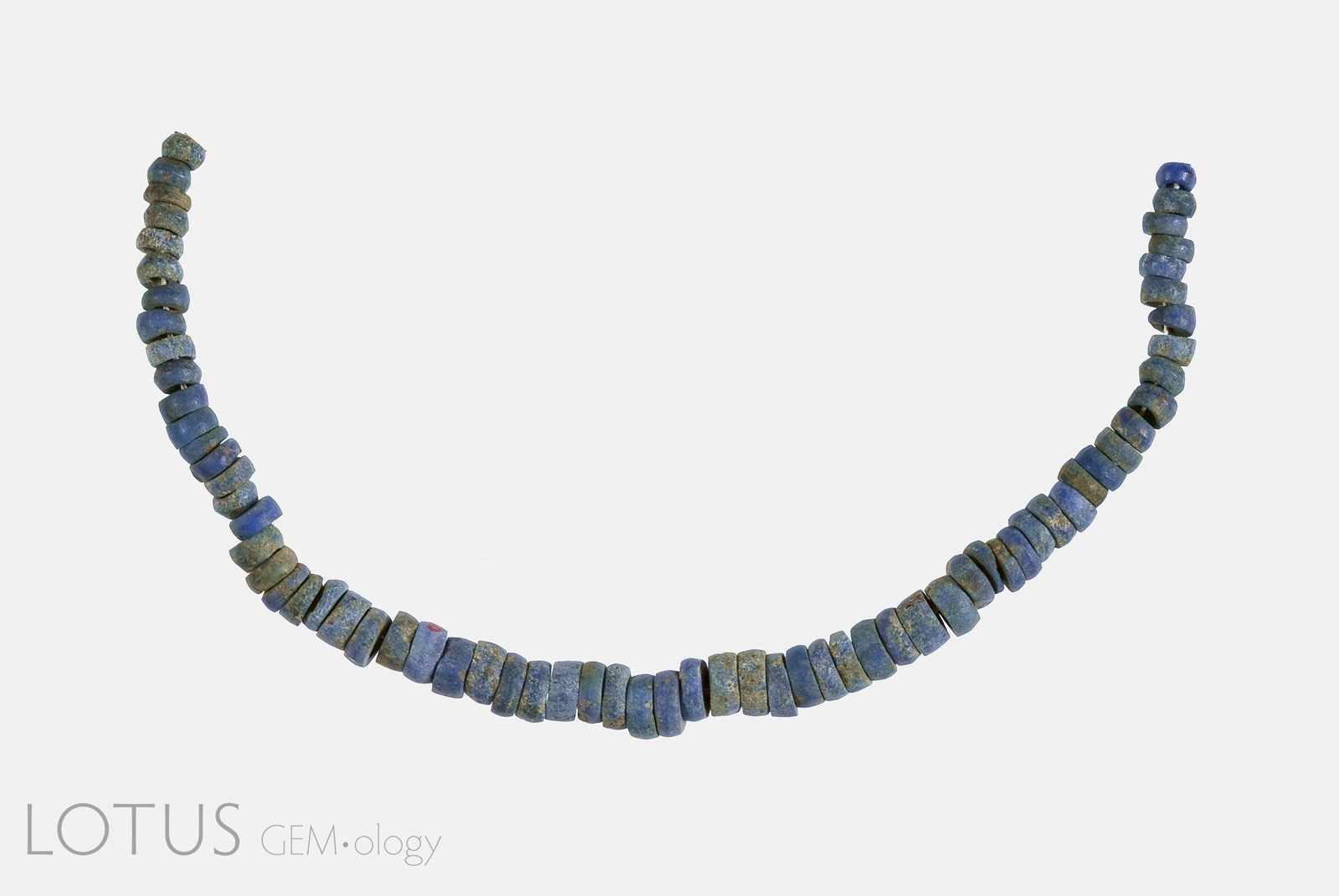 Figure 1. Lapis lazuli beads excavated in northern Egypt and dating from about 3300 BCE. L. 19 cm Inv. 09.182.13a. Metropolitan Museum of Art, New York.
China
Further East, in early China, we have more objective descriptions of gem qualities, jade in particular. This is outside the scope of this article, but as one example we can note that the Rites of Zhou of the 2nd century BCE dating back to the late Western Zhou Dynasty (c. 1046–771 BCE, although compiled later) mentions specific colours of jade used for different ritual purposes – a “quality assessment” even if not quite the equivalent of modern ones (Biot, 1851, p. 434).
The Greek World
The earliest detailed text on gem properties in the West comes from the Greek writer Theophrastus (ca. 371–287 BCE), who highlighted colour, hardness, and smoothness as key to a gem's excellence, with colour being the best distinguishing feature (Caley & Richards, 1956, p. 49). He tells us little of relative values and when he says that gems from Greece were of less value than those from elsewhere, he probably meant that Greece supplied fewer good gems in general than other regions. When he describes how emeralds impart their colour to the water in which they are placed (a passage of uncertain meaning), he says that the worst quality did not do this (Caley & Richards ,1956, pp. 22, 50 and 99). He doesn’t explain what he meant by “worst”. Surviving emeralds from Theophrastus’ time are very rare. One example is shown in Figure 2.
Theophratus’ near contemporary, the Greek poet Posidippus of Pella (c. 310–240 BCE), composed a series of epigrams about engraved gems and described them in rich detail. One poem describes a huge and particularly finely engraved carnelian or sard which was comparable in colour to an Indian garnet and free from any “a watery cloud” in it (Acosta-Hughes et al., 2004, Verse I, 36–41, Verse II, 1–2). Here we have the basic criteria for assessing gems that we use today – size, colour and clarity.
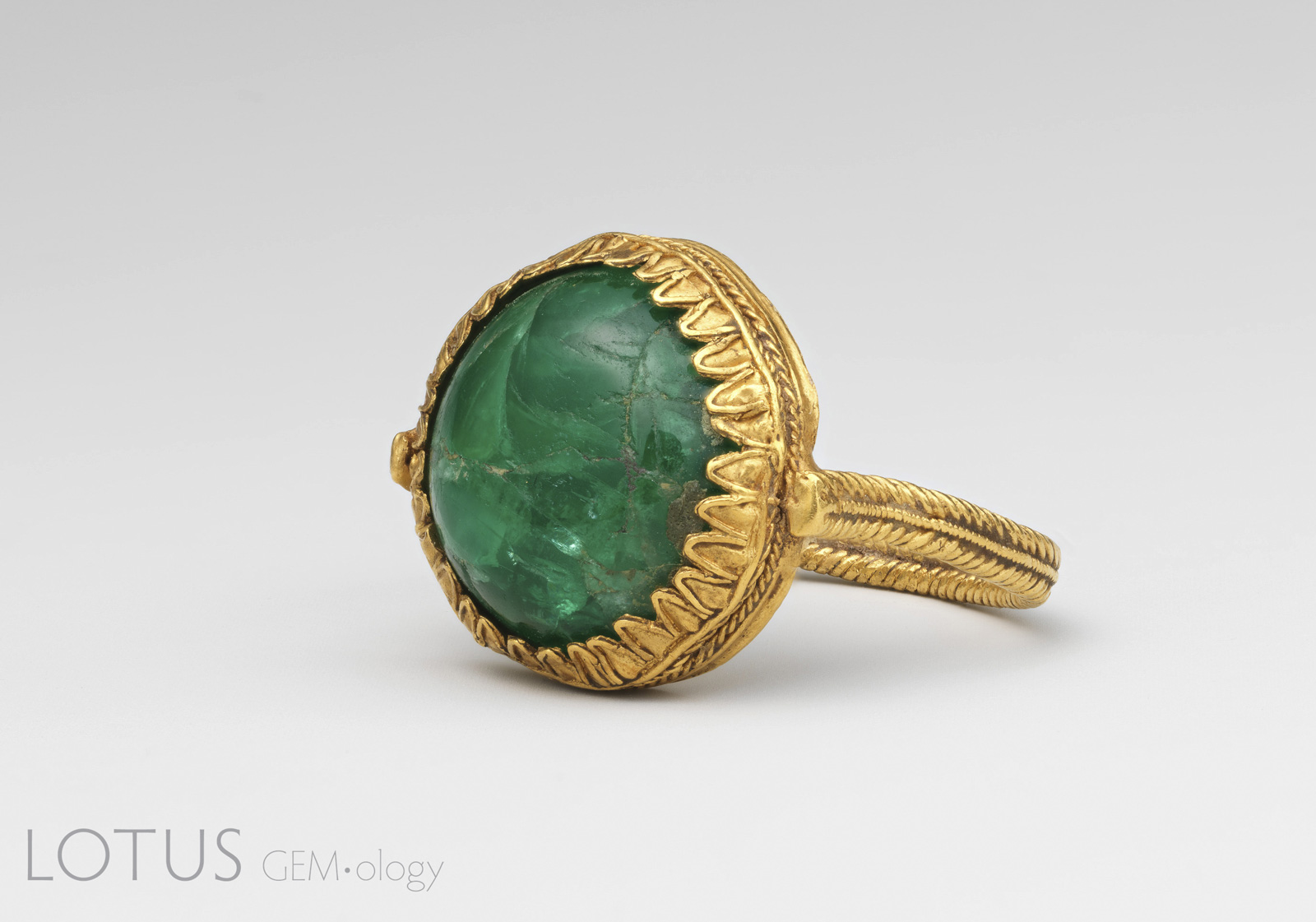 Figure 2. A Greek ring, said to be from northern Greece, one of the earliest surviving examples of emerald-set jewellery. Metropolitan Museum of Art, New York. Inv. 37.11.17 A.
The Roman Empire
The 37th book of the Roman writer Pliny the Elder's Natural History written in the 1st century CE is the most comprehensive of ancient works on gems (Pliny the Elder, 2005). This describes the types of gems then known with comments on some defects such as inclusions and cloudiness, but is largely silent on specific values, Pliny ranked diamonds, then pearls, then emeralds in order as the most valuable of human possessions, later contradicting himself by calling pearls the most prized. He detailed pearl qualities (colour, size, roundness, smoothness, weight), favouring Persian Gulf over Indian pearls and noted the high value given to pear-shaped pearls and matched pairs (Pliny the Elder, 2005, 9/56). Pliny's extensive discussion of smaragdus (emerald) included other green stones. He noted the superiority of deep-coloured “Scythian” (perhaps Afghan or Pakistani) emeralds over those from Egypt and explained some of the defects seen in some emeralds (Pliny the Elder, Book 37, pp. 17–18). He also tells us that Indian amethysts were the best, and quotes Archelaus's description of Egyptian garnets being “veined” – Archelaus was presumably the 5th century BCE Greek philosopher of that name, but his writings have not survived (Pliny the Elder, 2005, Book 37, pp. 25 and 40. Pliny also notes that Mediterranean coral was priced as highly in India as Indian pearls were in Rome – highlighting the human habit of most highly valuing those things that were hard to obtain (Pliny the Elder 32/11). The import of coral into India from Alexandria in Egypt is noted in the Arthashastra (see below), possible evidence for dating at least parts of it to the early centuries CE (Olivelle, 2013, pp. 124, 531). Pliny also mentioned “cut” as a factor in gem value, telling us that flat gems were preferred to concave or convex ones, and oblong or lenticular forms more than round. Sharply angled gems were the least appreciated (Pliny the Elder 2005, Book 37, p. 75). Despite the various criteria in establishing value, Pliny still stressed that the subjective appeal of gems was paramount, commenting that “it is quite sufficient to have some single gem or other before the eyes, there to behold the supreme and absolute perfection of Nature’s work.” (Pliny the Elder, 2005, Book 37, p. 1). Juvenal, a Roman satirist writing a few decades after Pliny, mentioned a valuable diamond whose value was increased because it was said to have been owned once by an important person, an early example of the concept of "provenance" affecting gem values, even if fictional as in this case (Ramsay, 1928, 6:156).
The Christian New Testament provides a parable about a merchant searching for pearls who, when he found one, was prepared to sell all his possessions to be able to buy it (Matthew 13:45). The esteem for pearls shown here and in Pliny’s comments is also reflected in the Jewish Babylonian Talmud story about a pearl found in a fish. This was appraised by the temple treasurers as worth the enormous sum of thirteen vessels full of dinar coins (Bava Batra 133b). The Talmud also explains that coral was worth twice its weight in silver (Rash Hashanah, 23a). The price edict of the Roman Emperor Diocletian in 301 CE gives the price for first and second-quality “coral” as two thousand and one thousand denarii per pound, respectively (Kropff, 2016, pp. 66–57). It is possible, however, that “coral” here refers to a type of dye or pigment.
The most charming description of gems in antiquity can be found in Aethiopica, a work of fiction written in the 3rd or 4thcentury CE. Here a young man offers a small bag containing “a truly extraordinary amount of precious stones” including “emeralds and hyacinths [not clear what gem this meant], the former green like a spring meadow, gleaming with a certain oily sleekness [i.e. depth and lustre], the latter resembled the colour of a sea-shore slightly rippling under a nearby deep rock and soothing what lay beneath; in brief, a mixed and sparkling variety, of all of them, delighting the eye” (Heliodorus, 1897, p. 241).[1] The young man asked the potential buyer not to push him too hard on price and the buyer in return told the seller not to be too exorbitant in his demands.
Early India
Pliny sometimes referred to the information he had about gems as coming from “magi”. This usually means the Persian magicians or astrologers who were the natural philosophers of his day. But some of the information is almost certainly derived from India and this is where we find the most detailed early information about gem qualities, assessment and pricing. The texts that provide this information can be hard to date because these were recopied and amended over the centuries. One early example is the Arthashastra, a treatise on economy and government often attributed to Kauṭilya (ca. 300 BCE) but likely supplemented over the next few centuries (Olivelle, 2013). This includes a chapter on the examination of gems for the Treasury which details the sources and colours of pearls, diamonds, and other gems (Olivelle, 2013, pp. 122–124). Colour variations are described using parallels from the natural world. For example, ruby colours included a red lotus, a saffron flower, a parijata flower (nyctanthes arbortristis) or the morning sun. These would be, respectively, deep pinkish red, purplish, coral-like orangish red, and golden red. The order in which these are presented likely reflects their relative values. The observable properties of gems included colour intensity, shape, clarity, and lustre, and there was the possibility of defects such as dullness, pitting, “graininess” (possibly inclusions), and surface scratches. The Arthashasra differs from most early Indian texts on gems because it does not link the positive or negative qualities of gems to astrology or divination. Other Indian texts can tell us that “defects” could be beneficial or harmful to the wearer depending on where they were positioned in the stone (Finot, 1896, throughout). The early Medieval Ratnapariksha of Buddha Bhatta, a Sanskrit lapidary text, classifies the colours of rubies by comparison with things like a Chinese rose or the blood of a hare but warns that anyone wearing one with certain defects would befall evils, such as captivity, illness and loss of relatives (Finot, 1896, pp. 26, 28). The values of gems are given in some of the early Indian texts, and these sometimes explain how defects impacted them. For example, according to the Ratnapariksha, a diamond with several defects was worth less than one per cent of the value of one without, while the Brihat Samhita, a Sanskrit encyclopaedia written by Varahamihira, also early Medieval, tells us that lack of brilliance in a ruby reduced its value by an eighth, and a smoky (cloudy?) one with cracks and general poor quality was worth very little indeed (Finot, 1896, pp. 12, 74). The tests to distinguish gems were all based on optical examination except with diamonds where relative hardness could be used. One intriguing way to determine the “brilliance” (depth of colour?) of a ruby was to view its “shadow” (reflected colour?) when it was placed on a mirror with the rising sun behind it (Finot, 1896, p. 112).
The level of detail shown is evidence of considerable expertise. The Brihat Samhita explained that ruby values were set by the ancient masters and the medieval Agastamata when describing the potential defects in diamonds and the dire consequences of wearing a poor one, explains that “This is how connoisseurs judge” (Finot, 1896, pp. 74, 82). These were the gemmologists in early India, the mandalin, highly respected experts who identified and valued gems. To be admitted to their ranks one had to fulfil various criteria, not least having an unblemished personal appearance (Finot, 1896, pp. 88–90). A gem buyer could call upon a mandalin to carefully examine a gem, check its good and bad features, and negotiate its price. If a mandalin did not know how to recognize qualities and faults in a gem and was unable to assign a value to it, “lightning will strike his head like thunder on the mountains” (Finot, 1896, p 146).
The Medieval Muslim World
Following the rise of Islam in the 600s there was an explosion in gem scholarship. This drew on Classical sources such as Pliny and Indian scholarship, but all this was combined with the first-hand experience of Muslim gem dealers who were the primary gem traders of the day. By the 10th century, they were active between East Africa and China and Southeast Asia. One important writer on gems here was al-Biruni around 1000 CE who provided a comprehensive discussion about the varieties and values of gems, combining scientific analysis with observations on their aesthetic, economic, and perceived medicinal properties (Said 1989). He quotes from the writings of many scholars, most of whose work no longer survives, and cites information gleaned from gem traders. He noted that the prices of gems were not stable and depended on a range of factors including the differing tastes in different regions, demand and availability. With ruby, for example, factors affecting value included its source, depth of colour, uniformity of colour, clarity and the presence or not of “inner stains”. These colours ranged from pomegranate red to slightly purplish red, through to orange (Said 1989, 62). Another Muslim writer was Ahmad al-Tifashi who wrote his Azhar al-Afkar fi Jawahir al-Ahjar (Best Thoughts on the Best of Stones) in the early 1200s (Huda, 1998). With each gem he discussed, he gave a short section on prices. Figure 3 shows part of al-Tifashi’s section on garnets where he explains that their values were a quarter that of spinels, or less, depending on their colour, clarity and type.[2] He often records the information he received from gem dealers.
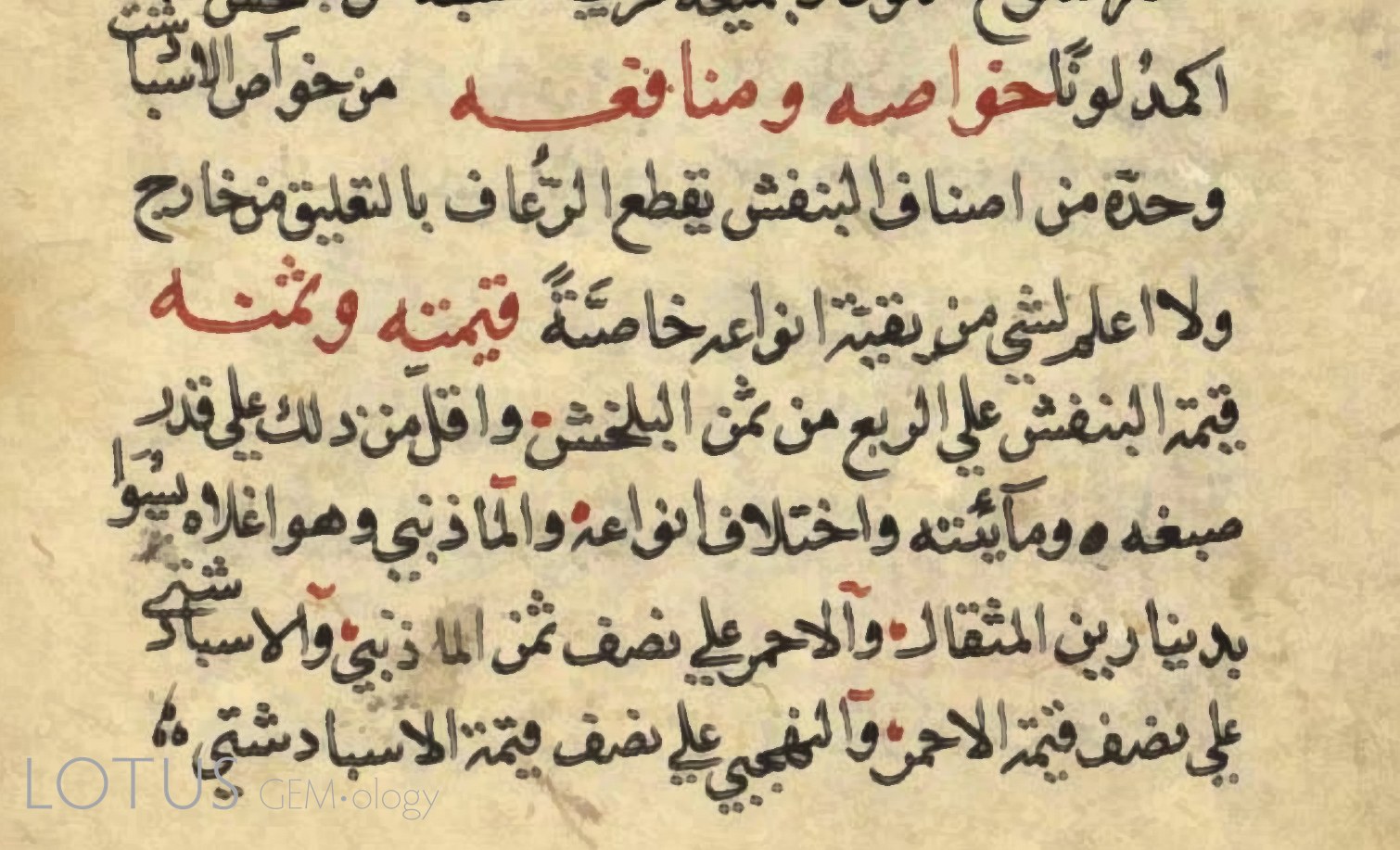 Figure 3. The section on garnet values from Ahmad al-Tifashi’s 13th-century book on gems. One of the many surviving manuscripts of this work.
There is no space here to cover the wealth of information provided by Biruni and other medieval Muslim writers on the quality factors of gems, and the sophistication of some of the gemmological techniques they describe, including specific gravity determination, but one observation can be made. Biruni quotes the prices of gems from lists he tells us were compiled three centuries before his time, admitting that more up-to-date lists were not available to him (Said, 1989, pp. 106, 142). This might reflect the languishing gem trade between the rise of Islam in the mid-6th century and around 1000 CE, as is reflected in the minimal gem-set jewellery surviving from this period – a dearth seen in Europe as much as in the Middle East and Western Asia. Biruni mentions a great expert in gems whom people consulted about gem values (Said, 1989, p. 109). This was Hasan bin ‘Ali, no less than a grandson of the Islamic prophet Muhammad who died from poisoning in 670 CE. Biruni recounted the legend that the poison was administered on a gem having said that one way that experts tested gems was by putting them in the mouth.
The Medieval European World After Ca. 1200 CE
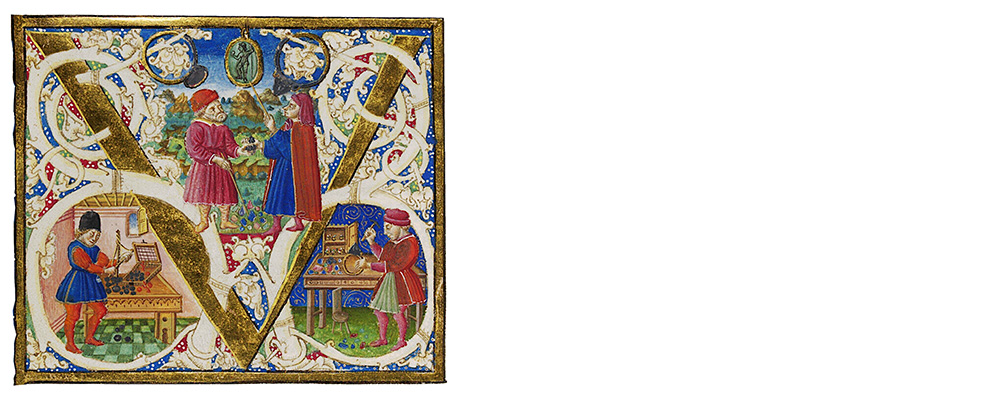
What Pliny had said about gems in his Natural History, written in the 1st century CE, was copied, plagiarised, plundered and mutilated in what are termed lapidaries – books about gems – for more than a thousand years. Figure 4 shows the ornate first letter from the section on gems in a hand-written copy of Pliny’s Natural History produced in the 1460s in Italy now in the National Art Library, London. It shows instruction on gems (top), a gem worker drilling gems (left) and a jeweller setting one in a ring (right) – the ring greatly enlarged for clarity’s sake. Throughout this period, the classical authors were deemed irreproachable if not always understood and this largely prevented useful advances in the knowledge they presented. We have almost no mention of gem assessment or values. By the 1100s we begin to see some evidence of Christian church teaching in texts about gems (Studer & Evans, 1924, p. xvii). Then, in the following century, a multitude of influences become evident.
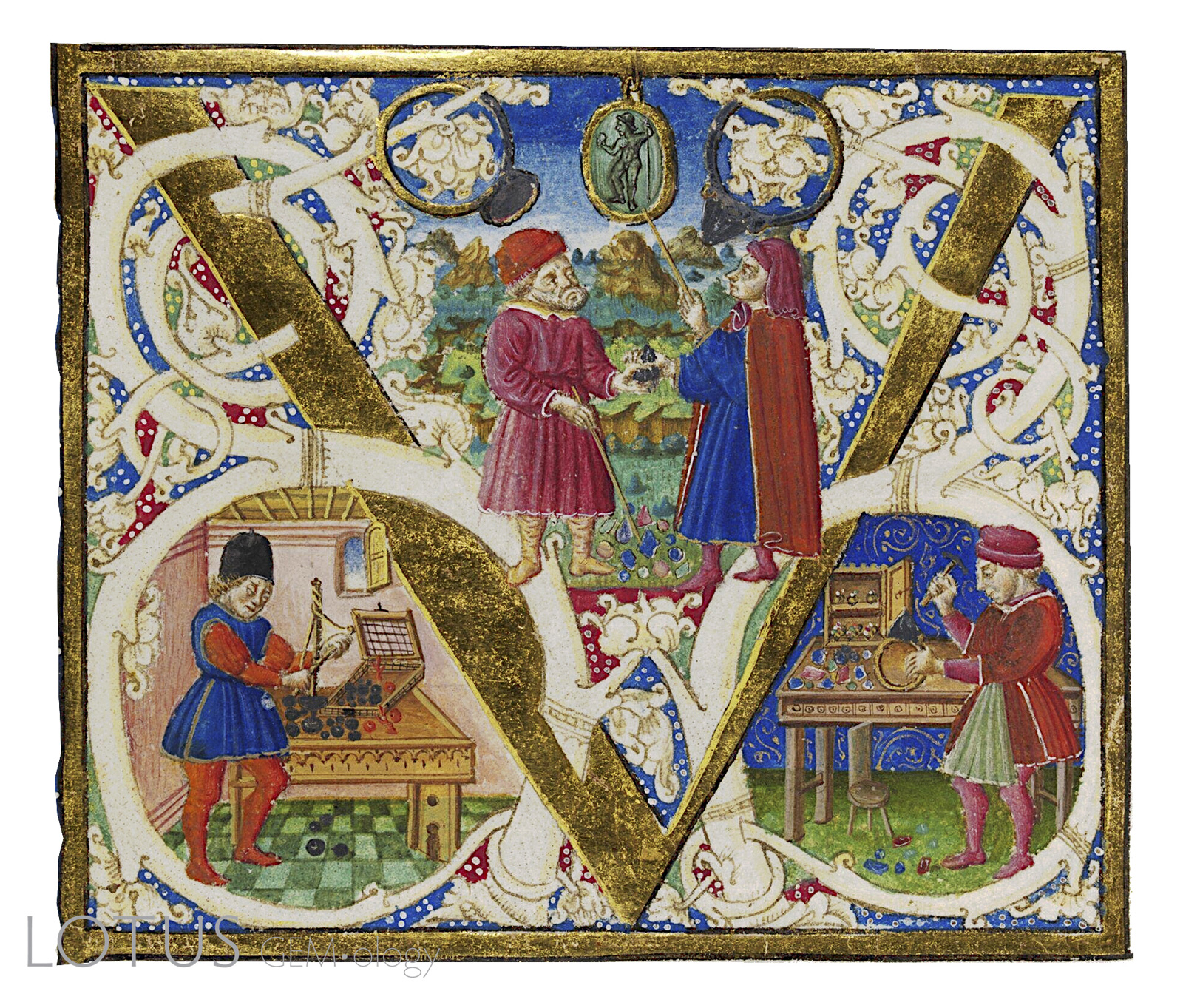 Figure 4. The ornate first letter from the section on gems in a hand-written copy of Pliny’s Natural History produced in the 1460s in Italy. © National Art Library, Victoria and Albert Museum, London. MSL/1896/1504.
The 1200s onwards saw a greatly extended contact between Western Europe and the Eastern Mediterranean and Muslim worlds manifested in both direct trade and conflict. Eastern gems and Muslim texts about gems reached the West, heralding a wider range of gems in circulation and a more practical and topical understanding of them. We see this particularly in De Mineralibus which was written in the mid to late 1200s, probably around 1260, by Albertus Magnus in Germany, one of the greatest minds of the period (Figure F) (Wyckoff, 1967). Albertus still drew extensively from Pliny and other earlier writers, but he went further. His discussion of sapphire is particularly revealing. He tells us that the sapphires from the East (Sri Lanka), were considered more valuable than those from France (Wyckoff, 1967, p. 116). The French sapphires, from le Puy en Valay were unknown to Pliny and the early Western writers, or to Biruni and others in the East. Albertus was drawing on the practical European gem knowledge and trade experience of his time. He and other writers of his time still wove in mystical and medicinal properties, but the growth in scientific understanding continued to push these aside, although it never entirely displaced them.
During the 13th and 14th centuries, we start to have detailed inventories and other records of jewellery and gems. These can give the weight or value or gems, occasionally both. We find qualifiers such as “very beautiful” applied to gems and even some quite detailed colour descriptions. For example, we have sapphires described as being “an intense sky blue”, “dark” or “watery” (perhaps pale?) (Ogden, 2021; Legg & Hope, 1902, p. 71). The source is occasionally noted, such as with “rubies of Alexandria” and we have a 1257 English description of an “oriental sapphire of intense colour”, distinguishing it from those from the French source (Ogden, 2012, p. 798). Significant damage, another obvious identifying feature, was noted such as “six large emeralds of which one is in pieces” that were in a broken crown that belonged to Clémence of Hungary, the widow of Louis X of France, at the time of her death in 1328 (Douët-d’Arq, 1874, p. 39). Cut is sometimes mentioned. An interesting example can be found in the same list of Clémence of Hungary’s jewellery. This is a ring with four sapphires, three described as facetted, one as cabochon, the latter an early use of this term (Douët-d’Arq, 1874, p 39). Although age alone seems not to have been a factor in the value of a gem, illustrious previous ownership probably would. For example, the inventory of the jewellery belonging to Peter Gaveston, King Edward II of England’s ill-fated favourite, compiled in 1312–1313 included a gold ring with a sapphire which was then believed to be from the workshop of Saint Dunstan (Rymer, 1818, pp. 203–205; Hamilton, 1991, pp. 205–206).
Unfortunately, among all these varied gems descriptions there is minimal indication as to how the various properties impacted value. Gems were listed in inventories for record purposes and there was no reason to explain how any values given were calculated. In 1267 King Henry III of England pawned a large amount of jewellery from the shrine of St Edward the Confessor at Westminster Abbey, London to alleviate his crippling financial situation (Lyte, 1913, pp. 135–140). The list includes eight unmounted spinels. The weights of these ranged, in modern terms, from about 15 to 125 carats. The largest, described as “very beautiful”, was valued at the then huge sum then £200, but the others ranged from about £7 to £20 with no obvious correlations between weight and price.
Those who compiled the inventories could have a good expertise with gems. The man who wrote and illustrated the list of jewellery owned by St Albans abbey in Britain in 1257, which included the “intense sky blue” sapphire mentioned above, was Matthew Paris, a man of immense talent and scientific knowledge (Figure 5) (Ogden, 2021). The men responsible for compiling the list of jewellery pawned by Henry II in 1267, noted above, were the royal treasurer of England, the treasurer responsible for managing and accounting for the king's valuables and a clerk working for the latter. One or both of the treasurers might be expected to have had adequate gem knowledge to compile the inventory, but it is possible that they drew on one or more jewellers for help. We know this happened when the contents of the Treasury of St-Denis in France were carefully listed in 1534 (Inglis, 2016, p. 16).
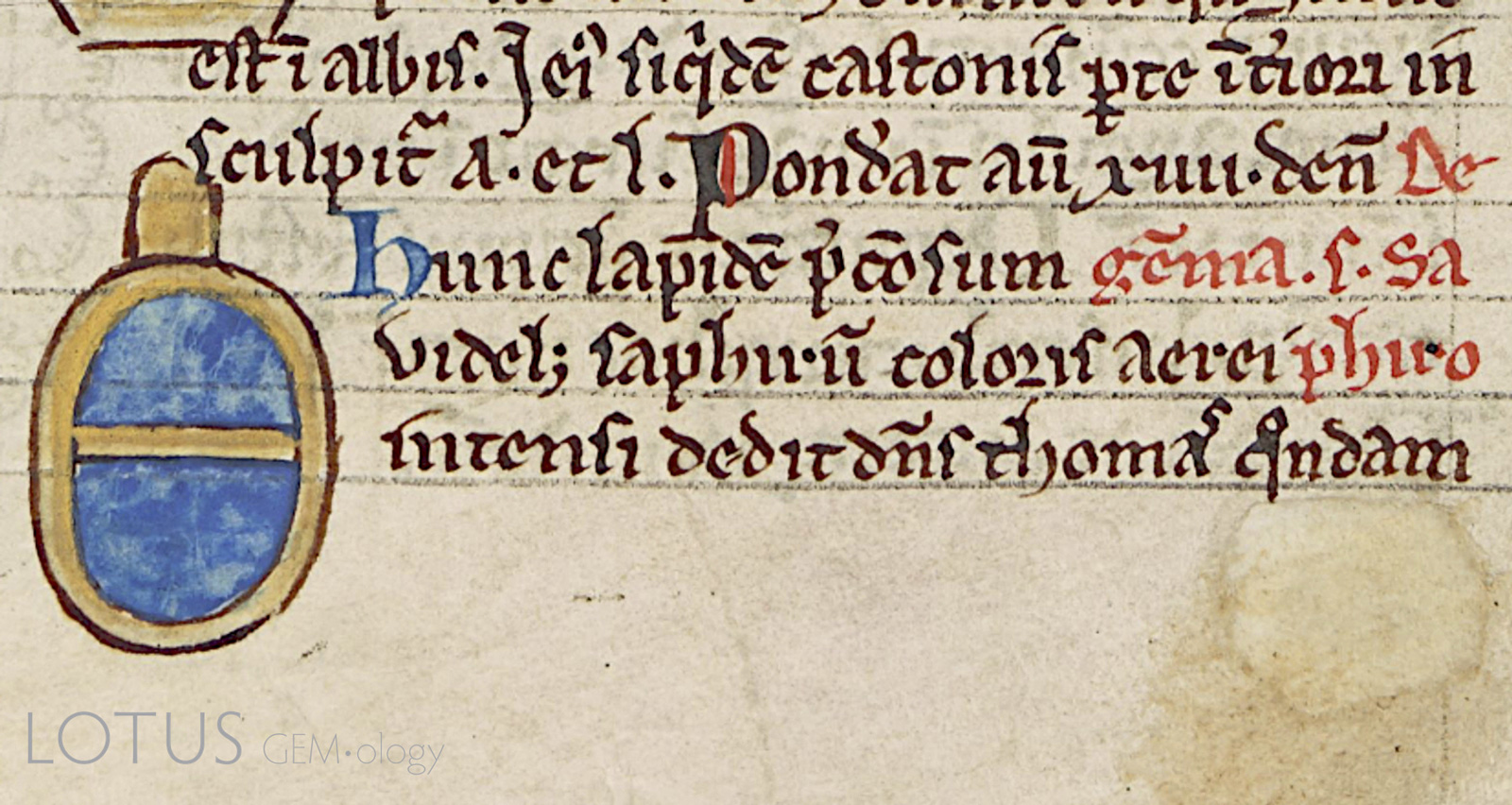 Figure 5. A drawing of a pendant with what is described as “an intense sky-blue sapphire” in an inventory of the treasure of St Alban’s Abbey compiled in 1257. From the Liber Additamentorum compiled by Matthew Paris, British Library, Cotton MS Nero D I, f. 146r. © British Library Board.
The spelling of gem names was wildly inconsistent in handwritten lists before the Renaissance in Europe, even with different copies of inventories with identical descriptions. The likely explanation is that the descriptions were dictated or read out to clerks, such as the one present when the 1267 inventory was compiled, who would have had little familiarity with gem names. We cannot assume, of course, that the gem descriptions in inventories were correct. The vast inventory of jewels of the English King Richard II that was drawn up in 1398/1399 includes the famous so-called “Crown of Princess Blanche”, now preserved in the Residence, Munich (Figure 6) (Stratford, 2012). The inventory notes this contained thirty33 spinels, but the recent study of the crown by Karl Schmetzer and Albert Gilg found that these were a mixture of pink sapphires, spinel, garnet, red tourmaline and a piece of red glass (Schmetzer & Gilg, 2020).
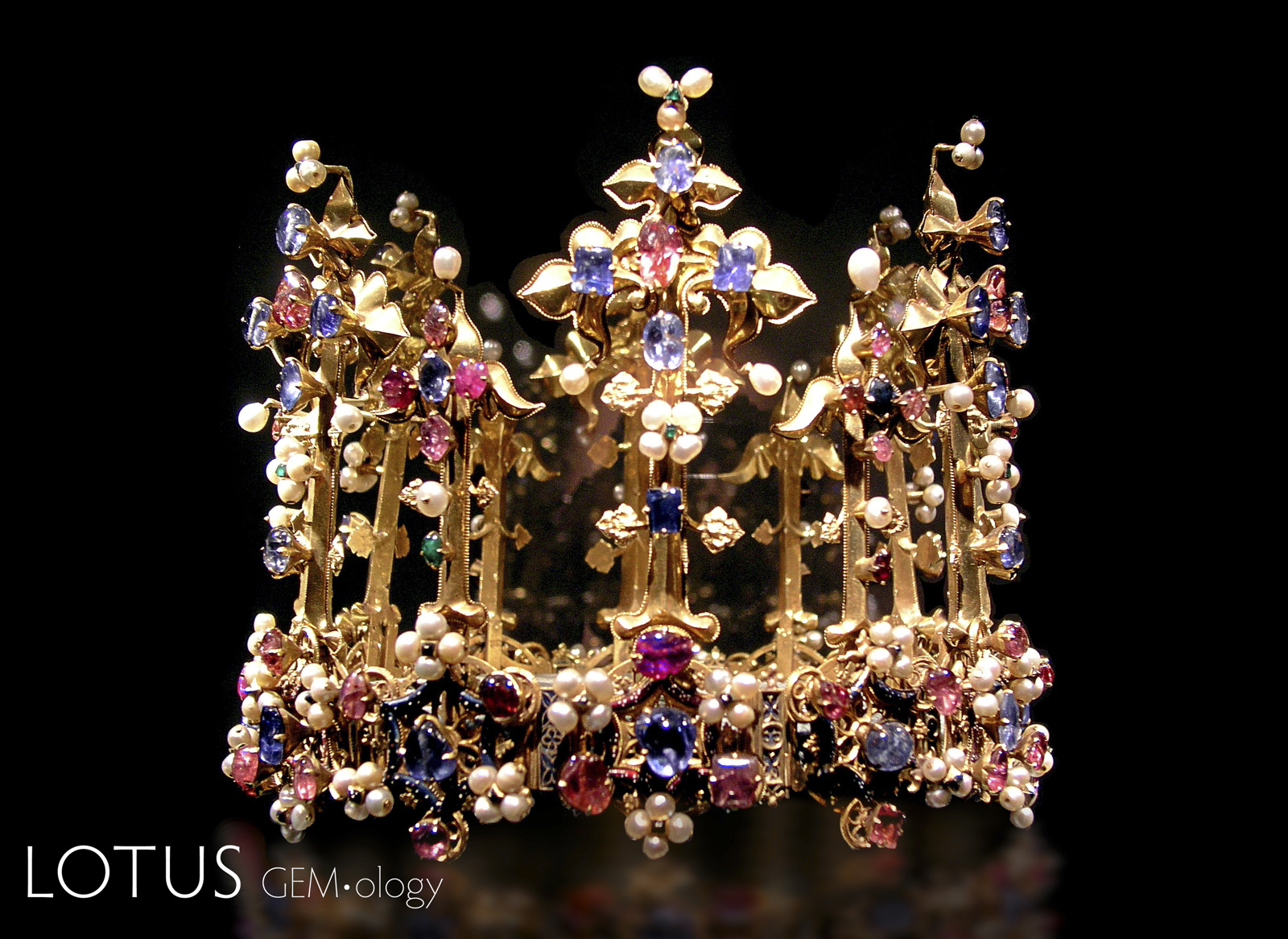 Figure 6. The Crown of Princess Blanche or ‘the Bohemian Crown’. Paris, ca. 1370–80. Munich Residenz, Munich. Photo Jack Ogden.
The lapidary texts tend to remain silent on values, but from the first half of the 15th century, we have a remarkable one from Italy, written in Hebrew, which describes eleven gemstones. Much is similar to other lapidary texts in the description of the gems and their properties, but it also includes some information about prices, both relative and actual. For example, it notes, as had Albertus two centuries earlier, that the sapphires of Le Puy in France were less esteemed than those from the East (Sirat, 1968). It then goes on to quantify this. The finest quality sapphires, it says were valued at from ten ducats per carat for a five-carat sapphire, although the price would vary with quality. Poor-quality sapphires, those from Tralha and Le Puy were not worth half that (Sirat, 1968, p. 1077). “Tralha” is also mentioned in the description of a sapphire in the stock of a late 15th-century goldsmith in the South of France, but its meaning is unknown (Sirat, 1968, p. 1077 note).
Early Modern Europe
In many ways, the revolution in European gem trading and gem knowledge that began in the 1200s was repeated on a greater scale three hundred years later. The gem trade expanded rapidly with the opening up of South America and the discovery of a direct sea route from Europe, around Africa to India and the East. There had also been a technological revolution. Gem cutting had advanced considerably with the development of the continuous-rotation gem cutting wheel. At the same time, the new, for Europe, art of printing greatly facilitated an exponential growth in the dissemination of new and old knowledge – Pliny’s work was printed as early as 1469, Albertus Magnus’ De Mineralibus in the 1490s (Figure 7).
![Figure 8. A gem cutter and jeweller in his workshop, showing cutting equipment, loose gems and finished jewellery. From the opening pages of a 1518 edition of Albertus Magnus’ de Mineralibis [On Minerals] printed by Oppenheym in Kobel, Germany. Munich State Library. VD16: A 1341.](/images/library/articles/gemologyarticles/ogden-gem-appraisal-history/Ogden-7.jpg) Figure 8. A gem cutter and jeweller in his workshop, showing cutting equipment, loose gems and finished jewellery. From the opening pages of a 1518 edition of Albertus Magnus’ de Mineralibis [On Minerals] printed by Oppenheym in Kobel, Germany. Munich State Library. VD16: A 1341.
Figure 8. A gem cutter and jeweller in his workshop, showing cutting equipment, loose gems and finished jewellery. From the opening pages of a 1518 edition of Albertus Magnus’ de Mineralibis [On Minerals] printed by Oppenheym in Kobel, Germany. Munich State Library. VD16: A 1341.
The church no longer had the near monopoly on knowledge and its dissemination; knowledge which the growing ranks of literate merchants and nobility were anxious to access. The foundational work of Pliny, al-Biruni, Albertus Magnus and many others was overlaid with a more scientific and often more commercially aware approach to gems. The growth in gem knowledge and further shedding of the mystical aspects in the course of the 1500s can be traced through books from Camillo Leonardi’s 1502 Speculum Lapidum [The Mirror of Stones] to Anselm de Boodt’s Gemmarum et Lapidum Historia in 1609. The foundations of gem assessment are all there and being widely disseminated in books. For example, Agricola said, “Transparency, unusual beauty of colour, lustre and brilliancy are, in great part, responsible for the value [of gems]” (Bandy & Bandy, 1955, p. 112). In 1572 the Spanish goldsmith Juan de Arfe y Villafañe published and illustrated the type of gauge used to measure pearl sizes, the same principle as the “hole gauges” used in recent times for diamonds (Figure 8, Arfe, 1572, f. 67r).
![Figure 9. A gem cutter and jeweller in his workshop, showing cutting equipment, loose gems and finished jewellery. From the opening pages of a 1518 edition of Albertus Magnus’ de Mineralibis [On Minerals] printed by Oppenheym in Kobel, Germany. Munich State Library. VD16: A 1341.](/images/library/articles/gemologyarticles/ogden-gem-appraisal-history/Ogden-8.jpg) Figure 9. A gem cutter and jeweller in his workshop, showing cutting equipment, loose gems and finished jewellery. From the opening pages of a 1518 edition of Albertus Magnus’ de Mineralibis [On Minerals] printed by Oppenheym in Kobel, Germany. Munich State Library. VD16: A 1341.
Figure 9. A gem cutter and jeweller in his workshop, showing cutting equipment, loose gems and finished jewellery. From the opening pages of a 1518 edition of Albertus Magnus’ de Mineralibis [On Minerals] printed by Oppenheym in Kobel, Germany. Munich State Library. VD16: A 1341.
Of gems from new sources, two stand out, ruby from Myanmar and emerald from Colombia. Rubies from Myanmar were reaching Europe by around 1500 and we see them in quantity in the jewellery of the period. Various European authors discuss them and their superiority over the Sri Lankan and provide some particularly intriguing information about assessment. We hear that the value of a ruby could be calculated on the basis not of its weight, but the weight of a standard table-cut diamond that had a similar “spread” – that of the same size when viewed from above. For example, in the late 1500s, Jan Huygen van Linschoten, a Dutch merchant, said that when jewellers wanted a ruby, they would often specify the required size by stating the carat weight of the diamond it could accompany (Tiele, 1885, pp. 151–162). Some other writers in the following century said much the same, including the English merchant Lewes Roberts (Roberts, 1677, p. 28).
More surprising is the comment by Garcia da Orta, a Portuguese doctor living in Goa, India, in the 1560s that the term “carat” was used to signify the colour of a ruby; “24 carat” represented the best, as he explained (Orta, 1913, p. 356). This comment was part of a fictional dialogue da Orta used to explain ruby colour variation to a non-specialist listener, so it is unclear whether this was a genuine trade practice or just a convenient way to express a concept understandably. Several writers over the following century repeated this carat colour scale for rubies, including Linschoten who knew about gems and the gem trade, but it is possible that their statements were all ultimately based on, and took at face value, da Orta’s (Tiele, 1885, p. 152).
The arrival of Colombian emeralds in Europe after early the 1520s had a significant impact. The sheer quantity and size of some of these led to a dramatic decline in emerald prices, as documented by writers like Pierre de la Primaudaye, Joseph de Acosta and others (Primaudaye, 1590, p. 488; Acosta, 1590, p. 232). So, Italian gem dealers took Colombian emeralds to India and Myanmar where they traded them for the Myanmar rubies then in high demand in Europe. This happened remarkably quickly. An Indo-Persian version of the Book of Jewels that dates from not much later than around 1530 mentions emeralds from the West brought by the Europeans (Wannell, 2022, pp. 44–64). A similar account is found in the chapter on gems in Arakel of Tabriz’s Armenian Book of Histories which was completed in the 1660s (Bournoutian, 2006, p. 462). The global nature of the trade in gems is shown in this and the Book of Jewels by gem prices being in florins – a European coin originating in Florence, Italy and by then the main currency of European trade.
Initially, the Colombian emeralds were considered too dark and unappealing in Europe, and writers were critical of them. But perceptions evolved, and by the mid-1600s there was increasing recognition of their beauty and finally acknowledgment of the superior quality of these American gems. Linschoten noted that emeralds were never completely perfect in clarity and when talking about emerald prices used the term “common sort” to mean one with not too many “green herbs in it” (Tiele, 1885, p. 154). This expression is reminiscent of the term jardin [garden] used by the French to describe inclusions in emeralds.
From this period and on into the 17th and 18th centuries we have several lists of gem prices, provided by or aimed at, those actively involved in the jewellery or gem trades or around their peripheries, such as customs agents. There are now objective discussions about gems, their properties and values. Italian writer Pio Naldi in his 1791 book on the identification and valuation of gems, explained that “value is determined by general consent and manifested in the practice of commerce.” (Naldi, 1791, p. 1.). A value was, he said, based on factors such as beauty, quality, rarity, the costs of getting the gems from mine to market, and demand. To assign a correct value, experience and knowledge were essential but it was equally important to understand what the valuation was for. For example, a gem would be valued differently if it were being bought or sold (and if so, on credit), used as loan security, or included in a dowry (Naldi, 1701, throughout). As Orta had said more than two hundred years earlier, “the value of stones is no more than the will of buyers and the need for them” (Orta, 1913, p. 342), This concept of a “willing buyer and willing seller” defines fair value in some legal contexts today. A willing buyer is equated with demand, an essential factor in gem valuation. The impact of demand is noted most graphically in the 17th-century book on gems by Pierre de Rosnel, goldsmith to King Louis XIII of France. When talking of peridots, he says that any jeweller that “has two, has too many, given the few opportunities that we find to sell them” (Rosnel, 1667, p. 30).
By the end of the 17th century, gem assessment was much the same as today in its basics, but not so quantified. When Pio Naldi discussed the valuation of rubies in 1791, he explained that the best were pure red while those with a purple hue were less expensive, although still costly. Rubies were “imperfect by nature”. They could be too deep in colour, or contain what he called impacci, literally “hindrances”, that is flaws (Naldi, 1791, p. 108). Similarly, to be perfect, an emerald should be a beautiful green, free from impacci and must have “a very transparent water” – that is high clarity. Aquamarines, he tells us seldom had clouds or impacci (Naldi, 1971, p. 135). He adds that a gem had to be examined from various directions to best spot its internal features. An even higher level of gemmological diligence is encountered a hundred years earlier in Sir William Petty’s explanation of diamond assessment (Ogden, 2012). He talked, as others had, of diamond proportions and of inclusions such as those he termed “icicles”, but, remarkably, he also advised having both colour and clarity master stones for diamonds, and a microscope for the observer with imperfect eyesight. The astronomical, mystical and medical associations of gems still had some impact on the gem trade, birthstones, for example, crop in gem marketing today, but in terms of scientific approaches gem assessment had entered a new age by the late 1600s (Figure 9).
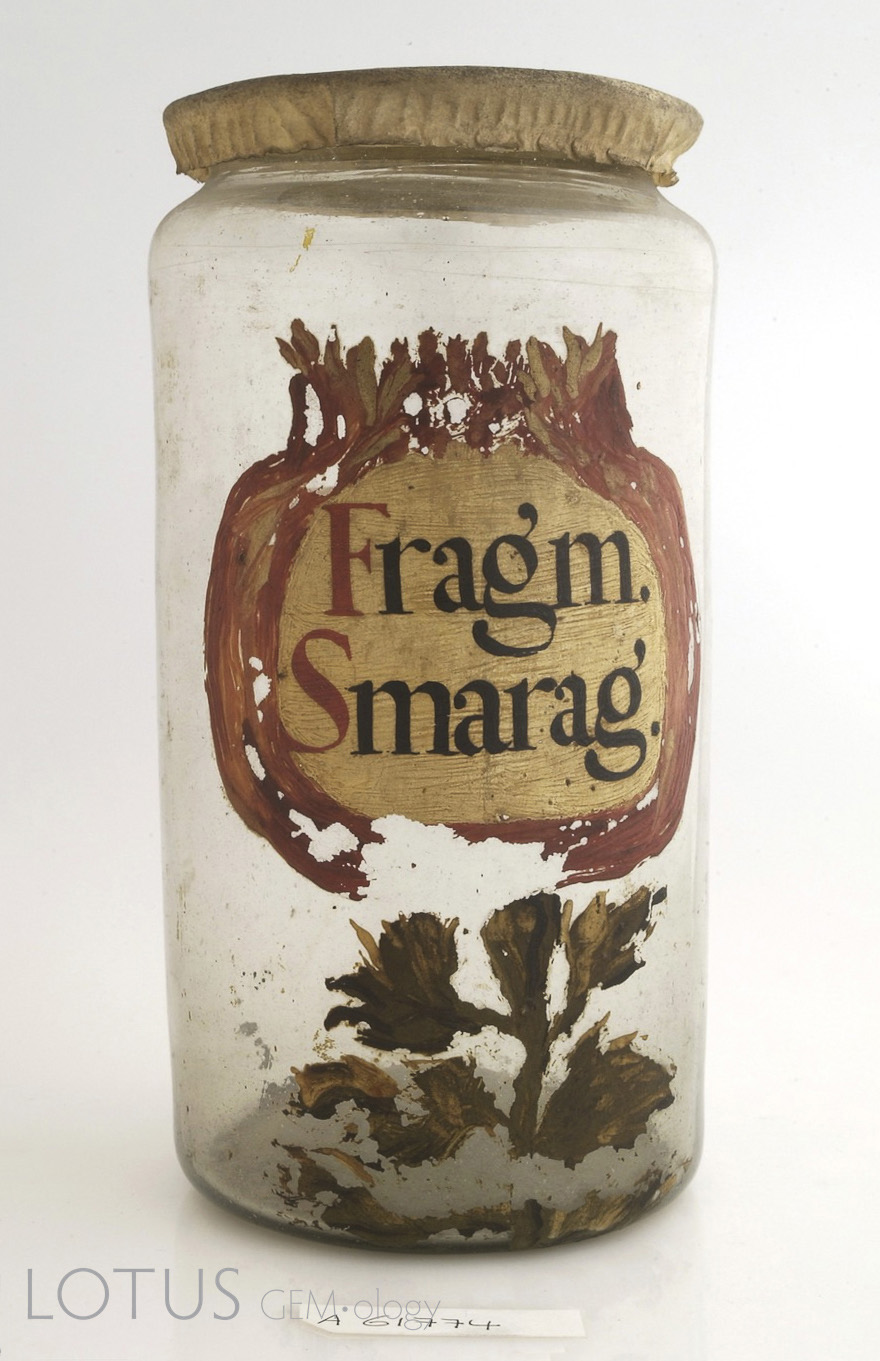 Figure 10. A pharmacist’s glass jar for emerald fragments. Probably Spanish, 18th–19th century. Wellcome Collection London. A61774. (Creative Commons Attribution 4.0 License).
Conclusions
The historical evolution of gem assessment reveals a fascinating interplay of trade, economics, and scientific understanding. Initially driven by visual appeal and perceived magical or medicinal properties, gem valuation gradually became more objective, driven by commercial necessity. Ancient civilizations, such as Egypt and early China, showed preferences for specific colours and qualities, reflecting early forms of gem connoisseurship.
Texts from ancient Greece and Rome, notably those of Theophrastus and Pliny the Elder, began to identify key quality factors like colour, hardness, and clarity. Early India and the medieval Muslim world further developed methods of gem assessment, including detailed descriptions of colour variations and the impact of defects.
Medieval Europe, influenced by both classical and Arabic texts, saw a growing practical understanding of gems, culminating in the Renaissance with its advanced gem-cutting techniques and a more scientific approach to assessment. By the end of the 18thcentury, gem assessment had largely adopted the basic principles still used today. While advanced techniques have refined the process, the fundamental criteria of size, colour, and clarity, as noted by Posidippus over two thousand years ago, remain essential.

About the Author
Dr. Jack Ogden is a British gem and jewellery historian whose academic research over some 50 years has focused on the historical use and technology of gems and other jewellery materials. He has written several books and numerous articles on these subjects and lectured worldwide. His most recent gem-related book is Diamonds; An Early History of the King of Gems (Yale University Press 2018). Ogden's Jewellery Technology in the Ancient and Medieval world was published in 2024 (Brynmorgen Press). Dr. Ogden is an elected Fellow of the Gemmological Association of Great Britain, a Fellow of the Society of Antiquaries of London and is a Freeman of the Worshipful Company of Arts Scholars.
Footnotes
[1] The reference to “oiliness” has sometimes been taken to be an early mention of the oiling of emeralds, but I believe this is incorrect.
[2] For an English translation of this section see Huda, 1998, p. 114.
Notes
First published in the Journal of Gems & Gemology in May 2026.
References
- Acosta, J., de (1590) Historia natural y moral de las Indias: En que se tratan las cosas notables del cielo, y elementos, metales… y guerras de los Indios. [Natural and Moral History of the Indies: In which are discussed the notable things of the Heavens and Elements, Metals … and Wars of the Indians]. [in Spanish], Juan de Leon, Seville, 573 pp.
- Acosta-Hughes, B., Angiò, F., Cuypers, M., & Kosmetatou, E. (2024). New poems attributed to Posidippus. A text in progress edited and periodically updated. Version 15, July 2024. The Center for Hellenic Studies. For English translations see https://classics-at.chs.harvard.edu/new-epigrams-attributed-to-posidippus-of-pella
- Agricola, G. (1955) De Natura Fossilium (Textbook of Mineralogy). Translated by Bandy, M.C. and Bandy, J.A., New York: Geological Society of America Special Paper 63, 240 pp.
- Arfe y Villafañe, J., de (1572) Qvilatador de la Plata, Oro, Y Piedras. [Assayer of Silver, Gold and Stones]. [in Spanish], Valladolid: Alonso and Diego Fernández de Córdoba, reprinted 1976, 71 pp.
- Biot, É. (1851) Le Tcheou-li, ou Rites des Tcheou, traduit pour la première fois du chinois. [The Zhouli, or Rites of the Zhou]. [in French], Paris: Imprimerie Nationale, 2 Vols., 500, 620 pp.
- Boodt, A.B., de (1609) Gemmarum et Lapidum Historia. [History of Gems and Stones]. [in Latin], Hanover: 1st ed., 294 pp.
- Bournoutian, G.A. (2006) The History of Vardapet Aŗak´el of Tabriz. Costa Mesa, CA: Mazda, 2 Vols., Vol. 2, 237 pp.
- Burnell, A.C. and Tiele, P.A., editor (1884–85) The Voyage of John Huygen van Linschoten to the East Indies. London: Hakluyt Society, Series 1, Nos. 70–71, 2 Vols., 307, 341 pp.; see Vol. 2, pp. 133–158.
- Caley, E.R. and Richards, J.C. (1956) Theophrastus on Stones. Columbus, OH: Ohio State University, 238 pp.
- Douët-d’Arq, L. (1874) Nouveau recueil de comptes de l’argenterie des rois de France. [New Collection of Accounts of the Silver Treasury of the Kings of France]. [in French], Paris: Renouard, 430 pp.
- Finot, L. (1896) Les Lapidaires Indiens. [Indian Lapidaries]. [in French], Paris: Librarie Émile Bouillon, Éditeur, 280 pp.
- Hamilton, J.S. (1991) Piers Gaveston and the Royal Treasure. Albion: A Quarterly Journal Concerned with British Studies, Vol. 23, No. 2, pp. 201–207.
- Heliodorus (1897) The Aethiopica. [in Greek and English], Athens: The Athenian Society, 417 pp.
- Hilprecht, H.V. and Clay, A.T. (1898) The Babylonian Expedition of the University of Pennsylvania. Series A: Cuneiform Texts. The Babylonian Expedition of the University of Pennsylvania, Philadelphia: University of Pennsylvania, Vol. 9, 90 pp., 20 plates.
- Huda, S.N.A. (1998) Arab Roots of Gemology: Ahmad ibn Yusef Al Tifaschi’s Best Thoughts on the Best of Stones. Lanham, MD: Scarecrow Press, 272 pp.
- Inglis, E. (2016) Expertise, artifacts, and time in the 1534 inventory of the St-Denis treasury. The Art Bulletin, Vol. 98, No. 1, pp. 14–42.
- Kropff, A. 2016. An English translation of the Edict on Maximum Prices, also known as the Price Edict of Diocletian (Edictum de pretiis rerum venalium). Version 2.1. <https://www.academia.edu/23644199/New_English_translation_of_the_Price_Edict_of_Diocletianus>, accessed 13 April 2025.
- Legg, J.W. and Hope, W.H.S.J. (1902) Inventories of Christchurch Canterbury; With Historical and Topographical Introductions and Illustrative Documents. Westminster: Archibald Constable & Co., 379 pp.
- Leonardus, C. (1502) Speculum Lapidum Clarissimi Artium. [The Mirror of Stones]. [in Latin], 66 pp.
- Lyte, H.C.M. 1913. Calendar of the Patent Rolls preserved in the Public Record Office: Henry III 1266–1272. His Majesty’s Stationary Office. 396 pp.
- Naldi, P. (1791) Delle Gemme e Delle Regole per Valutarle. [Gems and Rules to Evaluate Them]. [in Italian], Bologna: San Tommaso, 361 pp.
- Ogden, J.M. (2012) Rainbows and icicles: A history of diamond cutting and assessment. Gemworld, World of Gems Conference III, Autumn, Chicago, pp. 21–22.
- Ogden, J.M. (2021) Gem knowledge in the thirteenth century: The St Alban jewels. Journal of Gemmology, Vol. 37, No. 8, pp. 816–834.
- Ogden, J.M. (2022) Jewelry Technology in the Ancient & Medieval World. Hong Kong: Brynmorgen Press, 416 pp.
- Olivelle, P. (2013) King, Governance, and Law in Ancient India: Kautilya’s Arthasastra. Oxford: Oxford University Press, 753 pp.
- Orta, G., da (1913) Colloquies on the Simples & Drugs of India. Translated by Markham, C., London: Henry Sotheran, English trans. of Orta’s Coloquios dos Simples e Drogas he Causas Medicinais da India of 1563, 509 pp.
- Pliny the Elder (2005). The Natural History, ed. John Bostock, J & Riley, H. T. Perseus Digital Library. https://www.perseus.tufts.edu/hopper/text?doc=plin.+nat.+toc, <accessed 13 April 2025>
- Primaudaye, P., de la, (1590) De l’Académie Française. [Of the Académie Française]. [in French], Paris: Guillaume Chaudiere, 326 pp.
- Ramsay, G.G. (1918) Juvenal and Persius. Loeb Classical Library, No. 91, London: William Heinemann, 497 pp.
- Roberts, L. (1677) The Merchants Map of Commerce: Wherein, the Universal Manner and Matter of Trade is Compendiously Handled London: Horn, 3rd edition, 475 pp.
- Rosnel, P., de (1667) Le Mercvre [Mercure] Indien ou le Tresor des Indes. [The Indian Mercury or the Treasure of India]. [in French], Paris: Impr. de R. Chevillion, 2 Vols., 36, 64 pp.
- Rymer, T., Sanderson, R., Clarke, A. and Holbrooke, F. (1818) Foedera, Conventiones Litterae, et Cujuscunque Generis Acta Publica inter Reges Anglia. [Treaties, Agreements, Letters, and Public Acts of any kind Between the Kings of England]. [in Latin], London: Eyre & Stahan, 10 Vols., Vol. 2, 738 pp.
- Said, H.M. (1989) The Book Most Comprehensive in Knowledge on Precious Stones: al-Beruni’s Book on Mineralogy [Kitab al-jamahir fi marifat al-jawahir]. Translated by Said, H.M., One Hundred Great Books of Islamic Civilization, Natural Sciences No. 66, Islamabad: Pakistan Hijra Council, 355 pp.
- Schmetzer, K. and Gilg, H.A. (2020) The late 14th-century royal crown of Blanch of Lancaster—History and gem materials. Journal of Gemmology,Vol. 37, No. 1, pp. 26–64.
- Sirat, C. (1968) Les pierres précieuses et leurs prix au XVe siècle en Italie, d'après un manuscrit hébreu. [Precious stones and their prices in 15th-century Italy, according to a Hebrew manuscript]. [in French], Annales. Histoire, Sciences Sociales, Vol. 23, No. 5, pp. 1067–1085.
- Stratford, J. (2012) Richard II and the English Royal Treasure. Woodbridge, UK: Boydell Press, 528 pp.
- Studer, P. and Evans, J. (1924) Anglo-Norman Lapidaries. Paris: Librairie Ancienne Édouard Champion, 404 pp.
- Tiele, P.A. (1885) The Voyage of John Huyghen van Linschoten to the East Indies. Vol. 2. London: Hakluyt Society. 374 pp.
- Wannell, B. (2022) Two versions of a book of jewels in Persian. In Objects, Images, Stories | Simon Digby's Historical Methods, Edited by Orsini, F., Oxford: Oxford University Press, 496 pp.; see pp. 44–64.
- Wyckoff, D. (1967) Albertus Magnus: Book of Minerals. Oxford: Clarendon Press, 309 pp.