
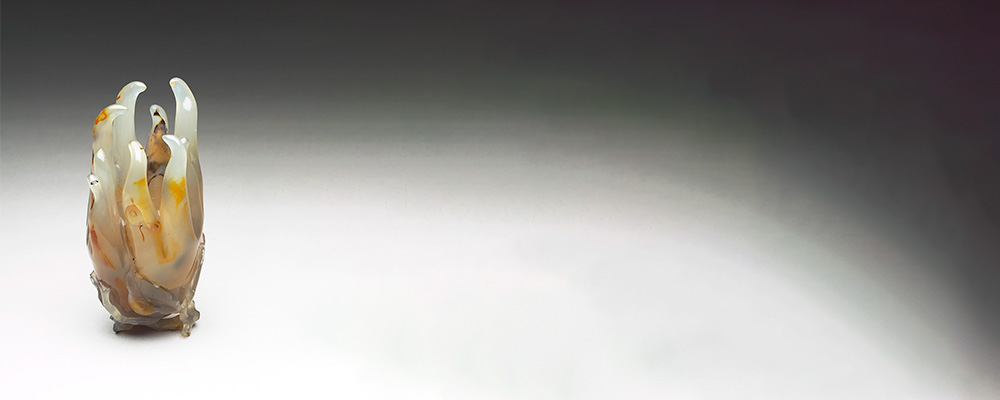
During the Qing dynasty (1644–1911), court artisans carved agates with a high degree of technical ability and inventiveness. Agate wares produced during the reign of the Yongzheng (1723–35) and Qianlong (1736–1795) emperors exploit the full breadth of chromatic effects and degrees of translucency offered by these silicate stones. During this period, agate carvings were produced in high numbers, and imperial commissions made conscious use of the stone’s unique material qualities. Because the geological environment in which agates are formed affects their pigmentation, the range of agate colors recorded in historical documents and seen in surviving objects reflects a variety of geographical origins. This paper considers how agates were understood by scholars and appreciated by emperors at a time of territorial expansion and interest in new minerals.
Agate Carvings for the Qing Court
This project began by happenstance, as most research does. I was browsing the Qing Imperial Workshop Archives for evidence of color terminology (China First Historical Archives, 2005), and as I entered the seventh year of the Yongzheng period (equivalent to 1729), the number of color names for a particular category of stone – agate (manao 瑪瑙) – simply exploded. Evocative terms such as “gallbladder blue” (danqing 膽青), “clear sky after rain” (yuguo tianqing 雨過天晴), and “golden amber” (jinpo se 金珀色) proliferated, along with mentions of multicolored and patterned agates ('blue and white,' 'black and yellow,' or 'tree-ring patterned'). During the Yongzheng period (1723–1735), no fewer than 24 discrete agate colors were recorded in the workshop archives. For reference, jade had the second-largest range of colors, with only 11 terms recorded for the same period. Intrigued, I searched the imperial collections for visual evidence and found carved agate vessels that made exquisite use of the stone’s natural qualities: translucency, color, and patterning (Fig. 1).
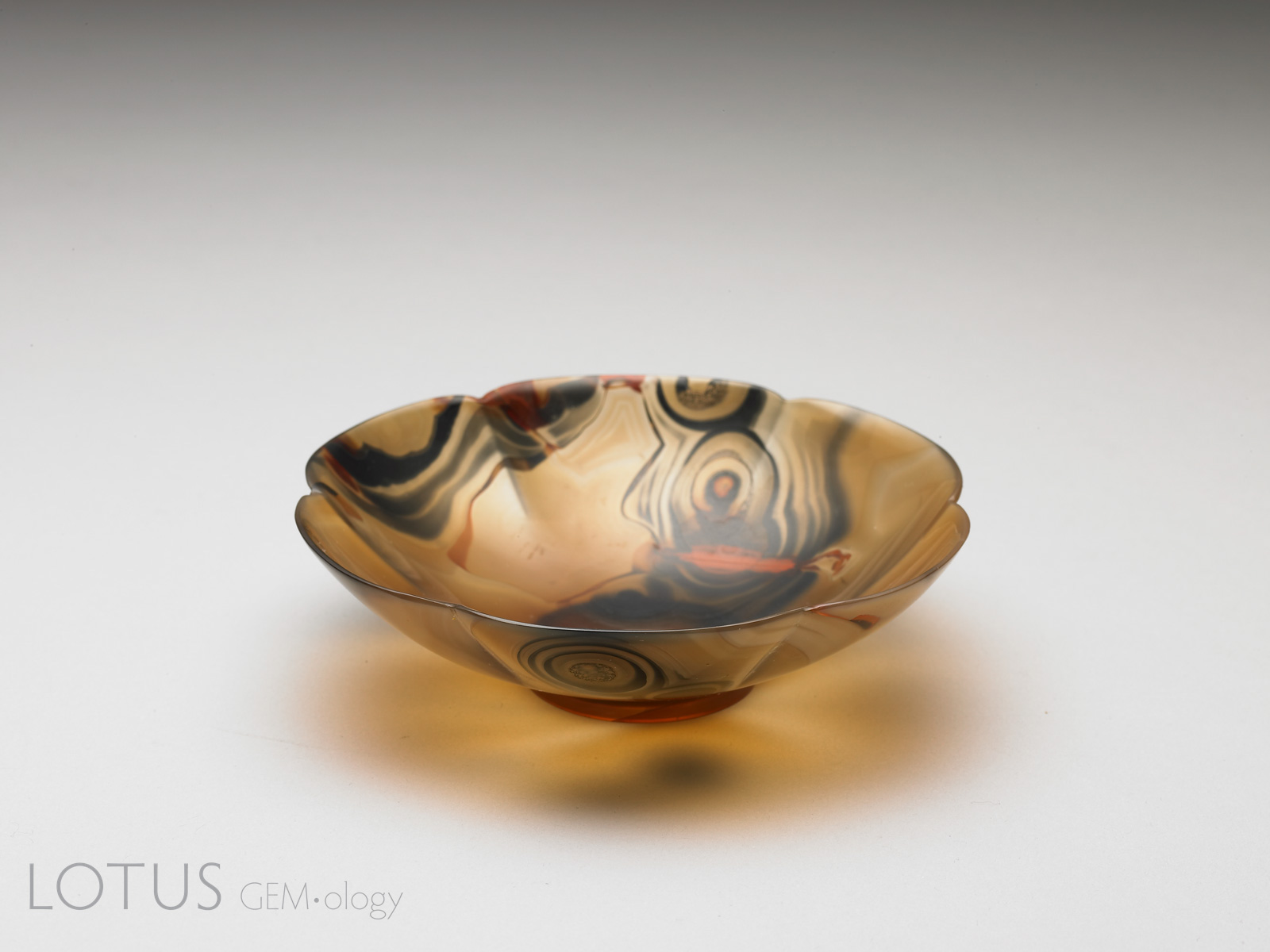 Figure 1. Small lobed dish. China, Qing dynasty, Yongzheng mark and period (1723–1735). Agate. 11.4 cm diam. National Palace Museum, Taipei, 故雜000108. CC BY 4.0 @ www.npm.gov.tw
Despite the current surge of scholarship on Qing material culture, agate has been largely overlooked. As opposed to jade carvings, which have been the subject of many studies (Knight et al., 2007) agates and other hardstones have suffered from a comparative lack of interest. One of the only exhibitions in which agate carvings featured prominently was held at the Chinese University of Hong Kong Art Museum in 2000, and a short article by Chen Yuxiu (2009) made a first valuable foray into this material. But new archival discoveries can lead us to expand on this research. This project considers how agates fit within the larger picture of Qing material culture at a time of imperial interest in new materials and visual effects. It focuses on how carvers and patrons approached this stone’s specific visual and material properties, which informed the unique range of objects produced. Using surviving objects and archival materials, this paper argues that the visual diversity of agates reflected the variety of their geographic origins, and by extension, the Qing state’s increasing access to mineral resources from China’s borderlands.
As this paper centers on a particular material, it is firmly anchored in material culture studies, but more particularly within recent efforts to consider a material’s specific properties and the tacit knowledge of artisans who reckoned with its possibilities through the making process (Pye 1968; Smith 2004; Ingold 2013). This is an approach that suits this body of work particularly well, because it reflects the qualities that Qing patrons and carvers seemed to appreciate about agate as opposed to other materials. This research also draws from art history’s growing interest in material and environmental history, especially regarding resource extraction and the sourcing of raw materials. Recent material histories of the environment in China have turned to the significance of natural resources and geographic space in the construction of imperial ideology (Schlesinger 2017; Wu 2019). This study explores how the Qing empire’s expanding capacity for mining and resource extraction at its borders triggered a newfound interest in colorful new minerals such as agate. To better contextualize the Qing corpus of agate carvings, this paper will first discuss the material qualities of agate and their implications for artisans.
Material Qualities and Artisinal Knowledge
Agate is a rock aggregate composed of quartz (silicon dioxide, SiO2), a category that includes other varieties of semi-precious stones, such as amethyst, citrine, chalcedony, jasper, and more. While chalcedony is the generic term for all specimens of fibrous microcrystalline quartz, agate consists of banded layers of chalcedony in concentric rings or parallel lines. What distinguishes the quartz varieties is the size of their crystals and the causes of their different colors. Agate presents a special case because of the way it is formed. It grows inward, within cavities in other stones, most often in concentric bands created by water seeping in and depositing silica colored with impurities. These impurities lend different colors to the bands, a property also known as allochromatic coloration. Most agates have bands that are colored red, brown, or orange by iron oxide, but chromium and nickel create green, manganese causes pink and violet, while titanium produces blue tones (Park et al., 2015, 3). As the silica takes its color from mineral traces in the surrounding geological environment, agates that were formed in a similar environment will take on a similar range of hues.
At the Qing court, the jade workshop (yuzuo 玉作) was responsible for all jade and hardstone carvings, as well as glass cold-working. In a period that predates the introduction of steel tools, most of the work of slicing and grinding hardstones would have been performed with saws, cutting wheels, borers and drills moistened with various grades of sand abrasives mixed with water. The final round of smoothing and polishing was likely done with a leather-covered wheel and a fine abrasive paste (Bishop Collection, [Yü Tso Tou], 1906). The nature of agate posed specific challenges for artisans who wished to carve it. First, the size of the agate nodule is limited by the dimensions of the rock cavity in which it is formed. Large agates are quite rare, and by extension, some of the largest existing Qing agate vessels are around 20 cm in diameter, while most are half that size. Especially compared to jade, which could be found in large boulders, the size of naturally occurring agates was extremely limiting. Second, agate carvers sometimes had to contend with geodes, or agates with an empty core. For instance, in the first year of the Yongzheng period, hardstone carvers were presented with an agate with an “empty core” (kongxin 空心), and ordered to create a Buddha’s hand citron from it (China First Historical Archives, 2005, 1:78). As an illustration, it is easy to see how a carving of a Buddha’s hand citron in the Qing imperial collection might have been worked around a central cavity, showing how carvers adapted to the stone’s natural limitations (Fig. 2).
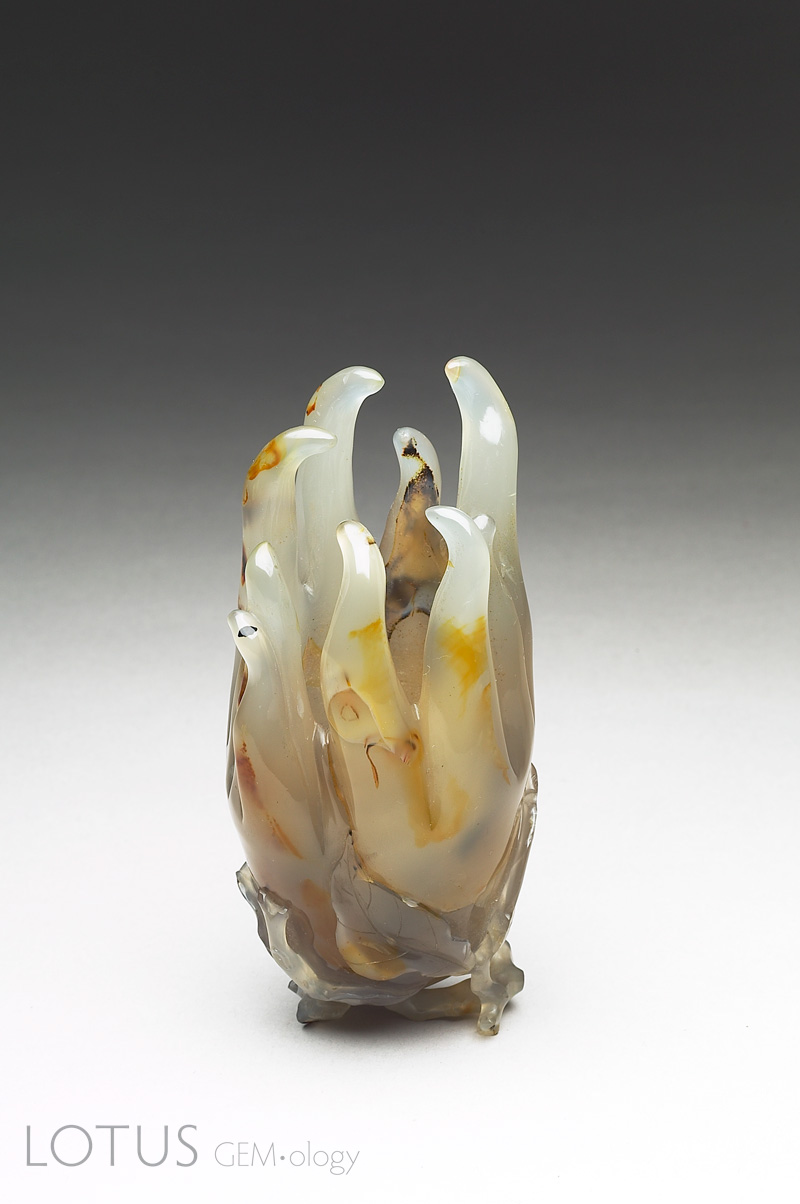 Figure 2. Buddha’s hand citron. China, Qing dynasty, Qianlong mark (1736–1795). Agate. 15.3 cm high. National Palace Museum, Taipei, 故雜000407. CC BY 4.0 @ www.npm.gov.tw
Another example of this adaptability is the artisan’s creative use of the natural crust of agate nodules, which is otherwise often removed during the carving process. For instance, a small carving of peanuts and jujubes in the collection of the Metropolitan Museum of Art shows how the carver integrated the stone’s outer layer to emulate the color and texture of peanut shells, and the smooth silica within for the chewy fruits (Fig. 3).
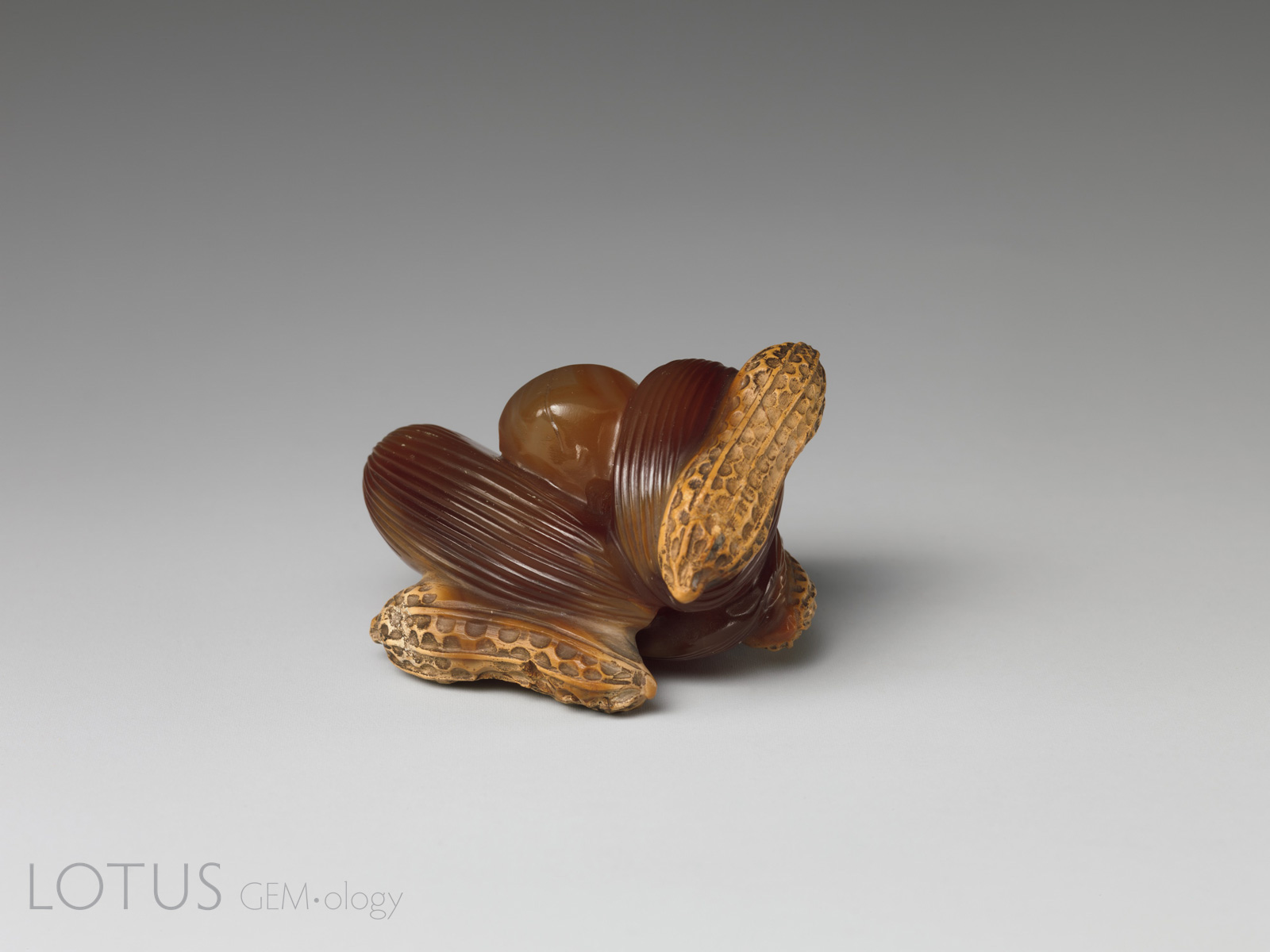 Figure 3 (right). Peanuts and jujube dates. China, Qing dynasty (1644–1911), 18th century. Agate. 2.9 cm high. The Metropolitan Museum of Art, New York, 02.18.895. Gift of Heber R. Bishop, 1902.
But most importantly, agate carvers had to work with layers of color that are unevenly distributed. Just as woodcarvers would know at which angle to slice the wood to exploit its natural grain, it also mattered at which angle the agate nodule was carved to achieve the desired effect. On the one hand, the carver could choose to highlight the natural bands of the stone by having them intersect with the surface of the object, an effect is rendered beautifully on a snuff bottle with alternating white and peach-colored bands culminating in a teardrop pattern (Fig. 4).
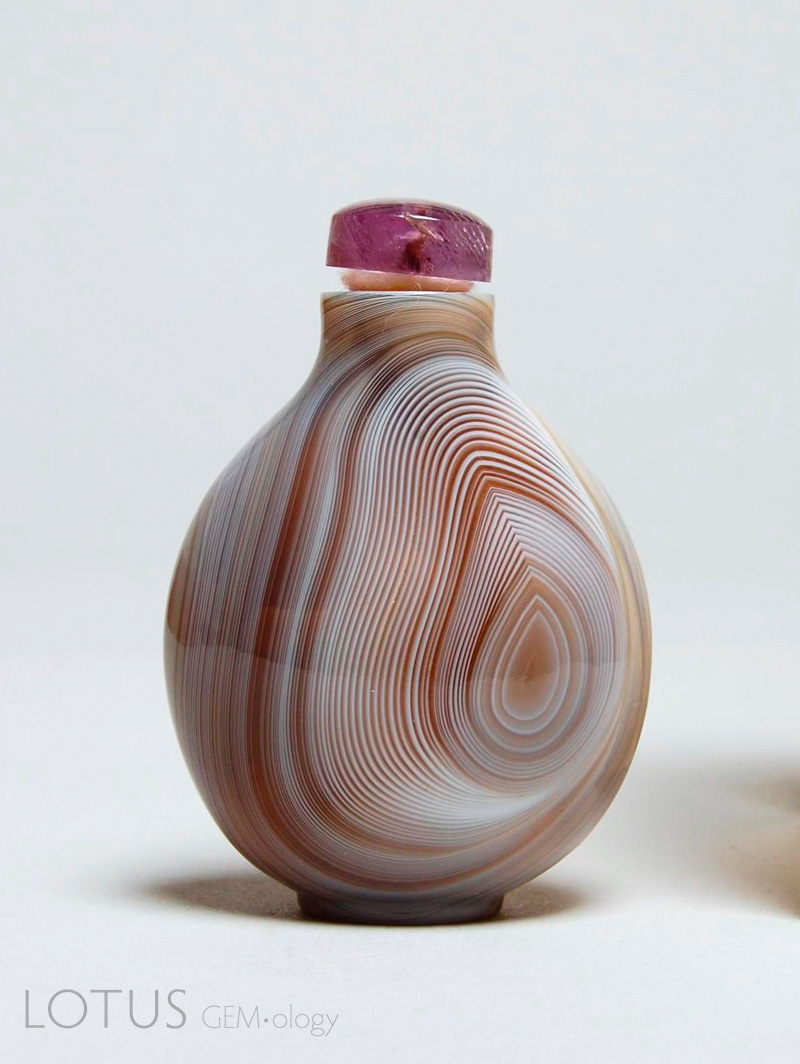 Figure 4. Snuff bottle. China, Qing dynasty (1644–1911), circa 1760-1820. Agate. 5.4 cm high. British Museum, London, 1945,1017.308. Bequest of Oscar Charles Raphael.
On the other, they could plan the work so that the layers would be parallel to the surface to carve them into a cameo relief (Fig. 5). Because of its colored bands, agate lends itself particularly well to cameo carving, in which one layer of material is partially removed to expose one or more underlying layers in a different color. In mediums such as lacquer or glass, wherein artisans build up the surface by applying each layer of material in succession, the outcome is controlled to a much greater extent. But the irregular nature of agate forces carvers to improvise as they go, gauging the thickness of each layer to create their designs. Given that the cameo technique was already well mastered by jade carvers, who traditionally have used this method to play with different naturally occurring colors within a piece of nephrite, it is likely that either the same carvers worked with both jade and agate, or agate carvers relied on a shared body of craftsmanship skills.
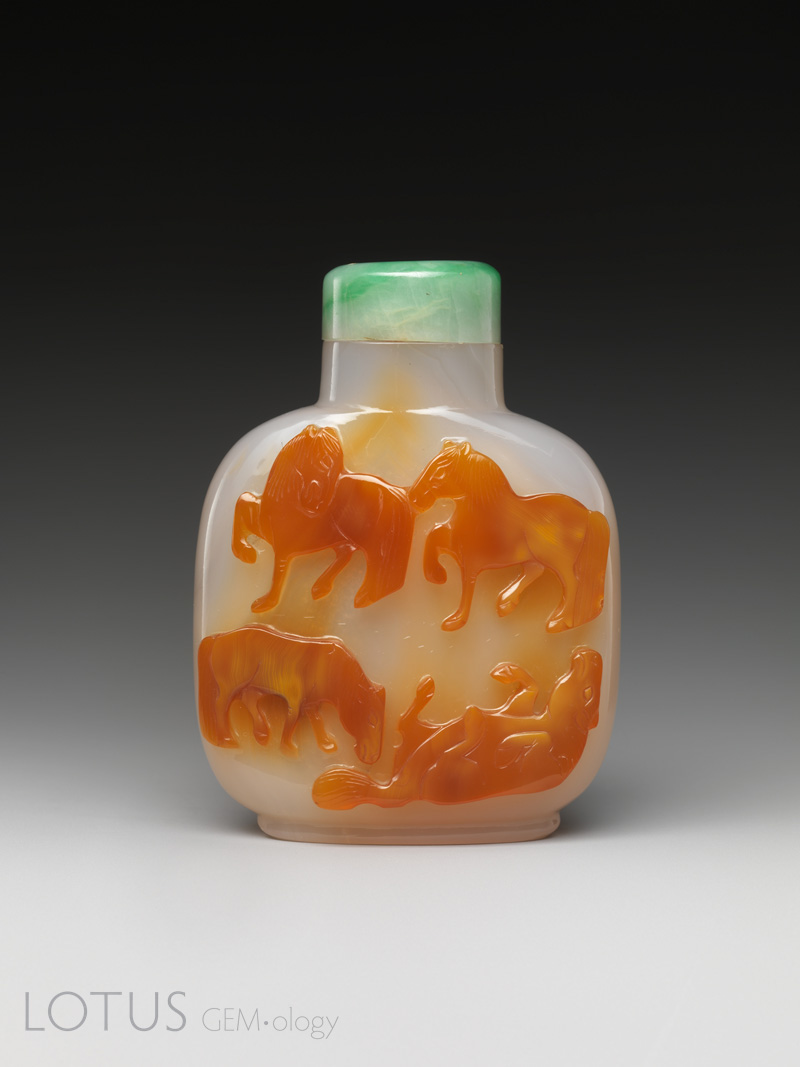 Figure 5. Snuff bottle. China, Qing dynasty (1644–1911), late 18th to early 19th century. Agate. 7.9 cm high. The Metropolitan Museum of Art, New York, 02.18.955. Gift of Heber R. Bishop, 1902.
Ming Writings on Agate and its Origins
Agate imposed important limitations on carvers in terms of size, shape, and colored layers, but its hardness, bright hues, and translucency also presented unique possibilities that other materials did not readily offer. These qualities were remarked upon in the connoisseurial literature of the Ming dynasty (1368–1644). The three most detailed discussions of agate are those found in Essential Criteria of Antiquities (Gegu yaolun 格古要論) by Cao Zhao (曹昭, active mid- to late-14th century), first published in 1388, Treatise on Superfluous Things (Zhangwu Zhi 長物志) by Wen Zhenheng (文震亨, 1585–1645), and the lesser-known General Review of Artifacts (Bowu Yaolan 博物要覽), compiled by Gu Tai (谷泰, act. 17th century)—the latter two works likely published in the 1620s. These authors discuss how to recognize different types of agate, and how to judge the quality of their carving. Gu Tai is known for reiterating passages from earlier texts, but his discussion of agate stands out for its originality and detail. He writes that “agate is neither jade nor stone, it is a category in itself,” indicating that while agate did not share the eminence of jade in Chinese culture, it was still more valuable and worthy of interest than regular stones (Gu, n.d. [1986], 377). He emphasizes that objects made from agate should be carved thinly, polished to a high luster, be the color of red brocade or wine, and patterned yet without inclusions or breaks. Virtually all Ming writing on agate remarks on the value of red-colored stones, with Cao Zhao citing an ancient saying that “[Those who possess] agate without red will remain poor all their lives” (Cao [n.d.], juan zhong, part 58). In the same section, Cao Zhao recommended vessels with a pleasing shape and thinness, adding that they should be judged by their design, carving, polish, and the amount of red in them. In addition to recognizing one of the most vibrant agate colors, these connoisseurs remarked mainly on the work of the hardstone carver, particularly the shaping and polishing process.
The textual record on agates not only addresses the types of agates and their physical properties, but also their origins. During the Yuan dynasty (1271–1368), the renowned painter and government official Dong Qichang (董其昌, 1555–1636) had already described the geographic origins of agates as alternatively from the “Western Ocean” (xiyang 西洋, called “barbarian agates,” fan manao 番瑪瑙) and Yunnan (“common agates,” tu manao 土瑪瑙) (Dong, [1986]). In the Ming period, Cao Zhao gestured broadly to the “northern, southern, and western barbarian regions” as the main areas of origin for agates (Cao [n.d.], juan zhong, part 58). Wen Zhenheng focused on common agates mined in Yizhou 沂州 (Shandong), adding that “the stones are multicolored, and can be as large as a fist or as small as a bean” (juan 3). Gu Tai added to this list by connecting fourteen different varieties of agate with their region of origin, including Europe, Arab countries, Sumatra, Japan, and Mongol tribal regions. Only four types originated from territories under direct Ming control, namely Yizhou, Junzhou 均州 (Hubei), Hezhou 和州 (Anhui), and Guazhou瓜州 (Ningxia). Tantalizingly, the agates mined in Hezhou were called “purple-cloud agates” (ziyun manao 紫雲瑪瑙) and described as “purple with patterns like dawn clouds,” leading us to wonder whether these agates are similar to the “clear sky after rain” agates mentioned in the Qing workshop archives. It is tempting to make such associations, but without well-documented specimens it remains difficult to tie visual cues to specific descriptions of regional variations. Yet, with agate varieties sourced from all over Eurasia, the globalized supply that Ming authors point to sets the stage for Qing emperors’ interest in these colorful stones.
Sources of Agate in the Qing Dynasty
Agates entered the Qing palaces, workshops, and storage through a variety of channels. Some traveled from Europe. A tribute list from Guangdong customs superintendent Mao Keming 毛克明 (d. 1735) dated to 1733 lists five agate stones among the items sent to the Yongzheng emperor, which also included European scientific instruments, a clock, snuff, and a snuff box, indicating that the agates were likely also of European origin (Mao, 1733). Tribute from Pope Benedict XIII to the Yongzheng emperor in 1725 comprised a knife with an agate handle, an agate snuff bottle, and four strings of agate beads; gifts from the King of Portugal in 1727 included a gold box inlaid with agate (Da Qing wuchao huidian, 2006, 5:1775-6). Similar European boxes are still in imperial collections (Fig. 6). But Europe does not seem to have been a significant source of raw agates during the Yongzheng period, as Western agates (xiyang manao 西洋瑪瑙) are only mentioned twice in the workshop archives: once as 18 plaques for future inlay work (China First Historical Archives, 2005, 2:29), and as eight pieces put into storage, where they remained for decades, well into the Qianlong period (1:65; 6:271).
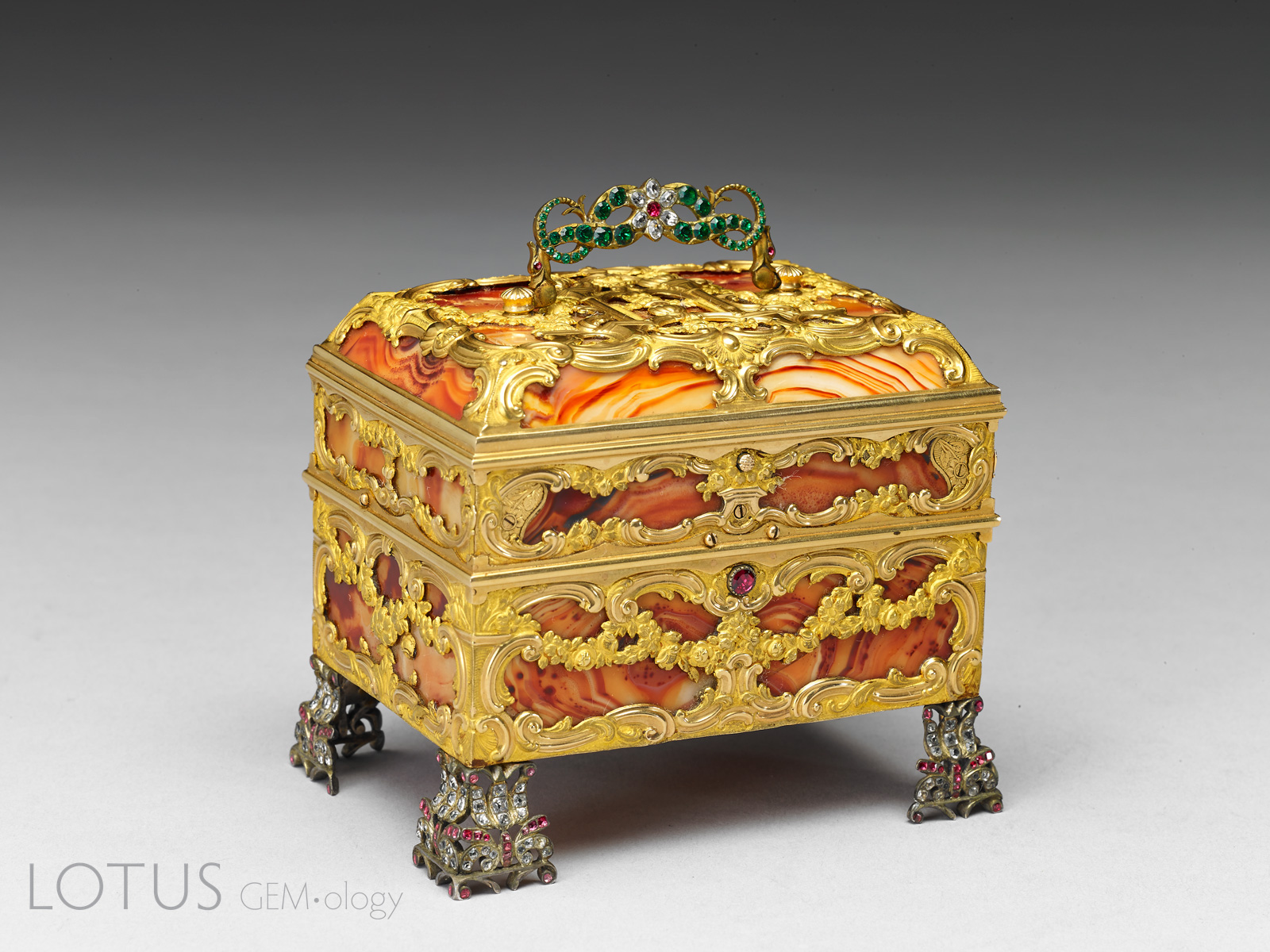 Figure 6. Casket. James Cox (ca. 1723–1800), England, London, 18th century. Gilt metal, agate panels, glass. 7.9 cm high. National Palace Museum, Taipei, 故雜001043. CC BY 4.0 @ www.npm.gov.tw
Tributary states within Asia regularly offered agate products to the Qing court. According to Qing statutes, the Ryukyu Kingdom sent agate as tribute to the Kangxi emperor in 1666 (Da Qing wuchao huidian, 2006, 5:1767). It is possible that the agate originated from Japan and transited through the Ryukyus, given the territory’s geographic location and ties to both Edo Japan and Qing China (today, several agate deposits are documented across the Japanese archipelago). Agate also came to China via Sumatra, as documented in a Guangdong gazetteer (Guangdong Tongzhi, 1697, juan 28), and in Gu Tai’s remarks, above. While long-distance trade and tribute only accounted for a small portion of the agates used and displayed at court, domestic and Inner Asian supply seems to have been more profusive and consistent.
As letters exchanged between the emperor and high officials, palace memorials yield key insights into the sourcing of minerals at the remote reaches of the Qing empire. Those sent between the Yongzheng emperor and the Manchu official Ortai (E’ertai 鄂爾泰, 1680–1745), governor-general of the southwestern provinces of Yunnan, Guizhou, and Guangxi, document the discovery of agates and other multicolored stones in the newly conquered borderlands, and the sending of multiple samples to the court (Bellemare, 2023, 113–20). In February 1729, Ortai sent several types of local colorful stones, including red and white agates, to Beijing (China First Historical Archives, 1989, 14:452). An entry in the workshop archives shows that they were received and transferred to the storehouses to be used as needed (China First Historical Archives, 2005, 3:608–609). In a following memorial, dated to August 1729, Ortai cited the Yongzheng emperor’s wish that red and white agates be sent to the capital for his review (China First Historical Archives, 1989, 15:326). Ortai immediately sent a special envoy to Yunnan to quarry and select agate stones and presented them as additional tribute. While it is not possible to determine what these southwestern agates were ultimately used for, this written and material exchange demonstrates the Yongzheng emperor’s appetite for the decorative potential of new minerals from the borderlands. Red and white agates can still be found today in the remote Baoshan region of Yunnan.
Aside from palace memorials, gazetteers also contain a wealth of information on agate deposits. Searching through local gazetteers published during the Kangxi and Qianlong periods (1661 to 1796), we find a broad range of locations for agate mines and production sites. Some of these include historical mining sites in the Chinese heartland, such as Yizhou, which was mentioned by Ming authors and discussed above (Yizhou fuzhi, 1750, juan 11). But these records also indicate that more remote agate mining sites became active during the High Qing period. The Baoshan region of Yunnan is first recorded for its local agate production in 1702 (Yongchang fuzhi, 1702, juan 4, 10), while other sites are located in Tibet (Sichuan Tongzhi, juan 21), Qinghai (Xiningfu Xinzhi, 1755, juan 21), Gansu (Gansu Tongzhi, juan 6), and Mongolia (Koubei Santingzhi, 1758, juan 2), illustrating the reach of Qing rule and its capacity to inventory and acquire mineral resources for use at the court.
An interesting source for agate is documented in a gazetteer for the newly created Yazhou prefecture, in western Sichuan (Yazhou Fuzhi, 1739, juan 11). In March 1729, ten years before the gazetteer was compiled, the territory that had been Eastern Tibet was conquered by governor-general Yue Zhongqi (岳鍾琪, 1686–1754), and subsequently became Yazhou prefecture, thereby significantly expanding Qing rule westward. The Yazhou gazetteer lists agate among the many mineral resources of the area, which also include turquoise, lapis lazuli, and amber—semi-precious stones that were all extensively used in imperial decorative arts. The possibility that a rudimentary mining infrastructure could have been put in place to extract these precious stones remains to be fully investigated. Yet the extensive Inner Asian supply chains for agate could have contributed to the unprecedented variety of visual qualities of agate carvings in the Qing dynasty.
Imperial Commissions of Agate Objects
The archival sources discussed above reveal a wide variety of mineral resources at the disposal of the Qing court. How did the patronage of agate carving evolve under the reigns of successive emperors? There is little evidence of agate carvings being commissioned in the Qing era prior to the Yongzheng period. There are no known extant objects with a mark of the Kangxi reign (1661–1722), and the archives of the imperial workshops were only compiled starting in 1723, the first year of the Yongzheng period (China First Historical Archives, 2005). One record dated to 1694 documents the relocation of an agate dish from Ningshou palace to a cabinet on the west wall of Qianqing palace, the largest hall in the Forbidden City (Gugong Buwuyuan, 2013, 17:544). The production date of this dish is unknown, but the object is described as “old” or “legacy” (jiuyou de 舊有的), pointing to the presence of earlier—possibly Ming—pieces on display in Qing palaces and audience halls.
Artistic production under the Yongzheng and Qianlong eras is better documented. The archives of the imperial workshops contain mentions of over 650 pieces of agate in the first year of the Yongzheng period, equivalent to 1723 (China First Historical Archives, 2005, 1:3-92). Closer attention to these records indicates that most of these pieces were taken out of storage for the new emperor to review, including approximately 330 agate cups, 70 bowls, 70 trays, 50 spoons and 50 hairpins. The production of new agate pieces in that first year was likely much lower. These numbers also indicate the presence of a significant amount of agate works made prior to 1723 in the imperial collection. A first spike in production occurs in the fourth and fifth years of the reign (1726–27), correlating with imperial orders for vessels such as vases, bowls, and cups, but also decorative carvings and small objects for personal adornment, such as hairpins and beads. In particular, imperial beads (shuzhu 數珠, later known as chaozhu 朝珠) were produced as part of a large gift set to the Ryukyu Kingdom (2:98). In 1727, the emperor ordered 216 hat finials made of agate (2:568). The records for 1729, the seventh year of the Yongzheng reign, overwhelmingly contain orders for polished agate pebbles, which will be discussed below. Finally, in 1732, the emperor placed a large order for 90 agate snuff bottles (5:246). Snuff bottles were a mainstay throughout the period, perhaps due to the availability of smaller agate nodules, which were of the perfect size for hand-held items.
The imperial workshop archives compiled during the 60-year reign of the Qianlong emperor contains surprisingly few mentions of agate. At the beginning of the period, we find a few orders to create boxes to put existing agate pieces into storage (China First Historical Archives, 2005, 7:212–14; 8:230–31), which could indicate the emperor’s lack of enthusiasm for these objects. Other entries instruct workers to incise Qianlong marks onto unmarked pieces, suggesting that some Qianlong-marked vessels were produced before his reign (7:197, 221–23). The workshop archives for this period show surprisingly little imperial engagement with agate, contrasting with sustained interest for this mineral under the helm of his predecessor. This interest is also manifest in the inclusion of agate carvings in the Pictures of Ancient Playthings (Guwan tu 古玩圖), a set of large scrolls depicting objects in the imperial collection, commissioned by the Yongzheng emperor in 1729. In addition to decorative carvings, one of the two extant scrolls portrays a translucent beeswax-brown foliate agate dish with red wispy inclusions (Fig. 7).
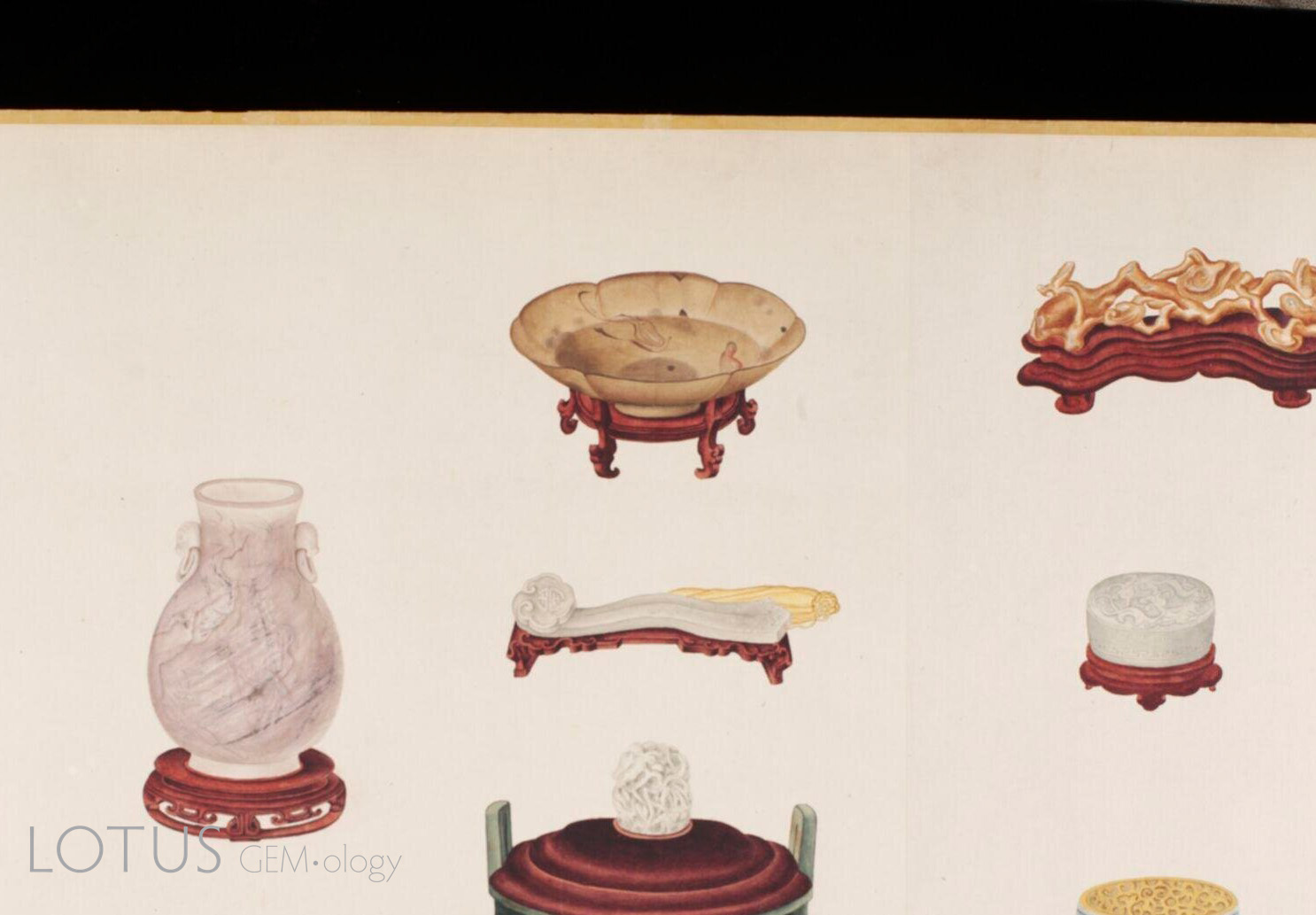 Figure 7. Pictures of Ancient Playthings (detail). China, Qing dynasty, Yongzheng period (1723–1735), dated 1729. Ink and color on paper. 2648 cm long. Victoria and Albert Museum, London, E.59-1911.
Agate vessels bearing a Yongzheng mark survive largely in Qing imperial collections in Beijing and Taipei, except for a one-handled cup and saucer at the Château de Fontainebleau, France (F 1659 C). All exploit the stone’s natural characteristics for maximal visual effect. While some utilize the patterning of the stone (Fig. 1), others highlight its natural translucency (Fig. 8). It is interesting that while some of the patterns and colors may be bold, the classic foliate shapes and scalloped rims were modeled after Song- and Yuan-dynasty ceramics and lacquer. The Yongzheng and Qianlong emperors are known for their ceramic imitations of Song-dynasty wares (Kopplin et al., 2008), and the imperial appreciation for these elegant and classic silhouettes extended to agate carvings, perhaps to package their boldness and beauty in quintessential Chinese forms.
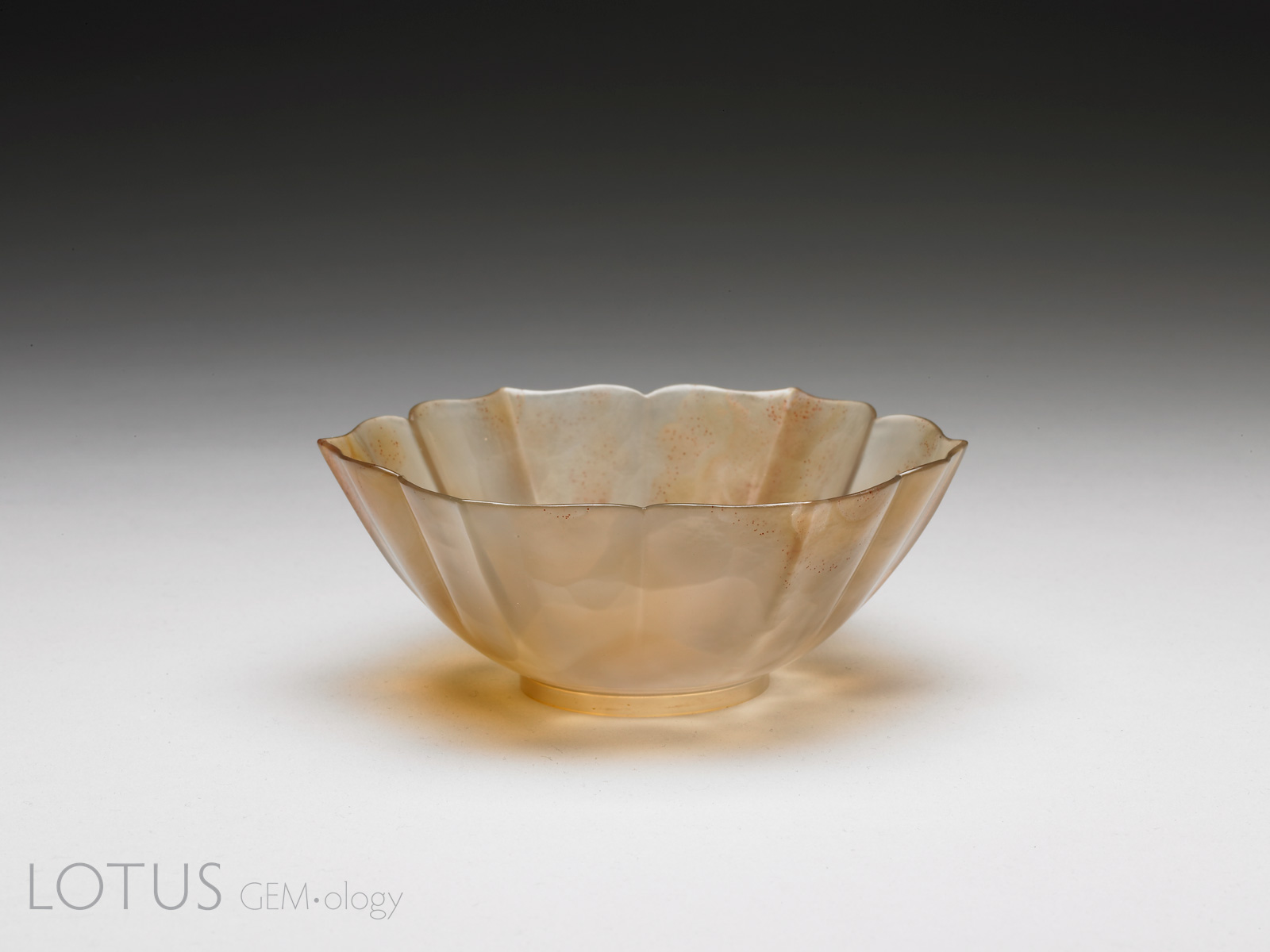 Figure 8. Scalloped bowl. China, Qing dynasty, Yongzheng mark and period (1723–1735). Agate. 11.5 cm diam. National Palace Museum, Taipei, 故雜000325. CC BY 4.0 @ www.npm.gov.tw
Drunken Stones
Aside from vessels, the Yongzheng emperor ordered court artisans to carve agates in a surprising form: pebbles. The spike in agate commissions in 1729, briefly mentioned above, can be attributed to a series of orders to gather, select, carve, and polish hundreds of agates for display in water basins. In May of that year, the Yongzheng emperor issued an order for hardstone carvers to polish one black-and-yellow agate, along with seven patterned agates, and arrange them in a water basin (China First Historical Archives, 2005, 3:538). Later that day, another order was recorded, this time for 28 agates of every color and size, also for display in a water basin. Over the next two months, a series of similar imperial orders were placed, all requiring that agates of every color be used (3:538-628). In certain cases, these colors were explicitly named. While the workshop archives record all types of stones earmarked for consumption at court, none rival the agates in terms of chromatic range, with 20 discrete colors or types listed in that year alone. They included red, yellow, golden (jinhuang se 金黃色), earth-colored (tu se 土色), amber (hupo se 琥珀色), beeswax amber (lapo se 蠟珀色), green, blue, black, white, black and yellow, red and white, variegated red (honghua se 紅花色), and more. As mentioned in the opening of this paper, two entries call for agates the color of “clear sky after rain,” (yuguo tianqing se 雨過天晴色), an evocative name that was also applied to glass objects at the time. In an order for less enticing “gallbladder green” (danqing 膽青) agates, the emperor remarked that green agates were very rare, and ordered the artisans to use small pieces of this stone throughout, showing an interest in variety and a concern for the overall chromatic effect of the basins (3:570). Most of the stones were carved into kidney shapes and highly polished, tasks that an apprentice hardstone carver could perform. Overall, in the summer of 1729, at least 237 agates were carved and polished for arrangement in decorative water basins.
Aside from the colorful agates, other entries provide imperial orders for a total of 388 “stones of every color” of unspecified type, also to be used for water basins (China First Historical Archives, 2005, 3:543, 546–48, 556, 628). This brings our total of stones to 625. One may imagine how the water basins would have intensified the hues of the highly polished stones, just as rocks found on a riverbed always look more enticing than after they have dried out. These records suggest that a multicolor effect was the goal, with the vividness of the stones enhanced by the water.
The practice of displaying polished agates in water basins was not new. In the late Ming period, it was discussed in Wen Zhenheng’s Treatise on Superfluous Things (juan 3):
“Place blue and green [agate stones] in small basins, or distribute within a Xuan-ware white basin, so that they can be appreciated. Their value is very high, and they are not easily obtainable, so there cannot be too many laid out in a studio. Recently I have even seen people place numerous basins in a circle like a store display! I have heard that those collected at Xindu people’s famous Drunken Stone Studio are very abundant yet wonderful. In that land’s mountain streams there are also pure-red and pure-green [agates] that can also be cherished and enjoyed.”
By commissioning these water basin displays, the Yongzheng emperor was therefore following a pre-existing Ming practice, although the number of basins he commissioned was not necessarily as restrained as good literati taste would require—nor was he strictly adhering to the Ming preference for red agates. Perhaps he was aiming for the Drunken Stone Studio’s feeling of wonder through the accumulation of hundreds of brightly colored stones. The basins are also connected to a similar mode of agate display, namely yuhua shi 雨花石, colorful pebbles traditionally found near Nanjing, and often displayed in water. Nanjing’s agate deposits are documented in a gazetteer dated to 1765, which states that red, yellow, and white stones similar to agates could be found north of Yuhuatai, an area after which Yuhua stones were later named (Jiangning xinzhi 1765, juan 8). Perhaps some of the stones for the emperor’s numerous water basins were indeed sourced from the vicinity of Nanjing, but the sheer variety of agates described in the workshop entries points to a wider array of possible origins.
Although the basins commissioned by the Yongzheng emperor have not been preserved, an intriguing trace of their existence survives in the form of a basin made with cloisonné enamels (Fig. 9). In a departure from the traditional cloisonné technique, which favors inlaying only one color per copper-wire enclosure, the artisan has replicated the multicolored nature of agate pebbles by inserting several colored enamels within each enclosure, and created diversity by not repeating the visual aspect of each stone too many times. This object, which is datable to the Yongzheng period, serves as a material echo of the water basins filled with bright and colorful agates gathered from near and far and displayed around Qing palaces.
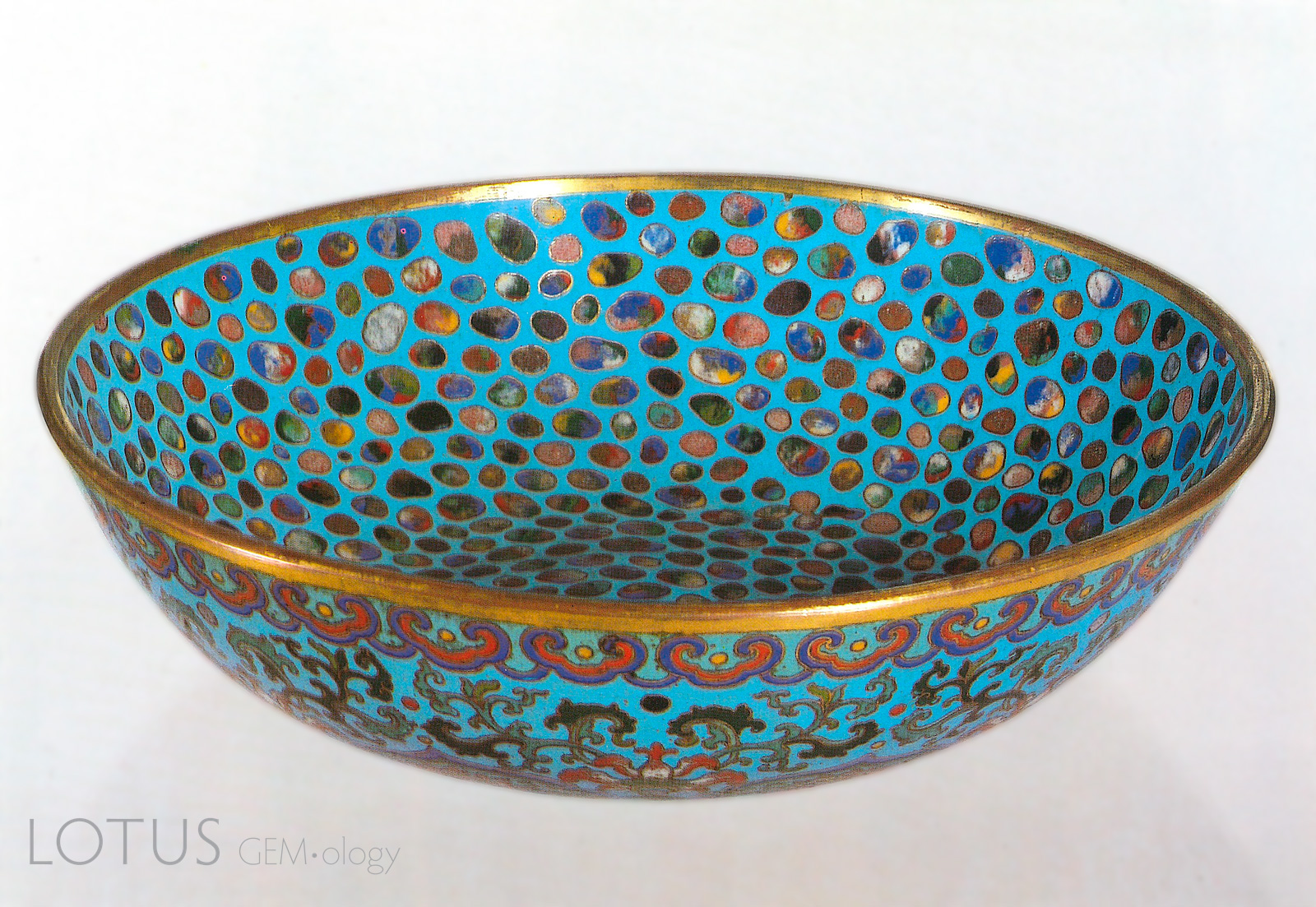 Figure 9. Basin. China, Qing dynasty (1644–1911), circa 1700-1750. Cloisonné enamels. 30.8 cm diam. Pierre Uldry Collection, Switzerland. Image from Brinker, H., & Lutz, A. (1989), Chinese Cloisonné: The Pierre Uldry Collection, Asia Society Galleries & Bamboo Pub., London, cat. 240.
Conclusion
This paper has explored the material qualities of agate and how they were discussed in early modern Chinese writings and has drawn from a broad scope of archival sources to inventory the possible mining sites for agates that reached the Qing court. Imperial workshop supervisors and carvers recorded the variety of colors and patterns of the agates that came into their purview. High-level analysis of the archives of the imperial workshops revealed that the Yongzheng emperor engaged more intensely with this material than his successor. During his relatively short twelve-year reign, he reviewed the imperial collection’s agate holdings, commissioned a wide range of elegantly shaped vessels, colorful beads, decorative carvings, as well as water basins filled with glistening “drunken stones.”
These commissions coincided with territorial expansion into Inner Asia, as new access to mineral deposits might have led to an increased—and more colorful—agate supply at the court’s disposal. Further research into agate carvings might consider the scientific analysis of objects in museum collections, especially those with Qing imperial marks, to trace them with more certainty to specific mines. Given that the range of agate colors recorded in the workshop archives reflects a variety of geographic origins, the wide array of agate colors may be pointing to Qing territorial expansion and an increased capacity for the extraction of mineral resources. As Gu Tai noted in the seventeenth century, agate is “neither jade nor stone;” it is a material that lies outside of categories, or on their borders. Agate carvings commissioned by Qing emperors are not only luminous and wonderfully chromatic—their high polish carries a haptic appeal. We might, then, think of agates from the Qing borderlands not only as foreign curios, but as tangible evidence of imperial reach.

About the Author
Dr. Julie Bellemare is Curator of Early Modern Glass at the Corning Museum of Glass in New York. Before joining the Museum, Bellemare held the role of Jane and Morgan Whitney Postdoctoral Fellow, Asian Art, at the Metropolitan Museum of Art. Specializing in Chinese material culture, she holds a PhD in Decorative Arts, Design History, Material Culture from Bard Graduate Center and a Master’s in the History of Art and Visual Culture from the University of Oxford. She has also held research positions at the National Museum of Asian Art and the Brooklyn Museum and has published widely on global decorative arts of the 18th century.
Acknowledgements
This research was conducted in 2021–2022 under a Jane and Morgan Whitney Postdoctoral Fellowship at the Metropolitan Museum of Art. I am grateful to Pengliang Lu and Jason Sun for providing access to collections, and to members of my cohort for their help and feedback on this project. Béatrice Quette and Claire Déléry provided access to collections in Paris and valuable research guidance. I am also thankful to participants of the February 2022 China Project Workshop for their compelling insights, and to Lisbet Thoresen for her collegiality and encouragement.
Notes
First published in the Journal of Gems & Gemmology in May 2026.
References
- Anonymous (2006). 大清五朝會典 [Statutes of the Five Reigns of the Great Qing]. [in Chinese], Beijing: Xianzhuang shuju., 22 Vols.
- Bellemare, J. (2023). Ortai, the Yongzheng Emperor, and the multicolored world of China’s southwestern frontier. Journal of Chinese History, Vol. 7, No. 1, pp. 101–124.
- Bishop Collection, Bishop, H. R., Bushell, S. W., Lilley, R., Hayashi, T., & De Vinne Press. (1906). The Bishop collection. Investigations and studies in jade (G. F. Kunz, Ed.). Priv. Print. [The De Vinne Press], Vol. 1, 277 pp.
- Cao Zhao 曹昭, active 14th century. 格古要論 [Essential Criteria for Antiquities]. [in Chinese] 12 juan. Siku quanshu edition. <https://ctext.org/wiki.pl?if=en&res=588963>, accessed 11 March 2025.
- Chen Yuxiu 陳玉秀, (2009).旋雲飛霞-談雍正朝瑪瑙的鑑賞 [Whirling clouds and floating dawn mists: The connoisseurship of agates in the Yongzheng Era]. [in Chinese],故宮文物月刊 [National Palace Museum Monthly], Vol. 319, No. 10, pp. 84–91.
- China First Historical Archives [中國第一歷史檔案館編], (1989). 雍正朝漢文硃批奏摺彙編 [Collected Chinese-Language Memorials of the Yongzheng Period]. [in Chinese], Nanjing: Jiangsu Guji Chubanshe, 40 Vols.
- China First Historical Archives [中國第一歷史檔案館編], Chinese University of Hong Kong Art Museum [香港中文大學文物館], (2005). 清宮內務府造辦處檔案總匯 [Collected Archives of the Qing Imperial Workshops]. [in Chinese], Beijing: Renmin Chubanshe, 55 Vols.
- Chinese University of Hong Kong Art Museum [香港中文大學文物館], Zou Jixin 鄒紀新, Huo Youguang 霍有光, (2000). 絢麗晶瑩: 淘石齋所藏中國古代水晶瑪瑙器 [Sparkling Splendours: The Art of Ancient Chinese Carvings on Rock Crystal and Agate, the Taoshi Zhai Collection]. [in Chinese], Chinese University of Hong Kong Art Museum, 285 pp.
- Dong Qichang 董其昌 (1555–1636), “筠軒清悶錄三卷[Record of Clearing Low Spirits on the Bamboo Carriage]” (3 juan), [in Chinese], in叢書集成新編 [Newly Compiled Collection of Books] (Taipei City: Xinwenfeng, 民75 [1986]), Vol. 50, pp. 298–309.
- 甘肅通志 [Gansu General Gazetteer]. [in Chinese] dated to the Qianlong period (1736–1795), 50 juan, n.p.
- 廣東通志 [Guangdong General Gazetteer]. [in Chinese], dated to the 36th year of the Kangxi reign (1697), 30 juan, n.p.
- Gugong bowuyuan (2013).故宮博物院藏清宮陳設檔案 [Qing Court Display Archives of the Palace Museum]. [in Chinese], Beijing: Gugong Chubanshe, 45 Vols.
- Gu Tai 谷泰 (dates unknown), “博物要覽十二卷 [General Review of Artifacts],” (12 juan). [in Chinese], in 叢書集成新編 [Newly Compiled Collection of Books] (Taipei City: Xinwenfeng, 民75 [1986]), Vol. 50, pp. 360–387.
- Ingold, T. (2013). Making: Anthropology, Archaeology, Art and Architecture. London: Routledge, 163 pp.
- >江寧新志 [New Jiangning Gazetteer]. [in Chinese], (1765). 30th year of the Qianlong reign, 26 juan, n.p.
- Knight, M., Abbe, M., Bartholomew, T.T. and He, L. (2007) Later Chinese Jades: Ming Dynasty to Early Twentieth Century from the Asian Art Museum of San Francisco. San Francisco: Asian Art Museum—Chong-Moon Lee Center for Asian Art and Culture, 366 pp.
- Kopplin, M., Crick, M., Frick, P., Chŏng, S.-s., Kuhn, D., Nicholson, J., Museum für Lackkunst (Münster, Germany), & Fondation Baur, musée des arts d’Extrême Orient. (2008). The Monochrome Principle: Lacquerware and Ceramics of the Song and Qing Dynasties. Hirmer Verlag, 187 pp.
- 口北三廳志 [Koubei Third Hall Gazetteer]. [in Chinese], (1758), 23rd year of the Qianlong period, 16 juan, n.p.
- >Mao Keming 毛克明, List of tribute from Guangdong. [in Chinese]. Dated to the 11th year of the Yongzheng reign, 2nd month, 23rd day (equivalent to 1733). 04-01-30-0423-129, China First Historical Archives, Beijing, China, n.p.
- Park et al., (2015). Quantitative mapping of trace elements in agate using LA-ICP-MS, Journal of Analytical Science and Technology, Vol. 6, No. 37, 8 pp.
- Pye, D. (1968). The Nature and Art of Workmanship. Cambridge: Cambridge University Press, 143 pp.
- Schlesinger, J. (2017). A World Trimmed with Fur: Wild things, Pristine Places, and the Natural Fringes of Qing Rule. Stanford, CA: Stanford University Press, 288 pp.
- 四川通志 [Sichuan General Gazetteer]. [in Chinese], dated to the Yongzheng period (1723–1735), 47 juan, n.p.
- Smith, P. H. (2004). The Body of the Artisan: Art and Experience in the Scientific Revolution. Chicago: University of Chicago Press, 367 pp.
- Wen Zhenheng 文震亨. (ca. 1620–1627).長物志 [Treatise on Superfluous Things], [in Chinese], (12 juan). Siku quanshu edition. <https://ctext.org/wiki.pl?if=gb&res=846251>, accessed 11 March, 2025.
- Wu, Y. (2019). Chimes of Empire: The Construction of Jade Instruments and Territory in Eighteenth-Century China. Late Imperial China, Vol. 40, No. 1, pp. 43–85.
- 西寧府新志 [Xining new prefecture gazetteer] [in Chinese], (1755). 30th year of the Qianlong reign, 40 juan, n.p.
- >雅州府志 [Yazhou Prefecture Gazetteer] [in Chinese], (1739). 4th year of the Qianlong reign, 16 juan, n.p.
- 沂州府志 [Yizhou Prefecture Gazetteer] [in Chinese], (1750). 25th year of the Qianlong reign, 36 juan, n.p.
- 永昌府志 [Yongchang Prefecture Gazetteer] [in Chinese], (1702). 40th year of the Kangxi reign, 26 juan, n.p.