
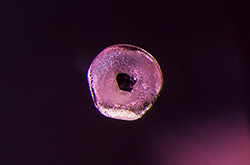
Spinel Inclusions — Beyond Octahedra
A look into the world of spinel inclusions that goes beyond simple octahedral crystals.
A look into the world of spinel inclusions that goes beyond simple octahedral crystals.
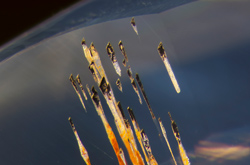
Surface-reaching growth tubes in a sapphire provide insight into the gem’s origin and treatment history.
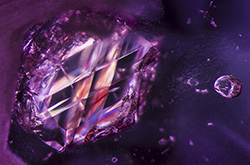
An included calcite crystal within an unheated Burmese ruby displays dramatic twinning planes.
At the Lotus Gemology laboratory in Bangkok, we often get parcels of relatively uniform stones. But sometimes it is in this routine testing that we uncover surprises.
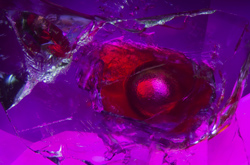
A ruby’s surface-reaching cavity is filled with red oil.
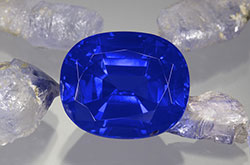
This excerpt from Ruby & Sapphire: A Gemologist's Guide (2017) details the ruby and sapphire deposits of Madagascar. Since the mid-1990s, Madagascar has become one of the world's most important sources.
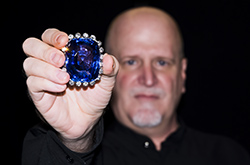
Developing a comprehensive colored stone grading system has been the dream of gemologists since the late 1970's, but despite a number of valient attempts, we are no closer to the goal today than we were four decades ago. This article examines the various problems of colored stone grading, explaining why the challenges are at least an order of magnitude greater than the grading of diamonds.
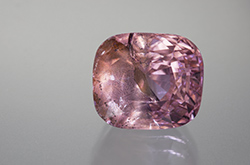
An orangish pink “padparadscha” sapphire was submitted for testing at Lotus Gemology’s Bangkok laboratory. Testing showed a number of conflicting features that suggested the gem was a cleverly treated synthetic pink sapphire designed to imitate natural padparadscha.
For those who wish to explore the literature of inclusions in gemstones further, we have selected the following articles and books that are of particular merit. Most of these are cited in the Lotus Gemology Hyperion Inclusion Database, and all can be found in our full Four Treasures Reference Database, but are listed below in a more convenient summary format. Many of the links will allow you to download a PDF copy of the original article.
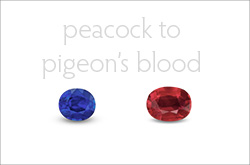
บทคัดย่อเรื่องการจำแนกสีทับทิมและแซฟไฟร์ ที่ใช้ในโลตัสเจมโมโลจี