Explore books, articles and historical sources on jade in Four Treasures, the Lotus Gemology reference database. This bibliography brings together matching records from the collection, with publication details, abstracts and cover images where available.
Jade References
The list below matches the terms jade, jadeite, nephrite or Fei Cui in the database's searchable fields. Some references discuss these materials as part of a broader subject.
3,721–3,740 of 3,746 matching references
Notes on the productive capacities of the Shan countries, North and East of Ava, their arts and manufactures; with a short account of the town of Bamo, as seen in January, 1836, and its trade with China and the lower Irrawaddy
Book Section
Hannay, S.F., Capt. (1857) Notes on the productive capacities of the Shan countries, North and East of Ava, their arts and manufactures; with a short account of the town of Bamo, as seen in January, 1836, and its trade with China and the lower Irrawaddy. In: Selections from the Records of the Bengal Government, Calcutta, 1853–1900, Calcutta: Calcutta Gazette Office, pp. 9–19, jade see p. 11.
Record No. 29475 | Sinkankas/Born No.: NIS/NIB | not seen
An account of the economic resources, arts, manufactures, and commerce of the Shan territories north and east of Ava in Burma (Myanmar), based on Captain S. F. Hannay’s travels and observations, including his visit to Bhamo in January 1836. Hannay describes local products, industries, trade routes, and the important commerce between Bhamo, China, and the lower Irrawaddy. Of particular gemological interest is the reference on p. 11 to precious stones and mineral products among the commodities and resources of the region. The paper provides valuable firsthand evidence for nineteenth-century trade networks linking the mineral- and gem-producing regions of northern Burma with China and the wider Burmese economy.
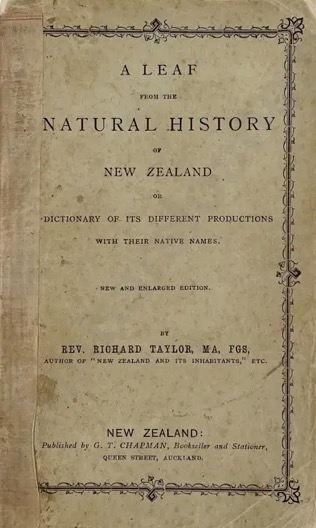
Taylor, R. and Victoria University of, W. (1848)A Leaf from the Natural History of New Zealand, or, A Vocabulary of its Different Productions, &c., &c., with their Native Names. Wellington, N.Z., Robert Stokes
Record No. 7847 | Sinkankas/Born No.: NIS/NIB | not seen
Reference copied to clipboard!
gems, jade, amphibole jade, nephrite, New Zealand, punamu, Maori, Fischer
A compact natural-history vocabulary of New Zealand, listing plants, animals, minerals, and other natural productions together with their Māori names and brief descriptive notes. Taylor intended the work as a practical reference to the country’s indigenous natural resources and terminology. Of gemological interest are entries concerning New Zealand stones and minerals, including materials used by Māori for tools, ornaments, and other objects, making the work useful for the early documentation of native mineral names and the cultural use of stone in New Zealand.
Analyse du jade oriental, réunion de cette substance à la trémolite
Analysis of Oriental jade, the association of this substance with tremolite
Journal Article
Damour, A. (1846) Analyse du jade oriental, réunion de cette substance à la trémolite. [Analysis of Oriental jade, the association of this substance with tremolite]Bulletin Société minéralogique de France, Vol. 4, pp. 156–160.
Extremely important article on the first scientific analysis of nephrite jade from China. Reports Damour’s chemical analysis of Oriental jade and his conclusion that the material is mineralogically a compact variety of tremolite. He compares its chemical composition and physical properties with tremolite and discusses the evidence for uniting the two substances rather than treating jade as a separate mineral species. The paper is important in the history of jade mineralogy because it established the tremolitic nature of what would later be termed nephrite and formed an essential precursor to Damour’s subsequent recognition that another type of jade, jadeite, was a chemically and mineralogically distinct material.
Qú, Z. (1832)Illustrated Catalogue of Jades. [奕載堂古玉圖錄 (Yizaitang Gu Yu Tu Lu)], 6 juan; 365 jade objects
Record No. 16502 | Sinkankas/Born No.: NIS/NIB | Language: in Chinese | not seen
Reference copied to clipboard!
gems, jade, Fischer-Book, China, Chinese jade
An illustrated catalogue of ancient Chinese jade objects compiled by Qu Zhongrong [瞿中溶] in 1832. Yizaitang Gu Yu Tu Lu [奕載堂古玉圖錄] presents 365 jade objects in six juan, with drawings and descriptive notes intended to document their forms, types and antiquarian significance. The work belongs to the Qing tradition of collecting and studying archaic jades and provides valuable evidence for early nineteenth-century Chinese connoisseurship, classification and interpretation of ancient jade. Although compiled in 1832, the work remained in manuscript and was first printed in 1930.
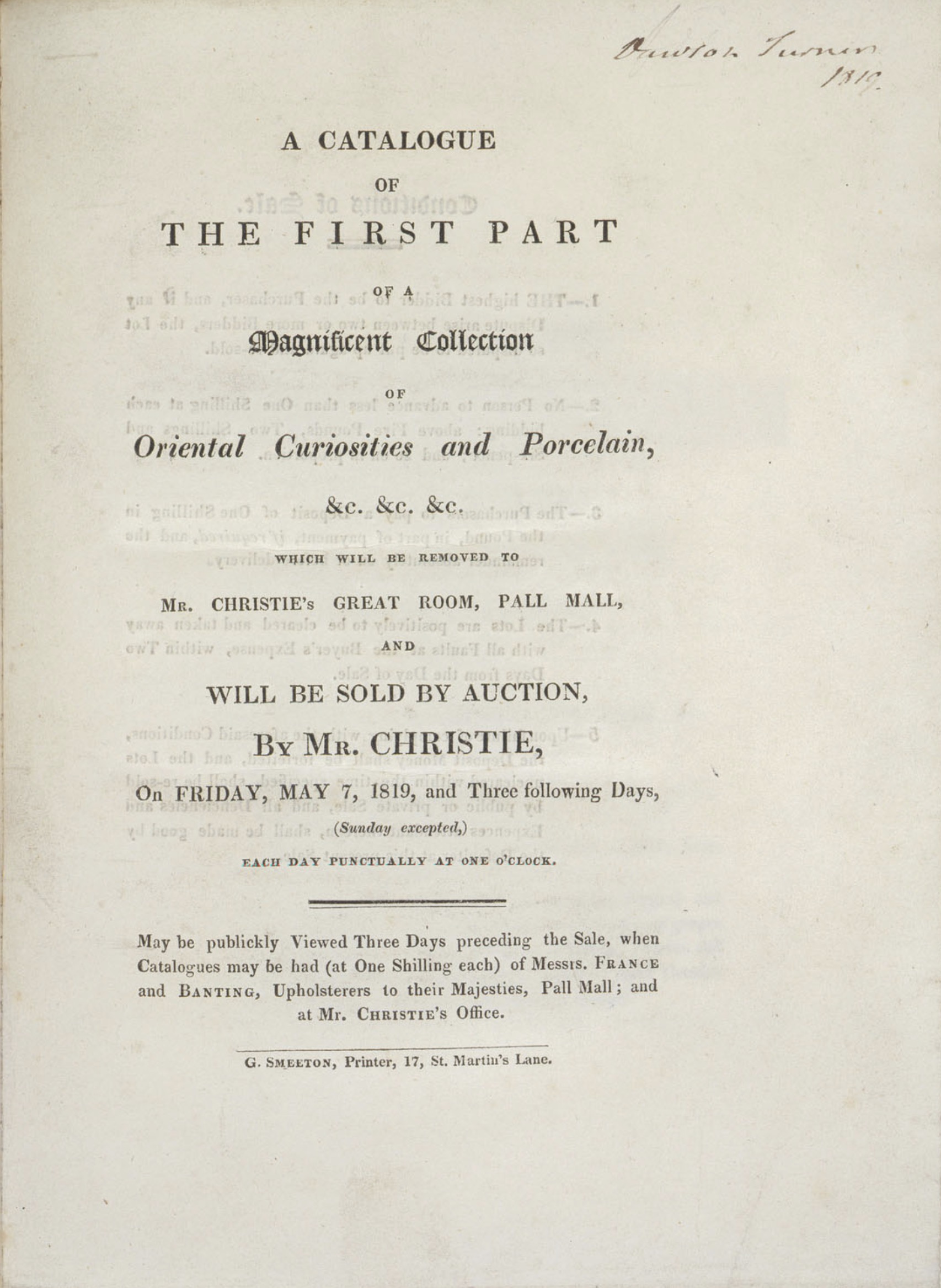
Christie (1819)A Catalogue of the First Part of a Magnificent Collection of Oriental Curiosities and Porcelain, etc. London: Christie’s, 7 May
Record No. 7857 | not seen
Reference copied to clipboard!
gems, jade
Ming Wilson mentions this catalog in her 2024 lecture to the Oriental Ceramic Society, where the word “jad” appears, the first known reference to “jade” in the English language. The second part was entitled: A Catalogue of the Remaining Part of a Valuable Collection of Curiosities… (24 May 1819)
Dissertatio inauguralis medica de lapide amazonico in epilepsiae sanatione adhibendo
Inaugural medical dissertation on the Amazonian stone to be used in the treatment of epilepsy
Book
Schroeder, E.L. (1818)Dissertatio inauguralis medica de lapide amazonico in epilepsiae sanatione adhibendo. [Inaugural medical dissertation on the Amazonian stone to be used in the treatment of epilepsy] Göttingen, see pp. 8–9
Record No. 7090 | Sinkankas/Born No.: NIS/NIB | Language: in Latin | not seen
Reference copied to clipboard!
gems, jade, Fischer-Book
An early nineteenth-century medical dissertation concerned with the so-called Amazonian stone (lapis amazonicus) and its supposed use in the treatment of epilepsy. Schroeder discusses the material within the older medical tradition in which certain stones and minerals were credited with therapeutic powers, especially against convulsive disorders. Of particular interest to gemological history, the work preserves the historical medicinal associations attached to the “Amazon stone,” a term whose exact mineralogical identification in this context should not be assumed without examining the dissertation itself. The study is useful as evidence for the persistence of lapidary medicine into the early nineteenth century, even as mineralogy was becoming increasingly scientific.
Illustrated Catalogue of Ancient Jades
古玉圖譜一百卷
Book
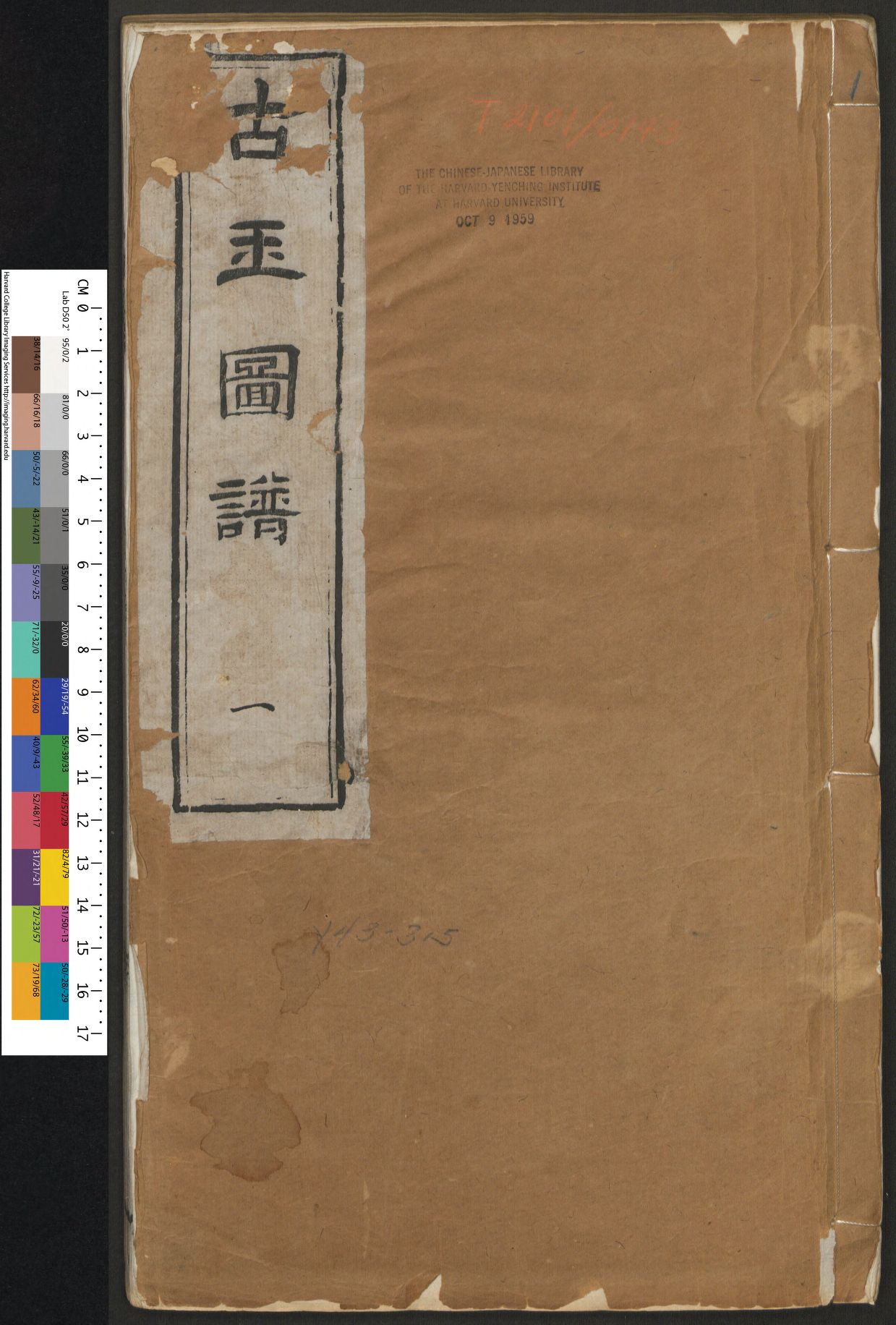
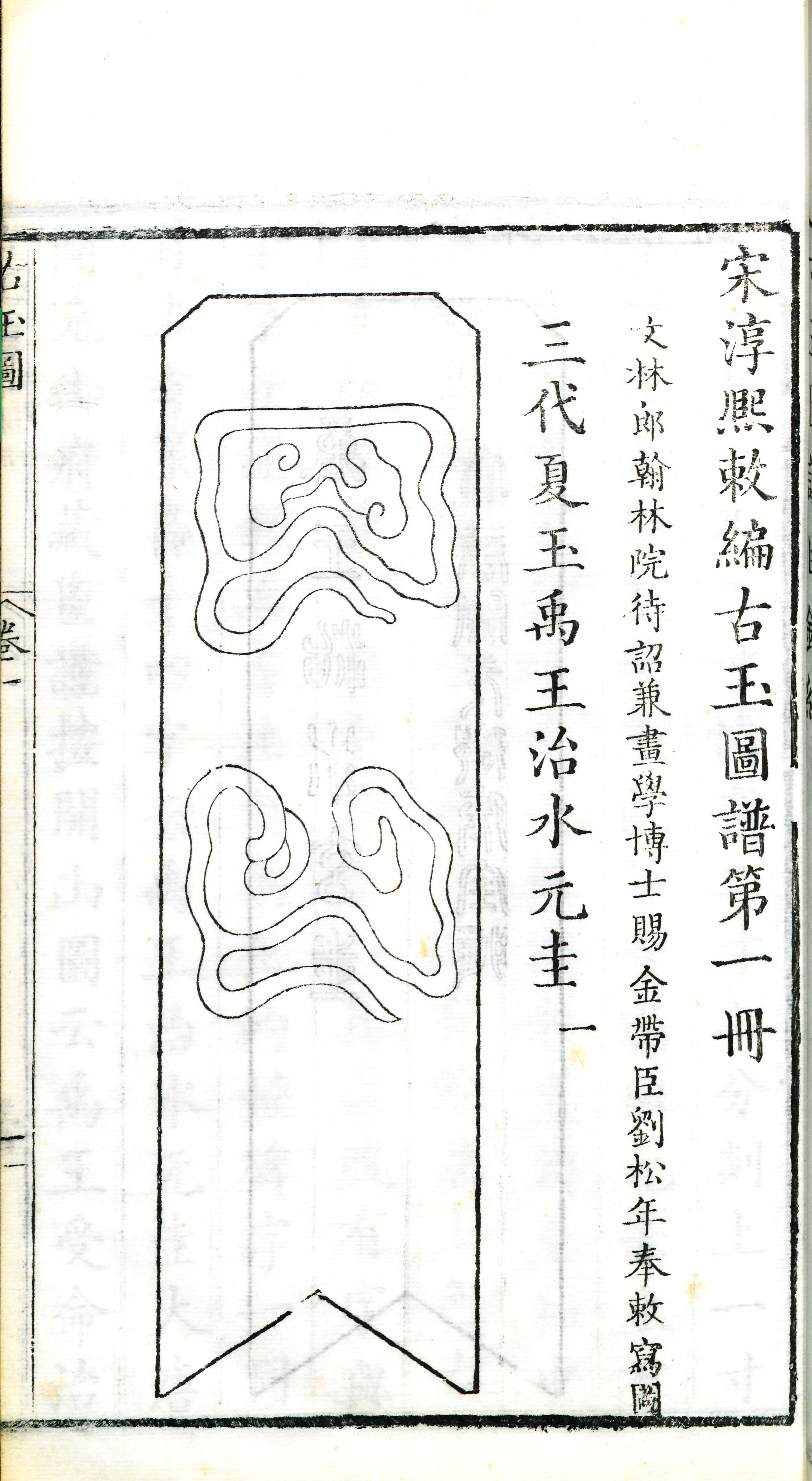
Jiang, C. (1779)Illustrated Catalogue of Ancient Jades. [古玉圖譜一百卷]
Record No. 7171 | Sinkankas/Born No.: NIS/NIB | Language: in Chinese | not seen
Reference copied to clipboard!
gems, jade, amphibole jade, nephrite, China, Chinese jade, archaic jade
This voluminous book was purportedly claimed to be a catalogue of jades from the imperial collection of the Emperor Xiaozong 孝宗 (1127-1194) of the Southern Song dynasty, but it is considered by scholars as a forgery published by Jiang Chun 江春 in 1779. Although this multi-volume set contains some incorrect information, it includes a detailed description for each object and thus is still regarded as a useful reference book for the study of Chinese jades.
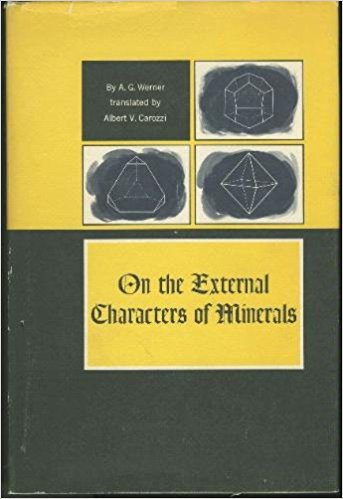
A foundational work in descriptive mineralogy by Abraham Gottlob Werner, establishing a systematic vocabulary for identifying minerals from their observable external characteristics. Werner describes such properties as color, lustre, transparency, crystal form, fracture, cleavage, hardness, specific gravity and tactile characteristics, and provides standardized terminology for recording them. Rather than being a catalogue of mineral species, the book sets out a practical method for their description and recognition, including precious stones and other minerals then commonly termed “fossils.” The work was highly influential in European mineralogy and helped establish careful macroscopic observation as a fundamental method of mineral identification before chemical analysis and crystallography became dominant.
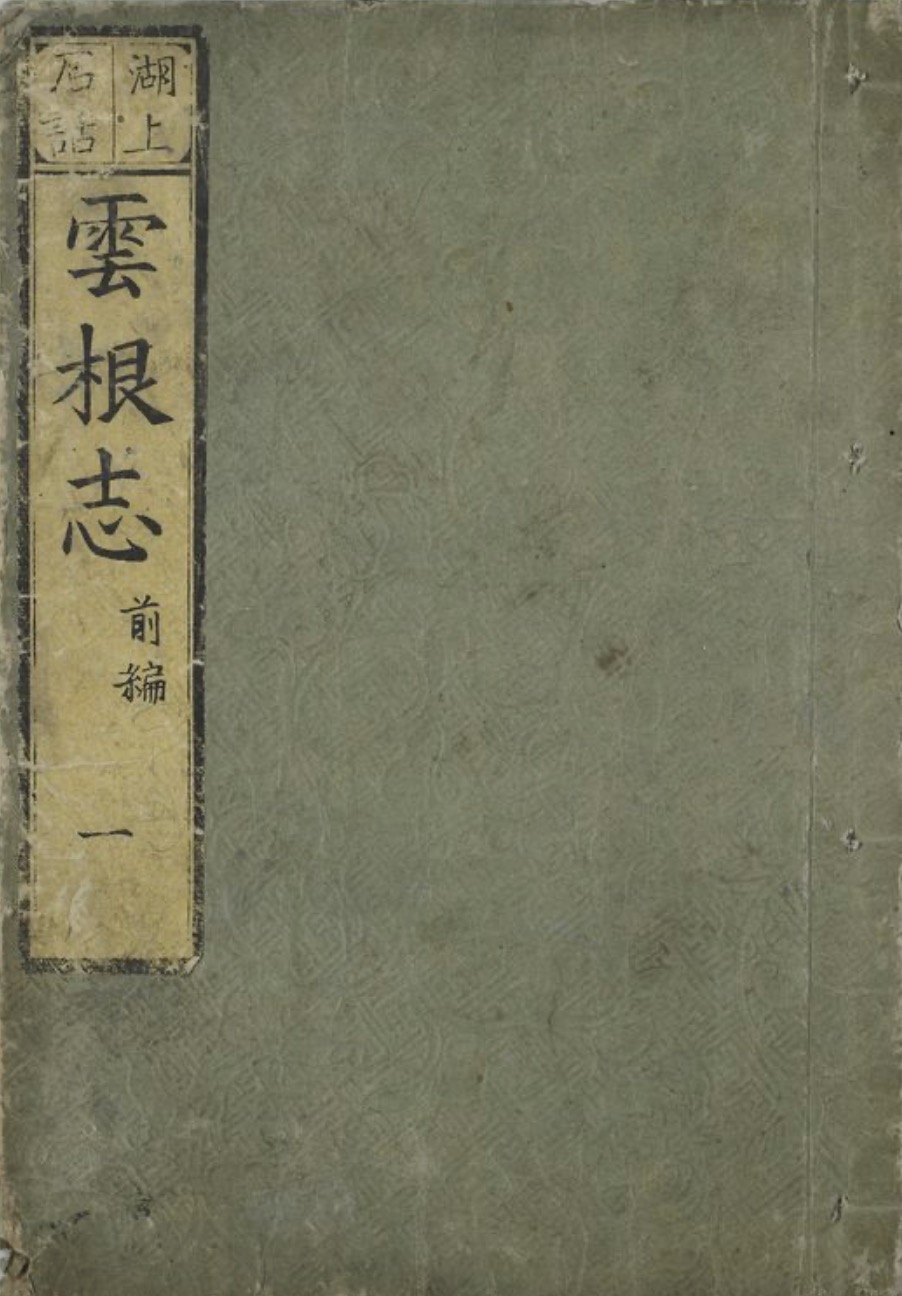
Kiuchi, S. (1773)Unkonshi • Lake Stone Story Unneshi. [ウンコンシ] Osaka, Mohei Suharaya, 3 Vols., 15 books in 3 vols.
Record No. 6808 | Sinkankas/Born No.: NIS/NIB | not seen
Reference copied to clipboard!
gems, jade, pyroxene jade, jadeite, fei cui, omphacite, kosmochlor, Japan
An important early Japanese work on stones, minerals, fossils and related natural objects by Kiuchi Sekitei (木内石亭, 1725–1808), one of Japan’s pioneering students and collectors of minerals. Unkonshi (雲根志, literally “Records of Cloud Roots,” an old literary expression for stones) describes and classifies a wide variety of stones collected or reported from Japan, combining direct observation with information from Chinese and Japanese literature, folklore and traditional natural history. The work records physical characteristics, localities, names, uses and unusual properties of stones and includes gemstones and ornamental materials among its subjects. Issued in successive parts beginning in 1773 and eventually comprising 15 books, Unkonshi is a major source for the history of Japanese mineralogy and stone collecting before the introduction of modern Western mineralogical classification. Contains the first mention of worked jade in Japan.
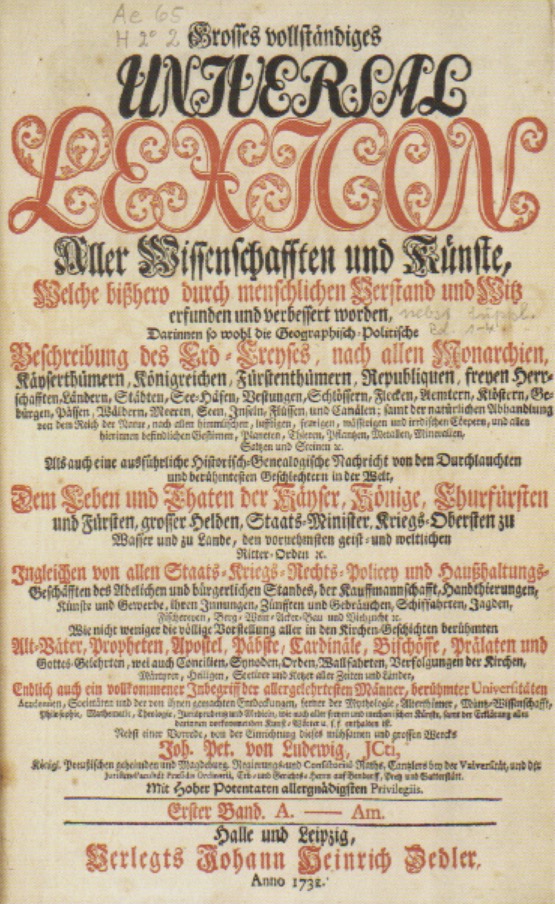
Universal-Lexicon
Universal Lexicon
Book
Zedler, J.H. (1732–1735)Universal-Lexicon. [Universal Lexicon] Halle-Leipzig, 68 Vols., see “Pierre divine” Vol. 11, 1735, p. 912; “Jade”, Vol. 14, 1735, pp. 123–124
Record No. 7111 | Sinkankas/Born No.: NIS/NIB | Language: in German | not seen
Reference copied to clipboard!
gems, jade, Fischer-Book
Johann Heinrich Zedler’s Grosses vollständiges Universal-Lexicon aller Wissenschafften und Künste is one of the largest encyclopedias published in 18th-century Europe, ultimately comprising 64 main volumes and four supplements. Its alphabetically arranged articles encompass history, geography, biography, theology, medicine, natural history, commerce, crafts, and the sciences, synthesizing information from a wide range of earlier authorities. Of particular interest to gemologists are its numerous entries on precious stones, minerals, their supposed medicinal properties, and lapidary terminology. The entry “Jade” (Vol. 14, 1735, pp. 123–124) reflects contemporary European understanding of jade and its properties and uses, while “Pierre divine” (Vol. 11, 1735, p. 912) documents the medicinal stone associated with early modern therapeutic traditions. The encyclopedia is consequently a valuable source for tracing 18th-century European gemstone nomenclature, mineralogical knowledge, and surviving beliefs concerning the medical virtues of stones.
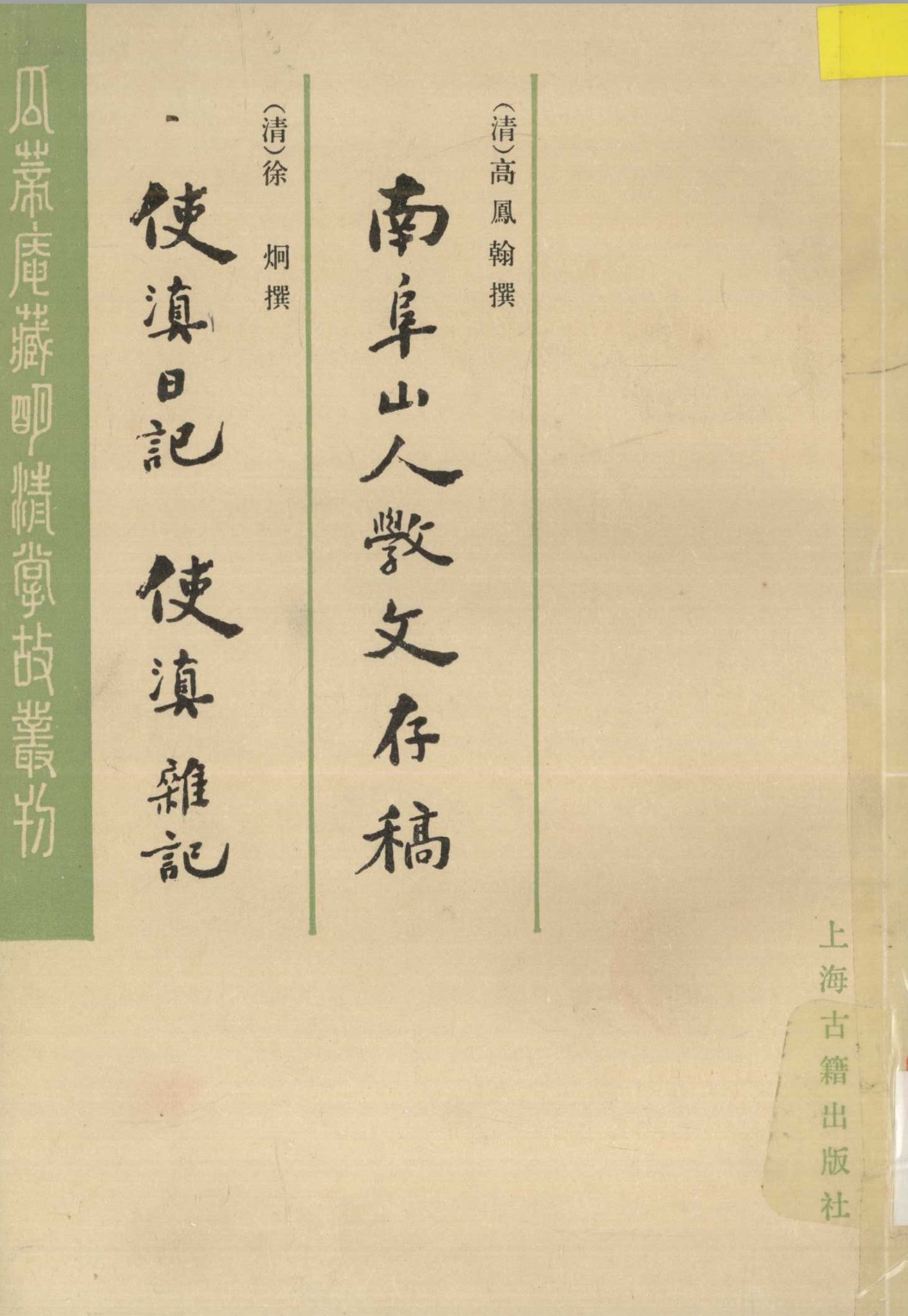
Shi Dian Zaji (Miscellaneous Notes on a Mission to Yunnan)
使滇雜記
Book
Xu, J. (1687–1688)Shi Dian Zaji (Miscellaneous Notes on a Mission to Yunnan). [使滇雜記], 1 juan (scroll)
Record No. 16779 | Sinkankas/Born No.: NIS/NIB | Language: in Chinese | not seen
Xu Jiong’s Shi Dian Zaji [使滇雜記; Miscellaneous Notes on a Mission to Yunnan] is a short record compiled from observations made during his official journey to Yunnan in 1687–1688 during the early Qing dynasty. The single-juan work records places, routes, local customs, products, natural resources, and other matters encountered during the mission, providing a contemporary view of Yunnan and its connections with regions farther southwest. It is of particular interest to the history of gems because Yunnan, especially the routes through Tengyue toward Burma, subsequently became the principal Chinese gateway for Burmese jadeite and other precious materials. The work is therefore useful as an early Qing source for the geographical and commercial setting in which the Yunnan–Burma gem trade developed. Sun Licheng: Contains a brief comment on gems produced in Burma. Xu Jiong was sent by the Qing emperor to Yunnan in 1687–1688. The Shi Dian Zaji is a compilation of his travel notes.
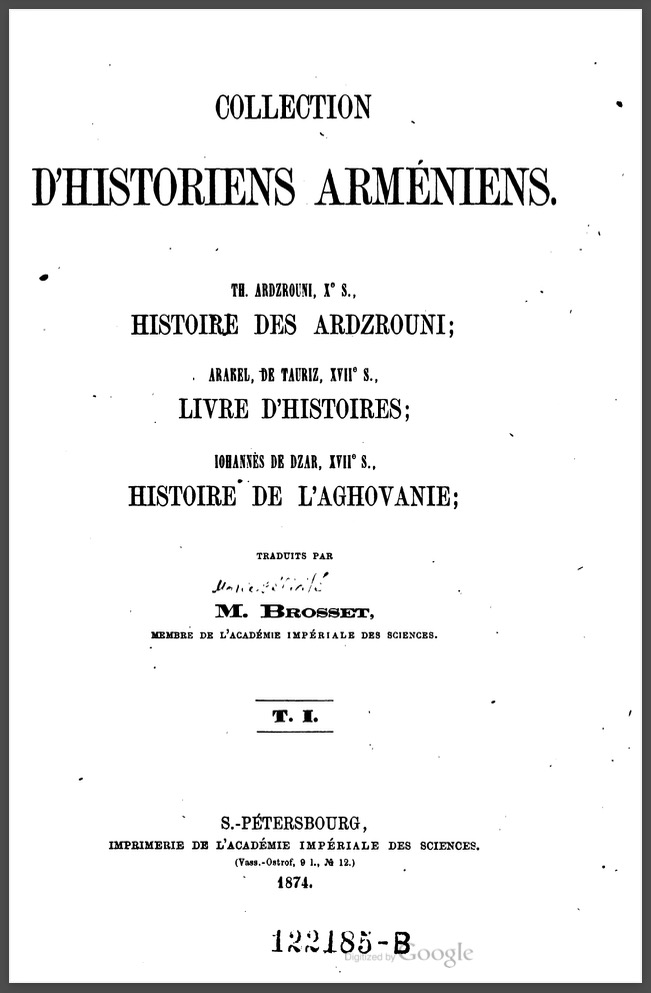
Histoire moderne du pays d’Ararad
Modern History of the Country of Ararad
Book
Tauriz, A.h., de [Aṙakʿel of Tabrīz] (1668)Histoire moderne du pays d’Ararad. [Modern History of the Country of Ararad] Amsterdam, (see p. 561)
Record No. 7096 | Sinkankas/Born No.: NIS/NIB | Language: in French | not seen
Reference copied to clipboard!
gems, jade, Fischer-Book, Abel-Rémusat
Arakʿel of Tabriz’s Histoire moderne du pays d’Ararad is a 17th-century Armenian chronicle describing Armenia and neighboring regions during the turbulent period of Ottoman–Safavid conflict, particularly the reign of Shah ʿAbbās I and its aftermath. Written by the Armenian cleric and historian Aṙakʿel Dawrižecʿi (Arakʿel of Tabriz), the work records wars, forced migrations, famines, political and religious affairs, Armenian communities and monasteries, trade, and relations with Persia and the Ottoman Empire. It is especially valuable because the author was close in time to many of the events described and incorporated eyewitness testimony and contemporary documentary information. Of gemological interest, the passage cited on p. 561 contains information concerning precious stones or their trade, contributing evidence for the circulation and appreciation of gems within the commercial networks linking Persia, Armenia, and neighboring regions in the 17th century.
Lapis nephriticus, von dem edlen Griesstein feiner wunderbaren Art, Kraft, Würkung und Gebrauch
The Nephritic Stone: Of the Noble Gravel Stone’s Wonderful Nature, Power, Effect, and Use
Book
Anonymous (1636)Lapis nephriticus, von dem edlen Griesstein feiner wunderbaren Art, Kraft, Würkung und Gebrauch. [The Nephritic Stone: Of the Noble Gravel Stone’s Wonderful Nature, Power, Effect, and Use] Augsburg
Record No. 29449 | Sinkankas/Born No.: NIS/NIB | Language: in Latin | not seen
Reference copied to clipboard!
gems, jade, Fischer-Book
Lapis nephriticus, von dem edlen Griesstein seiner wunderbaren Art, Kraft, Würkung und Gebrauch is a seventeenth-century German treatise devoted to the nephritic or “kidney stone,” describing its nature, remarkable properties, effects, and use. The work concerns the stone known in early modern Europe as lapis nephriticus, valued principally for its supposed ability to prevent or relieve kidney stones and other disorders of the kidneys and urinary tract, often through being worn against the body rather than administered internally. It belongs to the medical and lapidary tradition that associated particular stones with specific organs and diseases. The treatise is of particular importance to the history of jade because lapis nephriticus became closely associated with the material later mineralogically defined as nephrite, and its reputed action on the kidneys ultimately gave nephrite its modern name.
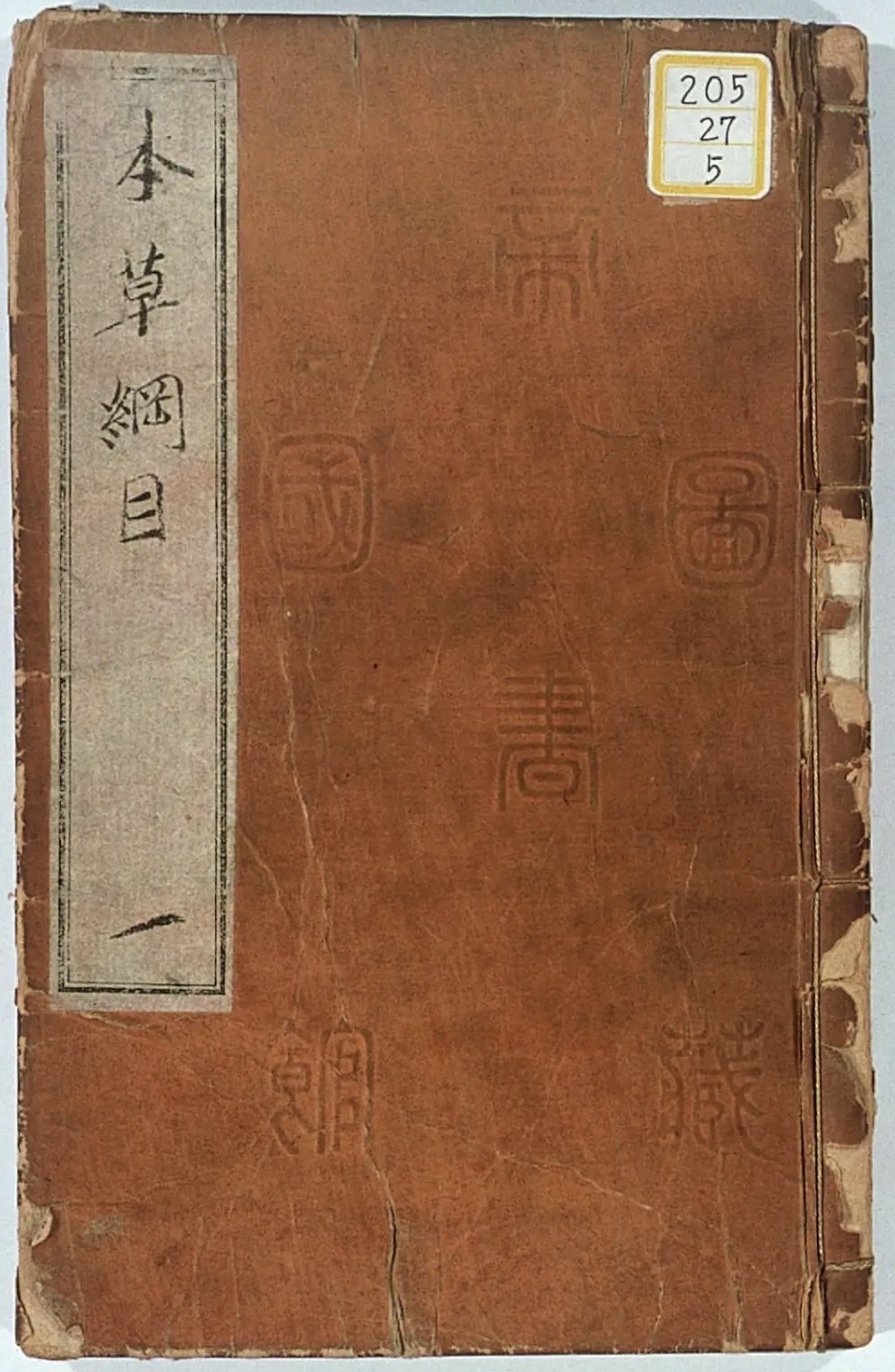
Li, S. (1596; Ming Dynasty)Compendium of Materia Medica. [本草纲目], 52 juan. + 2 juan
Record No. 16549 | Sinkankas/Born No.: NIS/NIB | Language: in Chinese | not seen
Reference copied to clipboard!
gems, jade, China, Adam, Chinese jade books, jade lore, Fischer-Chinese
This monumental pharmacological work not only records information about plants and animals but also includes the medicinal value of jade and its related cultural history. 本草纲目” (Běn Cǎo Gāng Mù), translated as “Compendium of Materia Medica” or “Bencao Gangmu”, is a comprehensive Chinese medical text written by Li Shizhen (李时珍) during the Ming dynasty. First published in 1596, it is one of the most important and influential works in the history of Chinese medicine. The Bencao Gangmu provides detailed descriptions of more than 1,800 medicinal substances, including plants, minerals, and animal products, as well as their uses, properties, and potential medical benefits. It categorizes these substances into various classes and provides information on their therapeutic applications, preparation methods, and other relevant aspects of traditional Chinese medicine. The text has been regarded as a landmark work in pharmacology, offering insights not only into medicine but also into the cultural and natural history of China. It is often considered the standard reference for Chinese herbal medicine and continues to be highly influential in both Chinese and global medical studies.
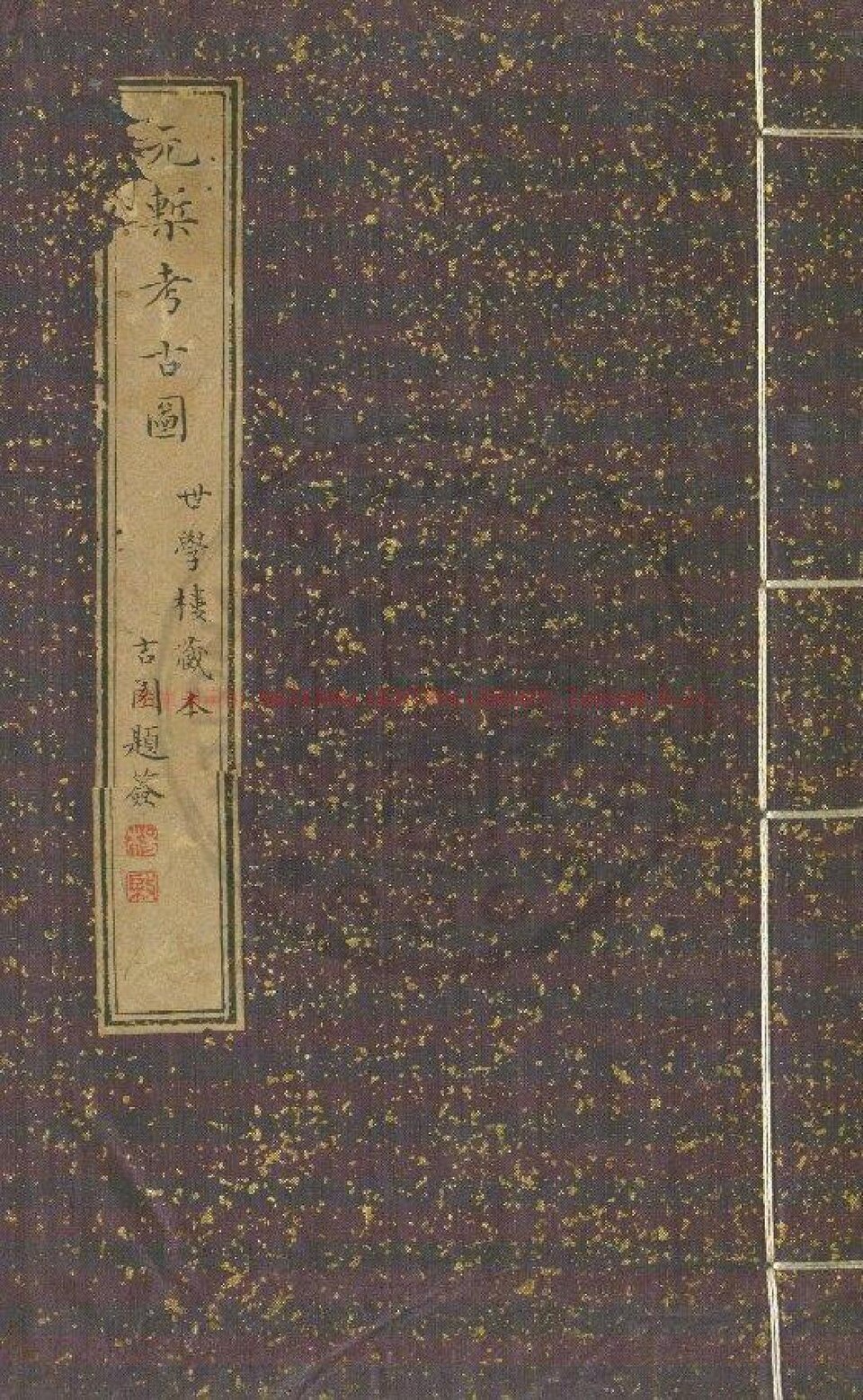
Lü, D. (1092)Illustrated Investigations of Antiquity. [考古圖 Kao ku t’u], 10 juan
Record No. 28788 | Sinkankas/Born No.: 4066 | Language: in Chinese | not seen
Reference copied to clipboard!
gems, jade, China, Chinese jade carving, Chinese lapidary arts, archaic jades, ancient texts
Lü Dalin’s Kao ku t’u [考古圖; Illustrated Investigations of Antiquity], compiled in 1092 during the Northern Song dynasty, is one of the earliest surviving systematic catalogues of ancient Chinese objects. It records more than 200 antiquities, principally ritual bronzes but also jade objects, drawn from imperial and private collections. Individual entries generally provide an illustration, dimensions, inscriptions where present, provenance or ownership information, and discussion of the object’s identification and historical significance. Of particular interest to gemologists and historians of jade are its records and illustrations of archaic jade objects, which document how such objects were classified and interpreted by Chinese scholars in the eleventh century. The work was highly influential in the development of Chinese antiquarian studies, combining close examination of physical objects with evidence from inscriptions and transmitted texts. Sinkankas: LU TA-LIN K’ao ku t’u “Investigations of antiquities with Illustrations.” Laufer, Jade, 8, gives “in 10 chapters, first published during the Sung Dynasty in 1092, and re-edited by Huang Sheng in 1753 as an appendix to Wang Fu’s Po ku t’u. In Chapter 8, a small collection of jades in the possession of Li Po-shih from Lu-kiang is figured, but without investigation.” S.H. Hansford, Chinese Jade Carving, 134 (no. 92) includes this work but also notes an edition of 1752 entitled San ku t’u.
A Short Account of Yunnan
典销记
Book
Ni, T. (after 1719)A Short Account of Yunnan. [典销记]
Record No. 16780 | Sinkankas/Born No.: NIS/NIB | Language: in Chinese | not seen
Reference copied to clipboard!
gems, Burma, Myanmar, amber, ruby, jade
Sun Laichen: Contains relatively detailed descriptions of the precious stones from Mengmi, amber from Mengyang, and the travel routes from Yunnan to Burma. Written after 1719.
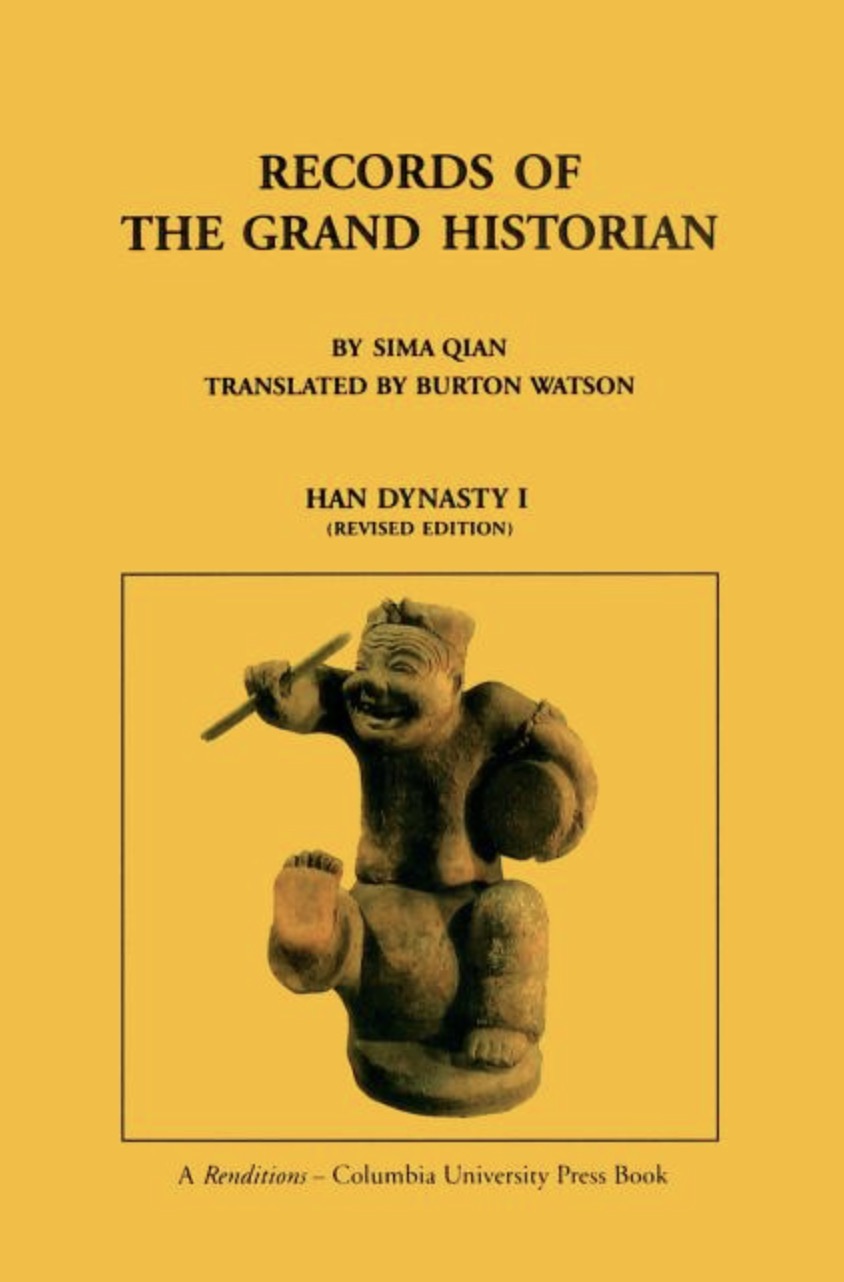
Records of the Grand Historian
史记 Shi Ji
Book
Sima, Q. (91 CE; Western Han)Records of the Grand Historian. [史记 Shi Ji]
Record No. 16546 | Sinkankas/Born No.: NIS/NIB | Language: in Chinese | not seen
Reference copied to clipboard!
gems, jade, China, Adam, Chinese jade books, jade lore, Fischer-Chinese
As a classic historical text, “Shi Ji” records the use of jade in ancient imperial sacrifices and national ceremonies. Completed before 91 B.C., these accounts indicate that the Sichuan-Yunnan-Burma-India overland trade route was already in use as early as (and probably before) the 2nd century B.C.
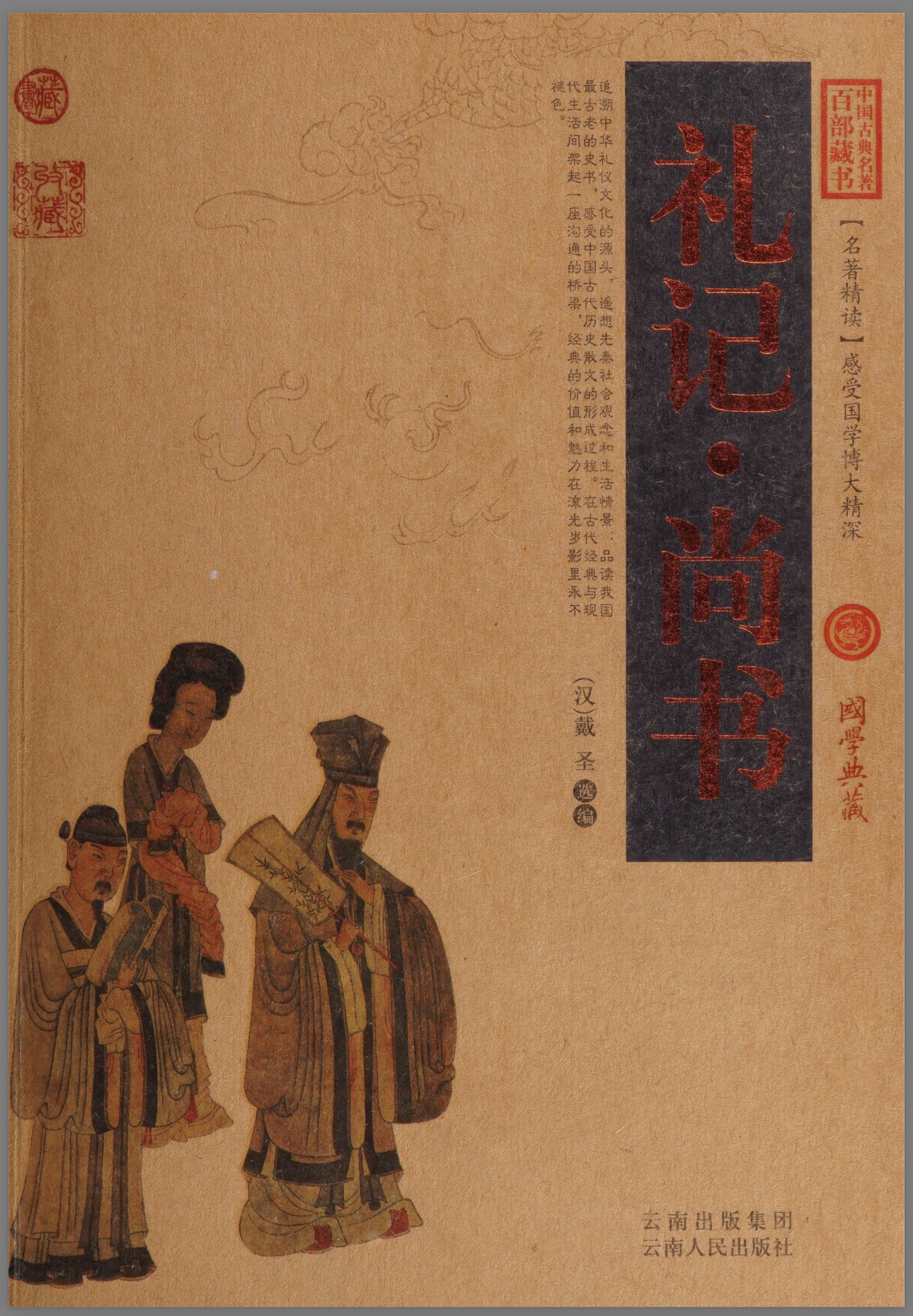
Book of Documents
尚书 Han Shu
Book
Ban, G., Ban, Z. and Xiu, M. (105 CE; Eastern Han)Book of Documents. [尚书 Han Shu]
Record No. 16545 | Sinkankas/Born No.: NIS/NIB | Language: in Chinese | not seen
Reference copied to clipboard!
gems, jade, China, Adam, Chinese jade books, jade lore, Fischer-Chinese
This work describes the symbolic significance of jade in ancient politics and religion, especially its prominent role in royal symbolism and rituals.
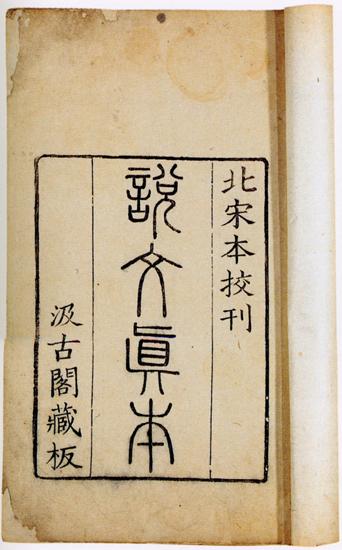
Xu, S. (121 CE; Eastern Han)Explaining Graphs and Analyzing Characters. [说文解字]
Record No. 16544 | Sinkankas/Born No.: NIS/NIB | Language: in Chinese | not seen
Reference copied to clipboard!
gems, jade, China, Adam, Chinese jade books, jade lore, Fischer-Chinese
The Shuowen Jiezi [說文解字; Explaining Graphs and Analyzing Characters], compiled by Xu Shen during the Eastern Han dynasty and presented to the imperial court in 121 CE, is the earliest surviving systematic dictionary of Chinese characters and a fundamental source for the historical study of Chinese writing. The work analyzes approximately 9,350 characters, with more than 1,100 variant forms, arranging them under 540 graphic radicals and explaining their forms, meanings, and, where appropriate, pronunciations. Xu Shen classified characters according to traditional principles of character formation and frequently drew upon ancient scripts and early textual usage. Of particular interest to gemologists is the extensive treatment of characters associated with jade, minerals, stones, metals, colors, and other natural substances, particularly those grouped under the jade radical 玉. These definitions provide important evidence for the terminology, classification, and perceived properties of jade and related materials in early China and are invaluable for interpreting mineralogical and gemological terms occurring in ancient Chinese texts.
Zhou, G.D., et al. (5th century BCE)Rites of Zhou. [周礼 Zhou Li]
Record No. 16541 | Sinkankas/Born No.: NIS/NIB | Language: in Chinese | not seen
Reference copied to clipboard!
gems, jade, China, Chinese jade, Adam, jade lore, Fischer-Chinese
The Zhou Li [周禮; Rites of Zhou] is an ancient Chinese ritual and administrative text traditionally attributed to the Duke of Zhou (Zhou Gongdan), although the surviving work is generally considered to have been compiled considerably later. It presents an idealized system of Zhou government through detailed descriptions of official offices, responsibilities, ceremonies, crafts, taxation, agriculture, and the management of natural resources. Of particular interest to gemologists are passages concerning jade and other valued materials, including the classification, manufacture, ceremonial use, and official control of jade objects. The text describes different forms of ritual jade associated with rank, sacrifice, court ceremony, and cosmological symbolism and provides important early terminology for jade objects and their functions. It is consequently a major source for understanding the institutional, ritual, and symbolic importance of jade in early China.
Exploring the Literature of Jade
Jade literature spans gemology, mineralogy, archaeology, art history, mining, carving and connoisseurship, and includes works on both jadeite and nephrite from around the world.
Four Treasures is Lotus Gemology's freely accessible gemological reference database. Use the full database to search by author, title or keyword and explore literature on gemology, mineralogy, jewelry and related fields. Where available, hyperlinks on titles may lead directly to the full publication.