Jade Bibliography

Jade Bibliography

Explore books, articles and historical sources on jade in Four Treasures, the Lotus Gemology reference database. This bibliography brings together matching records from the collection, with publication details, abstracts and cover images where available.

Jade References

The list below matches the terms jade, jadeite, nephrite or Fei Cui in the database's searchable fields. Some references discuss these materials as part of a broader subject.
21–40 of 3,746 matching references

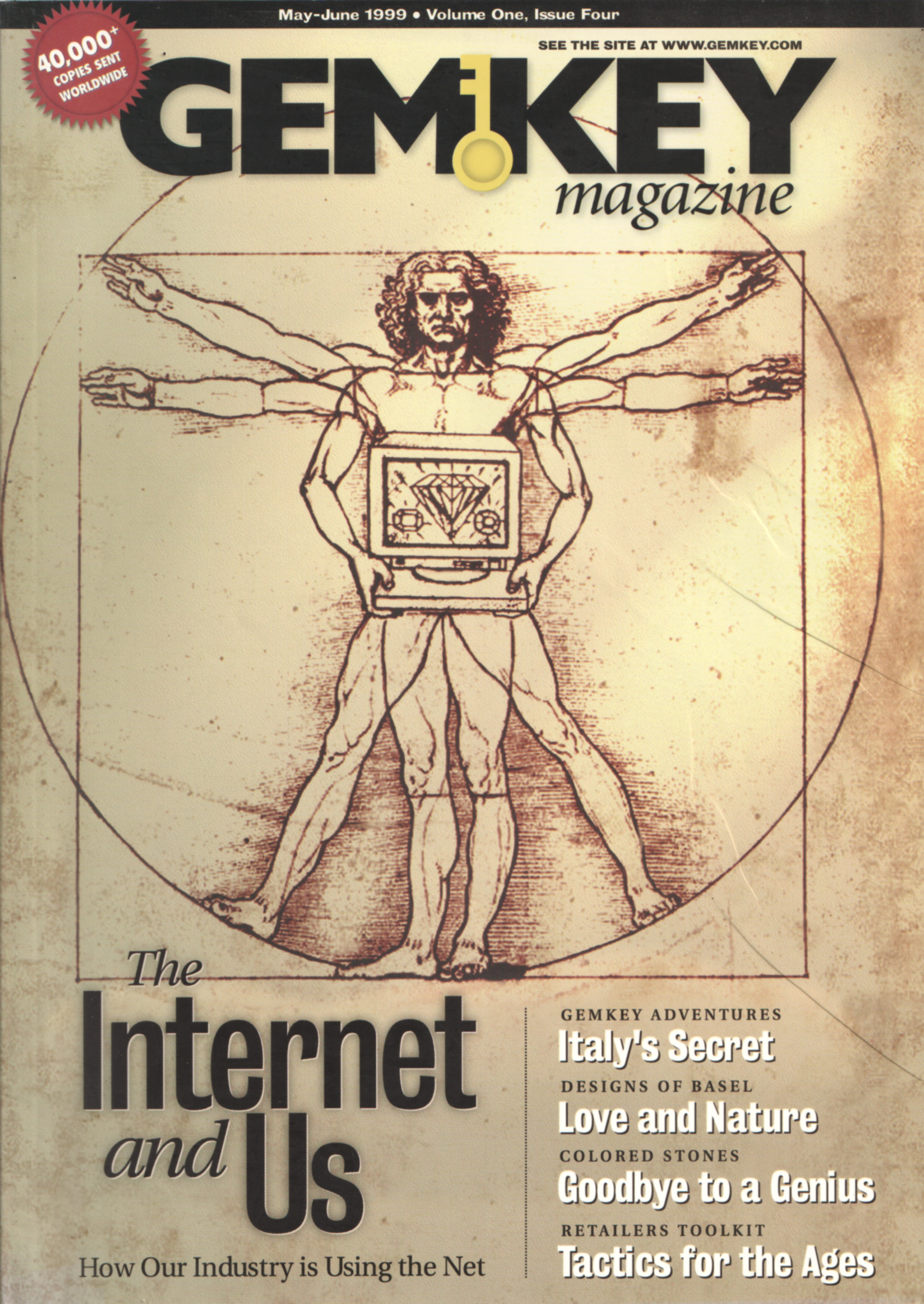
Heaven and hell

Journal Article
Hughes, R.W. and Ward, F. (1998) Heaven and hell. Gemkey Magazine, Vol. 1, No. 1, Nov.–Dec., pp. 38–45.
Record No. 5077  |  RWHL*
In a remote corner of Upper Burma, thousands are busy, seeking, searching, clawing at a mountain, prying loose boulders from the compact brown soil. Jack hammers pound out a rat-a-tat beat, punctuated by the occasional cymbal crash of pick and shovel, while a choir of coolies stand behind with baskets to carry the debris out of this earthen tomb. As each boulder is turned over, it is quickly examined, then discarded, along with the mounds of dirt that surround it. So the process is repeated. Over and over, again and again, hour after hour, day after day. The operation is a study in patience. Patience, patience – those who hurry lose, they make mistakes, they miss the prize, they don't go to heaven. The construction of the Great Pyramids in Egypt was a study in patience; that in Upper Burma today is on no less a scale, but involves deconstruction, the dismantling of entire mountains, step by step, bit by bit, stone by stone, one pebble at a time. Like the builders of pyramids, all involved share a single-minded devotion to the task. Patience, patience – those who hurry lose, they miss something, they don't go to heaven. Those who hurry don't find jade.

Devil’s Advocate: Dogfights: Dealers versus gemologists
Journal Article
Hughes, R.W. (1998) Devil’s Advocate: Dogfights: Dealers versus gemologists. Gemkey Magazine, Vol. 1, No. 1, Nov.–Dec., pp. 52, 69.
Record No. 2374  |  RWHL*
There are many dealers who look upon gemological labs with a good deal of disdain and the feeling is often mutual. So often today it seems that gemologists and traders are on opposite sides. Tug, tug, pull, pull, each seems to have a different agenda. Dealers often view gemologists as inferior beings (those who can, sell; those who can't, teach or identify). And, for their part, gemologists look upon merchants as some type of single-celled amoebae (those who understand, teach or study, while those who can't, become merchants). We hope the following article will go some ways towards bridging this gulf, by gently (and sometimes not so gently) pointing out the problems and solutions for each camp.

Jade: The Stone of Heaven

Film or Broadcast
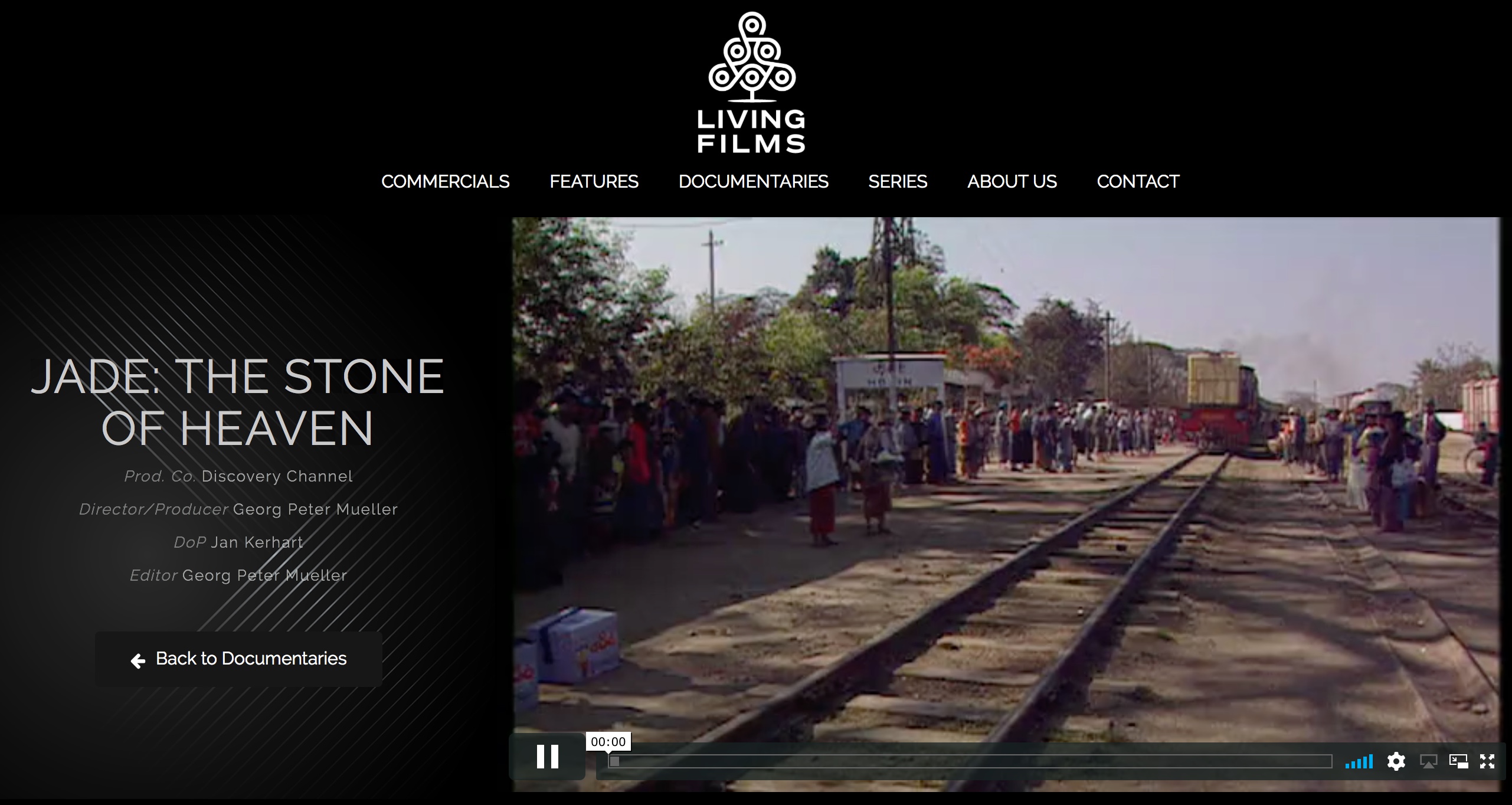
Müller, G.P., Hughes, R.W. and Narayan, S. (1997) Jade: The Stone of Heaven. Falls Church, VA: Landmark Media Inc.
Record No. 16422  |  RWHL
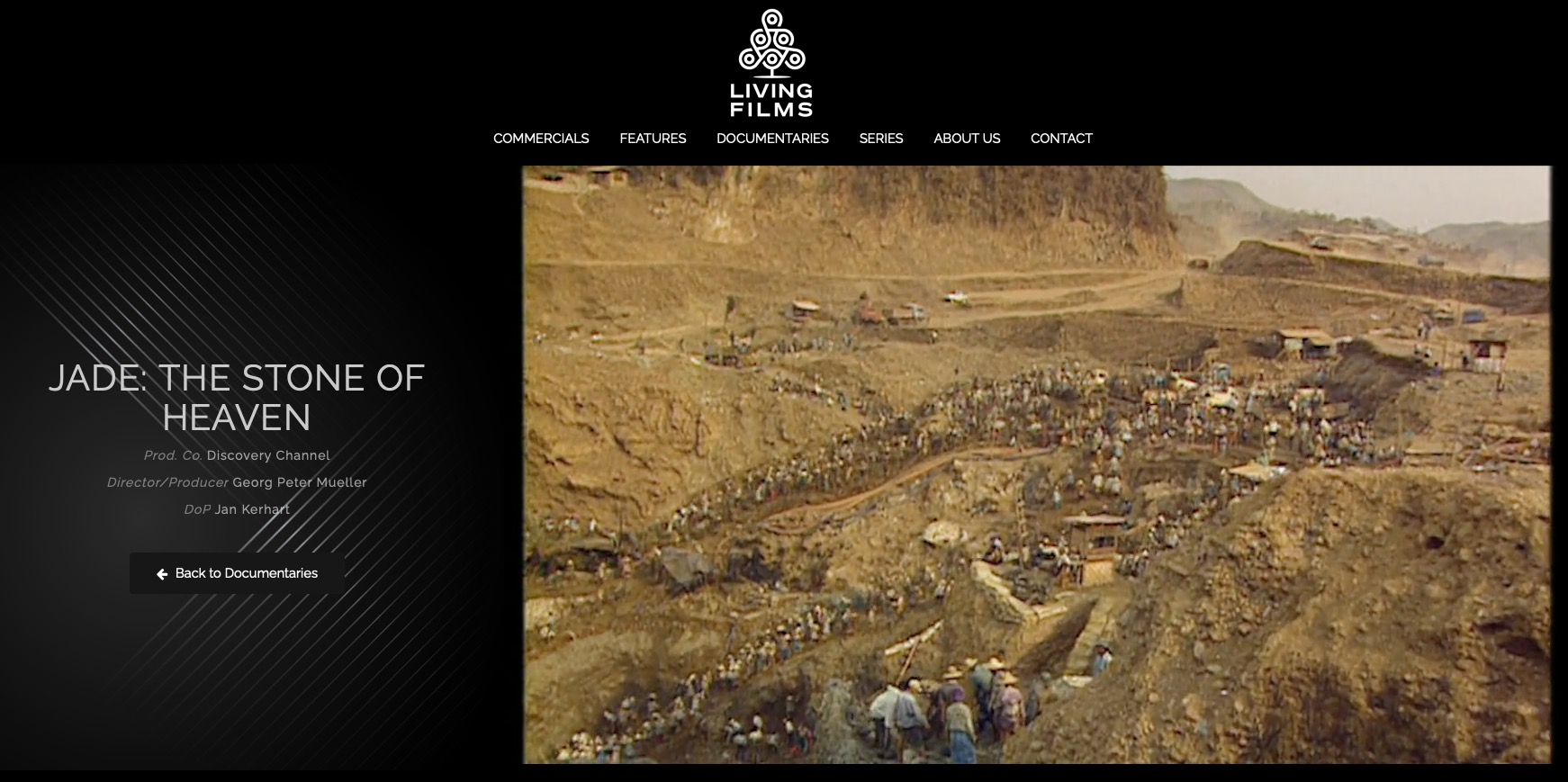
This unique program shows us the jade road as it exists today, practically unchanged from 600 years ago. The remote mining areas in northern Burma where only very few outsiders have gained access are visited. Market places in Hong Kong, where jade changes hands in the very peculiar Chinese way of mixing business with gambling, are also presented.

Jade: The Stone of Heaven

Film or Broadcast
Müller, G.P., Hughes, R.W., Kerhart, J. and Narayan, S. (1997) Jade: The Stone of Heaven. Falls Church, VA: Landmark Media Inc., 52 minutes.
Record No. 7421  |  RWHL
This unique program shows us the jade road as it exists today, practically unchanged from 600 years ago. The remote mining areas in northern Burma where only very few outsiders have gained access are visited. Market places in Hong Kong, where jade changes hands in the very peculiar Chinese way of mixing business with gambling, are also presented.

Tracing the green line: A journey to Burma’s jade mine [in Chinese]
in Chinese
Journal Article
Hughes, R.W., Galibert, O., Smith, M., Thet Oo and Lai Tai-An (1997) Tracing the green line: A journey to Burma’s jade mine [in Chinese]. Jewelry Circle’s Magazine, No. 42, April, pp. 136–139; No. 43, July, pp. 136–139; No. 44, October, pp. 136–139.
Record No. 5109  |  ISBN/ISSN: 10174427  |  RWHL
In 1996, several gemologists set off for Burma's remote jade mines, the first visit by foreigners since the early 1960's. This is the story of their epic journey.

Heaven and hell: The quest for jade in Upper Burma
Journal Article
Hughes, R.W. and Ward, F. (1997) Heaven and hell: The quest for jade in Upper Burma. Asia Diamonds, Vol. 1, No. 2, September–October, pp. 42–53.
Record No. 5108  |  RWHL*
In a remote corner of Upper Burma, thousands are busy, seeking, searching, clawing at a mountain, prying loose boulders from the compact brown soil. Jack hammers pound out a rat-a-tat beat, punctuated by the occasional cymbal crash of pick and shovel, while a choir of coolies stand behind with baskets to carry the debris out of this earthen tomb. As each boulder is turned over, it is quickly examined, then discarded, along with the mounds of dirt that surround it. So the process is repeated. Over and over, again and again, hour after hour, day after day. The operation is a study in patience. Patience, patience – those who hurry lose, they make mistakes, they miss the prize, they don't go to heaven. The construction of the Great Pyramids in Egypt was a study in patience; that in Upper Burma today is on no less a scale, but involves deconstruction, the dismantling of entire mountains, step by step, bit by bit, stone by stone, one pebble at a time. Like the builders of pyramids, all involved share a single-minded devotion to the task. Patience, patience – those who hurry lose, they miss something, they don't go to heaven. Those who hurry don't find jade.

In search of heaven’s stone

Journal Article
Hughes, R.W., Galibert, O., Smith, M. and Thet Oo (1997) In search of heaven’s stone. Momentum, Vol. 5, No. 15, June–August, pp. 18–23.
Record No. 5106  |  RWHL
In 1996, several gemologists set off for Burma's remote jade mines, the first visit by foreigners since the early 1960's. This is the story of their epic journey.

The green line to Hpakan

Newspaper Article
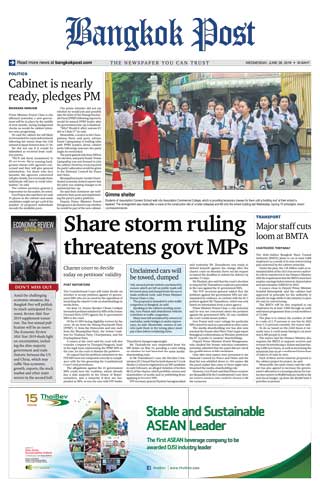
Hughes, R.W. and Galibert, O. (1997) The green line to Hpakan. Bangkok Post, 26 April, Bangkok, Outlook: pp. 4–5.
Record No. 5076  |  RWHL*
In 1996, several gemologists set off for Burma's remote jade mines, the first visit by foreigners since the early 1960's. This is the story of their epic journey.

Tracing the green line

Journal Article
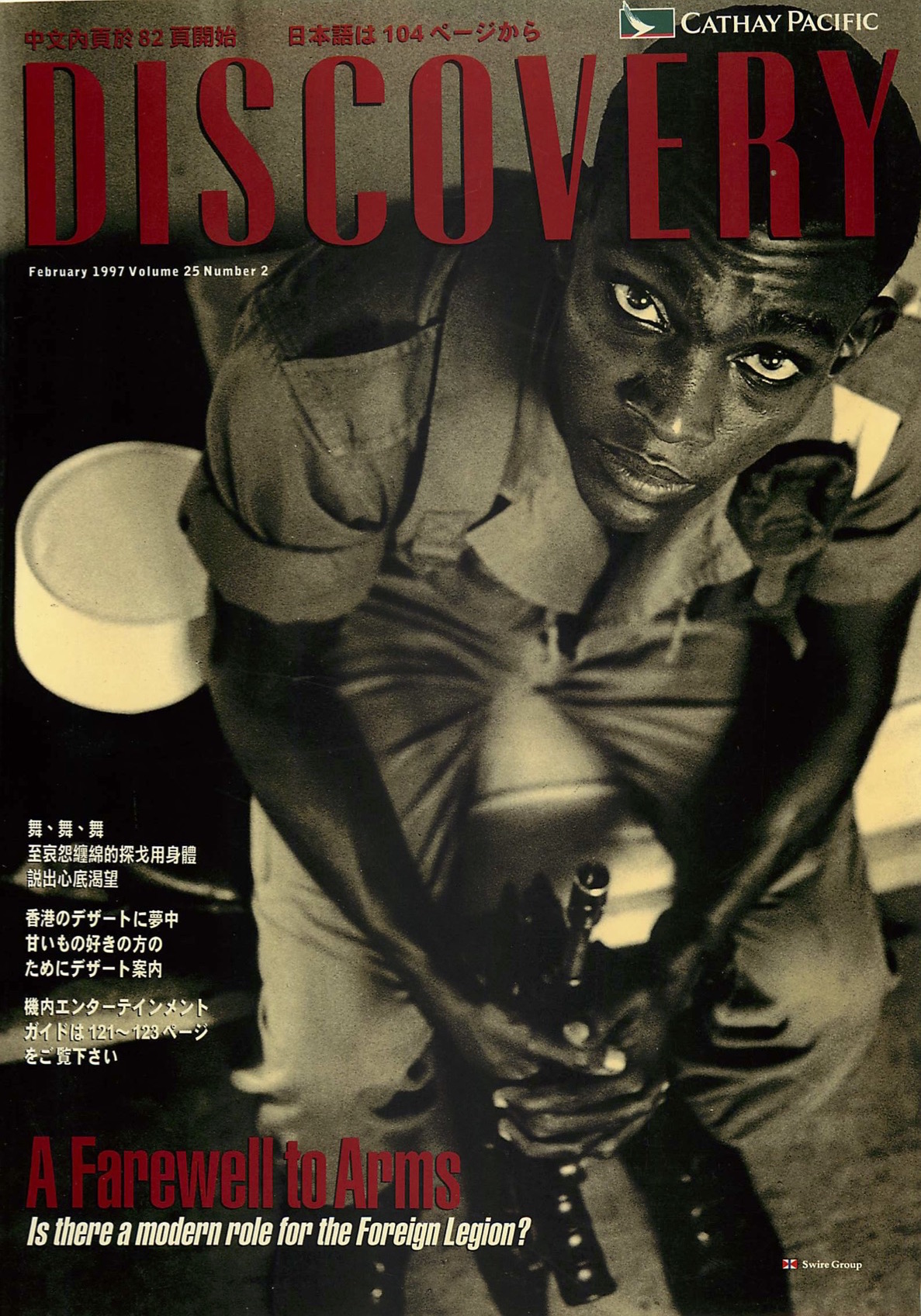
Hughes, R.W. (1997) Tracing the green line. Discovery, Vol. 25, No. 2, February, pp. 69–73.
Record No. 2267  |  RWHL
In 1996, several gemologists set off for Burma's remote jade mines, the first visit by foreigners since the early 1960's. This is the story of their epic journey.

Tracing the green line: A journey to Myanmar’s jade mines
Journal Article
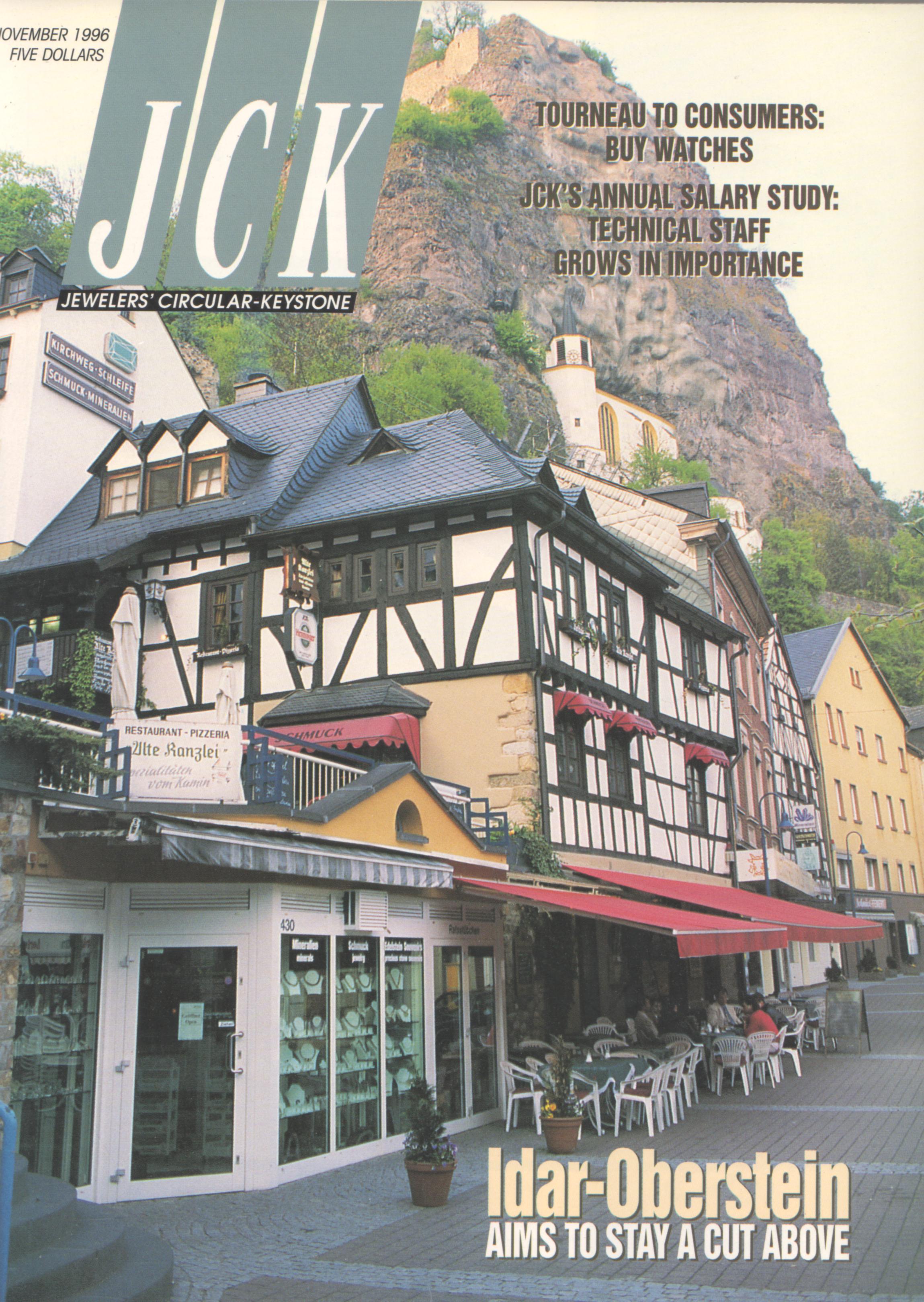
Hughes, R.W., Galibert, O., Smith, M. and Thet Oo (1996–97) Tracing the green line: A journey to Myanmar’s jade mines. Jewelers’ Circular-Keystone, Vol. 167, No. 11, November, pp. 60–65; Vol. 168, No. 1, January, pp. 160–166,
Record No. 5105  |  ISBN/ISSN: 10700242  |  RWHL*
In 1996, several gemologists set off for Burma's remote jade mines, the first visit by foreigners since the early 1960's. This is the story of their epic journey.

Devil’s Advocate: Dispatch from hyperbole
Journal Article
Hughes, R.W. (1995–96) Devil’s Advocate: Dispatch from hyperbole. JewelSiam, Vol. 6, No. 6, Dec–Jan, pp. 82–85.
Record No. 2266  |  ISBN/ISSN: 8581843  |  RWHL

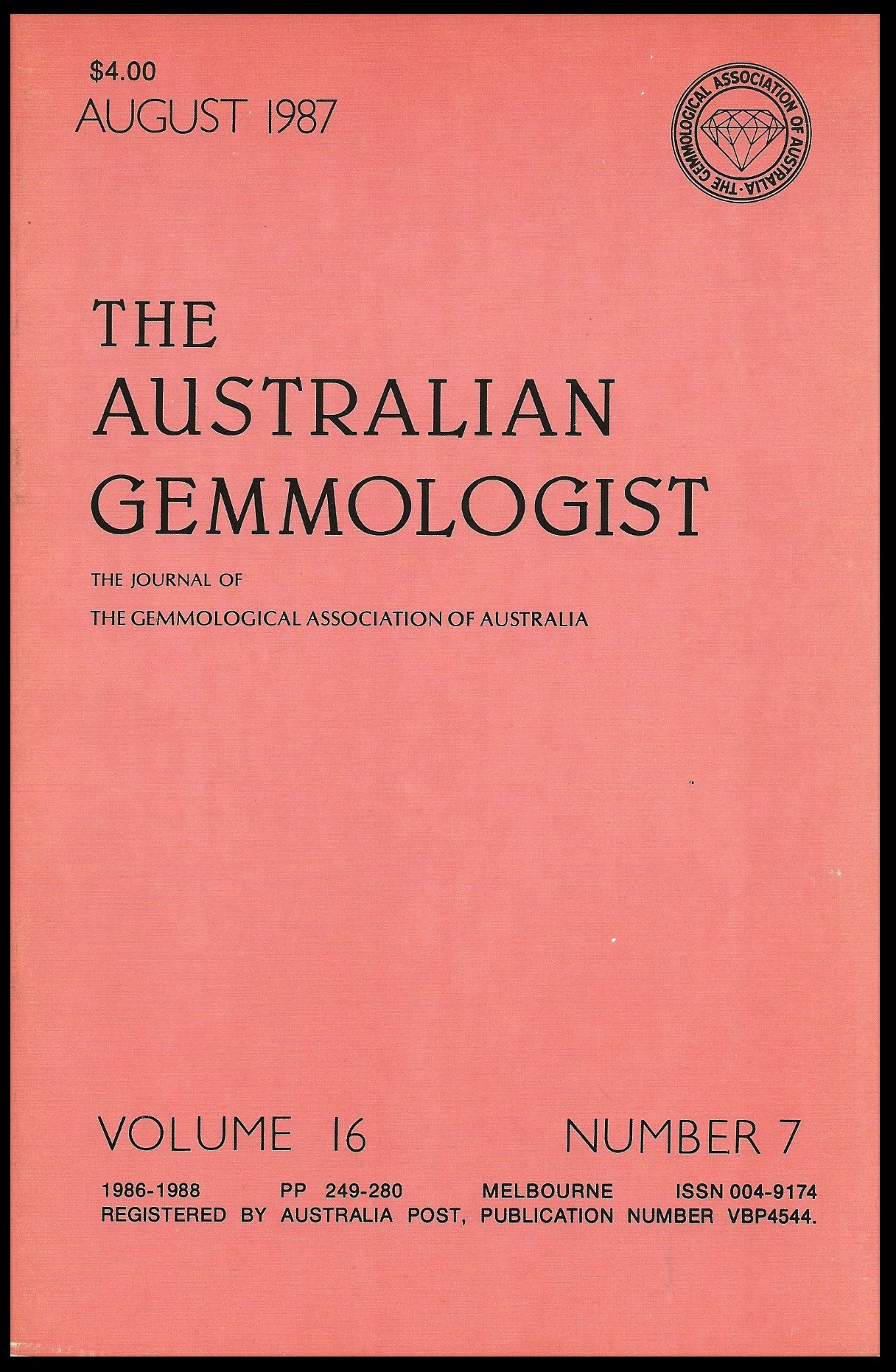
The plastic coating of gemstones

Journal Article
Hughes, R.W. (1987) The plastic coating of gemstones. Australian Gemmologist, Vol. 16, No. 7, pp. 259–261.
Record No. 2326  |  RWHL
A plastic coated jadeite cabochon and a quartz coated with red plastic to imitate ruby are described.

Plastic coating of gemstones

Journal Article
Hughes, R.W. (1987) Plastic coating of gemstones. ICA Laboratory Alert, No. 3, 1:00 PM.
Record No. 2325  |  RWHL
A plastic coated jadeite cabochon and a quartz coated with red plastic to imitate ruby are described.

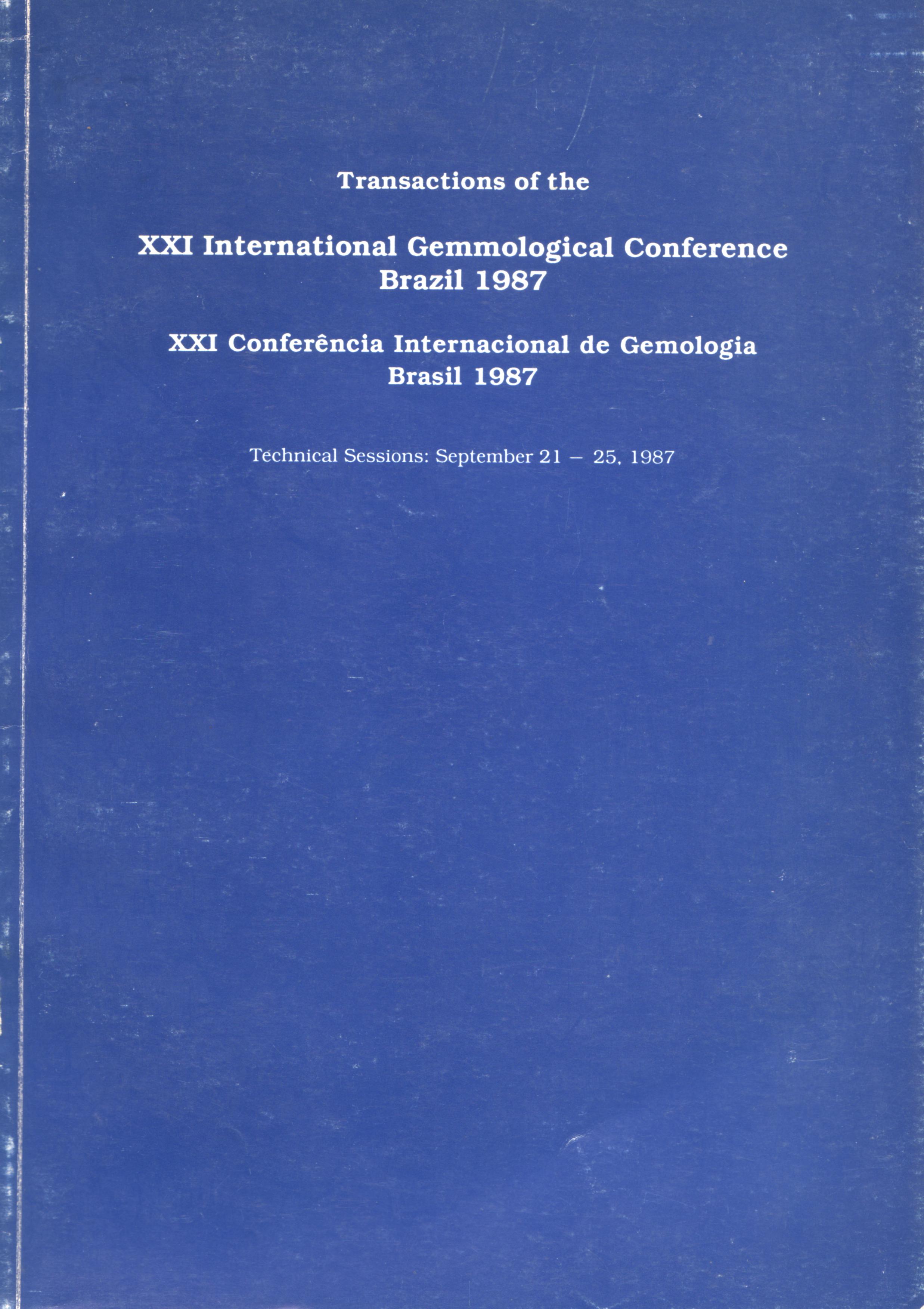
The plastic coating of gemstones

Conference Paper
Hughes, R.W. (1987) The plastic coating of gemstones. International Gemmological Conference, Brazil: Transactions of the XXI International Gemmological Conference—Brazil 1987, pp. 31–33.
Record No. 2265  |  RWHL
A plastic coated jadeite cabochon and a quartz coated with red plastic to imitate ruby are described.

Circulations of the jade trade: The Duans and the Pengs
Book Section
Chang, W.-C. (2014) Circulations of the jade trade: The Duans and the Pengs. In: Beyond Borders, Stories of Yunnanese Chinese Migrants of Burma, Cornell, NY: Cornell University Press, pp. 207–236.
Record No. 3418  |  ISBN/ISSN: 9780800000000  |  Sinkankas/Born No.: NIS/NIB  |  RWHL**
In September 2006, I made my first field trip to Guangzhou via Hong Kong in order to extend my earlier research on the jade trade among the Yunnanese migrants of Thailand and Burma that I began in 2000. The purpose of my trip was to research the expansion of the Yunnanese trading networks of the jade business from Burma—where the most precious jadeite in the world is ocured—to Guangzhou, current developments in state and non-state trading regulations, new forms of transaction, capital flows, and shipments of jade stones and products. My second field trip to Guangzhou took place

Evolution of minerals

Journal Article
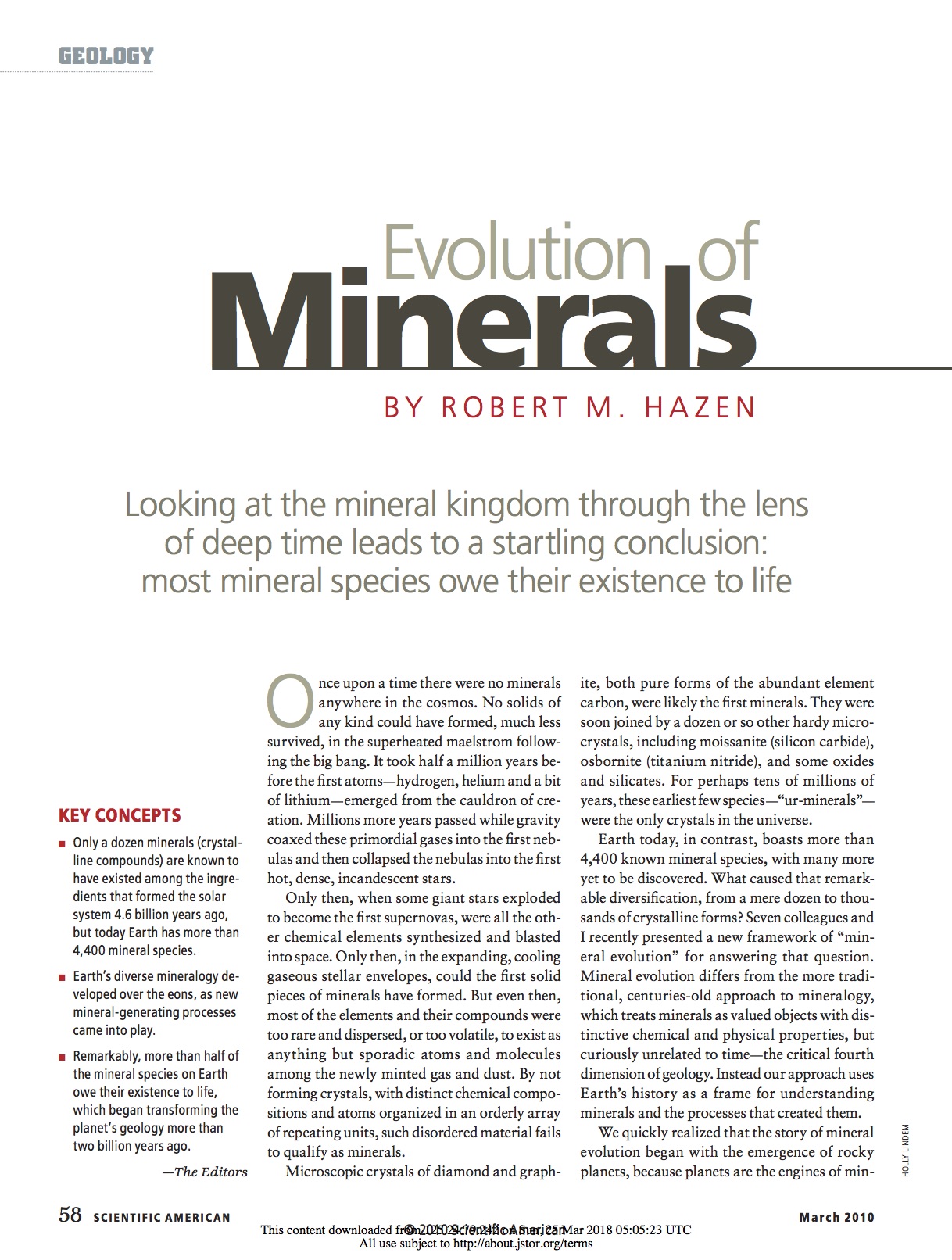
Hazen, R.M. (2010) Evolution of minerals. Scientific American, Vol. 302, No. 3, pp. 58–65.
Record No. 3628  |  ISBN/ISSN: 00368733, 19467087  |  RWHL**
Only a dozen minerals (crystalline compounds) are known to have existed among the ingredients that formed the solar system 4.6 billion years ago, but today Earth has more than 4,400 mineral species. Earth’s diverse mineralogy developed over the eons, as new mineral-generating processes came into play. Remarkably, more than half of the mineral species on Earth owe their existence to life, which began transforming the planet’s geology more than two billion years ago.

Bomb, Book & Compass: Joseph Needham and the Great Secrets of China
Book
Winchester, S. (2008) Bomb, Book & Compass: Joseph Needham and the Great Secrets of China. London, Viking, 317 pp.
Record No. 3558  |  Sinkankas/Born No.: NIS/NIB  |  RWHL**

Gemology: An Annotated Bibliography

Book
Sinkankas, J. (1993) Gemology: An Annotated Bibliography. Metuchen, NJ, The Scarecrow Press, Inc., 2 Vols., 1179 pp.
Record No. 7378  |  ISBN/ISSN: 810826526  |  Sinkankas/Born No.: NIS/NIB  |  RWHL**
It is difficult to overstate the importance of this two-volume work, which was the product not just of John’s writing career, but also of his home business, Peri Lithon, which he operated for decades with his wife, Marge. No authors ever worked harder on a single work. Over 6,000 entries, virtually all of which are annotated. There is a limited edition in fake leather with a siipcase. My pick for the greatest gem book of all time.

Jade in Mesoamerica: Pre-Columbian jade in the Central and Southern Americas
Book Section
Bishop, R.L., Lange, F.W. and Easby, E.K. (1991) Jade in Mesoamerica: Pre-Columbian jade in the Central and Southern Americas. In: Jade, New York: Van Nostrand Reinhold, pp. 316–341.
Record No. 28490  |  ISBN/ISSN: 9781460000000  |  DOI: https://doi.org/10.1007/978-1-4615-3922-3  |  Sinkankas/Born No.: NIS/NIB  |  RWHL**
Robert Frey and Robert Deans: It has been said that a single issue of a modern newspaper—like The New York Times, Neue Zürcher Zeitung, or Le Monde—contains more information than a person in the 17th century would encounter in a lifetime. Jade scholarship, like all fields, cannot escape the information explosion of our time. Our understanding of jade has expanded dramatically both through archaeological discoveries and ongoing scientific research, making a comprehensive, up-to-date global survey long overdue. The best studies on ancient jade have come from meticulously controlled excavations in places such as China, Russia, and Mexico, offering data far beyond the reach of earlier scholars who relied largely on secondhand textual sources. Advances in archaeological and analytical techniques have greatly enhanced the accuracy and scope of our knowledge. The first Western attempt at a jade survey came in the early 1800s from French sinologist Abel-Rémusat, based on the King’s Library in Paris, followed by a more substantial work by German mineralogist Fischer later that century. A major leap came with American jade collector Heber Bishop at the century’s end, whose oversized, lavish volumes—printed in just 106 copies—were never sold and meant only for select institutions and dignitaries. With no public reprint, they remained rare and inaccessible. In contrast, this 20th-century volume aims to make top-tier jade research available to a broad audience. Research continues, and new jade sources and scientific analyses have shed light on both raw materials and artifacts. Publishing a worldwide survey is no small feat—it demands a firm deadline and the collaboration of leading experts to present a coherent, authoritative account. The result is a landmark work that will shape jade scholarship for decades to come. This survey of jade use around the world is actually an anthology of essays by prominent scholars. First, a gemologist explains the minerology of jade. Then a series of essays on jade use in China, from prehistory to the present, takes up about half of the book. Finally, shorter essays address jade use in Japan, the South Pacific, Europe, Burma, India, and the Americas. Excellent photographs throughout the volume capture the visual qualities that make jade so appealing. The ambitiousness of its scope makes this survey a valuable addition to the jade literature, but the contributions of the authors vary so widely in method and tone that the volume lacks unity.

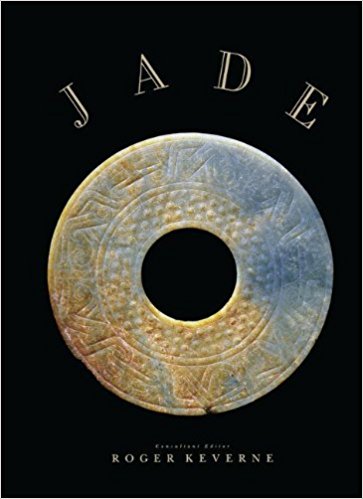
Jade

Edited Book
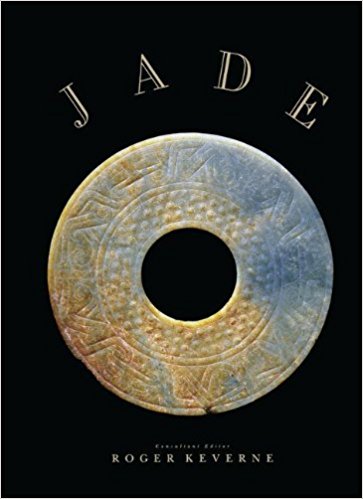
Keverne, R., editor (1991) Jade.. New York, Van Nostrand Reinhold, 376 pp..
Record No. 2272  |  ISBN/ISSN: 9781460000000  |  DOI: https://doi.org/10.1007/978-1-4615-3922-3  |  Sinkankas/Born No.: NIS/NIB  |  RWHL**
Robert Frey and Robert Deans: It has been said that a single issue of a modern newspaper—like The New York Times, Neue Zürcher Zeitung, or Le Monde—contains more information than a person in the 17th century would encounter in a lifetime. Jade scholarship, like all fields, cannot escape the information explosion of our time. Our understanding of jade has expanded dramatically both through archaeological discoveries and ongoing scientific research, making a comprehensive, up-to-date global survey long overdue. The best studies on ancient jade have come from meticulously controlled excavations in places such as China, Russia, and Mexico, offering data far beyond the reach of earlier scholars who relied largely on secondhand textual sources. Advances in archaeological and analytical techniques have greatly enhanced the accuracy and scope of our knowledge. The first Western attempt at a jade survey came in the early 1800s from French sinologist Abel-Rémusat, based on the King’s Library in Paris, followed by a more substantial work by German mineralogist Fischer later that century. A major leap came with American jade collector Heber Bishop at the century’s end, whose oversized, lavish volumes—printed in just 106 copies—were never sold and meant only for select institutions and dignitaries. With no public reprint, they remained rare and inaccessible. In contrast, this 20th-century volume aims to make top-tier jade research available to a broad audience. Research continues, and new jade sources and scientific analyses have shed light on both raw materials and artifacts. Publishing a worldwide survey is no small feat—it demands a firm deadline and the collaboration of leading experts to present a coherent, authoritative account. The result is a landmark work that will shape jade scholarship for decades to come. This survey of jade use around the world is actually an anthology of essays by prominent scholars. First, a gemologist explains the minerology of jade. Then a series of essays on jade use in China, from prehistory to the present, takes up about half of the book. Finally, shorter essays address jade use in Japan, the South Pacific, Europe, Burma, India, and the Americas. Excellent photographs throughout the volume capture the visual qualities that make jade so appealing. The ambitiousness of its scope makes this survey a valuable addition to the jade literature, but the contributions of the authors vary so widely in method and tone that the volume lacks unity.

Exploring the Literature of Jade

Jade literature spans gemology, mineralogy, archaeology, art history, mining, carving and connoisseurship, and includes works on both jadeite and nephrite from around the world.

For an introduction to collecting books on this subject, read Hidden Treasure — Collecting the Literature of Jade.

About Four Treasures

Four Treasures is Lotus Gemology's freely accessible gemological reference database. Use the full database to search by author, title or keyword and explore literature on gemology, mineralogy, jewelry and related fields. Where available, hyperlinks on titles may lead directly to the full publication.

Search the Complete Four Treasures Database