
Verneuil (Flame Fusion) Synthetic Ruby Inclusions
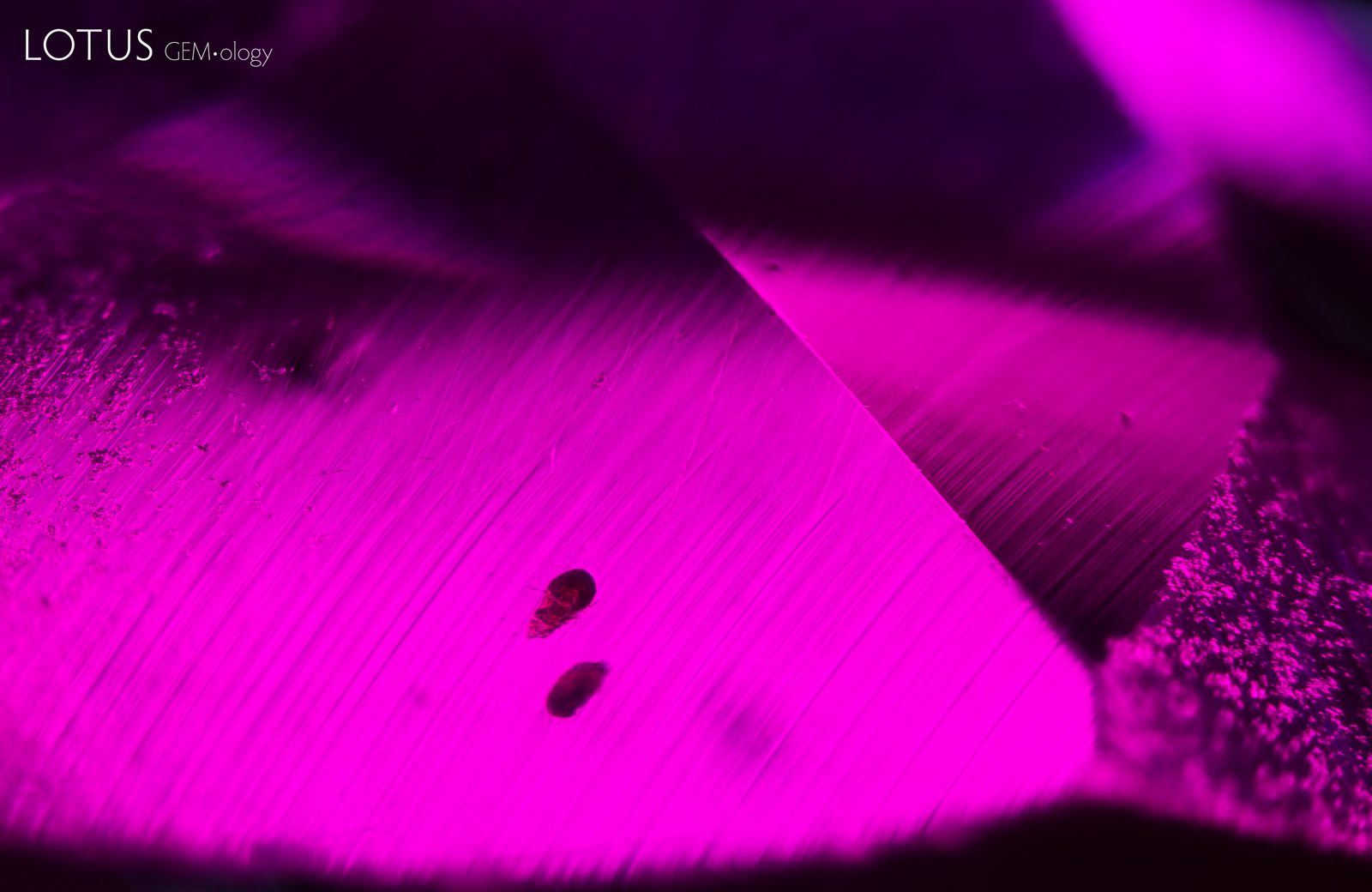
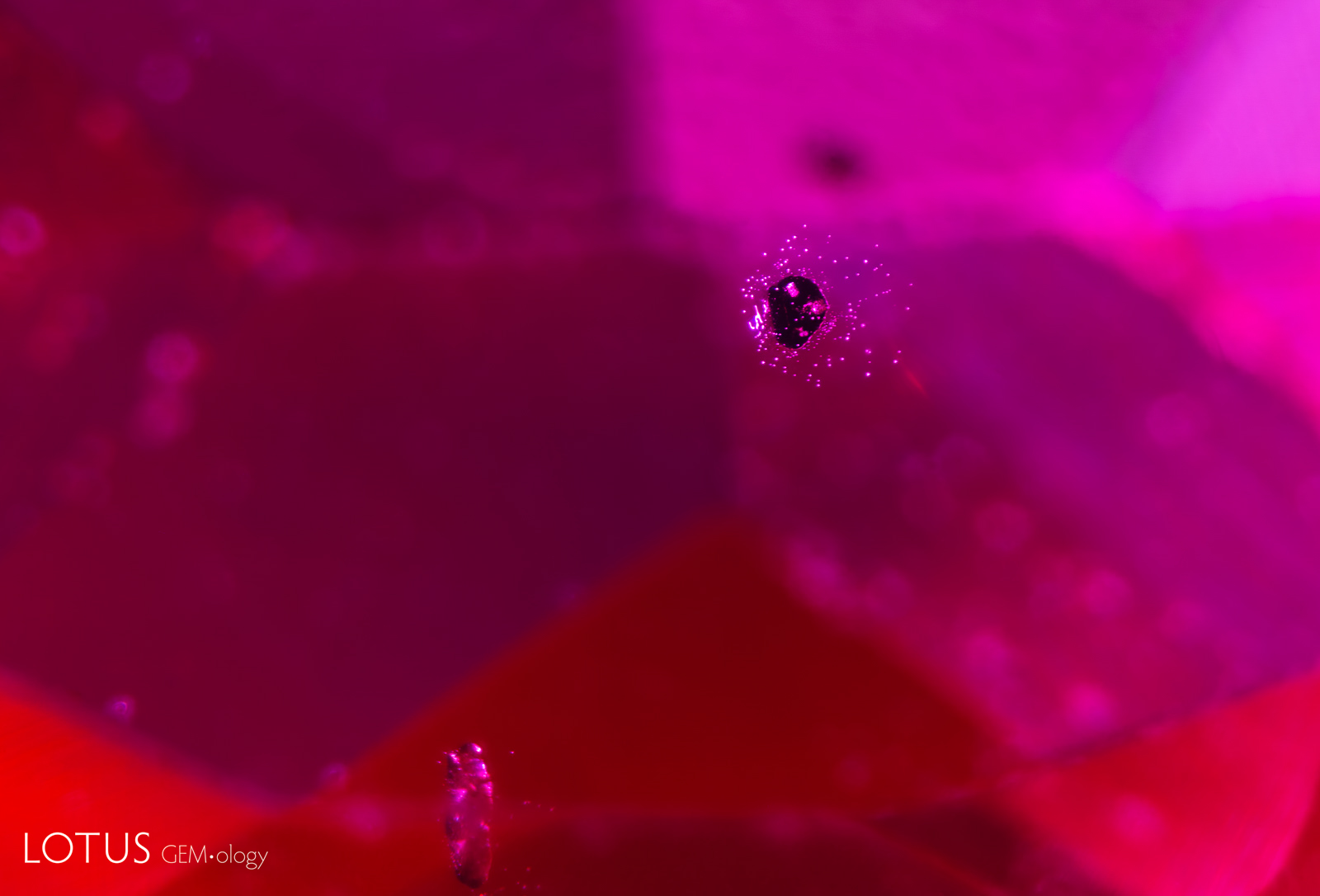
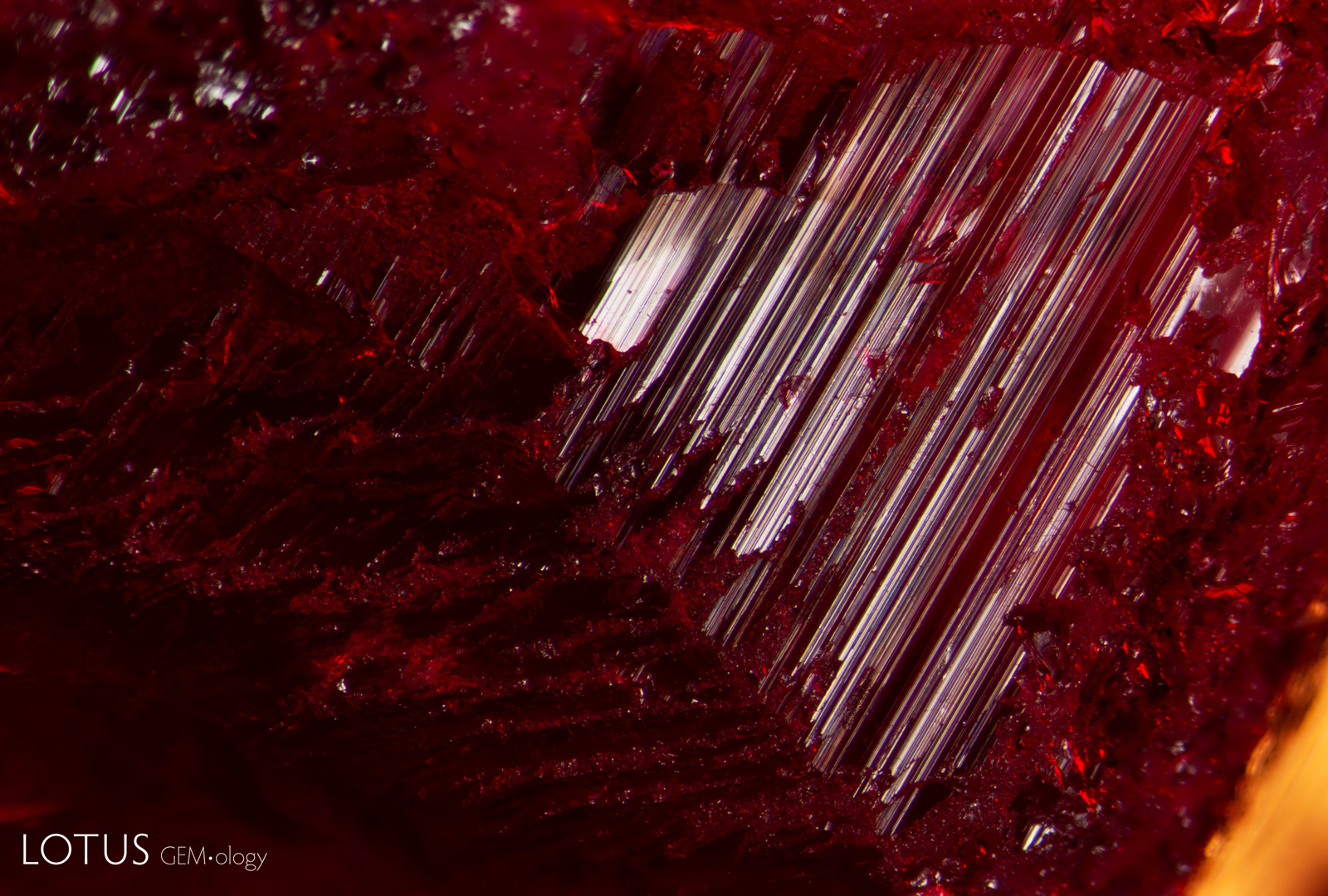
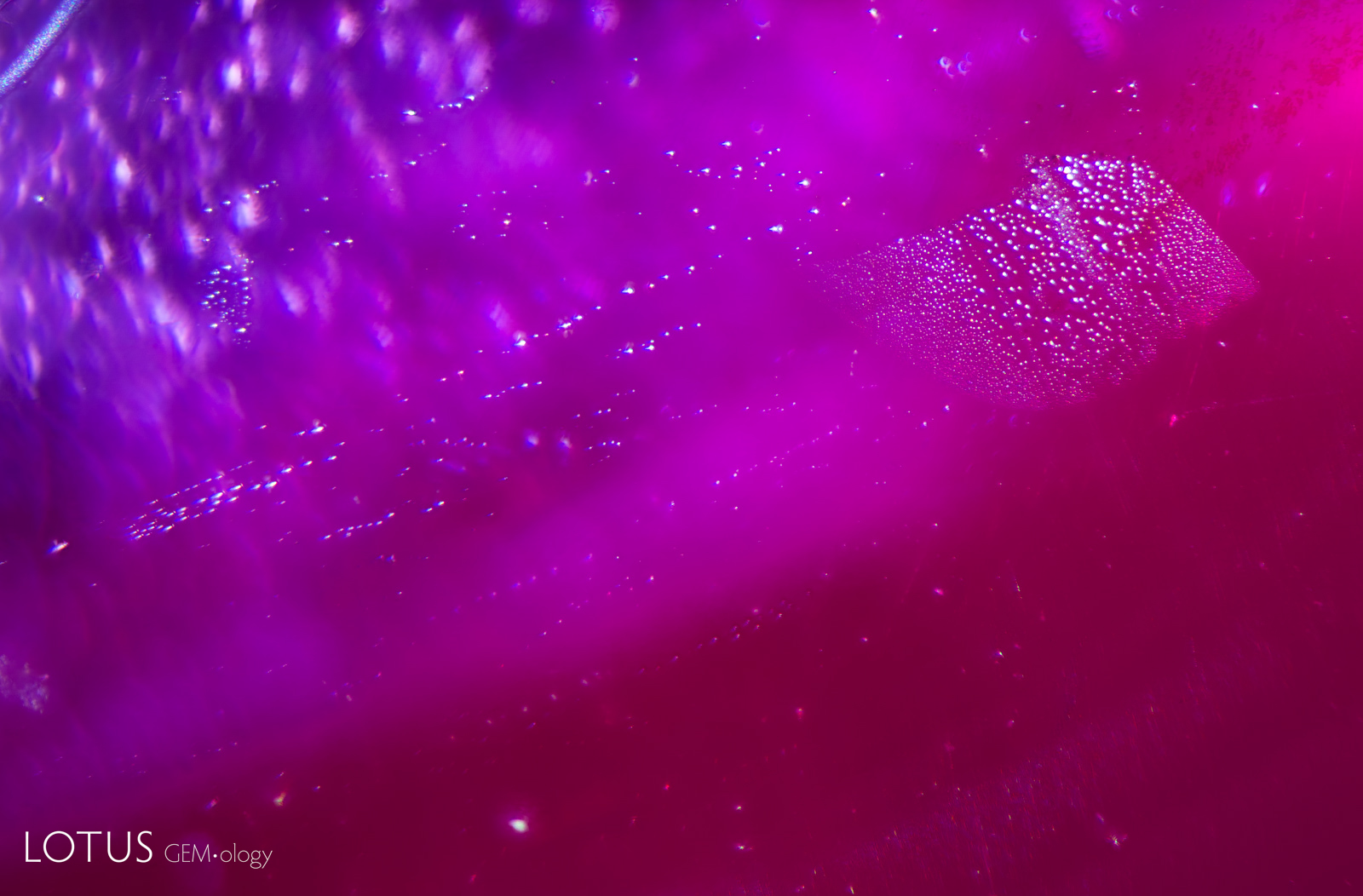
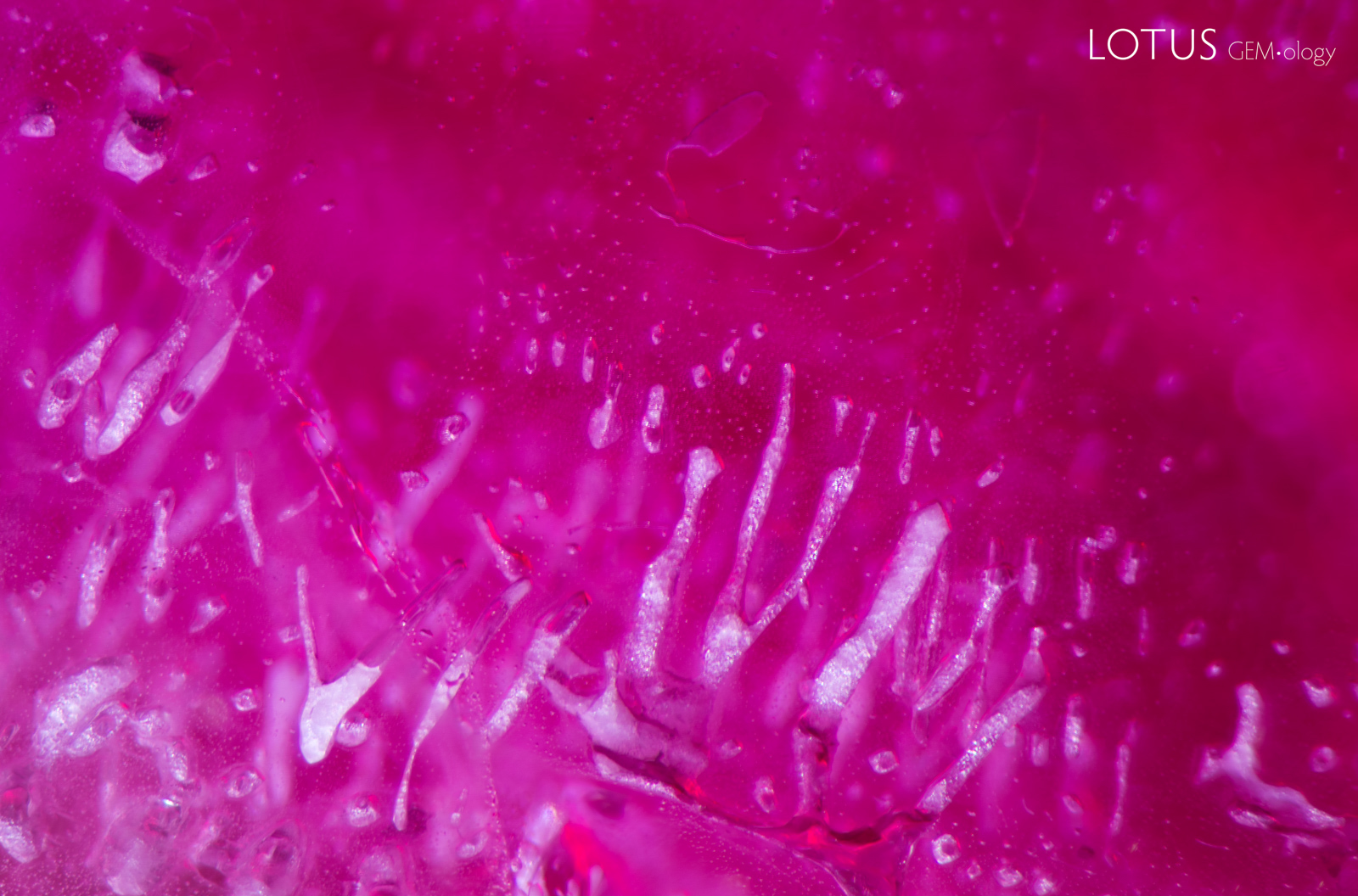
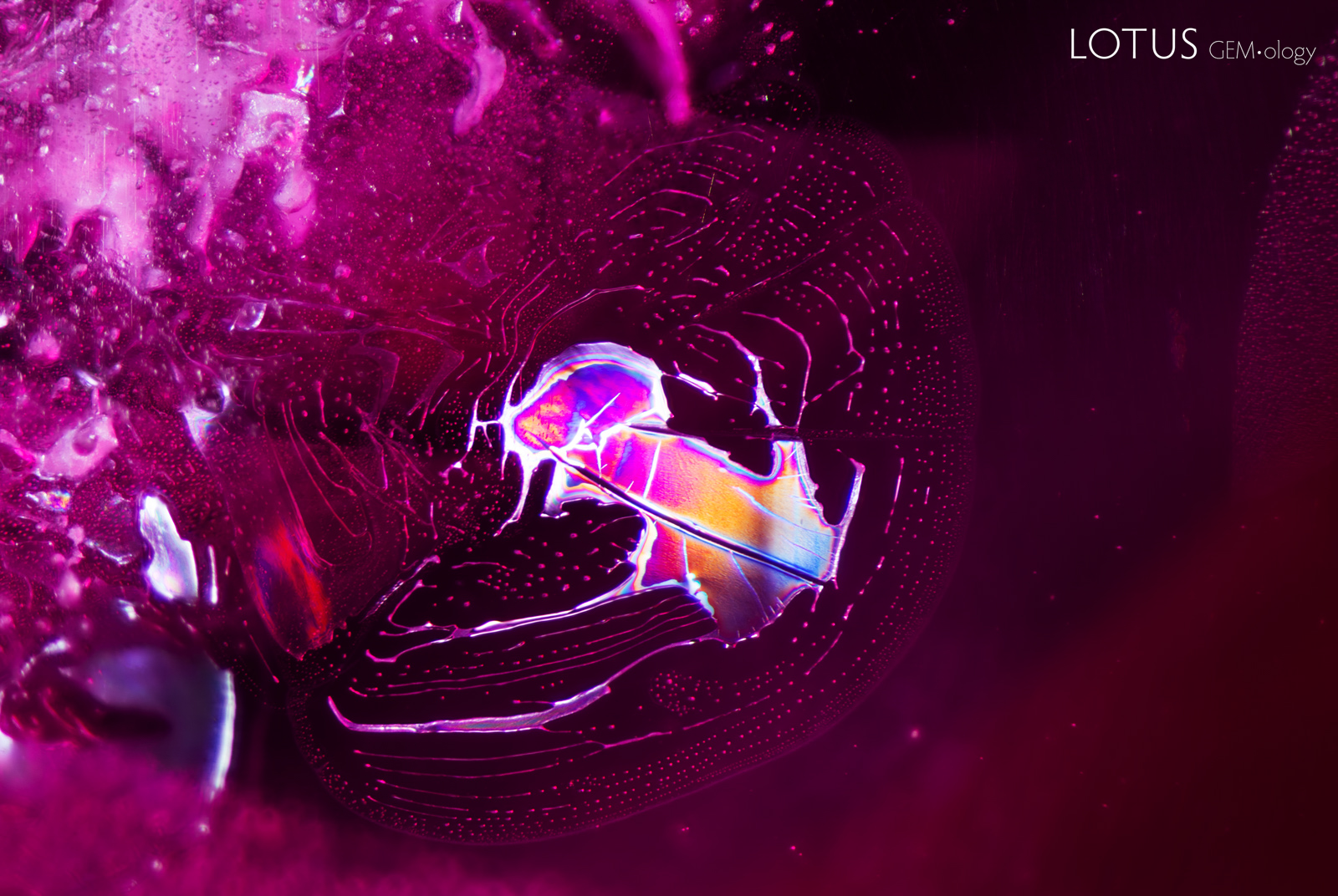
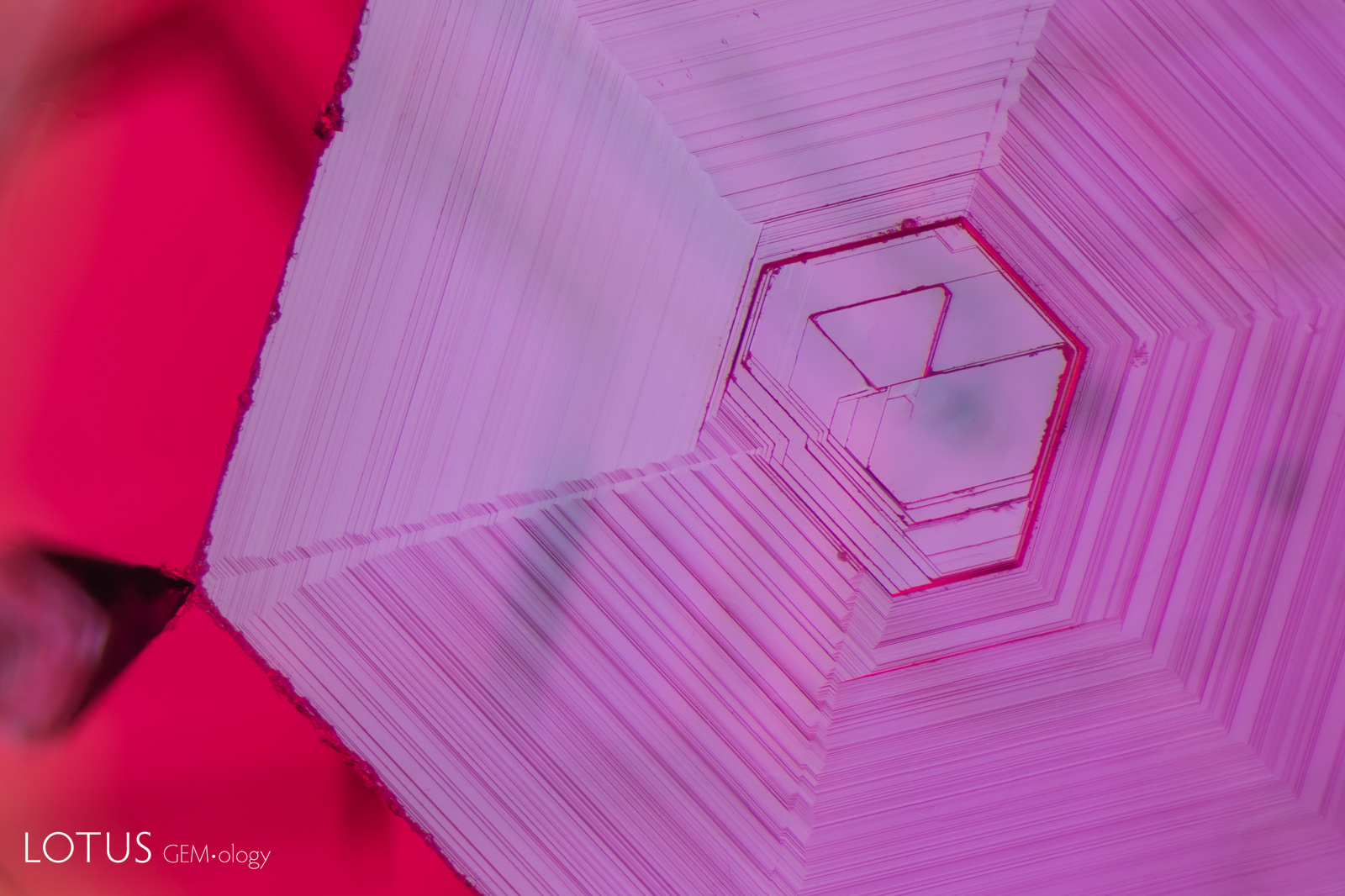
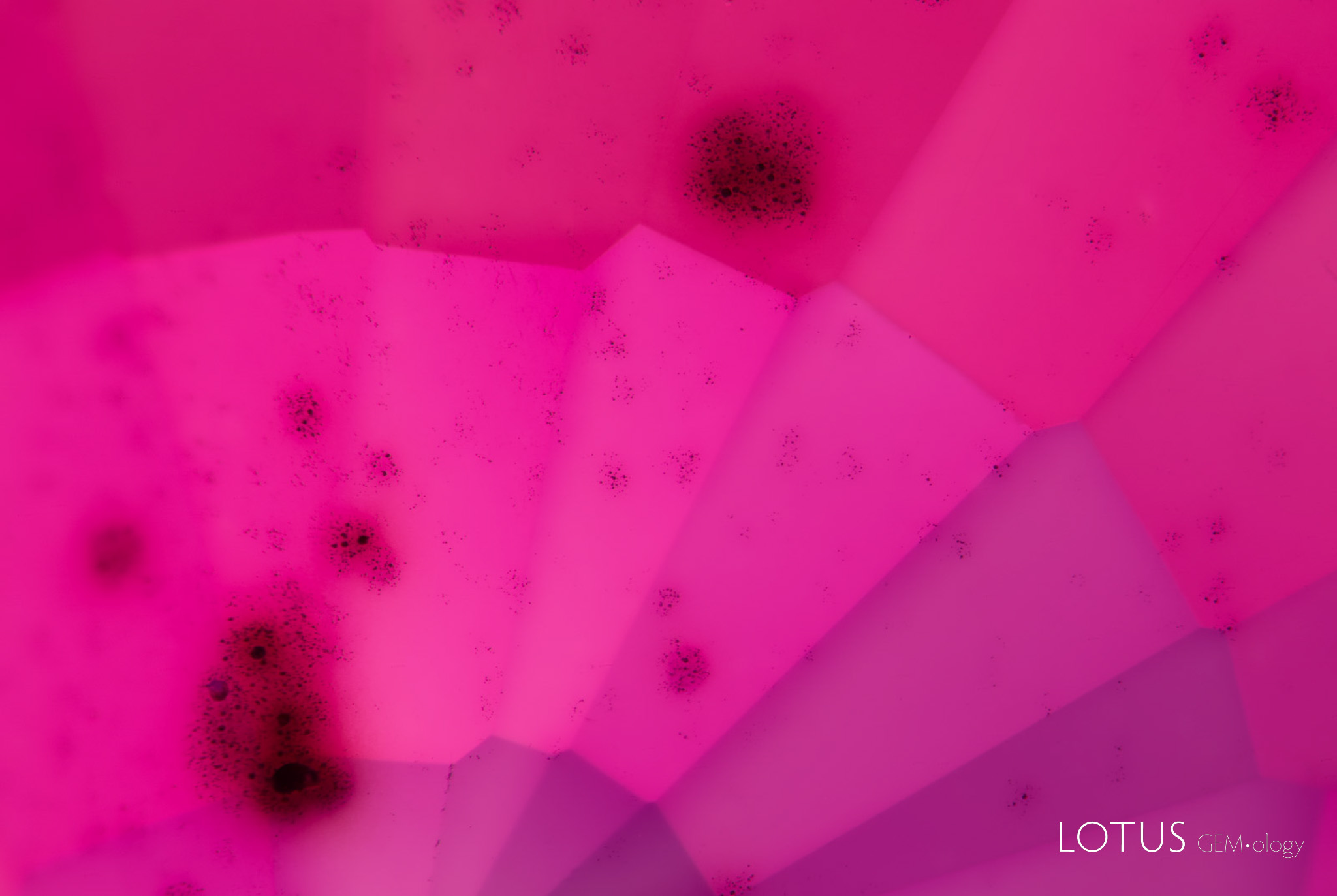
Explore inclusions and internal features in Verneuil (flame-fusion) synthetic ruby in Hyperion, the Lotus Gemology inclusion database. Photomicrographs are accompanied by descriptive information and published references where available.




Search the Complete Hyperion Database
Inclusions and growth features in Verneuil (flame-fusion) synthetic ruby can provide evidence of laboratory growth. Their appearance and associations should be evaluated together with other gemological observations when identifying the material.
Verneuil (Flame Fusion) Synthetic Ruby Inclusion Photomicrographs
The Hyperion gallery presents microscopic features documented in Verneuil (flame-fusion) synthetic ruby. Each entry includes descriptive information and references to the gemological literature where available.
What Inclusions Can Reveal About Verneuil (Flame Fusion) Synthetic Ruby
Microscopic examination helps distinguish Verneuil (flame-fusion) synthetic ruby from natural material. Inclusions and growth structures are considered alongside other gemological properties when assessing evidence of synthetic origin.
Hyperion combines inclusion photomicrography with supporting gemological information, allowing features in Verneuil (flame-fusion) synthetic ruby to be compared with documented examples.
About Hyperion
Hyperion is the Lotus Gemology searchable inclusion database. It allows users to browse gemstone inclusions by gem type, geographic origin, treatment and keyword.