
Star Ruby Inclusions
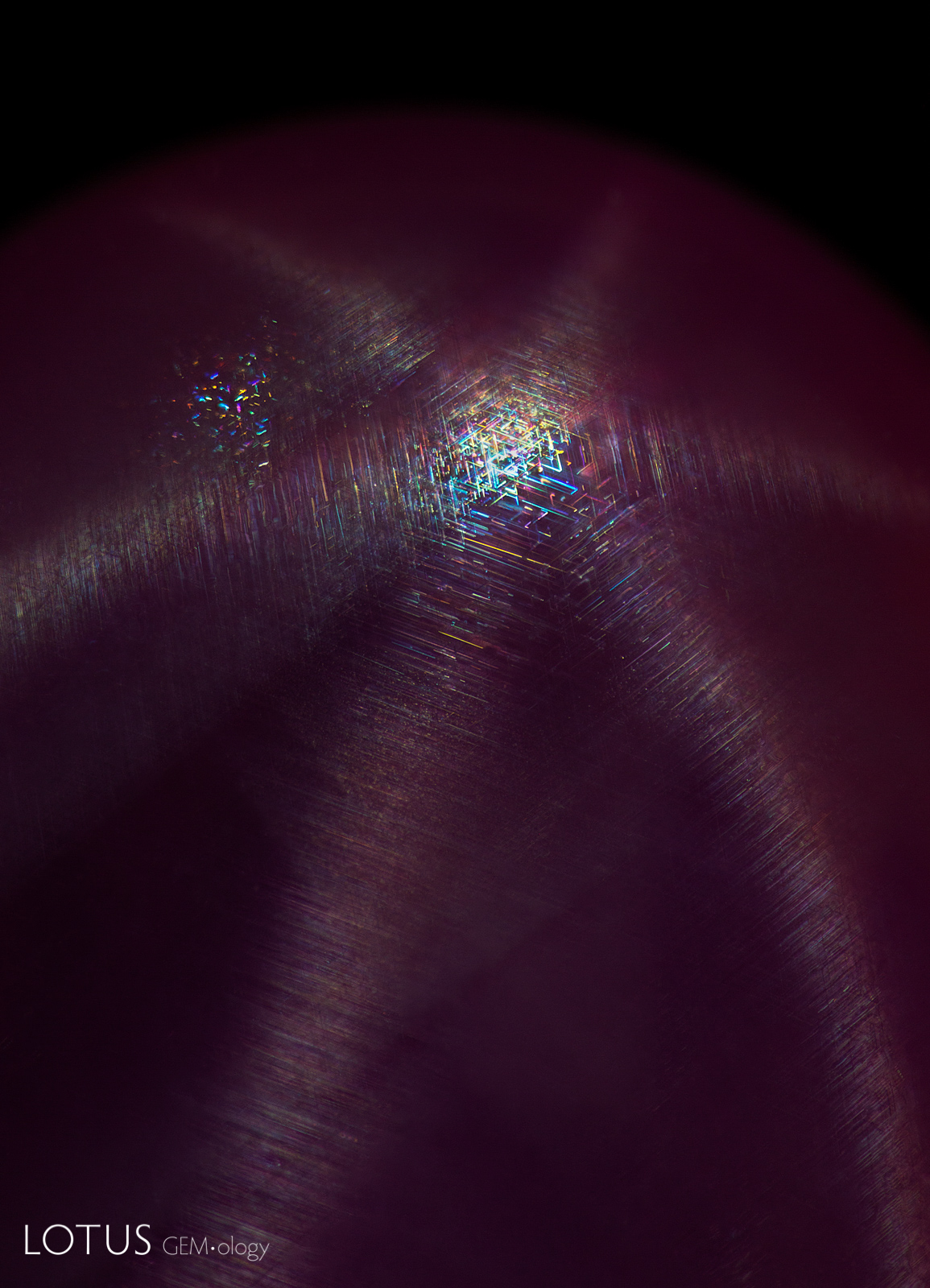
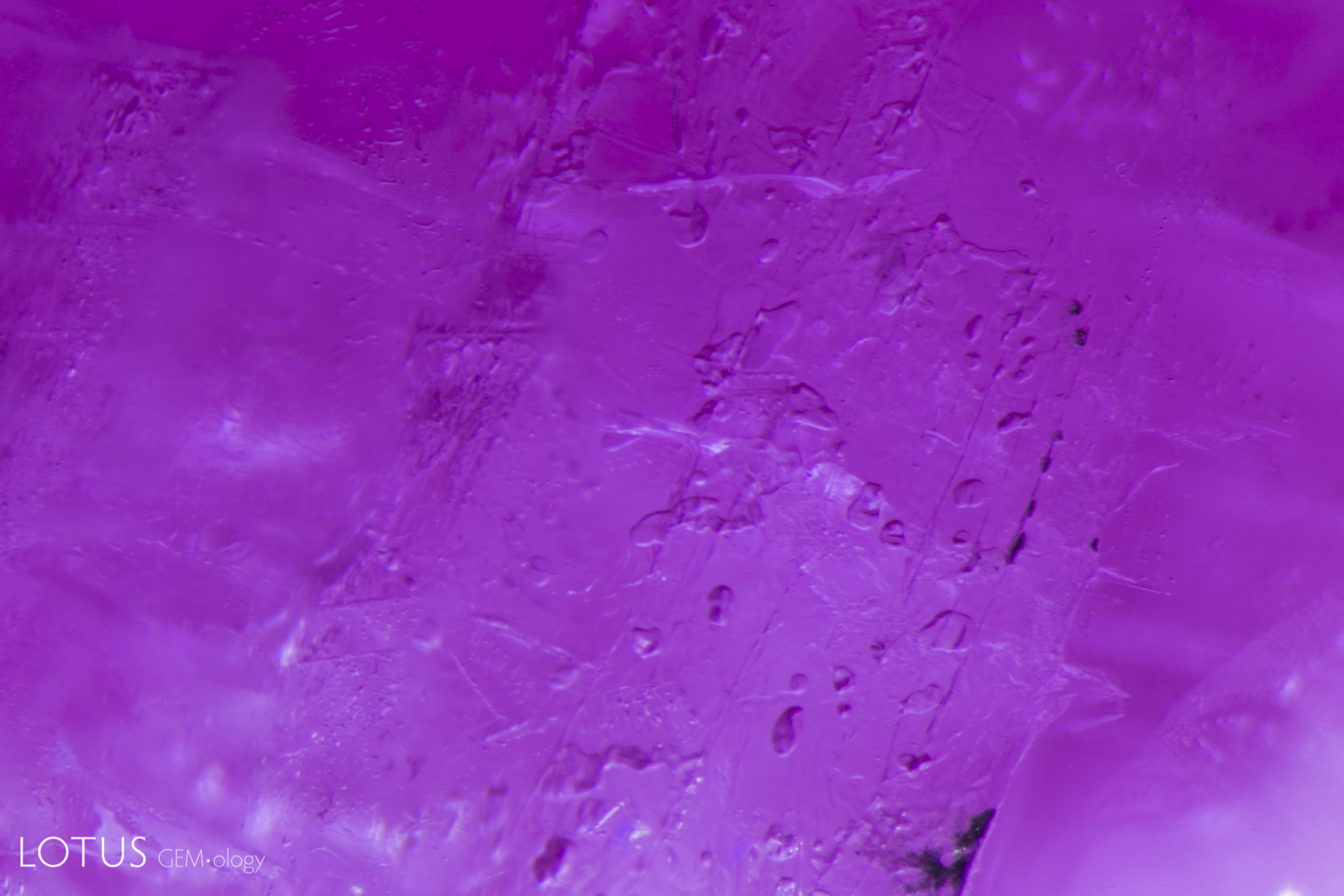
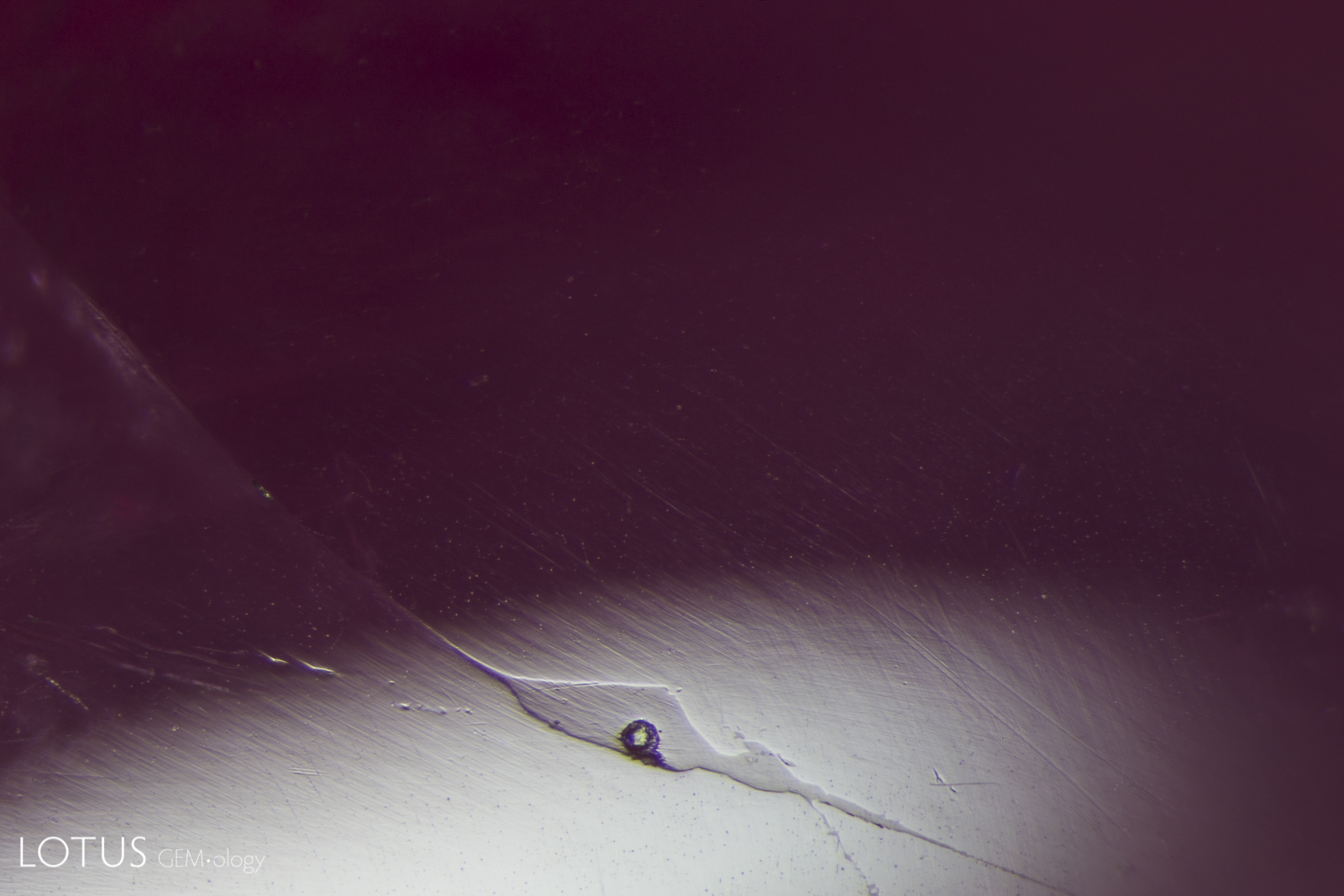
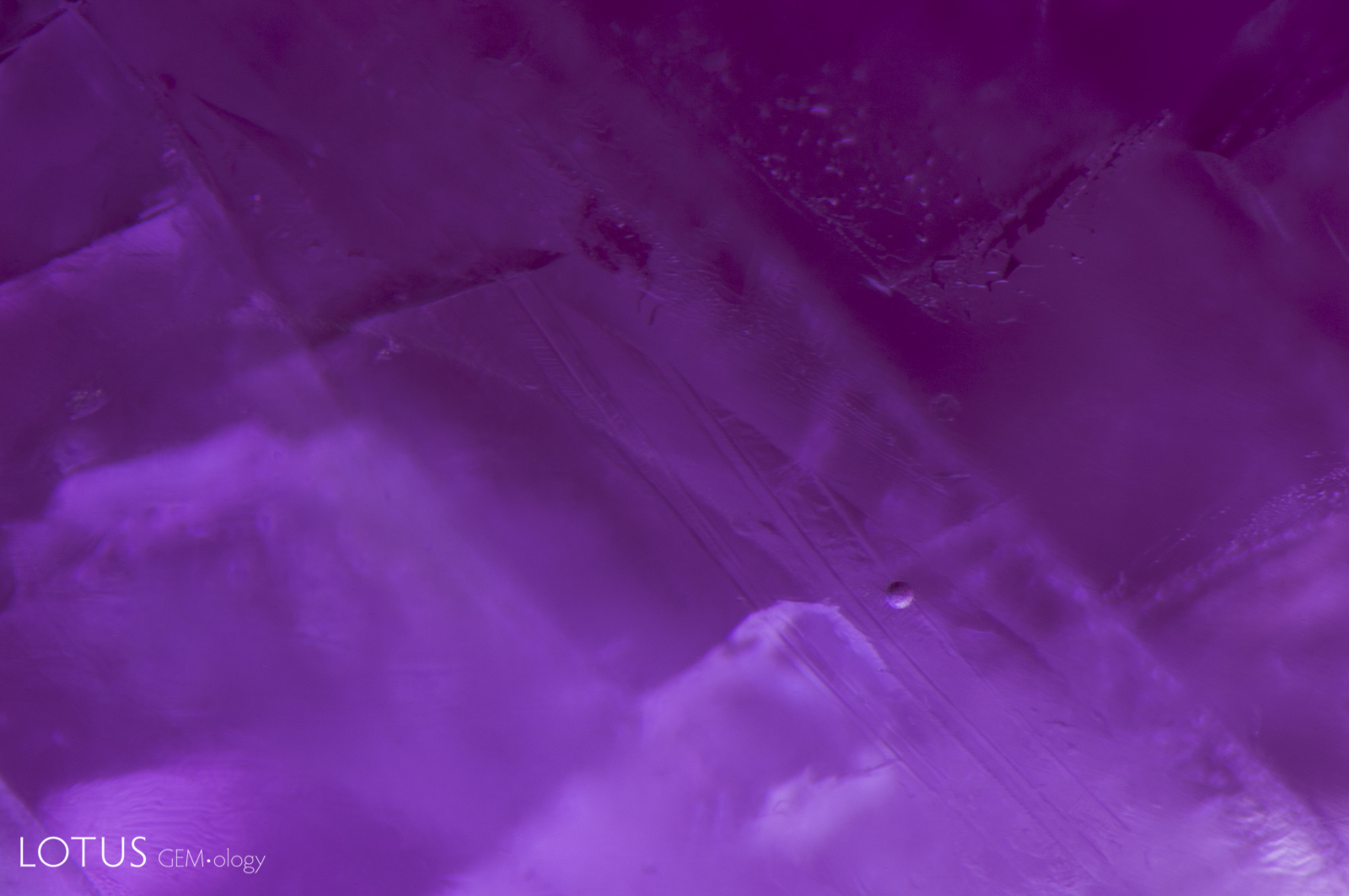
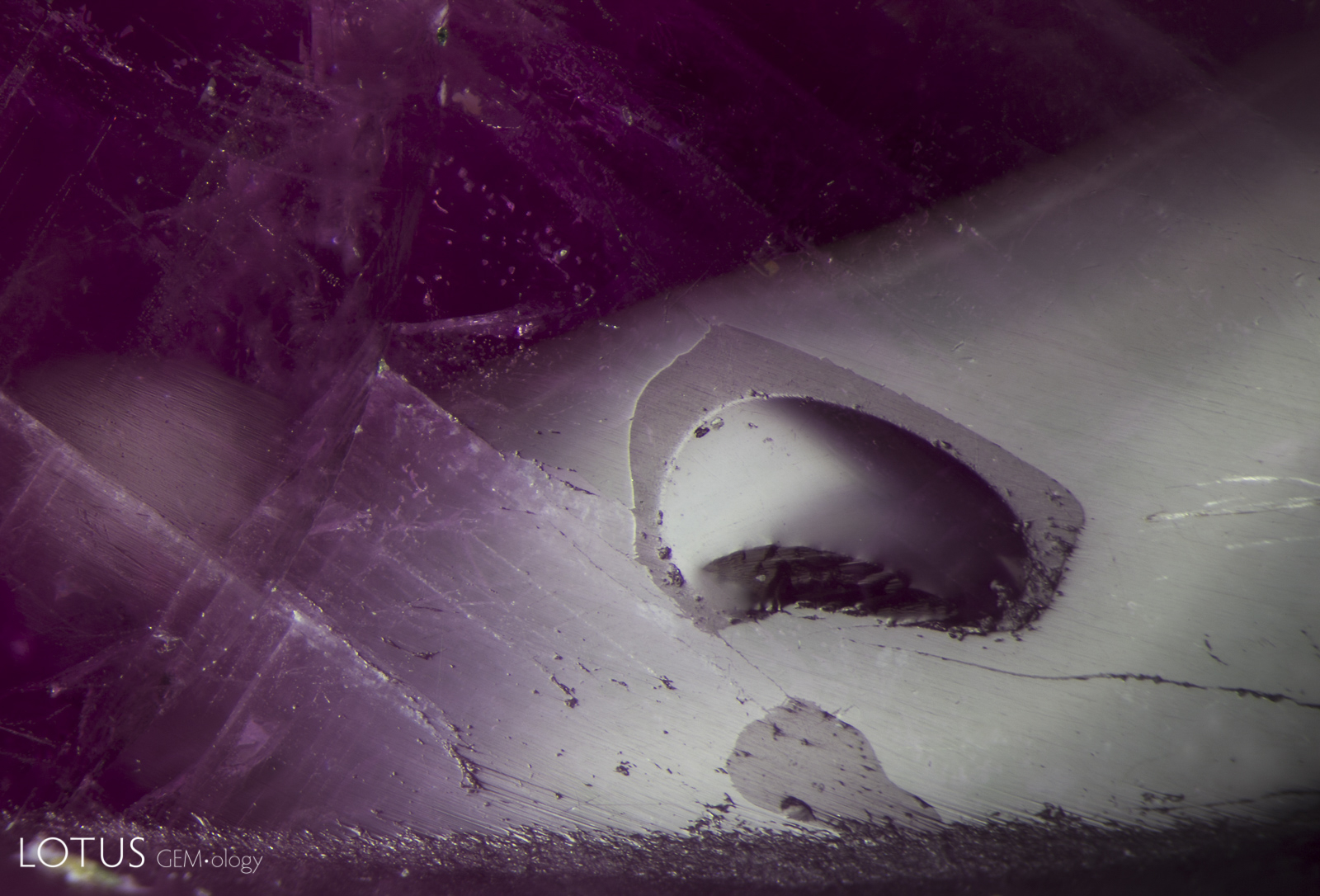
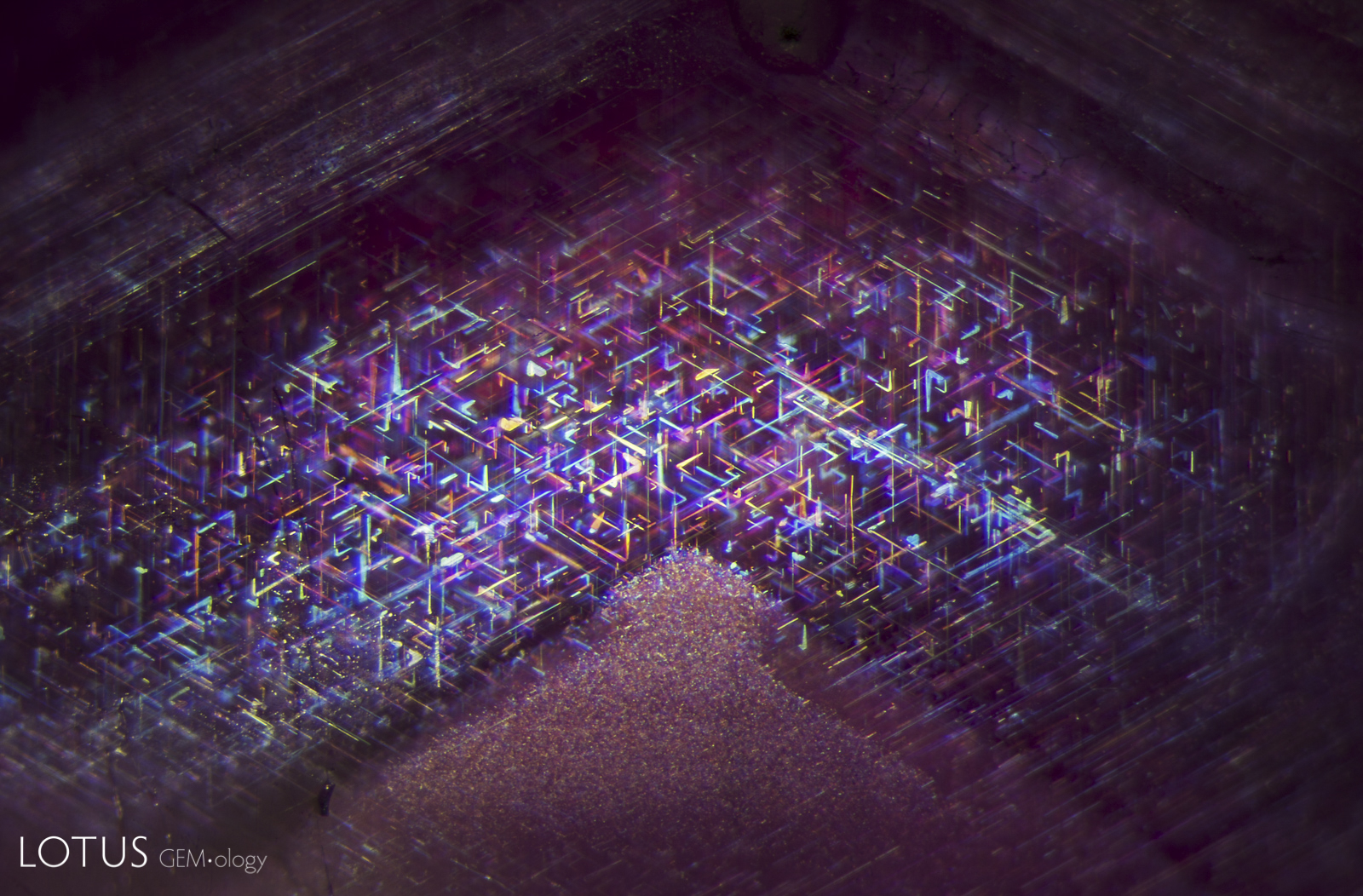
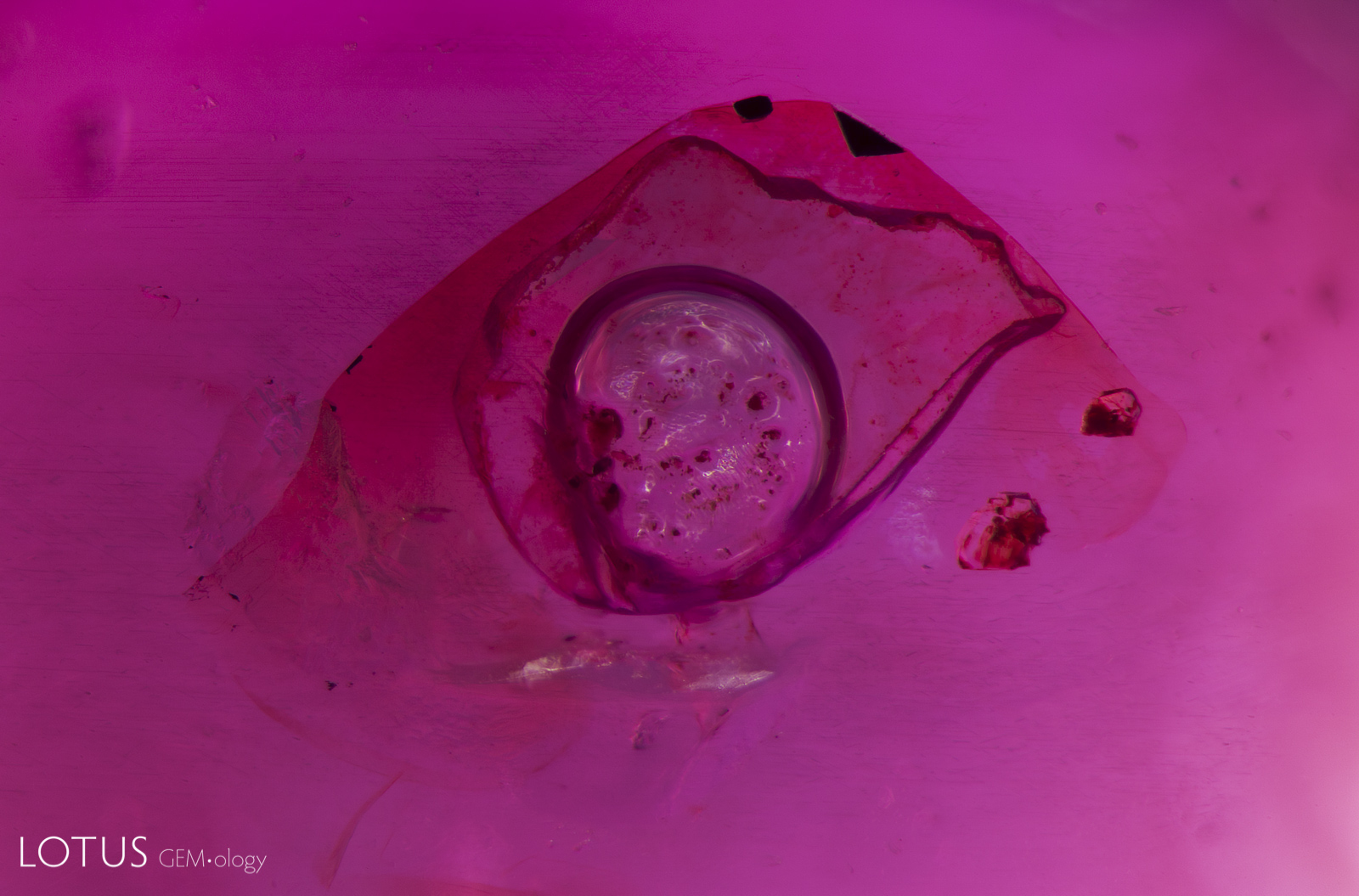
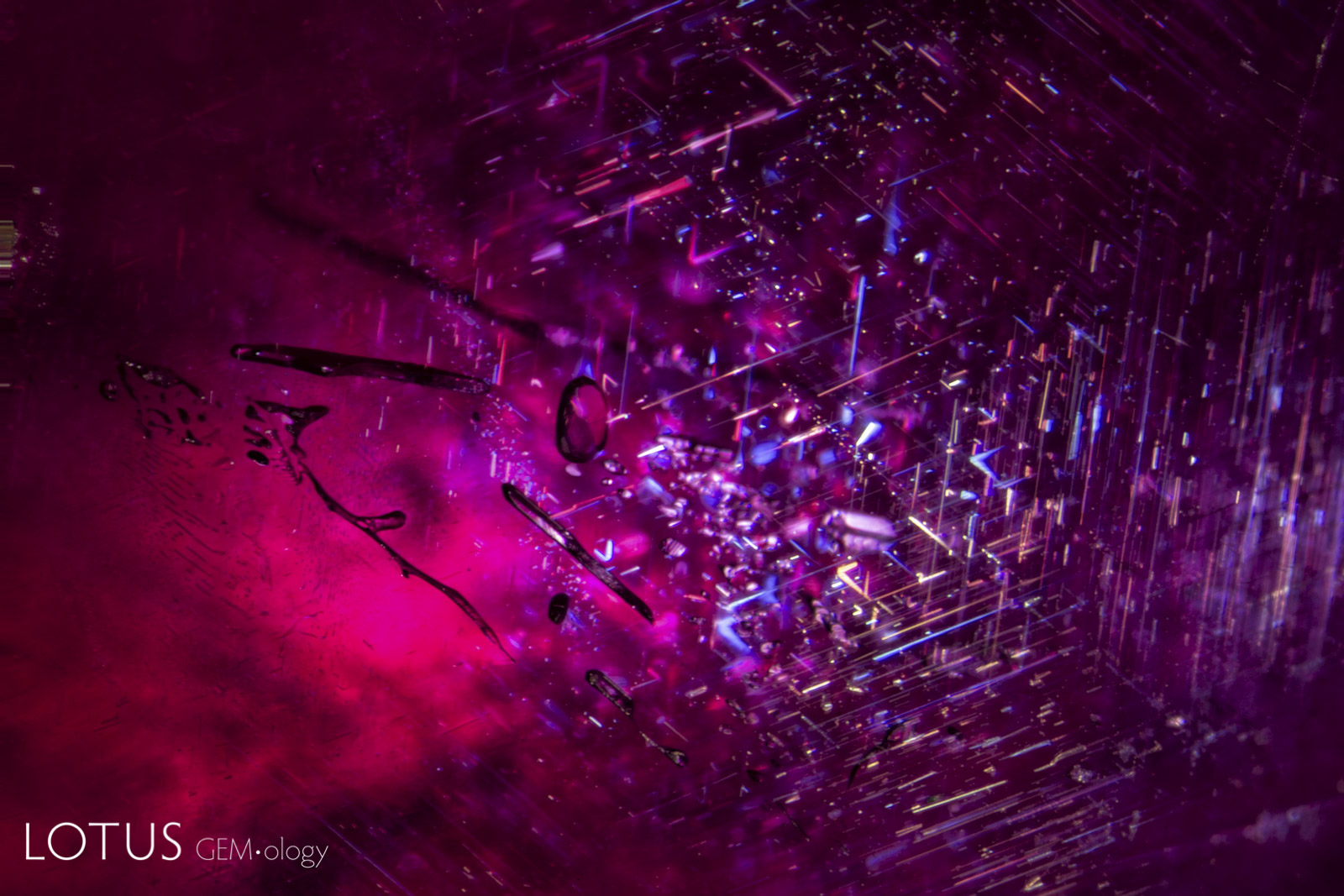
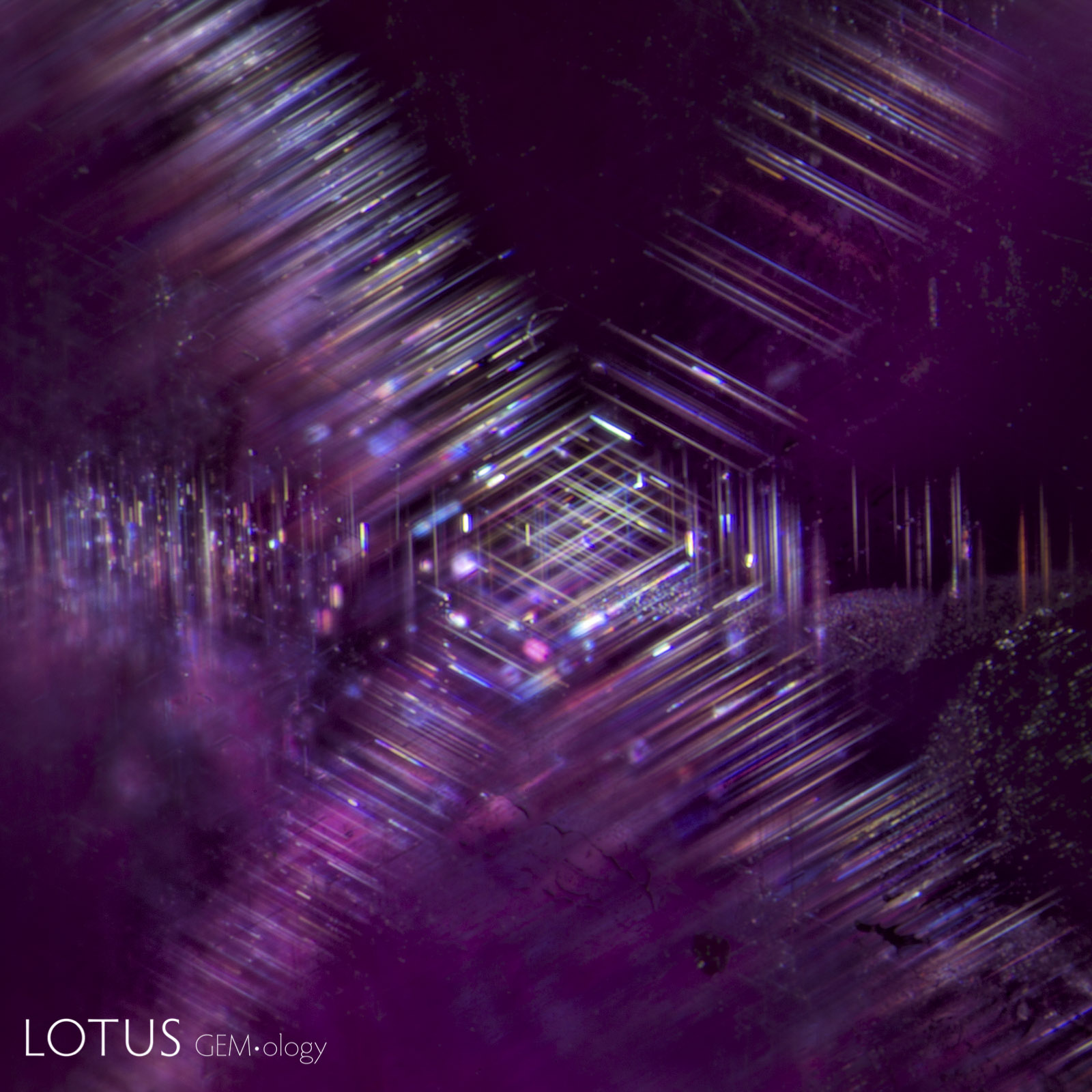
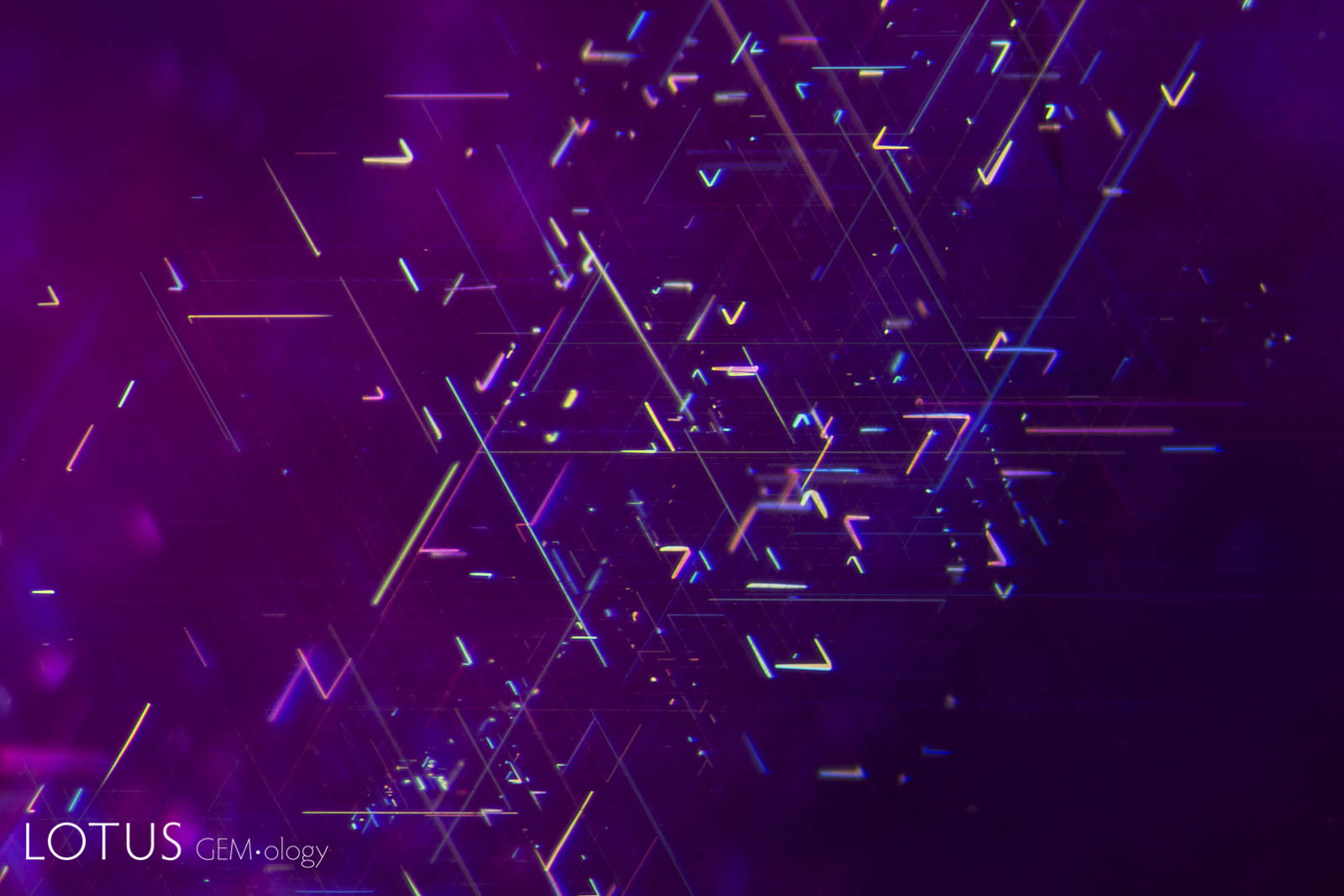
Explore star ruby inclusions in Hyperion, the Lotus Gemology inclusion database. Hyperion contains photomicrographs of inclusions and internal features in natural star rubies, documented with information on geographic origin, treatment, lighting conditions, field of view, photographer and published references.


Search the Complete Hyperion Database
Star ruby inclusions may include oriented rutile silk, mineral crystals, healed fissures, fluid inclusions, growth zoning and other features formed during or after crystal growth. Of particular importance are oriented inclusions capable of producing asterism when the stone is cut with the appropriate orientation.
Star Ruby Inclusion Photomicrographs
The Hyperion star ruby gallery includes microscopic features documented in natural star rubies from deposits around the world. Each entry is accompanied by descriptive information and, where available, references to the gemological literature.
What Inclusions Can Reveal About Star Ruby
Inclusions are fundamental to the study of star ruby because asterism results from light reflected by oriented internal features. Microscopic examination can help reveal the nature and orientation of these features, distinguish natural asterism from some artificial effects, recognize evidence of treatment and provide information relevant to geographic origin.
Hyperion combines inclusion photomicrography with supporting gemological information so that individual features can be compared with documented examples from natural star rubies.
About Hyperion
Hyperion is the Lotus Gemology searchable inclusion database. It allows users to browse gemstone inclusions by gem type, geographic origin, treatment and keyword.