
Gemology Books Bibliography

Gemology Books Bibliography

Explore books on gems, gemology, jewelry and mineralogy in Four Treasures, the Lotus Gemology reference database. This bibliography brings together matching book records from the collection, with publication details, abstracts and cover images where available.

Gemology Book References

The list below matches books concerning gemology and related subjects in the database's searchable fields. Some works cover several branches of gems, jewelry or mineralogy.
141–160 of 3,452 matching references

Colored Stones Unearthed: The diversity of gemstone deposits
Journal Article
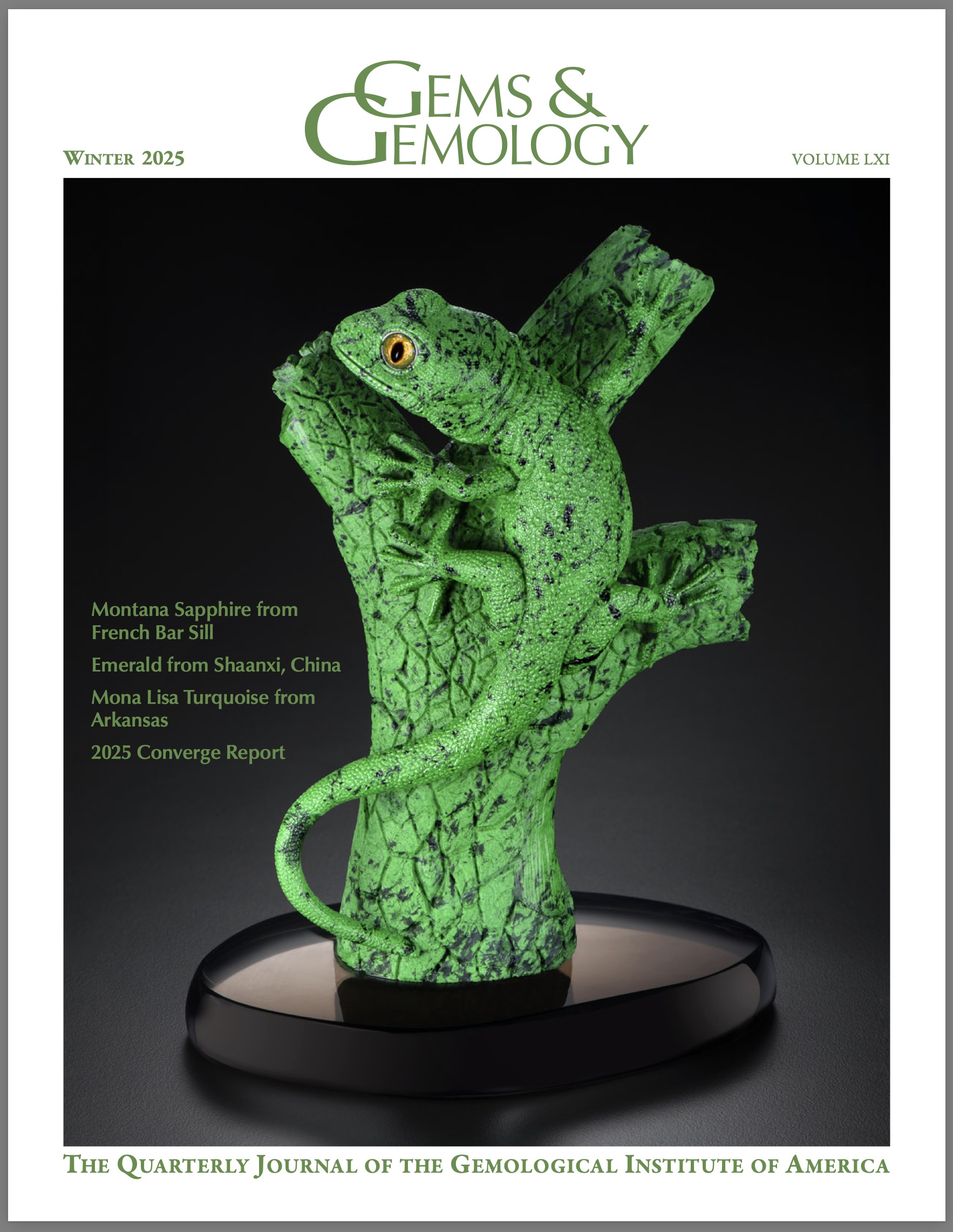
Palke, A.C., Shigley, J.E. and Vertriest, W. (2025) Colored Stones Unearthed: The diversity of gemstone deposits. Gems & Gemology, Vol. 61, No. 4, Winter, pp. 408–414.
Record No. 28176  |  Sinkankas/Born No.: NIS/NIB  |  RWHL*
It is widely recognized that some gem minerals often occur together in various localities—either in the same host rock or in the same deposit. Gem minerals each require a certain set of physical and chemical conditions for their formation. This edition of the Colored Stones Unearthed column will explore where specific gem minerals are found together and the conditions that produce these distinct geological settings.

Characterization of emeralds from Zhen'an County in Shaanxi, China
Journal Article
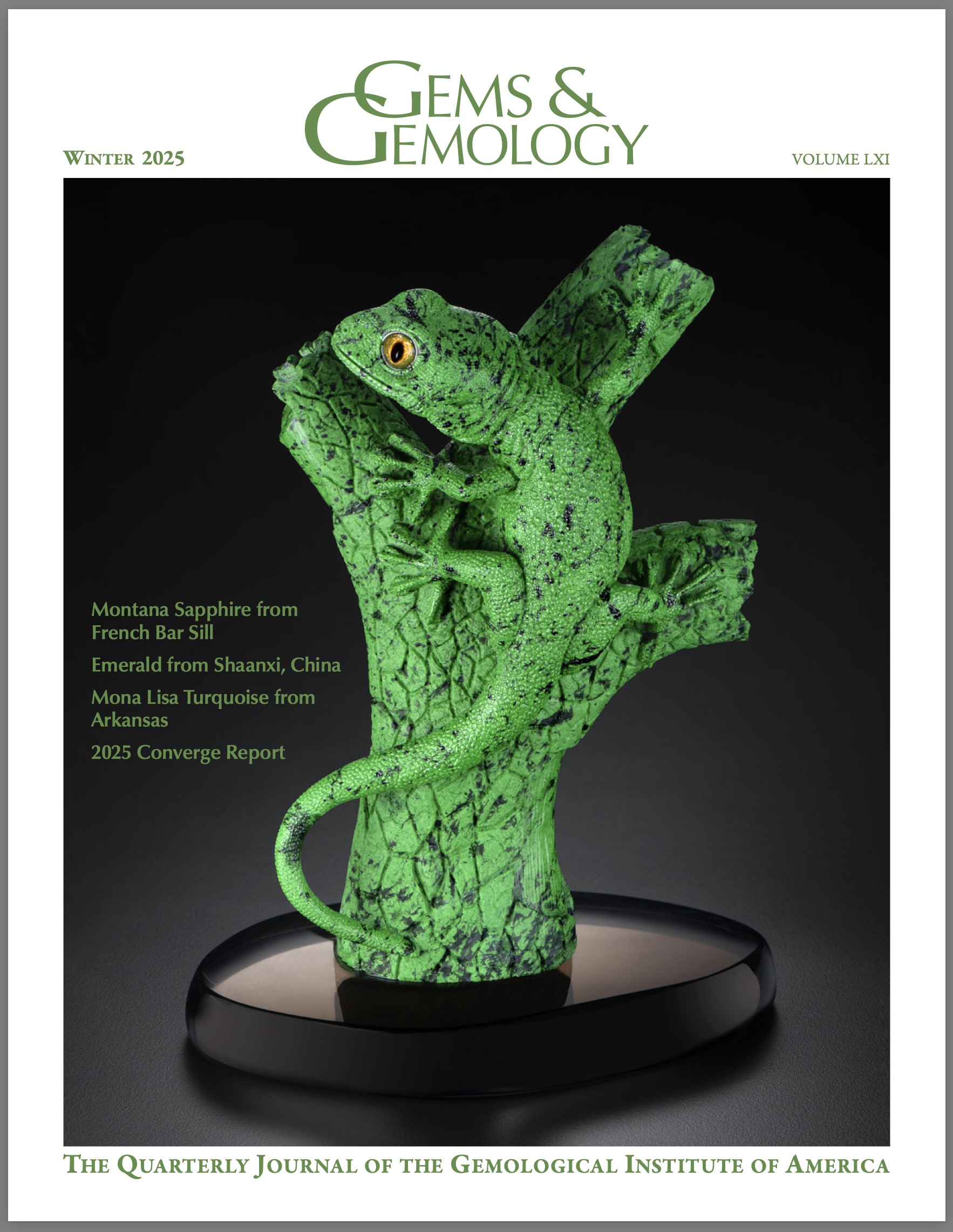
Guo, Y., Yu, X. and Zheng, Y. (2025) Characterization of emeralds from Zhen'an County in Shaanxi, China. Gems & Gemology, Vol. 61, No. 4, Winter, pp. 354–373.
Record No. 28172  |  DOI: http://dx.doi.org/10.5741/GEMS.61.4.354  |  Sinkankas/Born No.: NIS/NIB  |  RWHL*
In 2017, the first emerald deposit in the Qinling Orogenic Belt was found in Zhen’an County, Shaanxi Province, China. This study presents a comprehensive analysis of the gemological, spectroscopic, and trace element characteristics of a select set of Zhen’an emerald samples based on standard and advanced gemological methods, including gem microscopy, ultraviolet/visible/near-infrared spectroscopy, Fourier-transform infrared spectroscopy, Raman spectroscopy, and laser ablation–inductively coupled plasma–mass spectrometry. Microscopic studies revealed that Zhen’an emerald exhibits longitudinal striations and inclined growth steps on its hexagonal prism faces and contains an abundance of two-phase (gas/liquid) fluid inclusions. A variety of mineral inclusions were identified, including phlogopite, plagioclase, scheelite, calcite, talc, and hematite. Some crystals display color zoning, with a deeper green rim containing elevated vanadium and iron. Zhen’an emerald’s dominant chromophore is vanadium, and the material is characterized by a high vanadium concentration, notably low chromium, a moderate iron concentration, and an elevated ratio of gallium to cesium. These unique geochemical signatures of Zhen’an emerald, along with their internal features, could be a robust tool for discerning emerald from this deposit.

The primary sapphire occurrence at French Bar Sill along the Missouri River, near Helena, Montana
Journal Article
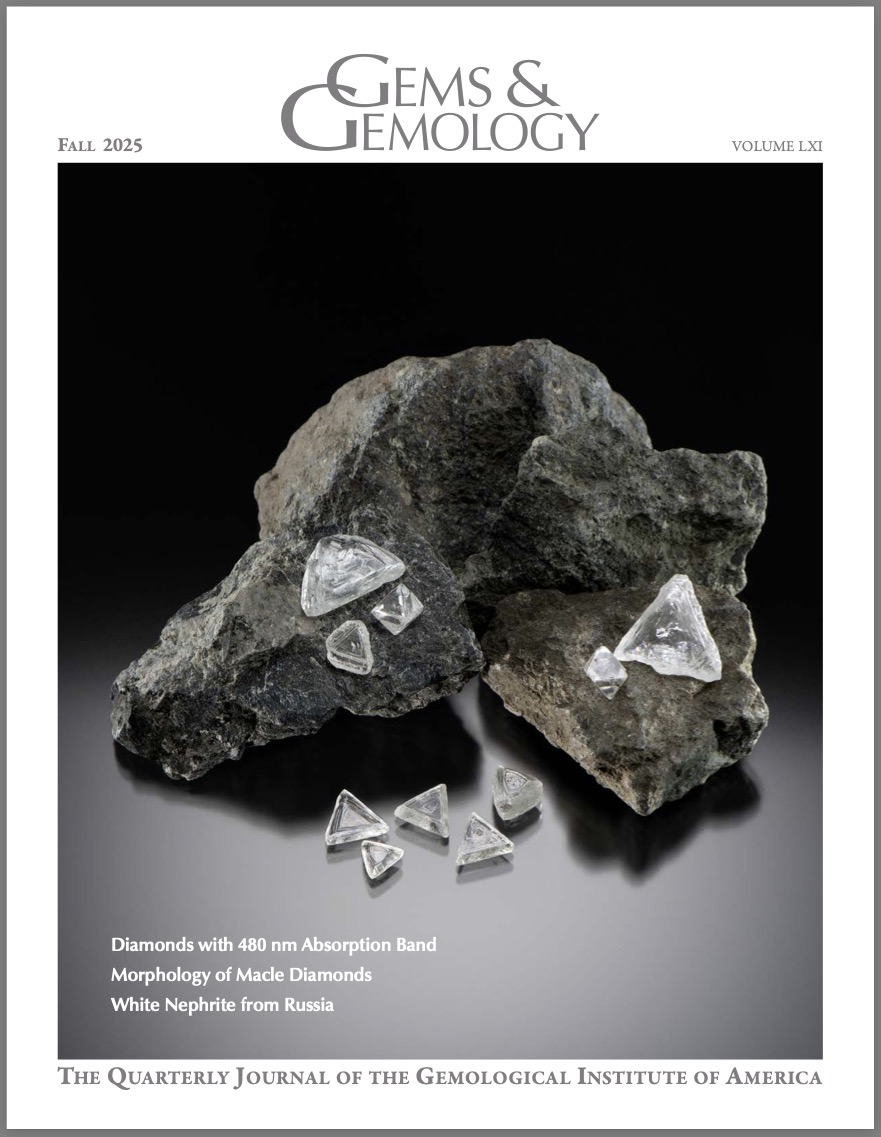
Kane, R.E., Pettman, K.L., Palke, A.C., Turnier, R.B., Berg, R.B., Renfro, N.D. and Smith, C.P. (2025) The primary sapphire occurrence at French Bar Sill along the Missouri River, near Helena, Montana. Gems & Gemology, Vol. 61, No. 4, Winter, pp. 332–353.
Record No. 28171  |  DOI: http://dx.doi.org/10.5741/GEMS.61.4.332  |  Sinkankas/Born No.: NIS/NIB  |  RWHL*
Sapphires have been mined in Montana since being discovered at Eldorado Bar, along the Missouri River, in 1865. The most valuable gold deposit in the area was mined near the top of the French Bar complex from 1867 to 1869. On portions of the Virginia terrace and the Center terrace, the French Bar sill, which sparsely contained sapphires in a host rock—identified here as a basaltic trachyandesite, but described elsewhere as a minette—was reported by Kunz in 1891. Other than Yogo Gulch, where the sapphires are in a lamprophyre dike, the French Bar sill is Montana’s only other source of gem-quality in situ sapphire. New ownership of the property in 2020 has resulted in the largest production to date, although it is still sparse. In this study, the authors examined 80 French Bar sill sapphires in matrix; 16 sapphires removed from the matrix, ranging from very small to 17.99 ct; 4 faceted stones; and 5 partly polished crystals. Trace element chemistry and inclusions were consistent with—and generally indistinguishable from—faceted Montana sapphires from the secondary deposits of the Missouri River, Rock Creek, and Dry Cottonwood Creek. This indicates that while the magmatic material (Eocene volcanism) that transported the sapphires from deep within the earth was different in certain cases, such as with French Bar sill, the genesis of the sapphires may be the same or similar. Many of the surface resorption features are similar, but one important distinction exists. Around 25% of Missouri River alluvial sapphires have encrustations of spinel, likely a result of reaction during transport by a mafic magma. Primary French Bar sill sapphires always have an encrustation of biotite (phlogopite) mica, but never spinel. The French Bar sill itself is certainly too small in extent to have supplied all the alluvial sapphires found at the Missouri River.

Gem News International: Low-temperature heat treatment of corundum and the behavior of the 3161 cm⁻¹ infrared band
Journal Article
Soonthorntanikul, W. and Palke, A.C. (2025) Gem News International: Low-temperature heat treatment of corundum and the behavior of the 3161 cm⁻¹ infrared band. Gems & Gemology, Vol. 61, No. 3, Fall, pp. 328–330.
Record No. 28142  |  Sinkankas/Born No.: NIS/NIB  |  RWHL*
The 3161 cm⁻¹ infrared (IR) band can be observed in variously colored natural corundum, most commonly in yellow sapphire. The presence of this feature is used frequently as supporting evidence to conclude that a sapphire has not been heat treated (C. M. Breeding and N. J. Ahline, “Infrared spectroscopy and its use in gemology,” Winter 2024 G&G, pp. 474–492). This 3161 cm⁻¹ band is often present with other less intense side bands known as the “3161 cm⁻¹ series” and includes features at ~3355, 3242, 3100 (shoulder), 2460, and 2420 cm⁻¹ (C. P. Smith and C. van der Bogert, “Infrared spectra of gem corundum,” Fall 2006 G&G, pp. 92–93). The exact origin of the 3161 cm⁻¹ band is not well understood, although it is thought to be related to stretching vibrations of hydroxyl groups caused by interstitial H⁺ ions present as charge compensation for Fe²⁺ substituting for Al³⁺ in the corundum structure (M. C. Jollands et al., “Vibrational properties of OH groups associated with divalent cations in corundum (α-Al₂O₃),” European Journal of Mineralogy, Vol. 35, No. 5, 2023, pp. 873–890).

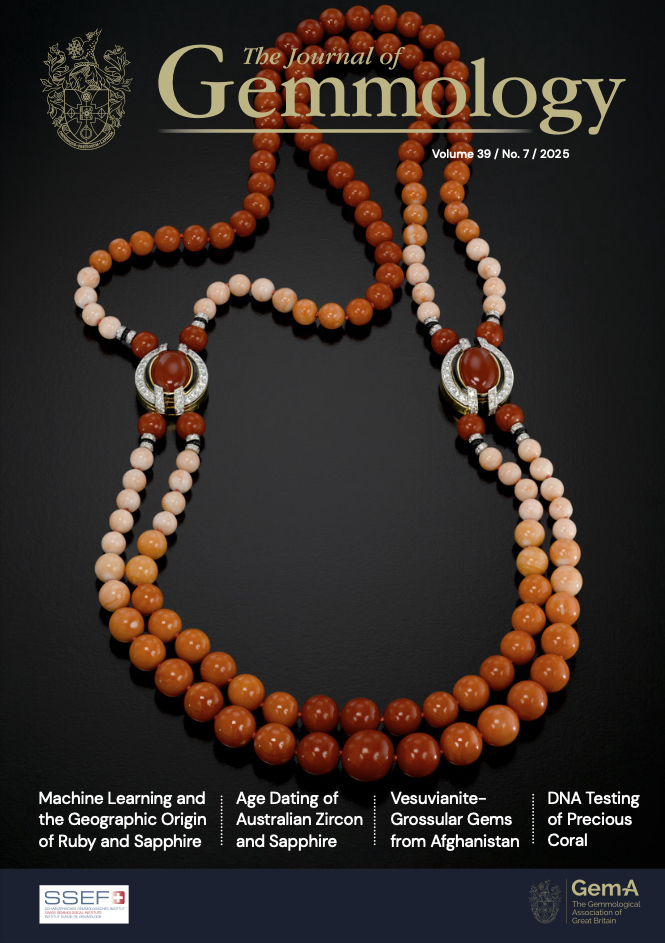
Age dating of gem-quality zircon and sapphire from the New England gem fields, New South Wales, Australia, and its application to the geological origin of the sapphires
Journal Article
Abduriyim, A., Sutherland, F.L., Coldham, T.S. and Belousova, E. (2025) Age dating of gem-quality zircon and sapphire from the New England gem fields, New South Wales, Australia, and its application to the geological origin of the sapphires. Journal of Gemmology, Vol. 39, No. 7, pp. 656–671.
Record No. 28096  |  DOI: https://doi.org/10.15506/JoG.2025.39.7.656  |  Sinkankas/Born No.: NIS/NIB  |  RWHL*
Transparent pale yellow to brown zircon megacrysts occur with gem corundum in alluvial deposits linked to alkali basalts of the Inverell–Glen Innes District, New South Wales, Australia. Previous LA-ICP-MS analyses of zircons from Kings Plains, Mary Anne Gully, and Swan Brook showed chemical homogeneity and yielded two age groups: 216–174 Ma (Late Triassic–Early Jurassic) and 45–37.7 Ma (Eocene). New U-Pb dating of zircon inclusions in gem-quality blue sapphires produced concordant ages of 37 ± 1.7 Ma (Kings Plains) and 35.1 ± 1.6 Ma (Mary Anne Gully), matching the 38–33 Ma K-Ar ages of the Maybole volcanic suite and aligning with the younger zircon population. These results, together with gemmological and chemical evidence, demonstrate a genetic connection between sapphire crystallisation in the deep crust or mantle and subsequent transport to the surface by alkali basaltic magmas.

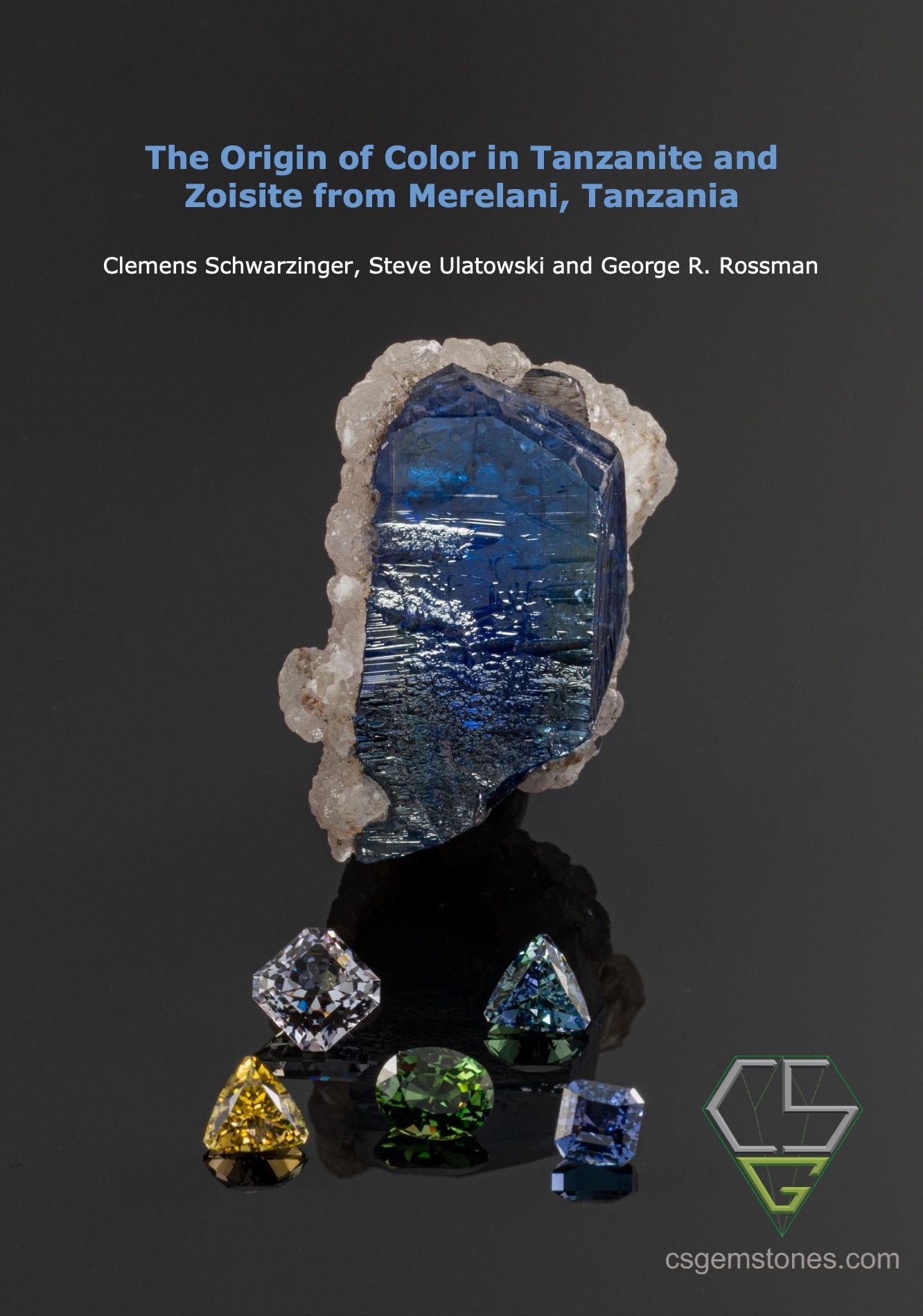
Machine-learning applications in gemmology: Classifying the geographic origin of ruby and sapphire using chemical data
Journal Article
Seneewong-Na-Ayutthaya, M., Sripoonjan, T., Wanthanachaisaeng, B., Leelawatanasuk, T., Lhuaamporn, T. and Suwanmanee, W. (2025) Machine-learning applications in gemmology: Classifying the geographic origin of ruby and sapphire using chemical data. Journal of Gemmology, Vol. 39, No. 7, pp. 634–655.
Record No. 28095  |  Sinkankas/Born No.: NIS/NIB  |  RWHL*
Determining the geographic origin of ruby and sapphire is vital for their valuation, authentication, and ethical sourcing, yet traditional methods relying on expert assessment of visual, chemical, and spectroscopic traits can be subjective and inconclusive when deposits share overlapping features. This study applies machine learning to trace-element geochemical data from rubies and sapphires analyzed by EDXRF and LA-ICP-MS. Models trained on LA-ICP-MS data, with its superior sensitivity, achieved markedly higher classification accuracy than those based on EDXRF. Among the algorithms tested, random forests and artificial neural networks exceeded 90% accuracy for both ruby and sapphire, though metamorphic sapphires remained the most difficult to classify due to overlapping chemical profiles. The findings highlight machine learning’s potential to revolutionize gemmology by providing a scalable, reproducible, and objective framework for origin determination, paving the way for more standardized gem certification.

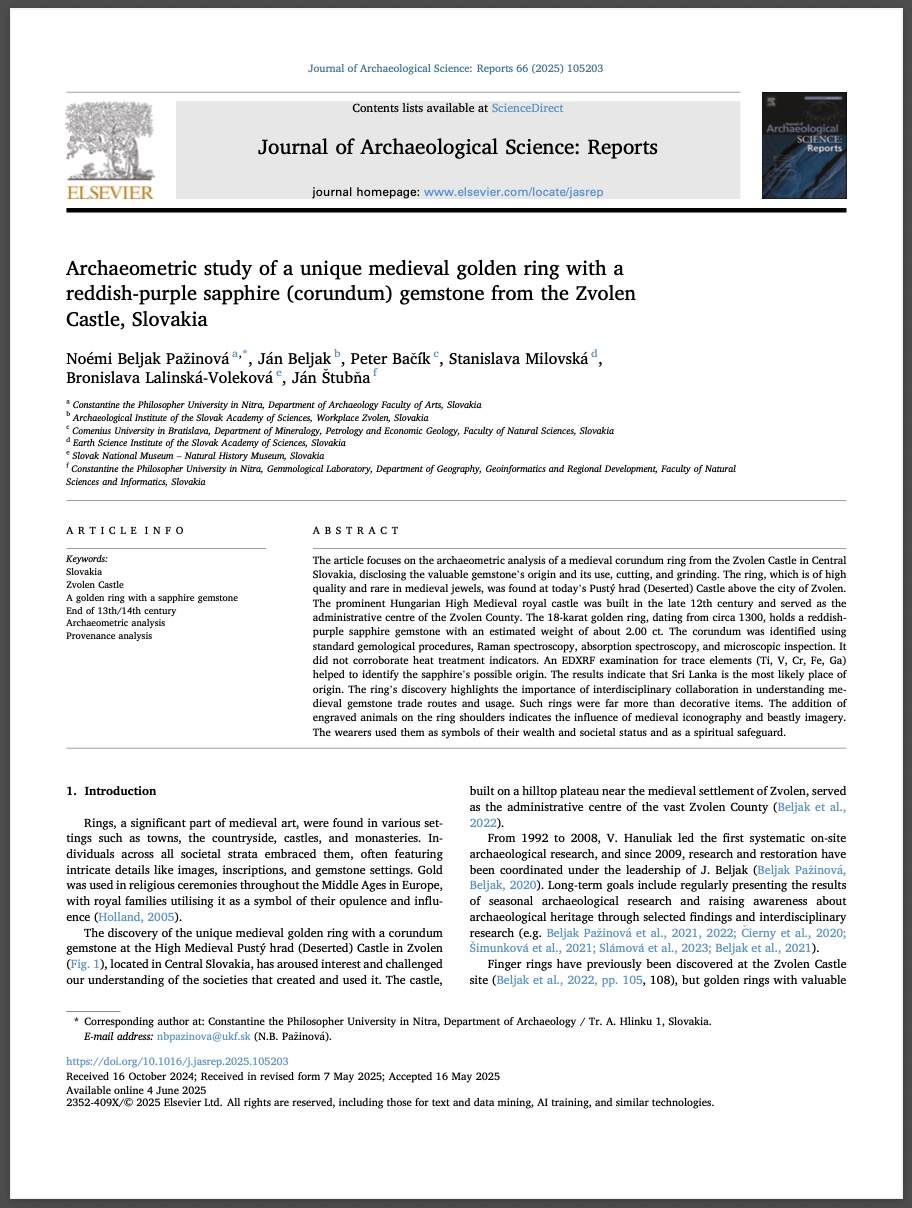
The Origin of Color in Tanzanite and Zoisite from Merelani, Tanzania
Electronic Article
Schwarzinger, C., Ulatowski, S. and Rossman, G.R. (2025) The Origin of Color in Tanzanite and Zoisite from Merelani, Tanzania., 22 pp.
Record No. 28070  |  Sinkankas/Born No.: NIS/NIB  |  RWHL*
Zoisite and especially its blue-to-violet variety tanzanite are popular gemstones. While the mineral is found in several places around the world, gem quality material mostly comes from a region southeast of Mount Kilimanjaro in Tanzania. Naturally blue to violet material is rather rare but a simple heat treatment can convert much of the off-colored, yellowish or grayish rough, which represents the majority of the crystals unearthed, to violet or blue colors of various tones and saturation. The source of violetish blue color are small amounts of vanadium substituting for aluminum but little is known that zoisite can also be found in other attractive colors, such as yellow, green, pink or even colorless. In this article we investigate zoisites from Merelani, Tanzania and correlate their colors with the presence and concentration of trace elements, as well as the changes in color after heat treatment. Vanadium in blue, chromium in green, manganese in pink to red and an iron titanium intervalence charge transfer complex in yellow zoisites have been found to be the most important chromophores but also rare earth elements such as neodymium seem to play a role in coloration when present in larger amounts, e.g. in orange stones.

Archaeometric study of a unique medieval golden ring with a reddish-purple sapphire (corundum) gemstone from the Zvolen Castle, Slovakia
Journal Article
Pažinová, N.B., Beljak, J., Bačík, P., Milovská, S., Lalinská-Voleková, B. and Štubňa, J. (2025) Archaeometric study of a unique medieval golden ring with a reddish-purple sapphire (corundum) gemstone from the Zvolen Castle, Slovakia. Journal of Archaeological Science: Reports, No. 66, 16 pp..
Record No. 27011  |  DOI: https://doi.org/10.1016/j.jasrep.2025.105203  |  Sinkankas/Born No.: NIS/NIB  |  RWHL*
This article presents an archaeometric study of a medieval corundum ring discovered at Pustý hrad (Deserted Castle) above Zvolen in Central Slovakia, shedding light on the gemstone’s origin, use, and craftsmanship. The ring, dating to around 1300, is an 18-karat gold piece set with a rare reddish-purple sapphire estimated at approximately 2.00 carats—an exceptional find in the context of medieval jewellery. Identified as corundum through standard gemological methods, Raman and absorption spectroscopy, and microscopic inspection, the stone showed no evidence of heat treatment. EDXRF analysis of trace elements (Ti, V, Cr, Fe, Ga) points to Sri Lanka as the probable source. The ring’s origin and quality underscore the sophistication of medieval trade networks and the symbolic value of such objects, which were not merely ornamental but also conveyed wealth, status, and spiritual protection. The engraved animal motifs on the ring’s shoulders reflect the influence of medieval iconography, illustrating the broader cultural and symbolic dimensions of gem-set jewellery in the High Middle Ages.

G&G Micro-World: Prismatic zircon in Kashmir sapphire
Journal Article
Estrella, A. and Smith, T. (2025) G&G Micro-World: Prismatic zircon in Kashmir sapphire. Gems & Gemology, Vol. 61, No. 1, Spring, p. 80.
Record No. 26866  |  ISBN/ISSN: 16626  |  Sinkankas/Born No.: NIS/NIB  |  RWHL*
Recently, the author examined a faceted blue oval sapphire. Standard gemological properties and chemical analysis indicated a geographic origin of Kashmir. Microscopic examination revealed internal graining, fine particle banding, and fingerprint inclusions. Interestingly, elongated zircon inclusions were also observed, displaying attractive birefringent interference colors under cross-polarized filters caused by the splitting of light in the doubly refractive crystals. Kashmir sapphire is one of the rarest and most valuable gemstones in the world, renowned for its beauty and quality, and this stone was no exception. [RWH: With brief notes like this, one should not place too much confidence in the origin determination]

Lab Notes: Irreversible photochromism in synthetic sapphire
Journal Article
Estrella, A. and Smith, T. (2025) Lab Notes: Irreversible photochromism in synthetic sapphire. Gems & Gemology, Vol. 61, No. 1, Spring, p. 70.
Record No. 26864  |  ISBN/ISSN: 16626  |  Sinkankas/Born No.: NIS/NIB  |  RWHL*

Emeralds in Catherine de’ Medici’s pendant: An unexpected geographic origin
Journal Article
Panczer, G., Fesquet, R., Moshi, L., Riondet, G., Cassius-Duranton, M.-L., Gilles-Guéry, L., Delaunay, A. and Karampelas, S. (2025) Emeralds in Catherine de’ Medici’s pendant: An unexpected geographic origin. Gems & Gemology, Vol. 61, No. 1, Spring, pp. 44–56.
Record No. 26863  |  ISBN/ISSN: 16626  |  DOI: http://dx.doi.org/10.5741/GEMS.61.1.44  |  Sinkankas/Born No.: NIS/NIB  |  RWHL*
A sixteenth-century pendant on display at the Museum of the National Library of France in Paris has been linked to Catherine de’ Medici, Queen of France from 1547 to 1559, and François Dujardin, goldsmith to King Charles IX beginning in 1570. The pendant is adorned with two emeralds that one historian claimed were Colombian without documentation or scientific proof. This study aims to confirm the nature of these emeralds and determine their geographic origin. The microscopic, spectroscopic, and chemical data collected in this study indicate that these two emeralds are from Pakistan. The presence of emeralds from Pakistan in this sixteenth-century European pendant provides strong evidence of the existence of trade routes between Asia and Europe during this period of time, or even before, and suggests such emeralds might be present in other royal jewels.

Archaeological Stones and Their Macroscopic Identification
Book
Harrell, J.A. (2025) Archaeological Stones and Their Macroscopic Identification. Oxford, Archaeopress, 284 pp.
Record No. 26746  |  ISBN/ISSN: 9781800000000  |  Sinkankas/Born No.: NIS/NIB  |  RWHL*

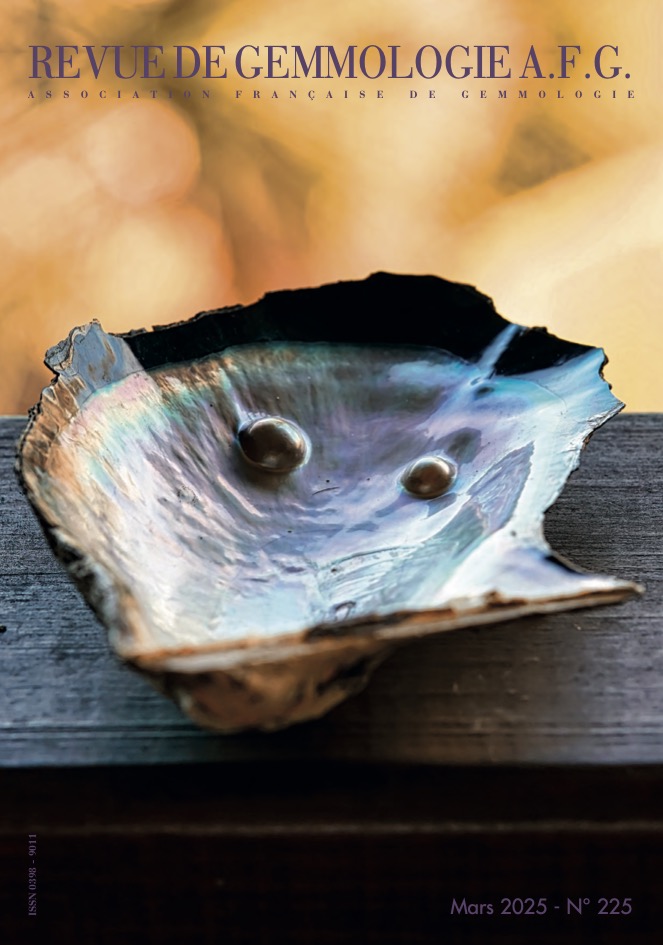
Research on glass imitation jade culture in the ancient Chinese Silk Road
Journal Article
Huang, S., Wang, Z. and Zhu, J. (2025) Research on glass imitation jade culture in the ancient Chinese Silk Road. Scientific Reports, Vol. 15, No. 4674,
Record No. 26406  |  DOI: https://doi.org/10.1038/s41598-025-87468-9  |  Sinkankas/Born No.: NIS/NIB  |  RWHL*
This paper undertakes a multi-dimensional exploration of the glass imitation jade culture under the context of the ancient Silk Road, tracing the historical trajectory of glass manufacturing technology from West Asia to China, especially after the Han Dynasty, when the flourishing trade along the Silk Road facilitated the integration of foreign glass craftsmanship with China’s indigenous imitation jade tradition. This integration prompted Chinese glass artifacts to not only incorporate foreign techniques but also emphasize the texture and cultural symbolism of jade. Through systematic archaeological excavations and historical text analysis, this study delves into the unique phenomenon of glass imitation jade on the ancient Silk Road in China, providing detailed exposition on the formation, characteristics, and profound impact of this cultural practice. Imitation jade culture extends beyond physical forms, permeating material selection, technological innovation, and cultural symbol inheritance. As a gem of ancient Chinese craft art, the glass imitation jade culture offers valuable insights into understanding the aesthetic features of ancient cultures, cultural exchange patterns, and the evolution of craft technologies. This paper innovatively proposes that ancient glass-making practices imitation jade can serve as a new means to actively protect natural jade resources in modern times, offering a fresh perspective for the exploration and study of the Silk Road cultural heritage.

Le traitement thermique des gemmes: Histoire d’un savoir-faire ancestral, de l’expérience à la science
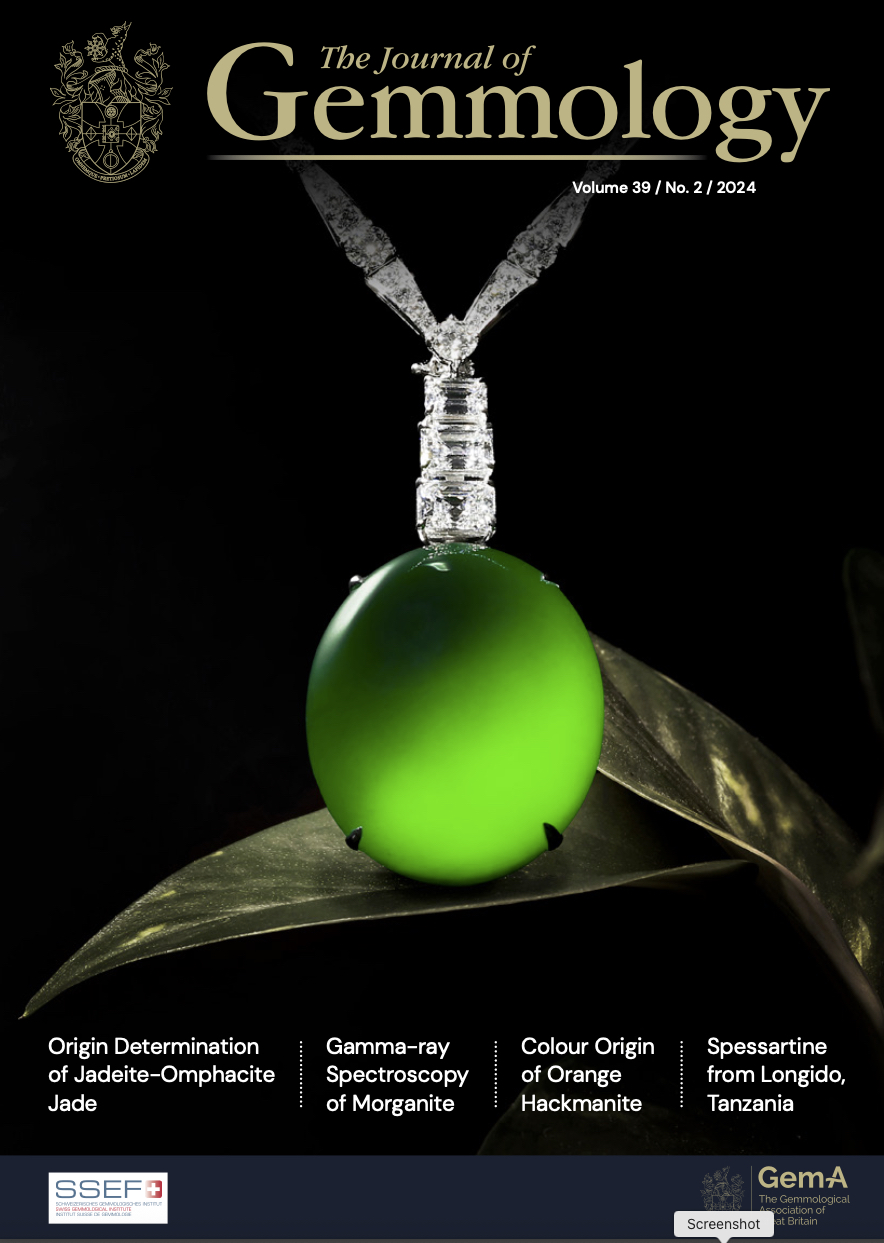
The heat treatment of gemstones: The history of an ancestral skill, from experience to science
Journal Article
Cassius-Duranton, M.-L. (2025) Le traitement thermique des gemmes: Histoire d’un savoir-faire ancestral, de l’expérience à la science. [The heat treatment of gemstones: The history of an ancestral skill, from experience to science] Revue de Gemmologie A.F.G., No. 225, March, pp. 16–20.
Record No. 26335  |  Sinkankas/Born No.: NIS/NIB  |  Language: in French  |  RWHL*
The history of heat treatment falls within an interdisciplinary field of inquiry, involving the reconstruction of know-how from archaeological discoveries; drawing on pre-scientific written sources, when available—chiefly lapidaries, alchemical treatises, and technical recipe books; experimenting with the methods described in those texts; and conducting gemological analyses to determine whether the gemstones have been heat-treated. Until now, experiments and analyses have mainly been carried out in the archaeological sphere, primarily in prehistoric and protohistoric contexts, as part of research into the lithic industry. In contrast, this question has been scarcely addressed for later periods such as the Middle Ages and the modern era (5th century to the end of the 18th century). It is important to emphasize that in ancient texts, one finds both practices with actual effectiveness and magical practices rooted in belief and ritual—such as the use of goat’s blood to cut diamond, first mentioned by Pliny the Elder in Natural History (Book 37, Chapter 15, Section 3) in the 1st century, and later repeated in treatises on gems, even during the Renaissance. Furthermore, reconstructing these recipes is not always easy, as those who wrote them were not necessarily those who practiced them, and one must not underestimate the secretive nature of these valuable skills.

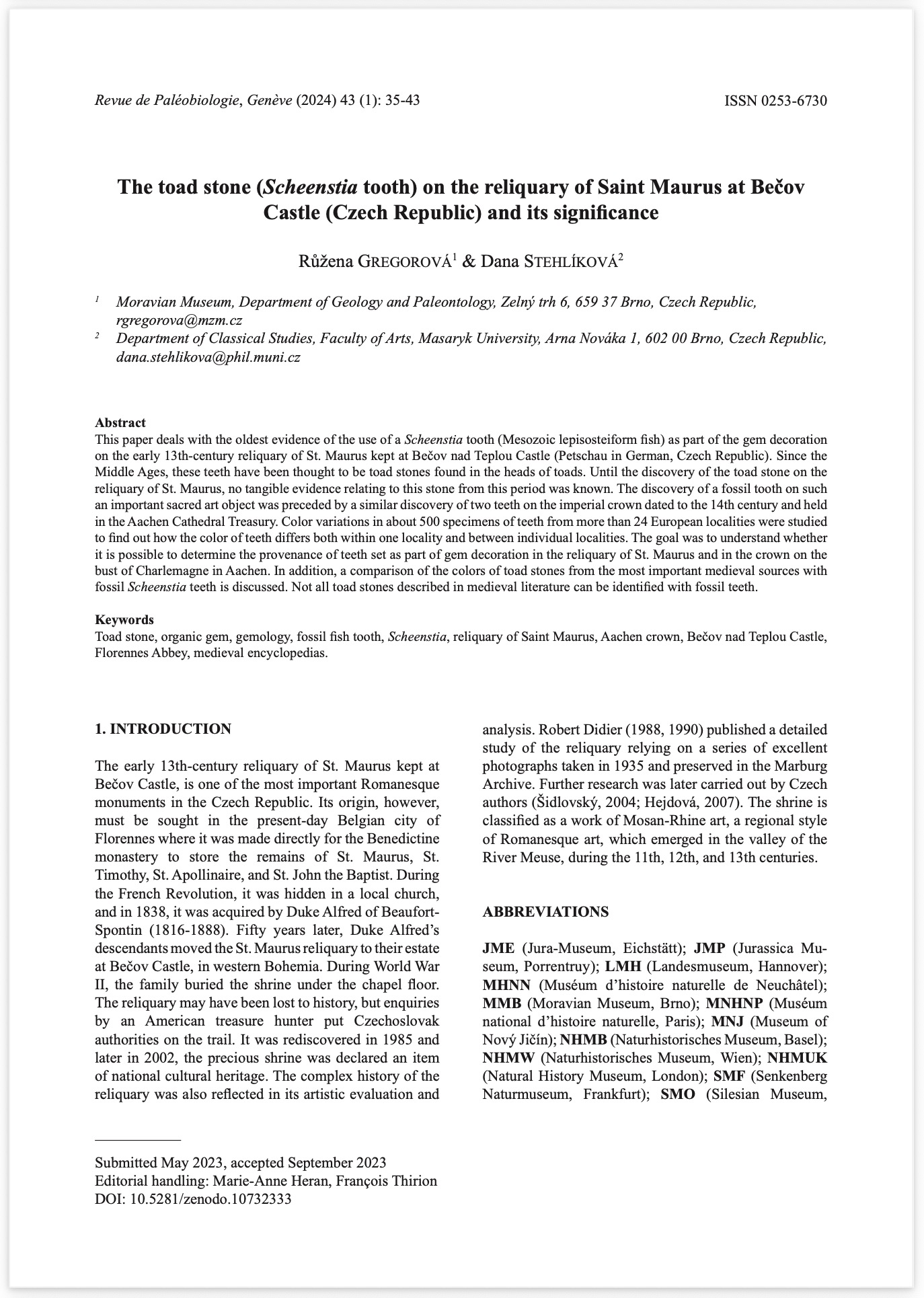
Geographic origin determination of high-quality green jadeite-omphacite jade (fei cui) from Myanmar, Guatemala and Italy using statistical processing coupled with spectroscopic and chemical analyses
Journal Article
Liu, S., Man, K., Seneewong-Na-Ayutthaya, M., Jakkawandvibul, J. and Lee, T. (2024) Geographic origin determination of high-quality green jadeite-omphacite jade (fei cui) from Myanmar, Guatemala and Italy using statistical processing coupled with spectroscopic and chemical analyses. Journal of Gemmology, Vol. 39, No. 2, pp. 123–144.
Record No. 28122  |  Sinkankas/Born No.: NIS/NIB  |  RWHL*
Twenty-seven samples of high-quality green jadeite–omphacite jade from Myanmar, Guatemala, and Italy were characterized to develop a methodology for geographic origin determination and to establish a workflow suitable for commercial gemmological laboratories. The specimens were analyzed using UV-Vis-NIR, FTIR, and Raman spectroscopy, as well as EDXRF and LA-ICP-MS chemical analysis. Statistical processing was applied to compare features and identify discriminant factors. This integrated approach yielded promising and practical results for distinguishing jadeite–omphacite jade from these localities. The most useful elements measured by EDXRF were Ti, Cr, Fe, and Ni, while those identified by LA-ICP-MS were Sc, V, Zn, and Au. For origin determination, LA-ICP-MS provided excellent differentiation power (100% separation rate), and the other four methods individually demonstrated varying separation power (≥67%). The combination of spectroscopic methods with EDXRF chemical analysis effectively compensates for the limitations of each individual technique.

The toad stone (Scheenstia tooth) on the reliquary of Saint Maurus at Bečov Castle (Czech Republic) and its significance
Journal Article
Gregorová, R. and Stehlíková, D. (2024) The toad stone (Scheenstia tooth) on the reliquary of Saint Maurus at Bečov Castle (Czech Republic) and its significance. Revue de Paleobiologie, Vol. 43, pp. 35–43.
Record No. 27934  |  Sinkankas/Born No.: NIS/NIB  |  RWHL*
The paper deals with the oldest evidence of the use of the Scheenstia tooth (Mesozoic lepisosteiform fish) as part of the gem decoration on the early 13th-century reliquary of St. Maurus kept at Bečov nad Teplou Castle (Czech Republic). Since the Middle Ages, these teeth have been thought to be toad stones found in the heads of toads. Until the discovery of the toad stone on the reliquary of St. Maurus, no tangible evidence relating to this stone from this period was known. The discovery of a fossil tooth on such an important sacred art object was preceded by a similar discovery of two teeth on the imperial crown dated to the 14th century and held in the Aachen Cathedral Treasury. Color variations of about 500 pieces of teeth from more than 24 European localities were studied to find out how the color of teeth differs both within one locality and between individual localities. The goal was to understand whether it is possible to determine the provenance of teeth set as part of gem decoration in the Reliquary of St. Maurus and in the crown on the bust of Charlemagne in Aachen. In addition, a comparison of the colors of toad stones from the most important medieval sources with fossil Scheenstia teeth is discussed. Not all toad stones described in medieval literature can be identified with fossil teeth.

Gem News International: Update on inclusion scenes in Mozambican rubies
Journal Article
Vertriest, W. (2024) Gem News International: Update on inclusion scenes in Mozambican rubies. Gems & Gemology, Vol. 60, No. 1, Spring, pp. 137–138.
Record No. 27861  |  Sinkankas/Born No.: NIS/NIB  |  RWHL*
In August 2022, a team of GIA gemologists visited the ruby mines near Montepuez in the Cabo Delgado province of northern Mozambique (Fall 2022 GNI, pp. 383–386). This included a visit to the deposits farther west in the region, near the village of Caraia. This mining area is north of the N14 road, while most of the previously known productive ruby deposits are southeast of this highway. Ruby mining near Caraia has been ongoing for more than a decade but was mostly limited to artisanal mining activity until 2017. In the last few years, the ruby deposits have been developed on a larger scale by Fura Gems. The first official sale of this material took place in late 2021, and regular auctions have been organized since then (Fall 2021 GNI, pp. 276–277). During GIA’s visit in August 2022, gemologists collected a large suite of rough rubies directly from the wash plant and sort house at the mine site. The samples ranged from 0.1 to 1.2 g and were transparent and fracture-free. The vast majority contained some crystal inclusions, and an extensive inclusion study of this material matched well with the known data from Mozambican ruby, with one exception. The most common inclusions are bands of fine silk, short needles, and particles, including reflective platelets. Mozambican rubies typically show three distinctive types of solid crystals: transparent greenish amphibole crystals with a stubby to elongated shape; pseudohexagonal frosty mica crystals with small expansion fractures; and black opaque sulfide crystals with a metallic luster. All of these features were prevalent in the rubies mined near Caraia. However, one observation stood out: in 8 of the 85 studied samples, zircon crystal inclusions were found. While zircon crystals are also transparent, their relief is higher than that of the more common amphibole crystals. They also tend to be smaller and are rarely elongated in rubies. The most efficient way to identify them is by viewing the stones between crossed polarizers, which highlights the obvious stress halos around the slightly radioactive zircon crystals (figure 1). In all of GIA’s samples, the identification was also confirmed by confocal Raman spectroscopy. To our knowledge, zircon crystals have not been previously documented in rubies from Mozambique. They are, however, a hallmark for rubies from Madagascar (A.C. Palke et al., “Geographic origin determination of ruby,” Winter 2019 G&G, pp. 580–613). The presence of zircon crystal inclusions is often a decisive discriminator in the origin determination of rubies. The inclusion scenes of high-quality Mozambican and Malagasy rubies can look very similar, but only the latter were known to have abundant zircon inclusions. This is no longer true now that zircon inclusions have also been identified in rubies from Mozambique.

A latecomer but cherished gemstone: The proliferation and uses of emeralds in China
Book Section
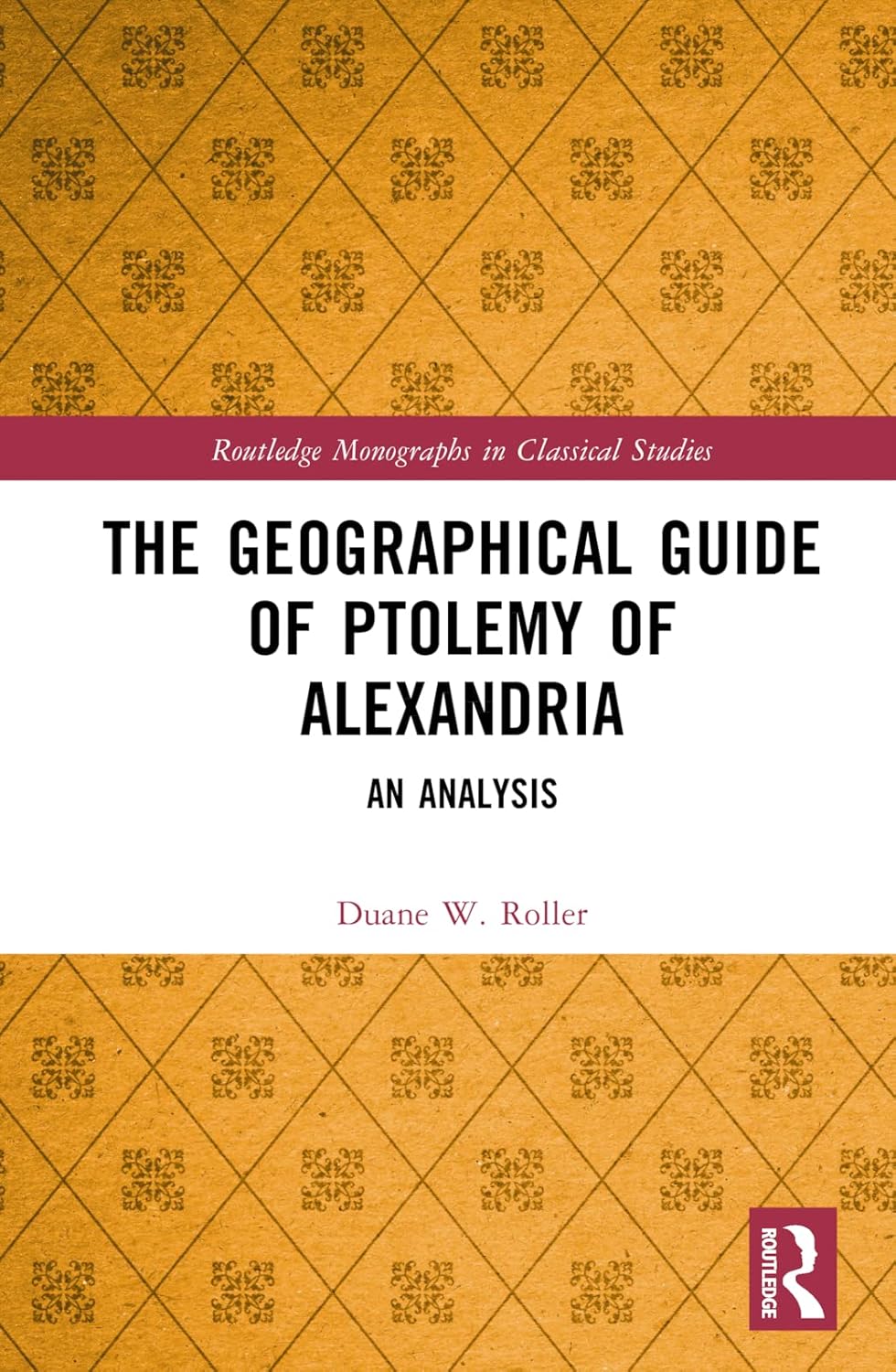
Yang, M. (2024) A latecomer but cherished gemstone: The proliferation and uses of emeralds in China. In: Garden of Emeralds Exhibition, Shanghai: L’École | Van Cleef & Arpels, pp. 118–127.
Record No. 26393  |  Sinkankas/Born No.: NIS/NIB  |  RWHL*
Excellent history of the use of emerald in China.

The Geographical Guide of Ptolemy of Alexandria | An Analysis
Book
Roller, D.W. (2024) The Geographical Guide of Ptolemy of Alexandria | An Analysis. Oxon, UK, Routledge, 231 pp.
Record No. 26368  |  ISBN/ISSN: 9781030000000  |  Sinkankas/Born No.: NIS/NIB  |  RWHL*
This volume offers a detailed study of Ptolemy of Alexandria’s Geographical Guide, whose eight books contain a wealth of geographical information unavailable elsewhere and represent the culmination of the Greco-Roman discipline of geography. Written near the middle of the second century CE, the Geographical Guide is the most anomalous of the surviving works of ancient geographical scholarship but offers a vivid record of the expansion of geographical knowledge in antiquity. Roller examines this peculiar text, which offers unique data about explorations in the far reaches of the inhabited world, from Thoule and Hibernia in the northwest to Kattigara in the southeast, and from Serike in northeastern Asia southwest into central Africa. He positions the Guide within the tradition of ancient geography and gives close attention to the reason why Ptolemy wrote the guide and how it contributes to the genre of geographical scholarship. There is also an emphasis on the topographic and ethnic material within the Guide that is new or unique, especially explorations in sub-Saharan Africa and knowledge of the world beyond India. Because the Guide was written over half a century after the previous extant geographical work―the first books of Pliny’s Natural History―the book also assesses how knowledge of geography changed during this period. This work is an essential text for students and scholars of ancient geography, and is also of interest to anyone working on the cultural history of the Roman Empire during this period.

Emerald and Chinese society during the Yuan and Ming Dynasties

Book Section
Qui, T. (2024) Emerald and Chinese society during the Yuan and Ming Dynasties. In: Garden of Emeralds Exhibition, Shanghai: L’École | Van Cleef & Arpels, pp. 128–141.
Record No. 17299  |  Sinkankas/Born No.: NIS/NIB  |  Language: parallel English and Chinese texts  |  RWHL*
Qiu examines the place of emerald in Chinese society during the Yuan and Ming dynasties, tracing how the imported green gemstone entered China through long-distance trade and became associated with wealth, status, and elite material culture. Drawing on Chinese historical texts and surviving objects, the essay considers the terminology used for emerald, its foreign origins and routes of transmission, and references to the stone in court and luxury contexts. Particular attention is given to the expansion of contacts between China and Central and Western Asia under the Yuan and to the continued circulation and appreciation of precious stones during the Ming. The study situates emerald within the broader history of Sino-foreign exchange, showing how an exotic gemstone was incorporated into Chinese systems of value and display while retaining associations with distant lands and international commerce.

Building a Gemological Library

Gemological books range from general identification manuals and textbooks to specialized works on individual gems, mineralogy, jewelry, treatments, synthesis, history and gem-producing regions.

For a curated selection of particularly useful books, read The Gemologist's Core Library — Classic Books on Gemology, Jewelry and Mineralogy.

About Four Treasures

Four Treasures is Lotus Gemology's freely accessible gemological reference database. Use the full database to search by author, title or keyword and explore literature on gemology, mineralogy, jewelry and related fields. Where available, hyperlinks on titles may lead directly to the full publication.

Search the Complete Four Treasures Database