Emerald Bibliography

Emerald Bibliography

Explore books, articles and historical sources on emerald in Four Treasures, the Lotus Gemology reference database. This bibliography brings together matching records from the collection, with publication details, abstracts and cover images where available.

Emerald References

The list below matches the terms emerald or emeralds in the database's searchable fields. Some references discuss emeralds as part of a broader subject.
201–220 of 851 matching references

Emeralds from the Mananjary region, Madagascar: Internal features
Journal Article
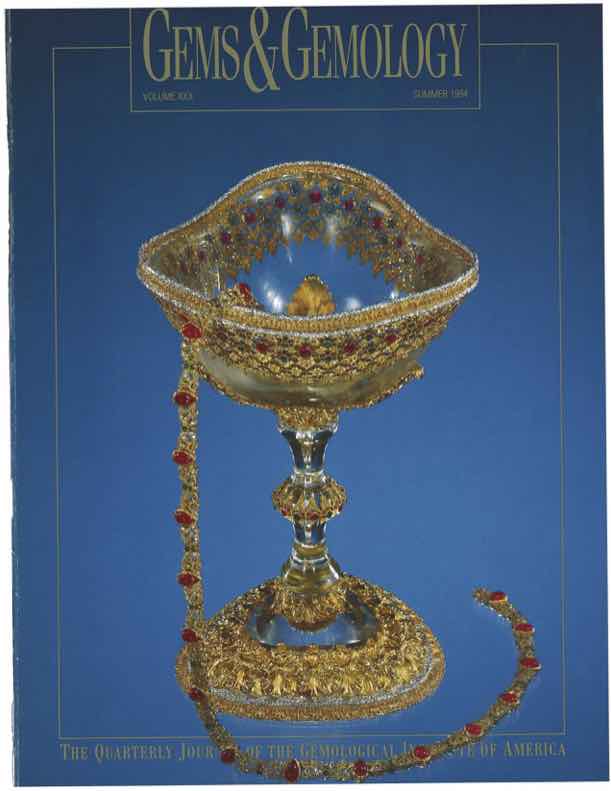
Schwarz, D. (1994) Emeralds from the Mananjary region, Madagascar: Internal features. Gems & Gemology, Vol. 30, No. 2, Summer, pp. 88–101.
Record No. 4194  |  ISBN/ISSN: 0016626X  |  RWHL*
Inclusions in emeralds from the Mananjary region in the eastern part of the island nation of Madagascar are reported and compared with inclusions in emeraldsf rom other, especially African, localities. Although most of these internal features are similar to those found in emeralds from other schist-type deposits, Mananjary emeralds usually can be separated from emeralds from other localities by means of associations of certain mineral inclusions (especially talc, carbonates, amphiboles, and quartz) with specific types of fluid inclusions.

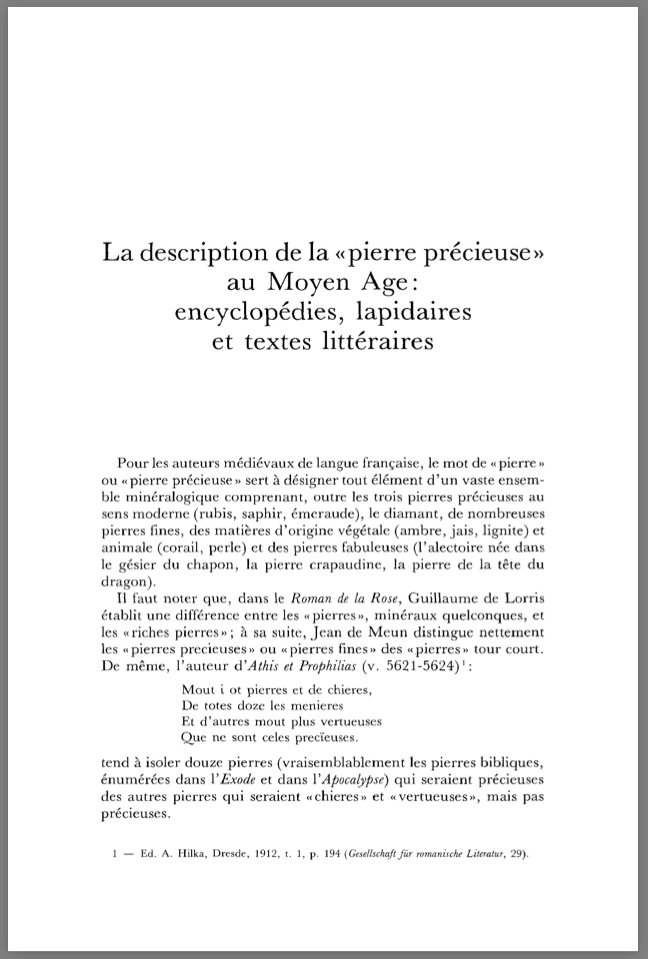
La description de la “pierre précieuse” au Moyen Âge: Encyclopédies, lapidaires et textes littéraires
The description of the precious stone in the Middle Ages: encyclopedias, lapidaries, and literary texts
Journal Article
Fery-Hue, F. (1993) La description de la “pierre précieuse” au Moyen Âge: Encyclopédies, lapidaires et textes littéraires. [The description of the precious stone in the Middle Ages: encyclopedias, lapidaries, and literary texts] Bien dire et bien aprendre, No. 11, pp. 147–176.
Record No. 27891  |  DOI: https://dx.doi.org/10.54563/bdba.1347  |  Sinkankas/Born No.: NIS/NIB  |  Language: in French  |  RWHL*
For medieval French-speaking authors, the term “stone” or “precious stone” is used to designate any element within a vast mineralogical ensemble that includes, in addition to the three precious stones in the modern sense (ruby, sapphire, emerald), the diamond, numerous semi-precious stones, materials of plant origin (amber, jet, lignite) and animal origin (coral, pearl), as well as fabulous stones (the alectoria born in the gizzard of a capon, the toadstone, the stone from the dragon’s head). It is worth noting that, in the Roman de la Rose, Guillaume de Lorris establishes a distinction between “stones,” meaning ordinary minerals, and “rich stones”; following him, Jean de Meun clearly distinguishes “precious stones” or “fine stones” from plain “stones.” Likewise, the author of Yliadus et Prophilias (vv. 5621–5624): “He had many stones and costly ones, of all twelve kinds, and others far more virtuous than those that are precious,” tends to set apart twelve stones (likely the biblical stones listed in Exodus and Revelation) as being truly precious, distinct from other stones that are “costly” and “virtuous,” but not precious. The lapidaries of the Middle Ages, whether in Latin or French (some were later translated into Italian, English, German…), in verse or in prose, are all more or less heirs to the tradition of Marbode’s De Gemmis, and are mineralogical works par excellence. The description of the “precious stone” typically consists of notes on color—sometimes very precise—indications of hardness, physical properties (electromagnetic phenomena), more rarely its weight, and finally its supposed geographical origins. This is followed by a listing of its “virtues” as an amulet or in the form of collyria, potions, ointments: this body of superstitions and magical remedies perpetuates the medical doctrine of “signatures.” Philippe de Thaon, in his alphabetical Lapidary (vv. 1693–1698), recalls four principal ways in which stones were used: “Moreover, medicine of the elders shows four ways: to touch, to carry, to drink, to gaze upon. These four ways, God placed them with great meaning.”

Emeralds and green beryls of Upper Egypt
Journal Article
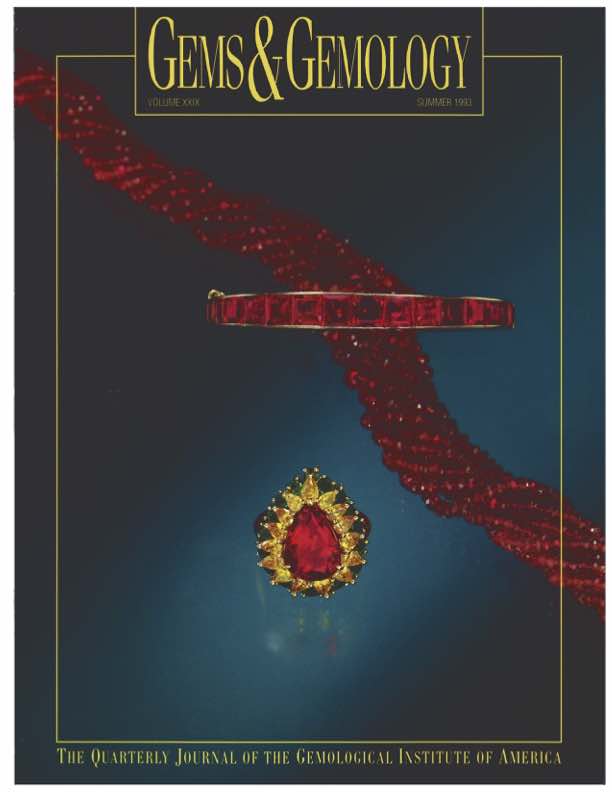
Jennings, R.H., Kammerling, R.C., Kovaltchouk, A., Calderon, G.P., El Baz, M.K. and Koivula, J.I. (1993) Emeralds and green beryls of Upper Egypt. Gems & Gemology, Vol. 29, No. 2, Summer, pp. 100–115.
Record No. 6067  |  ISBN/ISSN: 0016626X  |  RWHL*
Egypt is the most ancient of sources for emerald. More than 2,000 years ago, emerald deposits in upper Egypt were supplying gems throughout the Graeco-Roman Empire. A recent visit to this emerald province revealed that the emeralds occur within a northwest-southeast trending belt of schistose rocks in the Red Sea Hills, near the port town of Marso Alam. At the time of the visit, there was no official commercial mining of emerald in the region, although there was evidence of sporadic activity by Bedouin tribespeople. Gemological examination of 14 cut emeralds and green beryls revealed properties consistent with those of material from similar geologic environments.

The Portuguese gem trade in the sixteenth century
Journal Article
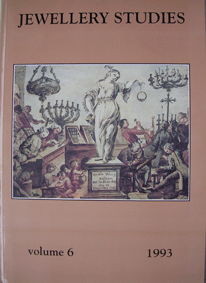
Silva, N.V., e (1993) The Portuguese gem trade in the sixteenth century. Jewellery Studies, Vol. 6, pp. 19–28.
Record No. 4322  |  Sinkankas/Born No.: NIS/NIB  |  RWHL*
Terrific article detailing the importance of the Portguese colony of Goa in bringing Asian gems to Europe. Vasco da Gama’s discovery of the sea route to India in 1498 marked the first direct contact between a European nation and Eastern markets, a turning point with far-reaching consequences for European culture. This study focuses specifically on the large-scale importation of precious stones during the sixteenth century, relying on contemporary sources from that period. Precious stones have long been esteemed for their beauty, rarity, and value, and for centuries, the Orient dominated their extraction and pearl-fishing along a vast stretch from the Persian Gulf to China. This dominance captivated European travellers and helped shape the enduring myth of the East as a land glittering with gold and gems. The allure of such riches undoubtedly motivated Portuguese efforts to find a direct maritime route to these sources—not only for spices but also for gemstones. It is no coincidence that the chronicler of Vasco da Gama’s first voyage recorded a native in Calicut exclaiming, “Great good fortune! Great good fortune! Many rubies, many emeralds! Many thanks should you give to God for having brought you to this land of such great wealth.”

Streeter of Bond Street: A Victorian Jeweller
Book
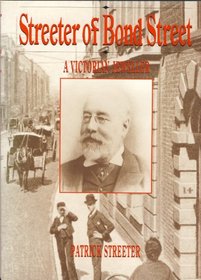
Streeter, P. (1993) Streeter of Bond Street: A Victorian Jeweller. Harlow, UK, Matching Press, 174 pp.
Record No. 1661  |  Sinkankas/Born No.: NIS/NIB  |  RWHL*
Edwin Streeter was a leading Victorian jeweller of his day who, rising from humble beginnings, masterminded the exploitation of the Burma Ruby Mines and opened up the Pearl Fisheries of Western Australia. Other expeditions, seeking Diamonds in South Africa, Sapphires in Montana and Emeralds in Egypt, were disastrous. After a long, controversial and colourful career, he was to die in genteel poverty in Hampstead in 1923.

Two types of historical traps: On ‘Diamond Softening’ and the ‘Antiquity of Emerald Oiling’
Journal Article
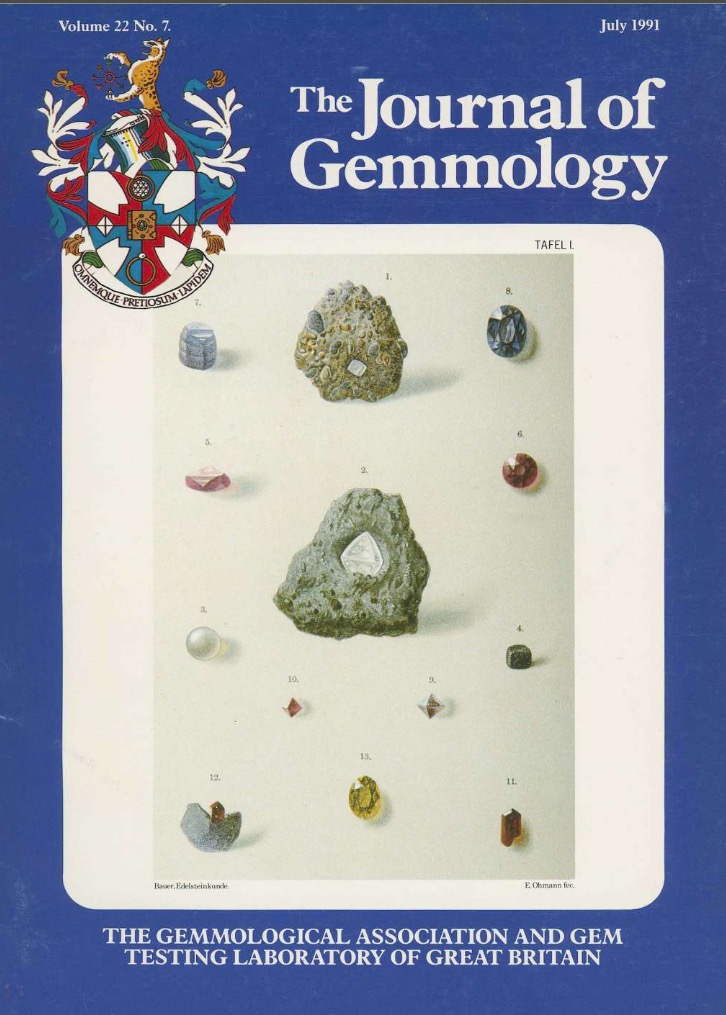
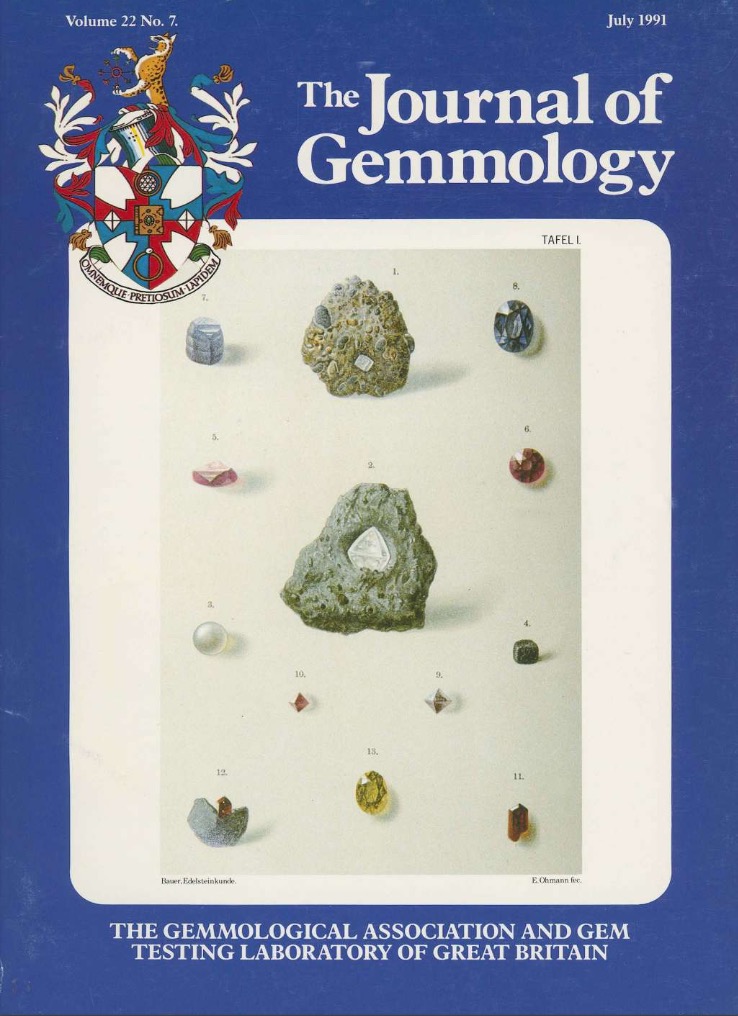
Nassau, K. (1992) Two types of historical traps: On ‘Diamond Softening’ and the ‘Antiquity of Emerald Oiling’. Journal of Gemmology, Vol. 22, No. 7, July, pp. 399–403.
Record No. 26730  |  ISBN/ISSN: 221252  |  RWHL*
The interpretation of ancient texts is always a hazardous undertaking. It is easy to fall into two types of traps: scoffing at apparently ridiculous statements at one extreme; accepting apparently reasonable statements at face value without careful analysis at the other extreme. An example of the first type of trap, on which I was able to shed some light, is the “softening of diamond” with warm goat’s blood as mentioned in the Natural History of Pliny (Gaius Plinius Secundus, Roman historian, 23 AD to 79 AD). A trap of the second type into which I myself fell previously, is involved with Pliny’s description of emerald oiling, the apparent antiquity of which is sometimes cited as justification for current practice. RWH: This is a superb article and nice piece of historical research.

Emeralds of Colombia, (Part 3)

Journal Article
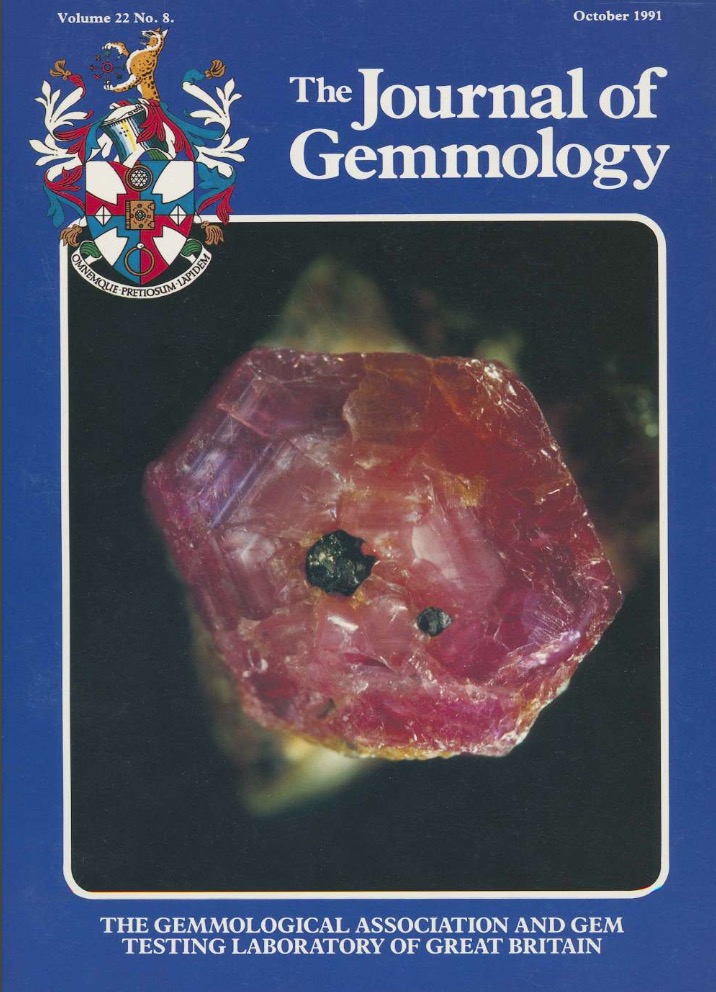
Bosshart, G. (1991) Emeralds of Colombia, (Part 3). Journal of Gemmology, Vol. 22, No. 8, October, pp. 500–503.
Record No. 26737  |  ISBN/ISSN: 221252  |  Sinkankas/Born No.: NIS/NIB  |  RWHL*
A condensed historical and mining survey is followed by a compilation of the most notable crystals of Colombian emeralds ever found and of the details of their chemical composition. A summary of the elemental substitutions and their effects on the outlined range of gemmological data is given. Special emphasis is placed on the cause of the famous, vividly green coloration, i.e. on the selective absorption of orange-red and violet light, dictated by minor contents of the chromophoric elements Cr and V substituting for Al³⁺ in octahedrally coordinated sites of the beryl lattice (Cr ≈ V, with the Cr/V ratio found to be ranging from 4.5 to 0.5, in extreme cases from about 10 to 0.1). Iron, however, has barely been detected in the UV/VIS absorption spectra of Colombian emeralds. Though generally present in slightly larger amounts than Cr³⁺, iron does not recognizably influence the colour (little Fe²⁺ and possibly some Fe³⁺ positioned in the axial channels of the ring-silicate structure). A detailed presentation of the currently known internal characteristics (inclusions and growth structures) is supplemented by a discussion of identification problems with treated emeralds and the disclosure of the treatment during transactions in the wholesale and retail trade. Allocation of the emeralds to individual Colombian mines on the basis of inclusion patterns does not appear possible in most instances. However, the differentiation of Colombian emeralds from other natural emeralds (such as those from the Panjsher Valley exhibiting very similar (s,l,g) three-phase inclusions) or from difficult, modern hydrothermal and flux synthetics is shown to be feasible by a combination of microscopy, refractometry, and absorption spectrometry (UV/VIS and NIR/MIR), assisted by chemical analysis only in the most difficult cases. Safe identification of authenticity, treatment, and origin of emeralds, however, is increasingly becoming the task of the experts in the specialized laboratory. The mineralogical definition of emerald as a yellowish to bluish-green variety of natural beryl is shown to be valid for any Cr and V-containing variety except possibly the rare, absolutely chromium-free (V,Fe)-beryls (modification of the former definition of type II emerald): in many of the preferred Colombian emeralds, chromium is clearly dominated by vanadium (Cr/V ratio < 1). However, chromium has a higher efficiency of coloration than vanadium and a much higher one than iron ions in the various substitutional and interstitial lattice sites of beryl. Cr influences colour even at very low trace levels. An extensive and up-dated selection of literature, covering all aspects cited, completes the synopsis.

Emeralds of Colombia, (Part 2)

Journal Article
Bosshart, G. (1991) Emeralds of Colombia, (Part 2). Journal of Gemmology, Vol. 22, No. 7, July, pp. 409–425.
Record No. 26736  |  ISBN/ISSN: 221252  |  Sinkankas/Born No.: NIS/NIB  |  RWHL*
A condensed historical and mining survey is followed by a compilation of the most notable crystals of Colombian emeralds ever found and of the details of their chemical composition. A summary of the elemental substitutions and their effects on the outlined range of gemmological data is given. Special emphasis is placed on the cause of the famous, vividly green coloration, i.e. on the selective absorption of orange-red and violet light, dictated by minor contents of the chromophoric elements Cr and V substituting for Al³⁺ in octahedrally coordinated sites of the beryl lattice (Cr ≈ V, with the Cr/V ratio found to be ranging from 4.5 to 0.5, in extreme cases from about 10 to 0.1). Iron, however, has barely been detected in the UV/VIS absorption spectra of Colombian emeralds. Though generally present in slightly larger amounts than Cr³⁺, iron does not recognizably influence the colour (little Fe²⁺ and possibly some Fe³⁺ positioned in the axial channels of the ring-silicate structure). A detailed presentation of the currently known internal characteristics (inclusions and growth structures) is supplemented by a discussion of identification problems with treated emeralds and the disclosure of the treatment during transactions in the wholesale and retail trade. Allocation of the emeralds to individual Colombian mines on the basis of inclusion patterns does not appear possible in most instances. However, the differentiation of Colombian emeralds from other natural emeralds (such as those from the Panjsher Valley exhibiting very similar (s,l,g) three-phase inclusions) or from difficult, modern hydrothermal and flux synthetics is shown to be feasible by a combination of microscopy, refractometry, and absorption spectrometry (UV/VIS and NIR/MIR), assisted by chemical analysis only in the most difficult cases. Safe identification of authenticity, treatment, and origin of emeralds, however, is increasingly becoming the task of the experts in the specialized laboratory. The mineralogical definition of emerald as a yellowish to bluish-green variety of natural beryl is shown to be valid for any Cr and V-containing variety except possibly the rare, absolutely chromium-free (V,Fe)-beryls (modification of the former definition of type II emerald): in many of the preferred Colombian emeralds, chromium is clearly dominated by vanadium (Cr/V ratio < 1). However, chromium has a higher efficiency of coloration than vanadium and a much higher one than iron ions in the various substitutional and interstitial lattice sites of beryl. Cr influences colour even at very low trace levels. An extensive and up-dated selection of literature, covering all aspects cited, completes the synopsis.

Emeralds of Colombia, (Part 1)

Journal Article
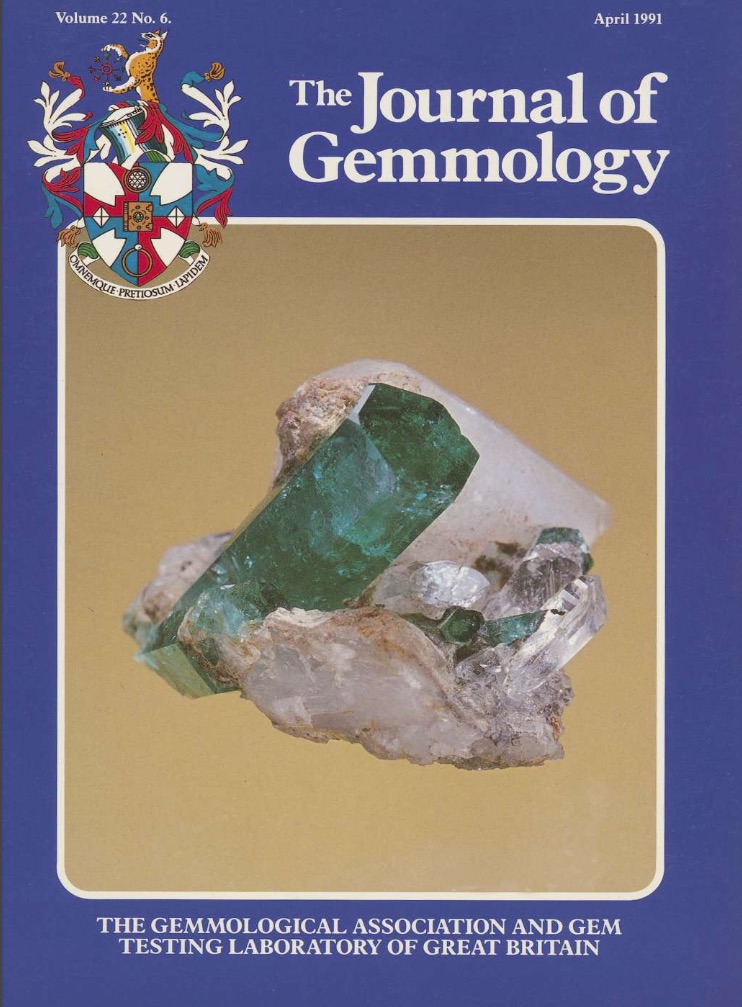
Bosshart, G. (1991) Emeralds of Colombia, (Part 1). Journal of Gemmology, Vol. 22, No. 6, April, pp. 355–361.
Record No. 26735  |  ISBN/ISSN: 221252  |  Sinkankas/Born No.: NIS/NIB  |  RWHL*
A condensed historical and mining survey is followed by a compilation of the most notable crystals of Colombian emeralds ever found and of the details of their chemical composition. A summary of the elemental substitutions and their effects on the outlined range of gemmological data is given. Special emphasis is placed on the cause of the famous, vividly green coloration, i.e. on the selective absorption of orange-red and violet light, dictated by minor contents of the chromophoric elements Cr and V substituting for Al³⁺ in octahedrally coordinated sites of the beryl lattice (Cr ≈ V, with the Cr/V ratio found to be ranging from 4.5 to 0.5, in extreme cases from about 10 to 0.1). Iron, however, has barely been detected in the UV/VIS absorption spectra of Colombian emeralds. Though generally present in slightly larger amounts than Cr³⁺, iron does not recognizably influence the colour (little Fe²⁺ and possibly some Fe³⁺ positioned in the axial channels of the ring-silicate structure). A detailed presentation of the currently known internal characteristics (inclusions and growth structures) is supplemented by a discussion of identification problems with treated emeralds and the disclosure of the treatment during transactions in the wholesale and retail trade. Allocation of the emeralds to individual Colombian mines on the basis of inclusion patterns does not appear possible in most instances. However, the differentiation of Colombian emeralds from other natural emeralds (such as those from the Panjsher Valley exhibiting very similar (s,l,g) three-phase inclusions) or from difficult, modern hydrothermal and flux synthetics is shown to be feasible by a combination of microscopy, refractometry, and absorption spectrometry (UV/VIS and NIR/MIR), assisted by chemical analysis only in the most difficult cases. Safe identification of authenticity, treatment, and origin of emeralds, however, is increasingly becoming the task of the experts in the specialized laboratory. The mineralogical definition of emerald as a yellowish to bluish-green variety of natural beryl is shown to be valid for any Cr and V-containing variety except possibly the rare, absolutely chromium-free (V,Fe)-beryls (modification of the former definition of type II emerald): in many of the preferred Colombian emeralds, chromium is clearly dominated by vanadium (Cr/V ratio < 1). However, chromium has a higher efficiency of coloration than vanadium and a much higher one than iron ions in the various substitutional and interstitial lattice sites of beryl. Cr influences colour even at very low trace levels. An extensive and up-dated selection of literature, covering all aspects cited, completes the synopsis.

Emeralds of the Panjshir Valley, Afghanistan
Journal Article
Bowersox, G.W., Snee, L.W., Foord, E.E. and Seal, R.R. (1991) Emeralds of the Panjshir Valley, Afghanistan. Gems & Gemology, Vol. 27, No. 1, Spring, pp. 26–39.
Record No. 6064  |  ISBN/ISSN: 0016626X  |  RWHL*
With the withdrawal of Soviet troops from Afghanistan, villagers in the Panjshir Valley are turning their attention to the emerald riches of the nearby Hindu Kush Mountains. Large, dark green crystals have been found in the hundreds of tunnels and shafts dug there. Teams of miners use explosives and drills to remove the limestone that hosts the emerald-bearing quartz and ankerite veins. The gemological properties of Panjshir emeralds are consistent with those of emeralds from other localities; chemically, they are most similar to emeralds from the Muzo mine in Colombia. Nodules," previously reported only in tourmaline and morganite, have been found in Panjshir emeralds as well. Approximntely $10 million in emeralds were produced in 1990; future prospects ore excellent."

Emeralds from the Ural Mountains, USSR
Journal Article
Schmetzer, K., Bernhardt, H.-J. and Biehler, R. (1991) Emeralds from the Ural Mountains, USSR. Gems & Gemology, Vol. 27, No. 2, Summer, pp. 86–99.
Record No. 5168  |  ISBN/ISSN: 0016626X  |  RWHL*
Emeralds are again being mined in the historic district of the Ural Mountains. Physical, chemical, spectroscopic, and ini-croscopic characteristics of stones from the recent production are presented and com-pared with data on older samples as well as those reported in the literature. Chemi-cal analysis and visible and infrared spec-troscopy provide information on crystal chemistry and color-causing trace ele-ments that is useful both to characterize these stones and to separate them from their synthetic counterparts. A variety of mineral inclusions as well as liquid, two-phase, and three-phase inclusions were seen with magnification. All of the data are critically evaluated with respect to the confirmation of unknown samples as Uralian.

Smaragd

Emerald of the World
Edited Book
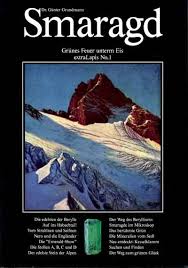
Grundmann, G., editor (1991) Smaragd. [Emerald of the World]. Münich, Christian Weise Verlag
Record No. 4192  |  Sinkankas/Born No.: NIS/NIB  |  Language: in German  |  RWHL*
Nice extraLapis issue devoted to emerald occurrences around the world. Since antiquity, emeralds have been regarded as the most precious of gemstones. The first mines established for their extraction were Cleopatra’s mines in ancient Egypt. “The green of the emerald is the most beautiful of all,” wrote Pliny 2,000 years ago. This monograph answers all the important questions on the subject of emeralds. Beryl and emerald: Words from India. A brief history of the terms. Was the first eyeglass made of emerald? (Christa Behmenburg) / Emerald: mineralogically a beryl. Composition, structure, crystal forms, the “green beryl,” trapiche emeralds. The beryl family (Rupert Hochleitner) / The formation of emeralds. On a difficult and much-debated topic (Dietmar Schwarz, Gaston Giuliani, Günter Grundmann, and Maximilian Glas) / The world’s emerald deposits. A lexicon-style overview of known emerald localities and deposits (Günter Grundmann) / Colombia – the world’s No. 1. History and occurrences of the famous and beautiful emerald finds from the Cordillera Oriental, western and eastern districts (Dietmar Schwarz, Gaston Giuliani) / “I never believed it was actually possible.” Interview with Munich-based emerald mine owner Marcus Budil (Maximilian Glas) / Brazil: Minas Gerais, Bahia, Ceará, Goiás, and Tocantins (Dietmar Schwarz and Gaston Giuliani) / Production volumes and market values. On the sense and nonsense of official statistics (Dietmar Schwarz) / Africa: Egypt, Nigeria, Tanzania, Mozambique, Zambia, Zimbabwe, South Africa, and Madagascar (Jan Kanis and Dietmar Schwarz) / Asia: Pakistan, Afghanistan, and India. On the “Old Mine Emeralds” (Dietmar Schwarz and Gaston Giuliani) / Gemology of emerald (Dietmar Schwarz) / Green is not always green. Or is it? Fundamentals for defining emerald color (Dietmar Schwarz and Karl Schmetzer) / Emerald treatments. What they do and how to detect them (Lore Kiefert) / Laboratory-grown emeralds. Over 100 years of synthetic emeralds / What is the price of emeralds? (Marisa Zachovay)

Lechleitner synthetic emeralds, rubies and sapphires
Journal Article
Schmetzer, K. (1991) Lechleitner synthetic emeralds, rubies and sapphires. Australian Gemmologist, Vol. 17, No. 12, pp. 516–523.
Record No. 1556  |  RWHL*

Emeralds

Journal Article
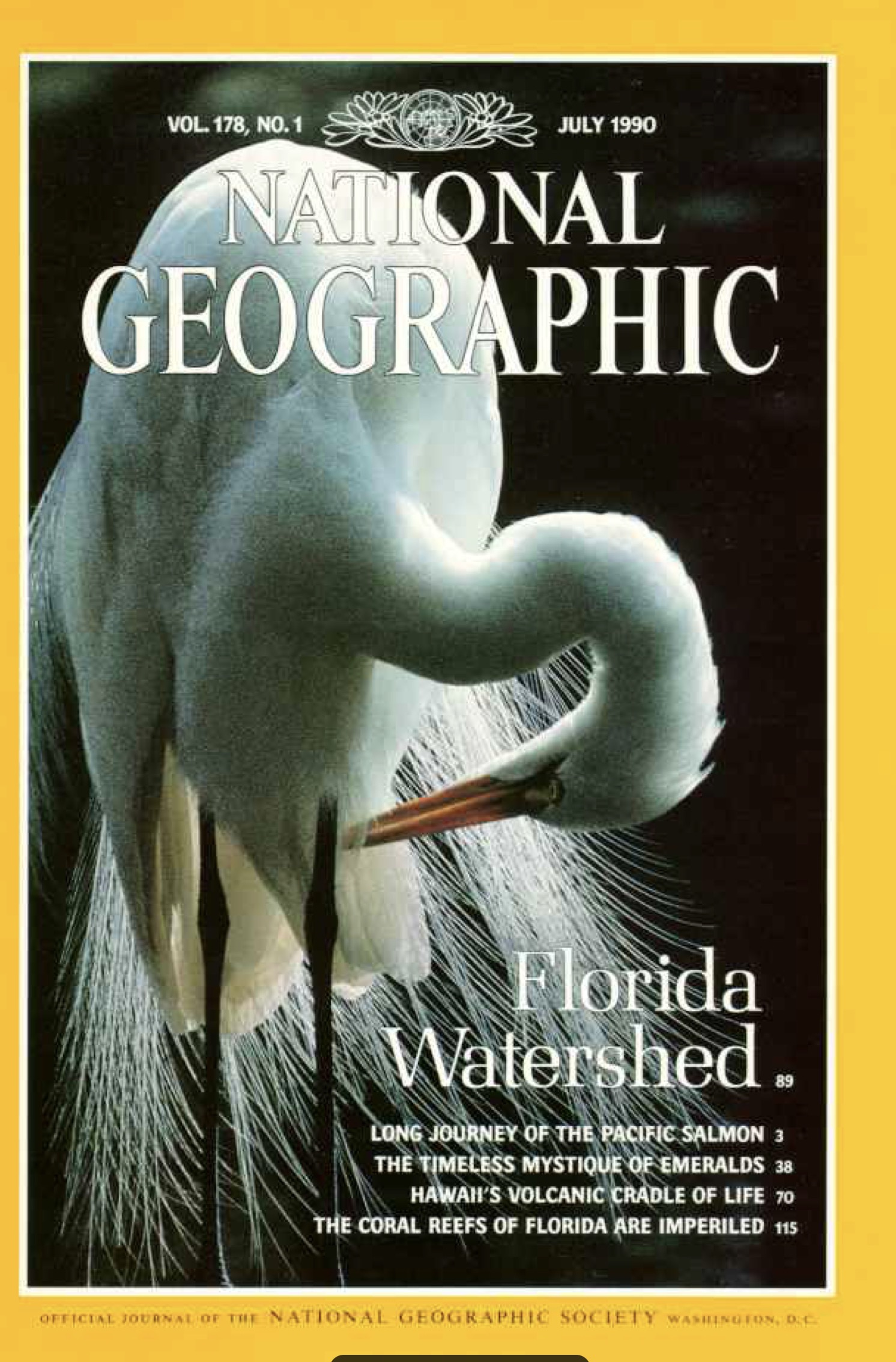
Ward, F. (1990) Emeralds. National Geographic, Vol. 172, No. 1, July, pp. 38–69.
Record No. 28807  |  Sinkankas/Born No.: 7008B  |  RWHL*
Sinkankas: Excellent article recounting Ward’s travels to deposits of emerald in Africa, Colombia, Brazil, etc., and to the markets in which rough and cut stones appear, and with remarks on the history and lore of the emerald.

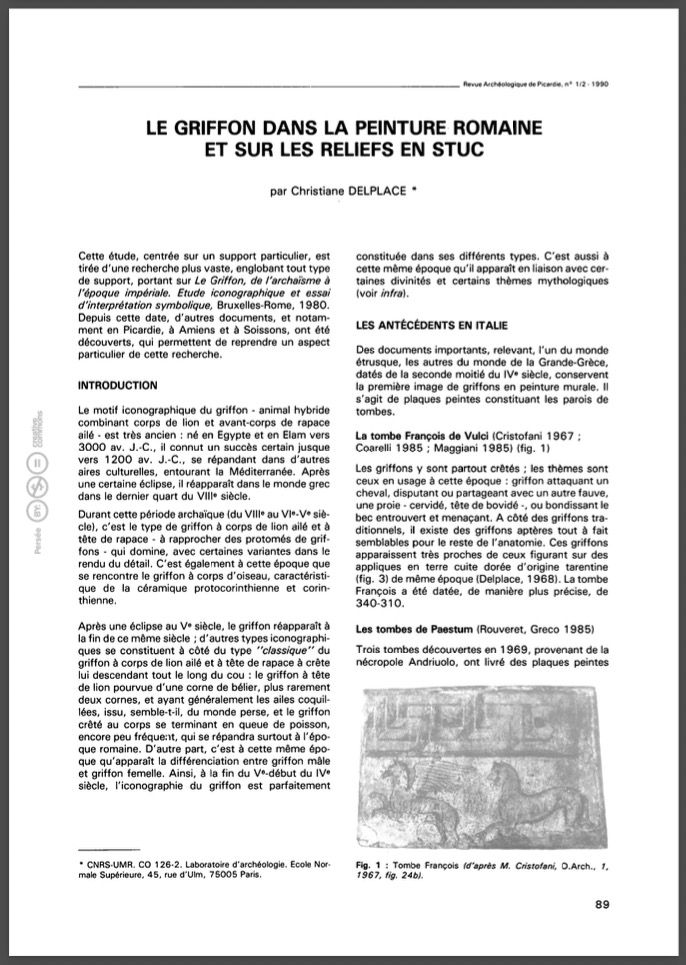
Le griffon dans la peinture romaine et les reliefs en stuc
The griffin in Roman painting and stucco reliefs
Journal Article
Delplace, C. (1990) Le griffon dans la peinture romaine et les reliefs en stuc. [The griffin in Roman painting and stucco reliefs] Revue archéologique de Picardie, No. 1–2, pp. 89–97.
Record No. 26375  |  Sinkankas/Born No.: NIS/NIB  |  Language: in French  |  RWHL*
This study, centered on a particular medium, is drawn from a broader investigation encompassing all types of support related to Le Griffon, from archaism to the imperial era (Étude iconographique et essai d’interprétation symbolique, Bruxelles-Rome, 1980). Since then, other documents—particularly from Picardy, in Amiens and Soissons—have been discovered, enabling us to resume and extend this line of research. The iconographic motif of the griffon—a hybrid creature combining the body of a lion with the foreparts of a winged bird of prey—is very ancient: it originated in Egypt and Elam around 3000 BCE and enjoyed significant popularity until about 1200 BCE, spreading into other cultural spheres surrounding the Mediterranean. After a period of decline, it reappeared in the Greek world in the last quarter of the 8th century BCE. During this archaic period (from the 8th to the 6th–5th century), the dominant type was the griffon with a winged lion’s body and the head of a raptor, closely related to griffon protomes, though with some variation in detail. It is also during this time that we find the bird-bodied griffon, characteristic of Protocorinthian and Corinthian pottery.

The Brazilian emeralds and their occurrences: Socotó
Journal Article
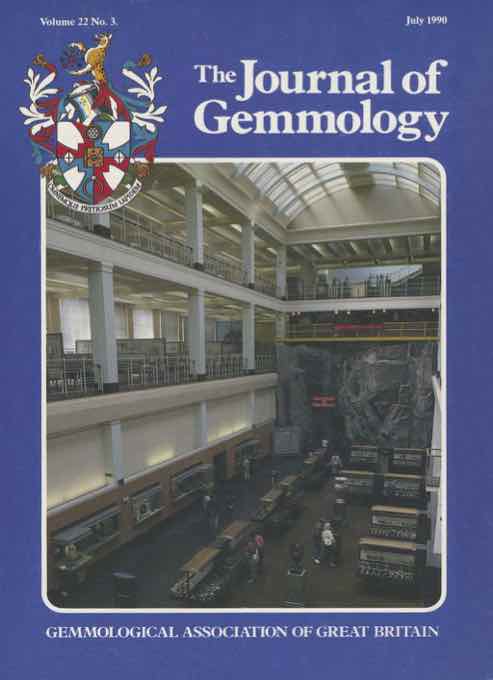
Schwarz, D. and Eidt, T. (1990) The Brazilian emeralds and their occurrences: Socotó. Journal of Gemmology, Vol. 22, No. 3, July, pp. 147–163.
Record No. 6054  |  ISBN/ISSN: 221252  |  RWHL*

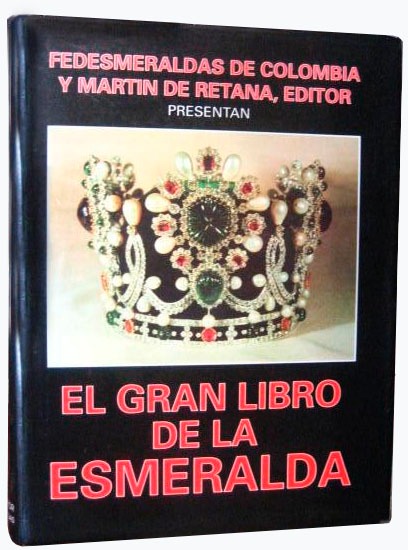
El Gran Libro de la Esmeralda

The Great Emerald Book
Edited Book
Martin de Retana, J.M., editor (1990) El Gran Libro de la Esmeralda. [The Great Emerald Book]. Bilbao, Spain, FEDESMERALDAS, 491 pp..
Record No. 3289  |  Language: in Spanish  |  RWHL*
A large-format, extensively illustrated monograph devoted to the emerald, with particular emphasis on Colombian emeralds. Written by a number of specialists from Europe and the Americas, it surveys the emerald through history; its mineralogy, geology and formation; the principal Colombian deposits and mining regions; mining and production; gemological properties; color, crystal morphology and cutting; and the place of emeralds in jewelry and the decorative arts. Historical sections trace the use and appreciation of emeralds from antiquity through the Spanish encounter with Colombia and into the modern trade. Numerous color photographs reproduce important emerald crystals, cut stones, jewels and works of goldsmithing from museums and private collections. The volume combines gemological and geological information with the cultural and historical importance of emerald and is particularly valuable as a substantial Spanish-language reference on the Colombian emerald industry. Contemporary descriptions confirm that the text was contributed by multiple specialists rather than being solely authored by Martín de Retana.

A brief overview of the geology and metallogenic provinces of Pakistan
Book Section
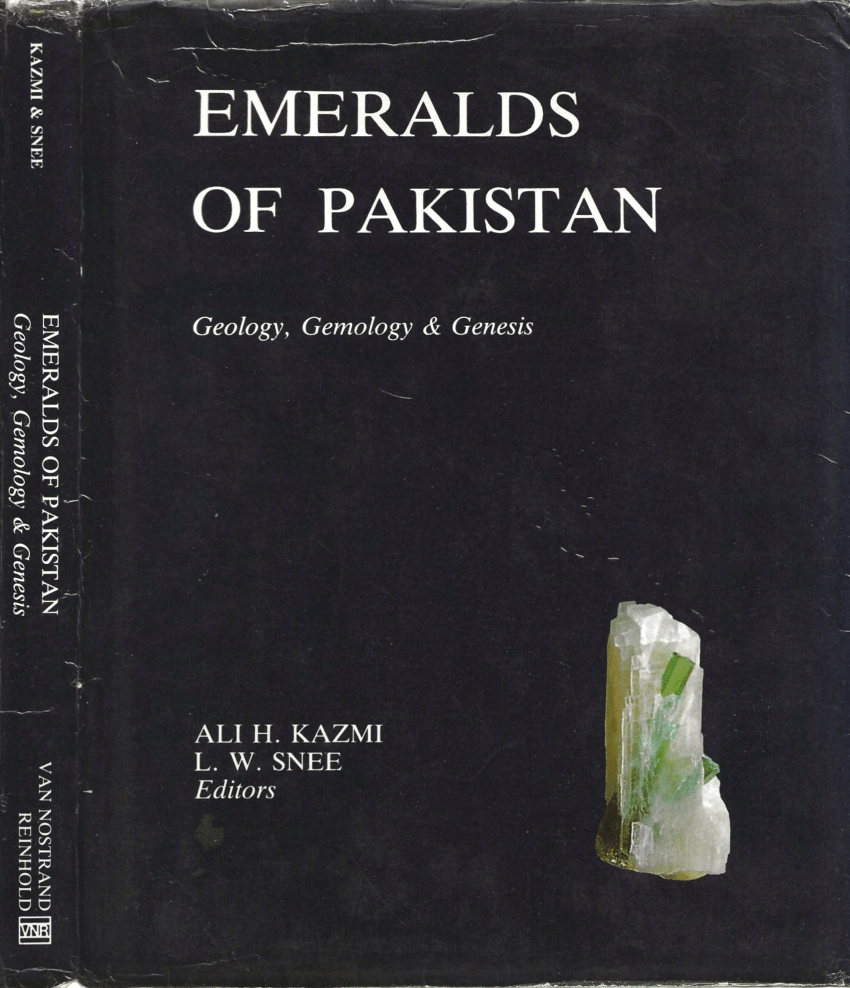
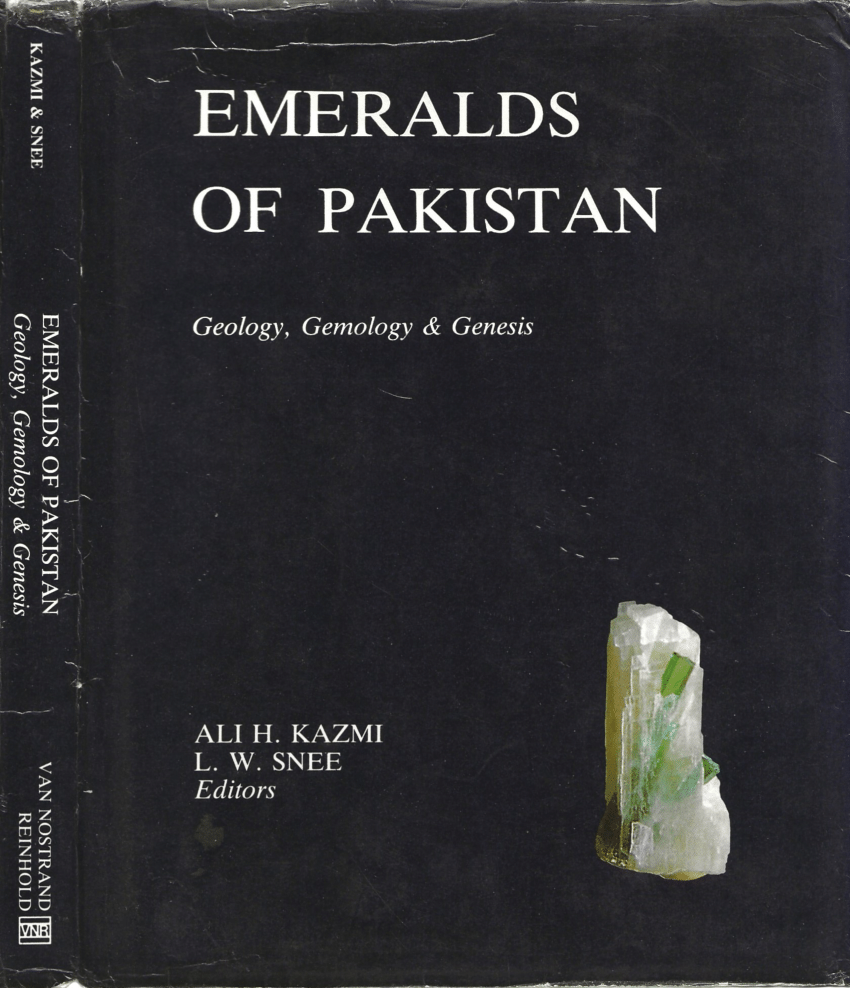
Snee, L.W. and Kazmi, A.H. (1989) A brief overview of the geology and metallogenic provinces of Pakistan. In: Emeralds of Pakistan: Geology, Gemology and Genesis, New York: Geological Survey of Pakistan and Van Nostrand Reinhold, pp. 1–12.
Record No. 26969  |  ISBN/ISSN: 9781490000000  |  Sinkankas/Born No.: NIS/NIB  |  RWHL*
Located strategically at the head of the Arabian Sea and surrounded by Iran, Afghanistan, China, and India, the territories that compose Pakistan today (fig. 1.1) have lain through the ages at the main crossroads between the restless and effervescent Middle East and the relatively tranquil and quiescent Far East. Vast armies ranging from the ancient Aryans, Greeks, Huns, Arabs, and Mongols have criss-crossed its domain in quest of power, glory, and the fabulous riches of the Orient. Yet the country also has been the birthplace of ancient and glorious cultures such as the Indus Valley Civilization, which dates back to over 5000 BP, and the cradle of such venerable, widespread and lasting religions as Buddhism. The country is thus endowed with rich cultural heritage equally matched with a variety of climates and exotic geographic terrains (fig. 1.1). Northern Pakistan is composed of three of the loftiest snow-capped mountain ranges of the world—the Himalayas, Karakorams (photo. 1.1), and Hindu Kush—which coalesce to form part of the southern Pamirs, the roof of the world. Tucked within these great mountains of Pakistan is the largest concentration of the tallest (above 7200 m) mountain peaks in the world including K2 (8611 m). A part of this region is seismically one of the most unstable in the world and is almost constantly quivering. These lofty mountain ranges of northern Pakistan make a series of southwest loops or syntaxial bends, and southwestward they lose their stature. Thus the western part of Pakistan comprises smaller, festooned hilly offshoots of the Himalayas in the form of arcs, oroclines, and syntaxes that bound the basin and range terrain of the Baluchistan Plateau. The lofty snow-capped mountains of the north (photo. 1.2) form the headwaters of the mighty Indus River and its tributaries. South and east of the mountains, these rivers have formed a vast, flat, and fertile flood plain and a deltaic complex at the head of the Arabian Sea (Kazmi, 1977, 1984). Eastward, the Indus Plain is flanked by the formidable Thar Desert (Kazmi, 1985). These geomorphic features reflect the geological setting which in many respects is unique in the world. Underneath the Thar Desert and the Indus Plain are concealed the platform areas of the Indo-Pakistan crustal plate. This plate was once part of the ancient supercontinent—Gondwanaland (Wegener, 1924; Athavale and others, 1970). Extensive rifting on a continental scale during the Permian (Klootwijk, 1979) dismembered Gondwanaland into several fragments ranging in size from small microcontinental blocks to large continental masses such as the African, Australian, and Indo-Pakistan blocks (fig. 1.2).

Origin and classification of Pakistani and world emerald deposits
Book Section
Snee, L.W. and Kazmi, A.H. (1989) Origin and classification of Pakistani and world emerald deposits. In: Emeralds of Pakistan: Geology, Gemology and Genesis, New York: Geological Survey of Pakistan and Van Nostrand Reinhold, pp. 229–236.
Record No. 26968  |  ISBN/ISSN: 9781490000000  |  Sinkankas/Born No.: NIS/NIB  |  RWHL*
Emerald, formed by the substitution of a small amount of chromium for aluminum in the beryl crystal structure (Deer et al., 1986), results from rare geological conditions. While beryl—the most common beryllium-bearing mineral—is itself uncommon and primarily found in late-stage igneous rocks like pegmatites, emerald is even rarer due to the geochemical incompatibility between its two essential components: chromium and beryllium. Beryllium, with a small ionic radius (0.3 Å; Shannon and Prewitt, 1969) and a low crustal abundance (less than 5 ppm per Wedepohl, 1978; or less than 3.5 ppm according to Beus, 1965), is generally absent from the chromium-rich, ultramafic rocks where chromium resides in significant concentrations. Thus, emerald formation requires exceptional conditions that bring these two incompatible elements together, making emerald one of the rarest and most valuable gemstones. In Pakistan, a unique sequence of geological events created such conditions. The first three chapters of this book summarize these large-scale events, while chapters four through seven examine clues about emerald formation revealed through the physical and chemical characteristics of the crystals and the morphology and physicochemical formation conditions of their inclusions. Chapter 8 reviews the geology of other global emerald deposits. This cumulative analysis reveals a broader understanding of both Pakistani and global emerald genesis. The concluding chapter summarizes the characteristics of Pakistani emeralds and uses this data to formulate a theory of their origin, then proposes a classification scheme based on the geologic setting of global emerald deposits, developing it into a hypothesis for the genesis of all emeralds. Finally, suggestions for future research are offered to further elucidate emerald formation processes.

Mineral chemistry of emeralds and some associated minerals from Pakistan and Afghanistan

Book Section
Hammarstrom, J.M. (1989) Mineral chemistry of emeralds and some associated minerals from Pakistan and Afghanistan. In: Emeralds of Pakistan: Geology, Gemology and Genesis, New York: Geological Survey of Pakistan and Van Nostrand Reinhold, pp. 125–150.
Record No. 26967  |  ISBN/ISSN: 9781490000000  |  Sinkankas/Born No.: NIS/NIB  |  RWHL*
An electron microprobe was used to study a suite of nine emerald samples representing four separate occurrences of gem-quality emeralds from northwestern Pakistan and neighboring Afghanistan. The study was undertaken to characterize the chemistry of the emeralds of the region, to compare the emeralds with emeralds from other locations, and to investigate local variations in composition. The results of the study could help unravel the complex and unusual parageneses of these deposits, and ultimately could aid in refinement of exploration techniques. The study also includes data for (1) green vanadian beryls from the Mohmand emerald district, (2) green chromium-rich tourmalines from the Swat emerald district, and (3) minerals in the carbonate host rock at Mingora. The electron microprobe technique allows nondestructive chemical analysis of discrete spots across a single crystal and is useful in the study of minerals. This technique can determine transition metals responsible for color and can identify compositional zoning within single grains. The principal disadvantages of the technique are that elements lighter than fluorine (atomic number 9) cannot be determined and that different oxidation states of elements such as iron cannot be distinguished. Thus, we do not report data for beryllium, a major constituent of emerald; lithium and water, which can occur in emeralds in amounts up to several weight percent; and boron, a major constituent of tourmaline. Snee and others report on the beryllium content of these emeralds in chapter 5 of this volume.

Exploring the Literature of Emerald

Emerald literature spans gemology, mineralogy, deposits, identification, treatments, synthesis, history and the gem trade, with important sources covering deposits around the world.

For a curated guide to this subject, read Green Fire — Lotus Gemology's Guide to the Literature of Emerald.

About Four Treasures

Four Treasures is Lotus Gemology's freely accessible gemological reference database. Use the full database to search by author, title or keyword and explore literature on gemology, mineralogy, jewelry and related fields. Where available, hyperlinks on titles may lead directly to the full publication.

Search the Complete Four Treasures Database