Emerald Bibliography

Emerald Bibliography

Explore books, articles and historical sources on emerald in Four Treasures, the Lotus Gemology reference database. This bibliography brings together matching records from the collection, with publication details, abstracts and cover images where available.

Emerald References

The list below matches the terms emerald or emeralds in the database's searchable fields. Some references discuss emeralds as part of a broader subject.
221–240 of 851 matching references

Regional chemical differences among emeralds and host rocks of Pakistan and Afghanistan
Book Section
Snee, L.W., Foord, E.E., Hill, B. and Carter, S.J. (1989) Regional chemical differences among emeralds and host rocks of Pakistan and Afghanistan. In: Emeralds of Pakistan: Geology, Gemology and Genesis, New York: Geological Survey of Pakistan and Van Nostrand Reinhold, pp. 93–123.
Record No. 26966  |  ISBN/ISSN: 9781490000000  |  Sinkankas/Born No.: NIS/NIB  |  RWHL*
Emerald is the exquisite result of the chemical substitution of a small amount of chromium (or vanadium) for aluminum in Be₃Al₂Si₆O₁₈, the mineral beryl (Deer and others, 1986). On the world gem market, if the green coloration of emerald is caused by any element other than chromium, it is not called emerald according to standards adopted by the London Chamber of Commerce and Industry’s Precious Stone Trade Section (Farm, 1975). The coexistence in nature of chromium and beryllium is unusual and thus emerald is one of the rarest and most precious gemstones. The general incompatibility of beryllium and chromium is the result of their different geochemical behavior as clearly demonstrated in the compilation of chemical data for igneous rocks by Wedepohl (1978). Beryl, the most common beryllium mineral, forms during late-stage (pneumatolytic and hydrothermal) igneous activity. Because Be²⁺ has a small ionic radius (approximately 0.3 Å; Shannon and Prewitt, 1969), it is excluded from the crystal structure of most minerals. In addition, because of the small average continental crustal abundance of beryllium (less than 5 ppm; Wedepohl, 1978), beryllium is not concentrated enough to form beryl until late stages of igneous activity, i.e., during the formation of pegmatites or hydrothermal deposits. In contrast, chromium, also a trace constituent in the Earth’s crust (averaging approximately 50 ppm; Wedepohl, 1978), precipitates early during igneous fractionation in the mineral chromite, FeCr₂O₄, or it substitutes for aluminum, iron, magnesium, or titanium in early igneous phases, such as pyroxene, amphibole, spinel, or garnet. Thus, the greatest abundance of chromium is found in ultramafic and mafic rocks. So even though chromium, which has an ionic radius of 0.62 Å (Cr³⁺; Shannon and Prewitt, 1969), will readily substitute for aluminum, which has an ionic radius of 0.54 Å (Al³⁺; Shannon and Prewitt, 1969), in the beryl crystal structure, chromium is not expected in the late-stage liquid or vapor from which beryl may be formed. Special circumstances are necessary to bring chromium and beryllium together; as a result, emerald is extremely rare and is found only where geologic processes have been favorable for its formation. One of the places on the Earth where the geologic environment is appropriate for emerald occurrence is the area of northern Pakistan and Afghanistan. In this region, oceanic and island arc rocks that are rich in chromium are juxtaposed against felsic, beryllium-bearing continental rocks of the Indian plate. Within this geologic setting, emeralds are found in two very different geologic environments. In the economically most important deposits, emeralds formed from hydrothermal fluids that penetrated along shear zones into talc-carbonate schists within mélange zones. In the other setting, the emeralds are in pegmatites or quartz-ankerite veins which intruded schist, gneiss, and amphibolite. In both cases, the beryl apparently precipitated from a late-stage beryllium-carrying hydrothermal or pneumatolytic fluid which had scavenged chromium from the host rock.

Geology of world emerald deposits: A brief review
Book Section
Kazmi, A.H. and Snee, L.W. (1989) Geology of world emerald deposits: A brief review. In: Emeralds of Pakistan: Geology, Gemology and Genesis, New York: Geological Survey of Pakistan and Van Nostrand Reinhold, pp. 165–228.
Record No. 26956  |  ISBN/ISSN: 9781490000000  |  Sinkankas/Born No.: NIS/NIB  |  RWHL*
Emerald has been known to man since prehistoric times. The earliest known records of the geologic occurrence of emerald come from Egypt, where the so-called Cleopatra’s Mines were being worked as early as 2000 B.C. Owing to subsequent political vicissitudes, these mines went into oblivion for many centuries until Mohammad Ali Pasha, king of the Ottoman Empire, organized an expedition to find the lost mines. Frederic Cailliaud, a French explorer and member of this expedition, rediscovered the Cleopatra’s Emerald Mines in 1818. Attempts were made to reopen these mines but they could not be run commercially. Meanwhile, better quality emeralds were discovered and introduced in the world market from other parts of the world, mainly Colombia, and the Egyptian emeralds could not compete with these. Emeralds from the Habach Valley in Austria were known to the Romans nearly 2000 years B.P. However, no effort was made to mine them until the Middle Ages when the Archbishop of Salzburg established a mine at Habachtal. In Colombia and Brazil, emerald was known to the American Indians prior to the fifteenth century, much before the first Spaniards arrived in the New World. Emerald was worshipped and used in jewelry and was traded as far south as Peru and Chile and as far north as Mexico. The first operating emerald mines in Colombia were seen by the Spaniards in 1537 at Turqmeque, Boyaca. Soon thereafter the Spaniards began to work the mines in the Chivor area (Keller, 1981). Since then the Colombian emeralds have found their way all over the world, particularly in the Mediterranean countries, the Middle East, and India, where emeralds have been held in the highest esteem. Other emerald deposits of the world were discovered much later, most of them within the past 150 years or so. At present, emeralds are known to occur in several countries of the world, mainly Afghanistan, Australia, Austria, Brazil, Bulgaria, Colombia, India, Madagascar, Mozambique, Nigeria, Norway, Pakistan, South Africa, Tanzania, United Arab Republic, USSR, USA, Zambia, and Zimbabwe. Recently, emerald has been reported from Ghana also. With the exception of the Colombian, Panjshir (Afghanistan), Austrian (Habachtal), Brumado (Brazil), and Pakistani emeralds (except Khaltaro), almost all other emerald occurrences are in or along pegmatite veins which have cut mafic schists. A brief continent-wise account of the geology of these emerald deposits is given in the following pages.

The Gujar Killi emerald deposit, Northwest Frontier Province, Pakistan
Journal Article
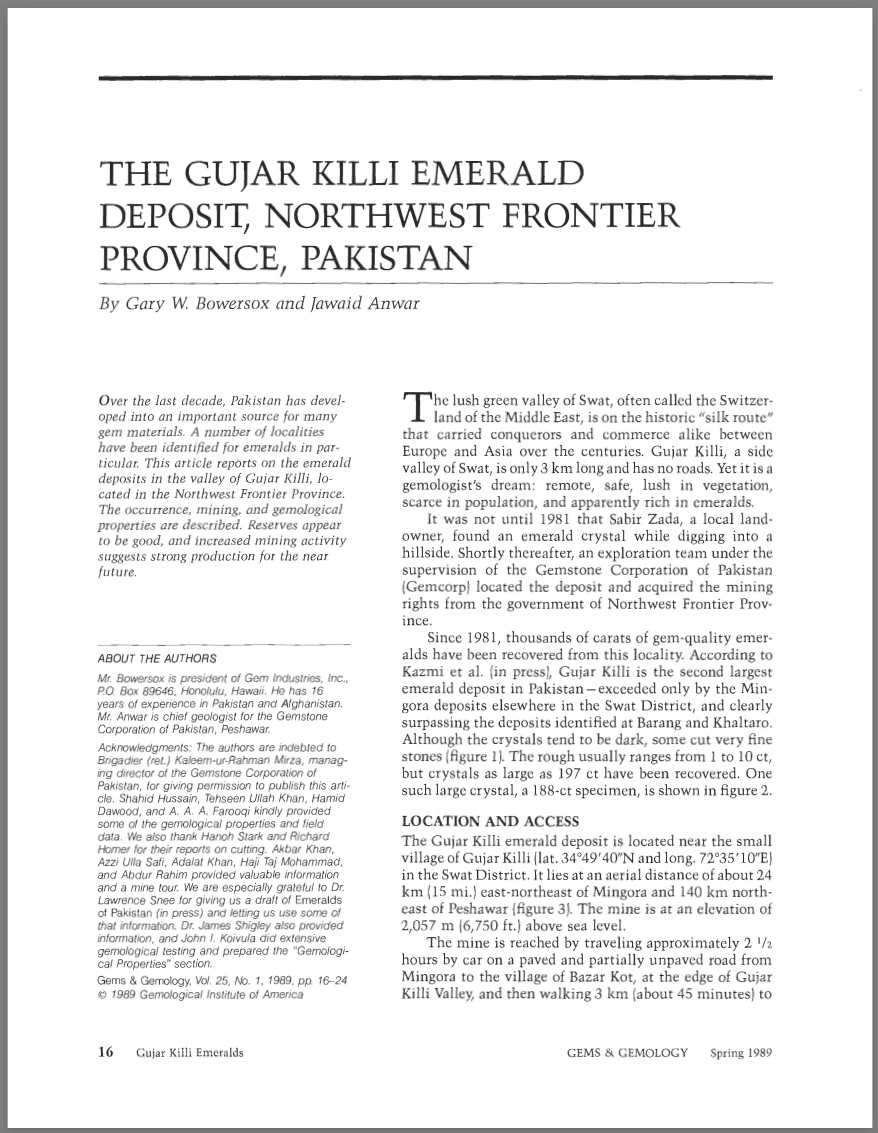
Bowersox, G.W. (1989) The Gujar Killi emerald deposit, Northwest Frontier Province, Pakistan. Gems & Gemology, Vol. 25, No. 1, Spring, pp. 16–24.
Record No. 17128  |  ISBN/ISSN: 0016626X  |  Sinkankas/Born No.: NIS/NIB  |  RWHL*
Over the last decade, Pakistan has developed into an important source for many gem materials. A number of localities have been identified for emeralds in particular. This article reports on the emerald deposits in the valley of Gujar Killi, located in the Northwest Frontier Province. The occurrence, mining, and gemological properties are described. Reserves appear to be good, and increased mining activity suggests strong production for the near future.

The Brazilian emeralds and their occurrences: Carnaíba, Bahia
Journal Article
Schwarz, D. and Eidt, T. (1989) The Brazilian emeralds and their occurrences: Carnaíba, Bahia. Journal of Gemmology, Vol. 21, No. 8, October, pp. 474–486.
Record No. 6052  |  ISBN/ISSN: 221252  |  RWHL*

Emerald and gold treasures of the Spanish galleon Nuestra Señora de Atocha
Journal Article
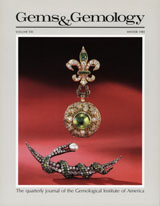
Kane, R.E., Kammerling, R.C., Moldes, R., Koivula, J.I., McClure, S.F. and Smith, C.P. (1989) Emerald and gold treasures of the Spanish galleon Nuestra Señora de Atocha. Gems & Gemology, Vol. 25, No. 4, Winter, pp. 196–206.
Record No. 5873  |  ISBN/ISSN: 0016626X  |  RWHL*
During the 1970s and 1980s, treasure hunters discovered the centuries-old re-mains of the sunken Spanish galleons Nuestra Senora de Atocha and Santa Mar-garita. Not only did they find massive amounts of silver and gold in coins, bars, and chains, but they also uncovered a number of rough emeralds and several pieces of emerald-set jewelry. Recently, some of the treasures recovered from the Atocha were examined at the Santa Monica office of the GIA Gem Trade Lab-oratory. Gemological testing of the emer-alds revealed inclusions typical of stones mined in Colombia as well as possible ev-idence of extended submersion in s e w -ter. Study of the jewelry revealed a high-karat gold content and fine workmanship that represented methods typical of the era.

Emeralds of Pakistan: Geology, Gemology and Genesis
Edited Book
Kazmi, A.H. and Snee, L.W., editor (1989) Emeralds of Pakistan: Geology, Gemology and Genesis.. New York, Geological Survey of Pakistan and Van Nostrand Reinhold, 269 pp..
Record No. 5068  |  ISBN/ISSN: 9781490000000  |  RWHL*
This is a comprehensive study of emeralds and emerald deposits in Pakistan. Nine chapters include: a review of geology and metallogenic provinces of Pakistan; geological setting of Pakistani emerald deposits; detailed description of each of the Pakistani emerald deposits known before 1989; gemological characteristics of Pakistani emeralds; regional chemical differences among emeralds and host rocks of Pakistan and Afghanistan; mineral chemistry of emeralds and associated minerals; a fluid inclusion study; geology of world emerald deposits; and origin and classification of Pakistani and world emerald deposits. The book also includes a comprehensive bibliography of the emerald deposit literature up to 1989. With color photos by E.J. Gübelin

Jades, jewels, and objets d’art

Book Section
Markel, S. (1989) Jades, jewels, and objets d’art. In: Romance of the Taj Mahal, London: Thames & Hudson, pp. 128–169.
Record No. 4343  |  ISBN/ISSN: 9780500000000  |  RWHL*
A sumptuous catalog that accompanied shows in New York, Los Angeles and Toledo. Many aspects of the artistry and architectural skills that went into the creation of the world's most famous mausoleum are revealed. The buildings' depiction in artists' imaginations is also covered from many perspectives through the ages, by admirers from every culture. This article from the book focusses on Mughal jades.

Aspectos Mineralogicos, Geológicos e Econômicos da Esmeralda de Santa Terezinha de Goiás
Mineralogical, Geological and Economic Aspects of the Emerald of Santa Terezinha de Goiás
Thesis
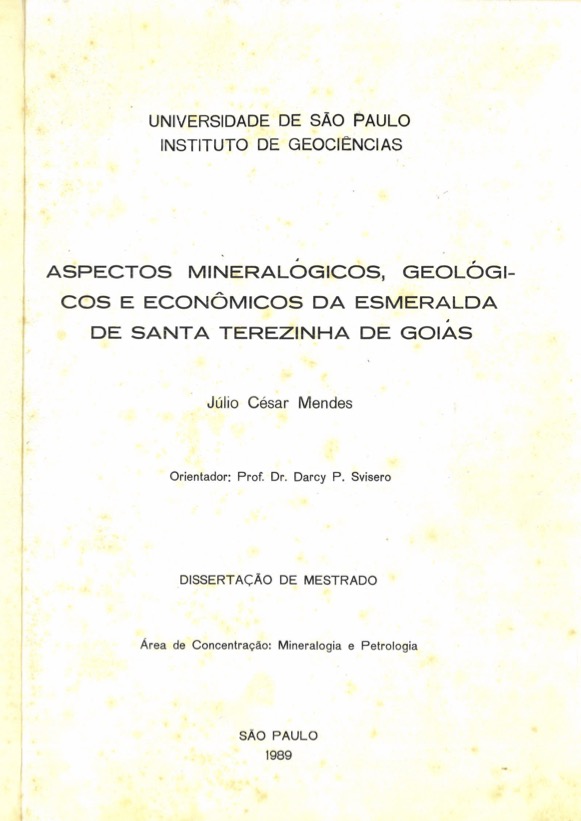
Cesar-Mendes, J. (1989) Aspectos Mineralogicos, Geológicos e Econômicos da Esmeralda de Santa Terezinha de Goiás. [Mineralogical, Geological and Economic Aspects of the Emerald of Santa Terezinha de Goiás]., São Paulo, Brazil: Universidade de São Paulo, 163 pp.
Record No. 4204  |  Language: in Portuguese  |  RWHL*
A detailed mineralogical, geological and economic study of the Santa Terezinha de Goiás emerald deposits, situated about 23 km northeast of the town of Santa Terezinha. Geological mapping identifies emerald mineralization within low-grade metamorphic rocks of the Santa Terezinha Sequence, particularly quartz-carbonate-talc schists and biotite/phlogopite schists, with both lithological and structural controls on ore distribution. The emeralds are characterized by intense green color, refractive indices of approximately 1.580–1.599 and an average specific gravity of about 2.71. Electron-microprobe analyses show significant Cr and Fe, both correlated with increasing color intensity. Mineral inclusions include chromite, carbonates, talc, phlogopite, pyrite, patronite, quartz, barite, beryl and ferropargasite. Mendes discusses several possible sources for the beryllium and concludes that the chromophoric elements were derived from associated meta-ultramafic rocks. The work also examines the organization and economic importance of emerald mining at Santa Terezinha.

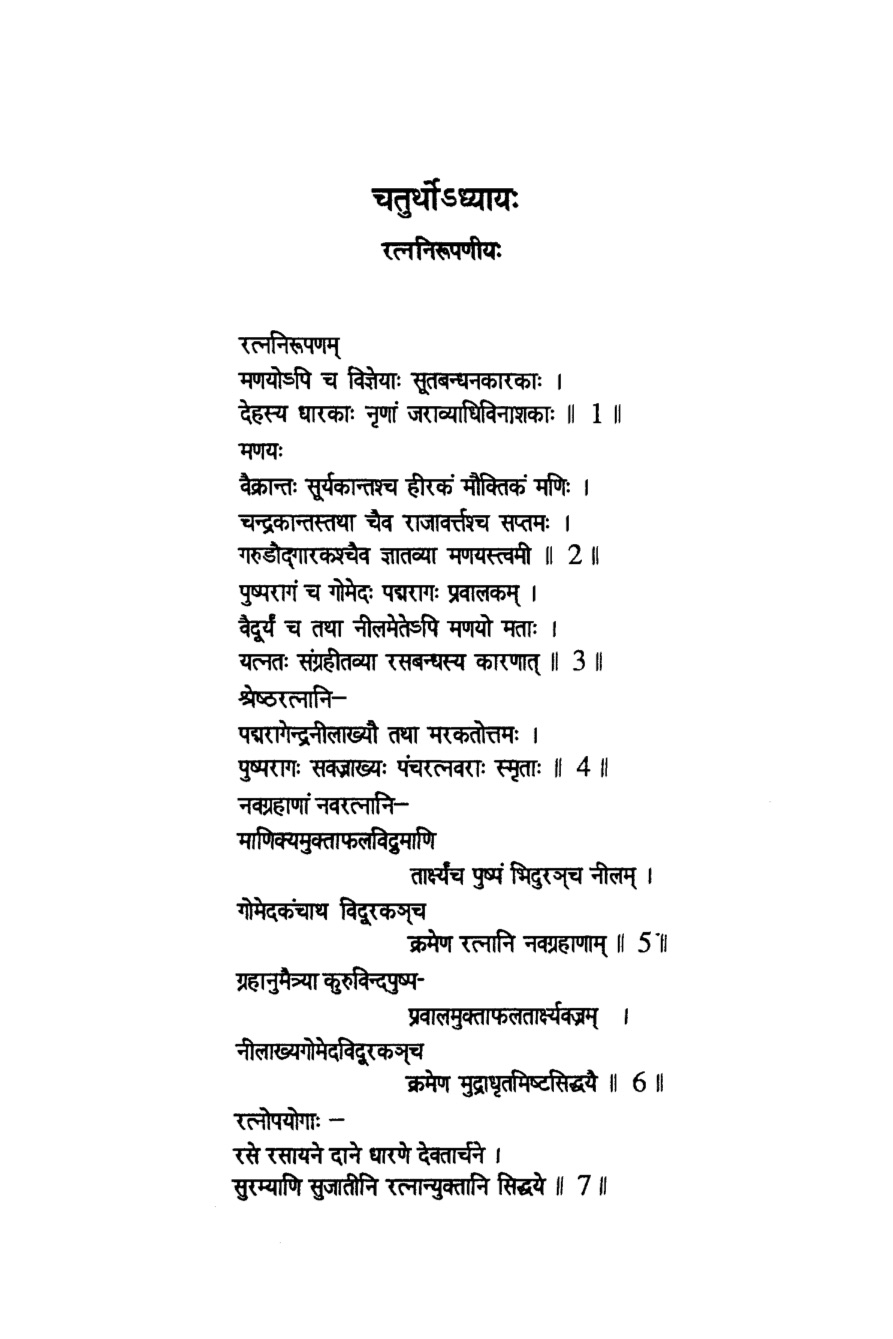
Supplement: Rasa Ratna Samuccaya (continued); Fourth Chapter
Journal Article
Anonymous (1989) Supplement: Rasa Ratna Samuccaya (continued); Fourth Chapter. Indian Journal of History of Science, Vol. 24, No. 1, pp. 131–181.
Record No. 3279  |  Sinkankas/Born No.: NIS/NIB  |  Language: in Sanskrit (Devanagari script) with English translation  |  RWHL*
The fourth chapter of the Rasa Ratna Samuccaya, presented in Sanskrit with English translation and extensive explanatory notes by Damodar Joshi, is devoted principally to ratnas (gems) and is particularly important for the history of Indian gemology. Nine principal gems are associated with the nine planets: ruby, pearl, coral, emerald, topaz, diamond, sapphire, hessonite and cat’s-eye. The text describes desirable and defective qualities of gems and gives procedures for their śodhana (purification) and māraṇa (incineration) for medicinal use. Individual sections discuss ruby, sapphire, diamond, pearl and other gem materials, including their traditional physical characteristics, varieties, supposed planetary relationships, therapeutic properties and methods of processing. Additional materials treated include sunstone, moonstone, lapis lazuli and quartz (sphaṭika). Joshi’s notes compare the traditional descriptions with modern mineralogical identifications and chemical compositions. The chapter provides unusually detailed evidence for the intersection of gemology, medicine, astrology and alchemy in the Indian rasaśāstra tradition.

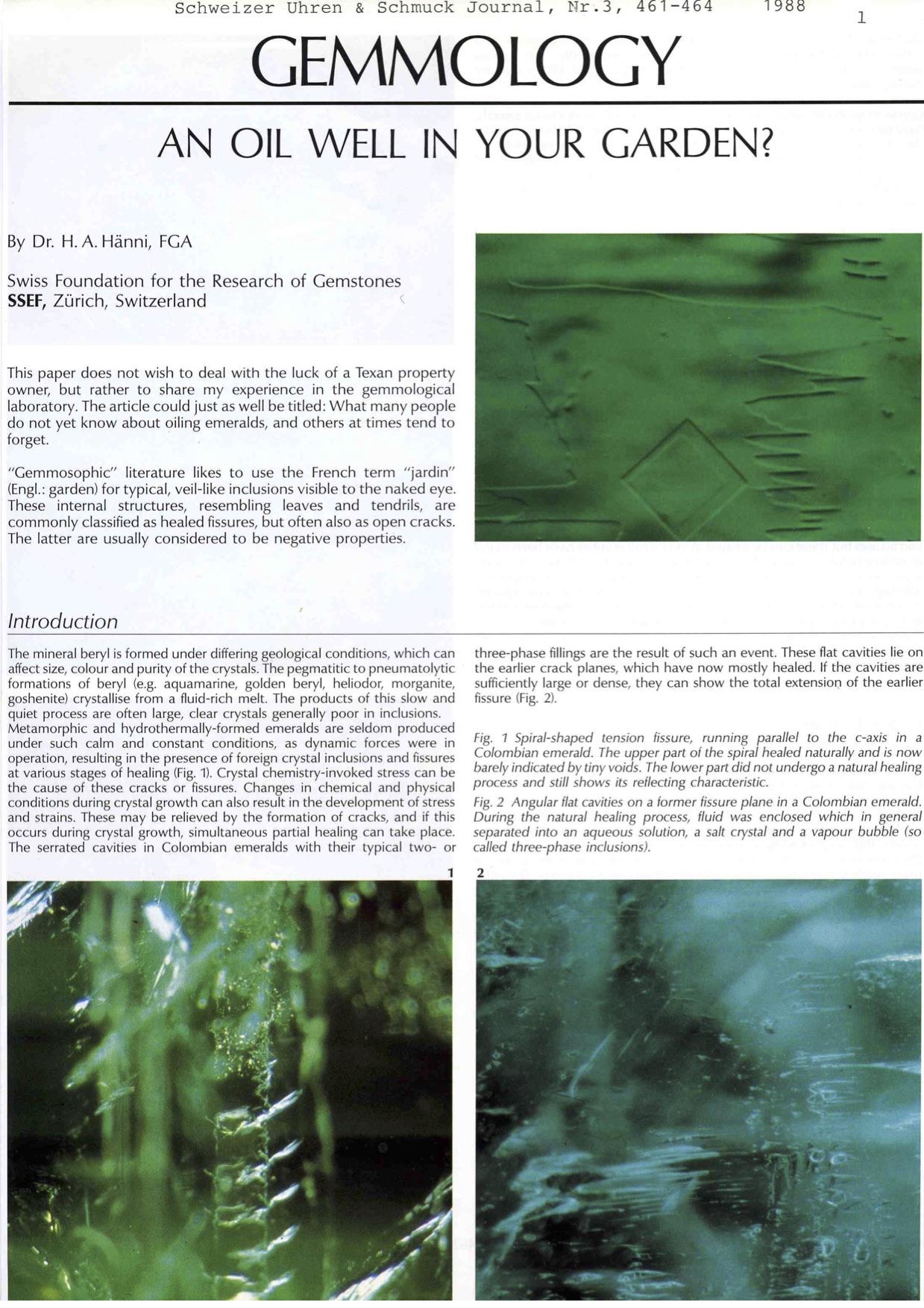
An oil well in your garden

Journal Article
Hänni, H.A. (1988) An oil well in your garden. Swiss Watch and Jewellery Journal, Mar-88, pp. 461–464.
Record No. 1979  |  RWHL*
This paper does not wish to deal with the luck of a Texan property owner, but rather to share my experience in the gemmological laboratory. The article could just as well be titled: What many people do not yet know about oiling emeralds, and others at times tend to forget. ”Cemmosophic” literature likes to use the French term jardin” (Engl.: garden) for typical, vei|—like inclusions visible to the naked eye. These internal structures, resembling leaves and tendrils, are commonly classified as healed fissures, but often also as open cracks. The latter are usually considered to be negative properties."

Early Islamic Jewellery/Later Islamic Jewellery
Book
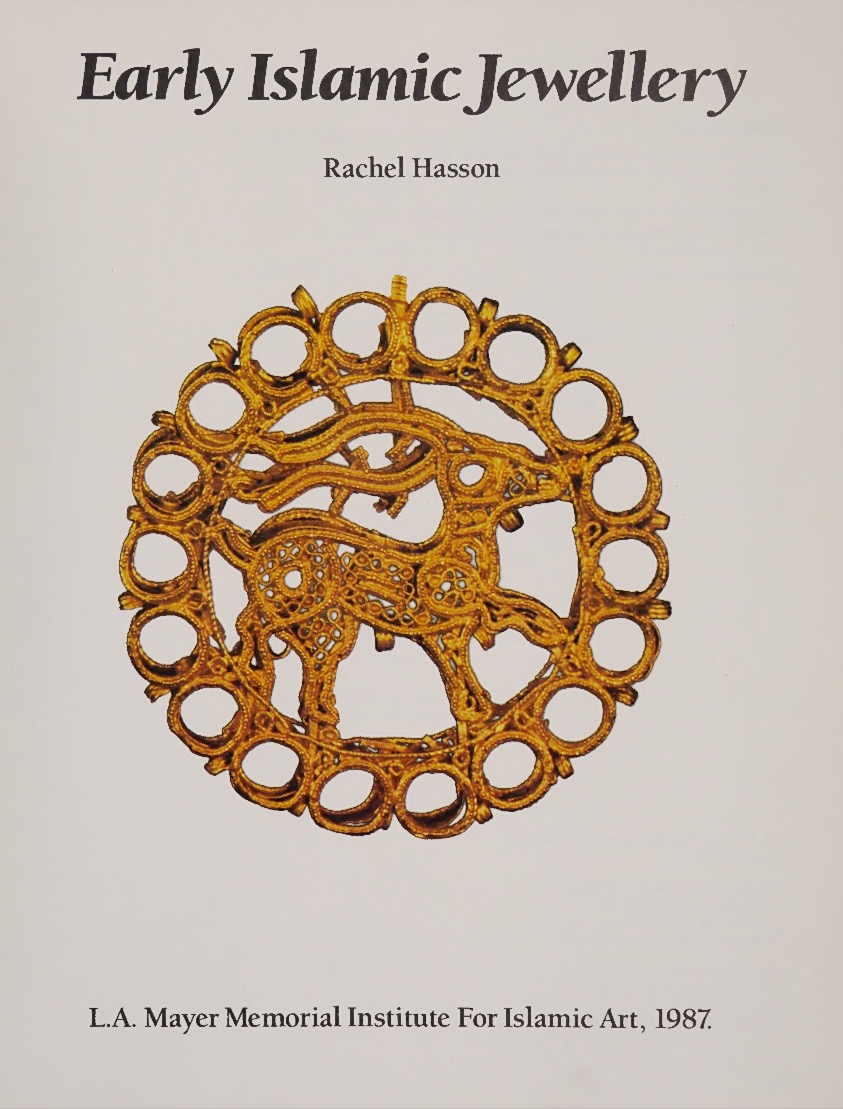
Hasson, R. (1987) Early Islamic Jewellery/Later Islamic Jewellery. Jerusalem, L.A. Mayer Memorial Institute for Islamic Art, 2 Vols., 111, 160 pp.
Record No. 26625  |  Sinkankas/Born No.: NIS/NIB  |  RWHL*
Hasson’s two-volume catalogue presents the Islamic jewellery collection of the L.A. Mayer Memorial Institute for Islamic Art, tracing the development of personal ornaments across the Islamic world from the early Islamic period into later centuries. The objects include rings, earrings, bracelets, necklaces, pendants, beads, amulets, belt and costume fittings, and related ornaments fashioned in gold, silver, and other materials and frequently set or decorated with gemstones, glass, and enamel. Individual entries describe materials, techniques, dimensions, decoration, inscriptions, provenance, dating, and comparable pieces, placing the jewellery within its archaeological and art-historical context. Particular attention is given to manufacturing and decorative techniques such as casting, repoussé, filigree, granulation, engraving, niello, openwork, and stone setting, as well as to recurring geometric, vegetal, figural, and epigraphic motifs. The catalogue illustrates both the continuity of jewellery forms across the Islamic world and regional differences resulting from interactions with Byzantine, Sasanian, Central Asian, Mediterranean, and other traditions. Together the volumes provide an important reference for the identification, dating, manufacture, and stylistic development of Islamic jewellery and for the study of gemstones and precious materials in Islamic decorative arts.

An update on color in gems

Journal Article
Fritsch, E. and Rossman, G. (1987, 1988) An update on color in gems. Gems & Gemology, Part 1: Introduction and colors caused by dispersed metal ions. Vol. 23, No. 3, pp. 126–139; Part 2: Colors involving multiple atoms and color centers. Vol. 24, No. 1, pp. 3–15; Part 3: Colors caused by band gaps and physical phenomena. Vol. 24, No. 2, pp. 81–103.
Record No. 4777  |  ISBN/ISSN: 0016626X  |  RWHL*
Studies concerning the origin of color in gem materials have grown in sophistication in recent years, so that much new in-formation is now available about natural color and its possible modification by var-ious treatment processes. This three-part series of articles reviews our current un-derstanding of gemstone coloration. The first part summarizes the factors that gov-ern the perception of color, from the source of light to the human eye, and then examines in detail the role of one color-cozising agent, dispersed metal ions, in the coloration of many gem materials, including ruby and emerald. The second part will explore charge-transferphenom-ena and color centers as the cause of color in gems such as blue sapphire and Maxixe beryl. The series will conclude with col-ors that can be explained usjng band theory and physical optics, such as the play-of-color in opal and the blue sheen of moonstone feldspars.

Esmeraldas – Inclusões em gemas

Emeralds — Inclusions in gems
Book
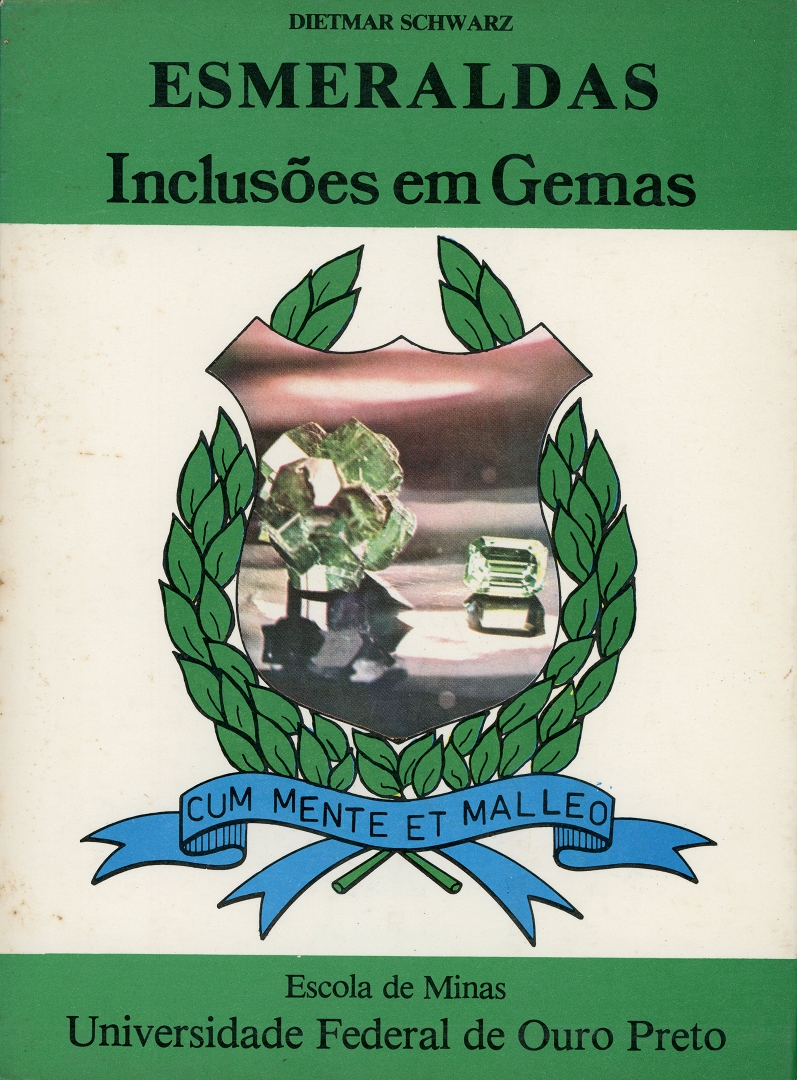
Schwarz, D. (1987) Esmeraldas – Inclusões em gemas. [Emeralds — Inclusions in gems] Ouro Preto, MG, Imprensa Universitária UFOP, 450 + XI pp.
Record No. 4201  |  Language: in Portuguese  |  RWHL*
A comprehensive study of inclusions in emerald, with particular emphasis on their use in gemological identification and determination of geographic origin. Schwarz examines solid mineral inclusions, fluid inclusions, growth features and other internal characteristics of emeralds from the principal producing localities, comparing their characteristic inclusion assemblages. Brazilian occurrences receive extensive treatment, including Carnaíba and Socotó in Bahia, Santa Terezinha in Goiás, and deposits in Minas Gerais, alongside material from Colombia and other world sources. The work illustrates how combinations of mineral inclusions, fluid inclusions and growth structures can distinguish emeralds from different geological environments and can assist in separating natural from synthetic material. It became an important reference for subsequent studies of emerald inclusions and geographic origin. Sadly this softcover book was poorly printed on low quality paper.

The fifteen causes of color: The physics and chemistry of color
Journal Article
Nassau, K. (1987) The fifteen causes of color: The physics and chemistry of color. Color Research and Application, Vol. 12, No. 1, Feb., pp. 4–26.
Record No. 1343  |  Sinkankas/Born No.: NIS/NIB  |  RWHL*
The fifteen causes of color derived from a variety of physical and chemical mechanisms are summarized in five Croups in this article. Vibrations and simple excitations explain the colors of incandescence (e.g., flames), gas excitations (neon tube, aurora), and vibrations and rotations (blue ice and water). Ligand-field-effect colors are seen in transition-metal compounds (turquoise, chrome-oxide green) and impurities (ruby, emerald). Molecular orbitals explain the colors of organic compounds (indigo, chlorophyll) and charge-transfer compounds (blue sapphire, lapis lazuli). Energy bands are involved in the colors of metals and alloys (gold, brass), of semiconductors (cadmium yellow, vermillion), doped semiconductors (blue and yellow diamond), and color centers (amethyst, topaz). Geometrical and physical optics are involved in the colors derived from dispersive refraction (rainbow, green flash), scattering(blue sky, blue eyes, red sunset), interference (soap bubbles, iridescent beetles), and diffraction (the corona aureole, opal).

Pierres de Lumière et Objets Précieux
Stones of Light and Precious Objects
Book
Schubnel, H.-J., Vollenweider, M.-L. and Gonthier, E. (1987) Pierres de Lumière et Objets Précieux. [Stones of Light and Precious Objects] Paris, Les Éditions Arthaud, 257 pp.
Record No. 79  |  ISBN/ISSN: 2700306325  |  Sinkankas/Born No.: NIS/NIB  |  Language: in French  |  RWHL*
A lavishly illustrated survey of gemstones and precious objects, tracing their significance from prehistory and traditional societies through the great jeweled treasures of Europe, Asia and pre-Columbian Mexico. Separate sections examine glyptics, jade, and the authentication of engraved and historically important gems. The geographical portion surveys the principal world sources of diamond, ruby, sapphire, emerald and other gem and ornamental materials, while the final section considers the changing value of gemstones through history, the contemporary gem trade and international markets. Appendices provide a systematic classification of minerals and varieties used as gems. The emphasis throughout is on the relationship between gemstones and human culture—history, craftsmanship, symbolism, collecting and commerce—supported by extensive, largely color photography. A contemporary Journal of Gemmology review particularly praised the production and the many photographs that were new to publication.

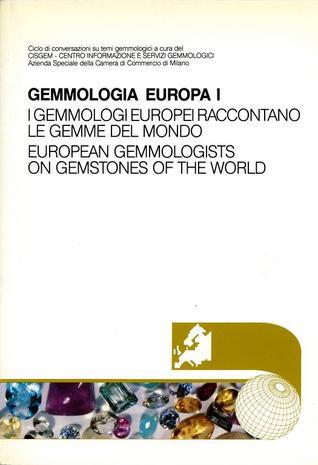
European Gemmologists on Gemstones of the World
Conference Proceedings
CISGEM (1986) European Gemmologists on Gemstones of the World. Gemmologia Europa, Milan: CISGEM, 174 pp..
Record No. 4247  |  Language: in English & Italian  |  RWHL*
The first volume in CISGEM’s Gemmologia Europa series, bringing together contributions by leading European gemologists on important gem materials and gemological problems. The papers include discussions of diamond, emerald, opal and other colored stones, combining descriptions of deposits and geographic sources with gemological properties, inclusions, identification and aspects of formation. Among the contributors are E. Alan Jobbins, Henri-Jean Schubnel, Jan Kanis, Eduard J. Gübelin and Pieter C. Zwaan. Gübelin’s contribution, for example, compares Australian and Mexican opals. The volume provides a snapshot of European gemological research and expertise in the mid-1980s, with parallel English and Italian text. This includes Pailin sapphire, Sri Lankan gems, gems from Brazil, Mozambique, Zambia, Zimbabwe, South Africa, Namibia, and opal from Mexico and Australia.

The Coscuez mine: A major source of Colombian emeralds
Journal Article
Ringsrud, R. (1986) The Coscuez mine: A major source of Colombian emeralds. Gems & Gemology, Vol. 22, No. 2, Summer, pp. 67–79.
Record No. 2581  |  ISBN/ISSN: 0016626X  |  RWHL*
The Muzo emerald district, in Boyacá, Colombia, contains several mines. Although the Muzo mine is undoubtedly the best known, the Coscuez mine is rapidly gaining significance as a major source of fine emeralds. Yet few in the trade outside of Colombia are aware of the importance of Coscuez or know about the emeralds mined there. The Coscuez mine is literally hundreds of years old, and its history is closely tied to that of Muzo. Located only about 10km apart,the two areas also share many geologic features and both are currently exploited using open-cut mining methods. The Cosccuez emeralds are similar to Muzo stones in their physical properties, but they occurin a somewhat broader range of hue and saturation. Prospects for even greater production at Coscuez in the future are good.

The Biron hydrothermal synthetic emerald
Journal Article
Kane, R.E. and Liddicoat, R.T. (1985) The Biron hydrothermal synthetic emerald. Gems & Gemology, Vol. 21, No. 3, Fall, pp. 156–170.
Record No. 5113  |  ISBN/ISSN: 0016626X  |  RWHL*
A new synthetic emerald grown in Western Australia is now commercially available as faceted stones. Infrared spectra revealed the presence of water, thereby confirming that these synthetic emeralds are synthesized by a hydrothermal process. Chemical analysis showed that they contain vanadium as well as lesser amounts of chromium. This new synthetic exhibits some characteristics that are distinctly different from other synthetic emeralds and therefore must now be considered when identifying emeralds. In addition to distinctive inclusions such as gold, the Biron synthetic is inert to ultraviolet radiation, has a specific gravity of 2.68–2.71, and refractive indices of α = 1.569 and β (D) = 1.573. This article examines in detail the gemological properties of the Biron hydrothermal synthetic emerald and discusses means of identifying this new synthetic.

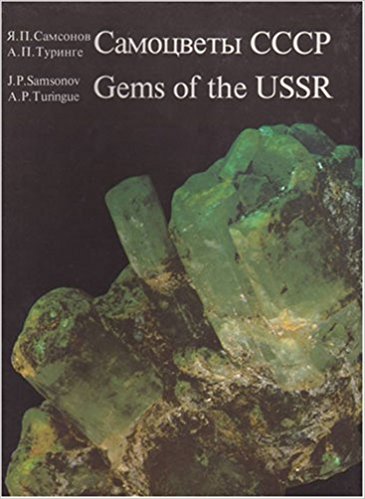
Gems of the USSR

Самоцветы СССР
Book
Samsonov, Y.P. and Turingue, A.P. (1985) Gems of the USSR. [Самоцветы СССР] Moscow, Nedra, 335 pp.
Record No. 4961  |  Sinkankas/Born No.: 5707; NIB  |  Language: in Russian  |  RWHL*
Sinkankas: The most comprehensive and authoritative treatise in modern times of the gemstones of the USSR, with good color photographs of cut & rough gemstones, countryside views, mining activities, etc., and all attractively designed and on good quality paper. Unfortunately, only the illustration captions are in English. p. 4: ‘This book includes detailed characteristics of the main species of gems and semiprecious stones in the USSR. Descriptions of geological, structural, genetic and other factors of the origin and distribution of gemstone formations are given. The territory of the country is divided into ore regions of gemstone raw materials with regard for main geological and structural and economic regions. Complex and monomineral provinces of gemstone raw material are marked out. The distinction and cutting of natural gemstones and their imitations are examined.’ In addition to the expected geological/mineralogical treatment as indicated in the foregoing resume, it should be noted that Part 6, on the history of the development of the manufacture of many types of articles from gemstones and stone, is especially rich in illustrations of all manner of articles from massive stone monuments, urns, etc., to articles of personal adornment, crown jewels of Tsarist days, peasant jewelry, small animal carvings, and many more. As noted by M. J. O’Donoghue in his review, J Gemm, 20, 4, 1986, 254–5, ‘there are many quality colour pictures and even for those with no Russian these make the book well worth getting.’ I have seen another issue of the present work, dated 1985, same price, bound in plain, olive-green cloth-type paper over boards.

A status report on gemstones from Afghanistan

Journal Article
Bowersox, G.W. (1985) A status report on gemstones from Afghanistan. Gems & Gemology, Vol. 21, No. 4, Winter, pp. 192–204.
Record No. 485  |  ISBN/ISSN: 0016626X  |  RWHL*
Although Afghanistan has historically been well known for its lapis lazuli deposits, significant amounts of fine emerald, tourmaline, kunzite, and some rubies are n o w emerging from that embattled nation. Emeralds comeprimarily from the Panjshir Valley, northeast of Kabul. Lorge amounts of green, blue, and pink tourmaline, as well as considerable quantities of kunzite and some aquamarine, have been taken from the pegmatites of the Nuristan region, east of Panjshir. Smaller quantities of fine ruby have been found i n the Sorobi region, between Jalalabad and Kabul. The occurrence, mining, and distribution of thesegem materials are summarized, as are their gemological properties. Lesser amounts of garnet, amethyst, spinel, and morganite have also been located. The prospects for future production of emeralds and pegmatite gems, i n particular, are excellent.

Exploring the Literature of Emerald

Emerald literature spans gemology, mineralogy, deposits, identification, treatments, synthesis, history and the gem trade, with important sources covering deposits around the world.

For a curated guide to this subject, read Green Fire — Lotus Gemology's Guide to the Literature of Emerald.

About Four Treasures

Four Treasures is Lotus Gemology's freely accessible gemological reference database. Use the full database to search by author, title or keyword and explore literature on gemology, mineralogy, jewelry and related fields. Where available, hyperlinks on titles may lead directly to the full publication.

Search the Complete Four Treasures Database