Emerald Bibliography

Emerald Bibliography

Explore books, articles and historical sources on emerald in Four Treasures, the Lotus Gemology reference database. This bibliography brings together matching records from the collection, with publication details, abstracts and cover images where available.

Emerald References

The list below matches the terms emerald or emeralds in the database's searchable fields. Some references discuss emeralds as part of a broader subject.
781–800 of 851 matching references

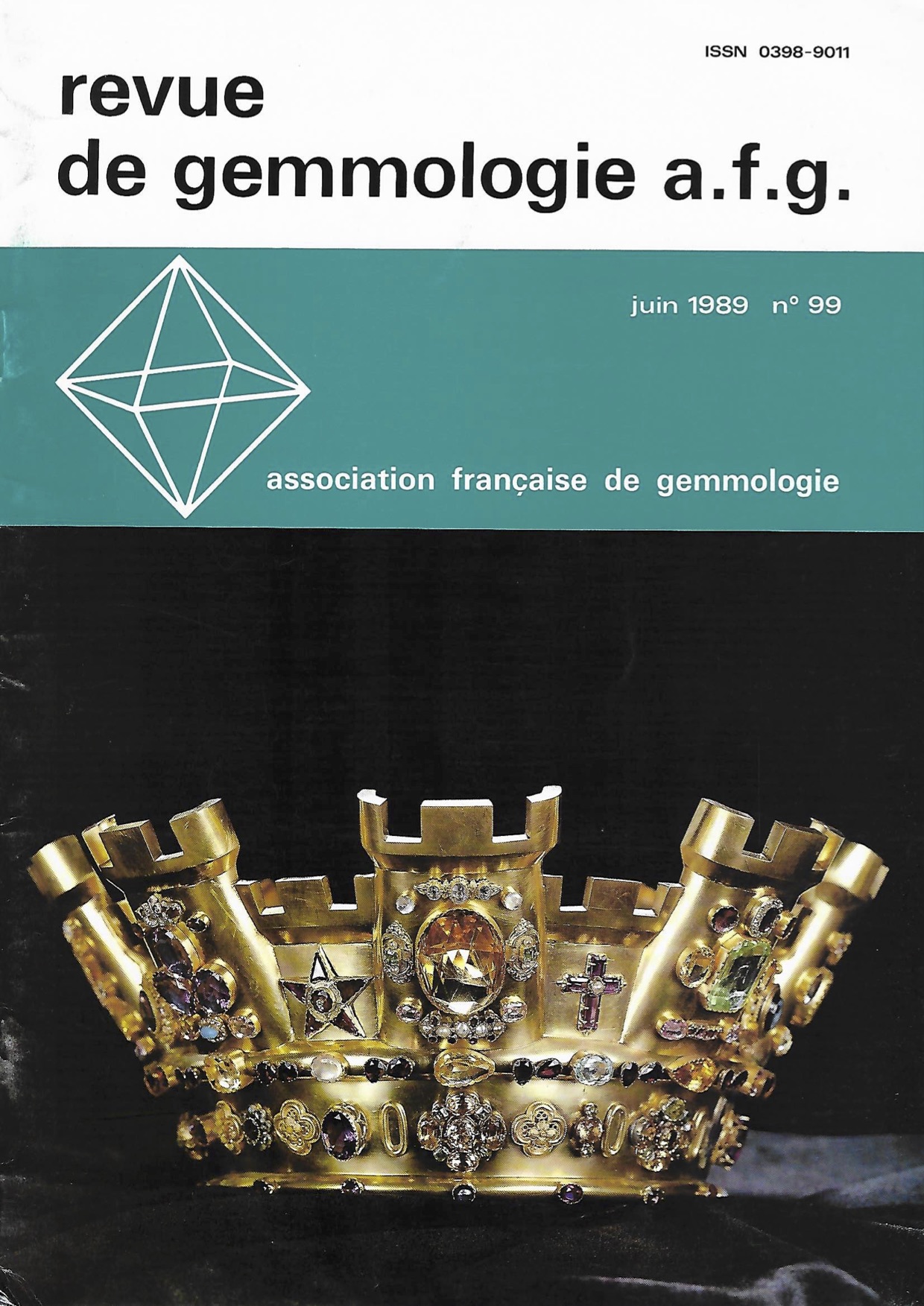
Rubis trapiches de Mong Hsu, Myanmar

Trapiche rubies from Mong Hsu, Myanmar
Journal Article
Garnier, V., Ohnenstetter, D., Giuliani, G. and Schwarz, D. (2002) Rubis trapiches de Mong Hsu, Myanmar. [Trapiche rubies from Mong Hsu, Myanmar] Revue de Gemmologie. A.F.G., No. 144, pp. 5–12.
Record No. 7763  |  Language: in French  |  not seen
After a comparison of the geologic occurrences of trapiche emerald and trapiche ruby, and a discussion of the various theories proposed for their formation, this article presents the results of an investigation of the chemical compositions, and the solid and fluid inclusions, of six trapiche rubies from Mong Hsu. The study used advanced analytical techniques such as energy- and wavelength-dispersive spectrometry and “cold” cathodoluminescence. The authors identify 12 minerals not previously reported as inclusions in trapiche rubies or as components of their skeletal “arms.” The rubies show a chemical zonation that can be linked to variations in the chemical composition of the growth fluid. The chromium content, in particular, appears to be related to variations in the circulation of metasomatic fluids rich in REE (rare-earth element) fluorides.

Rich gemstone potentials discovered in Somaliland

Journal Article
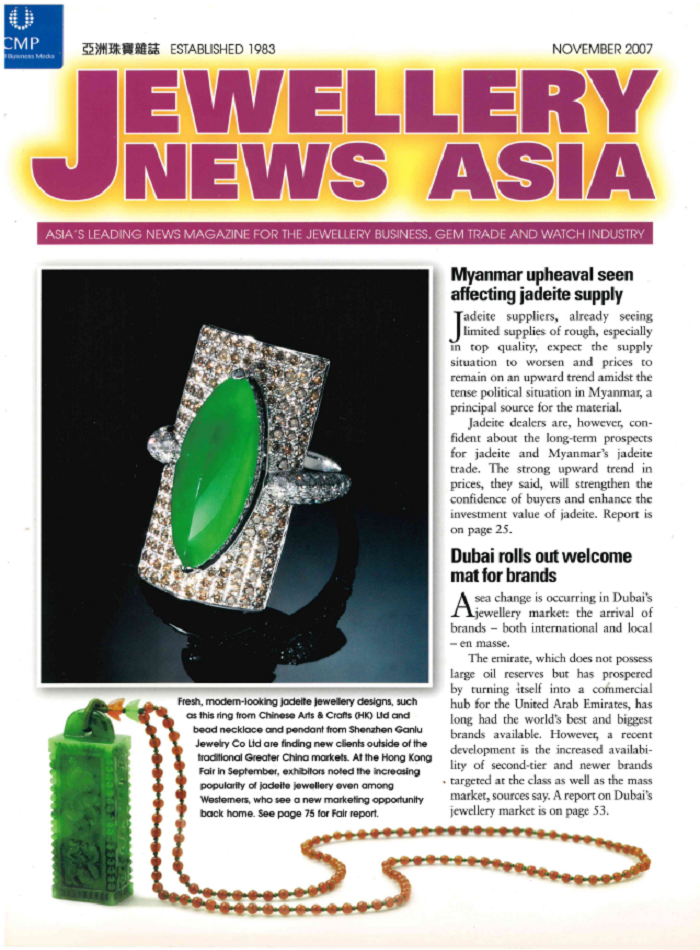
Kinnaird, J.A. (2001) Rich gemstone potentials discovered in Somaliland. Jewellery News Asia, No. 197, January, pp. 58, 60, 62–63.
Record No. 26743  |  not seen
Recent geological surveys indicate that Somaliland has abundant deposits of gemstones, from emerald to aquamarine, ruby and sapphire as well as vast amounts of garnet, quartz and opal, and lesser-known minerals such as titanite and vesuvianite. Somaliland in northern Africa appears to be the new potential gemstone-bearing area comparable to Madagascar or Tanzania. In addition to pegmatite, which are the host rocks of emerald and other kinds of beryl such as aquamarine, Somaliland has metamorphic rocks that hold nodules of ruby and sapphire. There is little understanding of its mineral deposits, but villagers in Somaliland use primitive tools to dig out a range of gemstones that they offer for sale to dealers locally. When aid officials at the European Community (EC) office in the capital, Hargeisa, first saw the gemstones, they believed they had been stolen from graves. To determine whether these stones came out of the ground or were stolen, EC invited Dr. Judith Kinnaird, a consultant geologist and gemmologist from the University of Witwatersrand in Johannesburg, to investigate. Dr. Kinnaird visited the country twice and, in addition to identifying gem minerals, she helps local miners distinguish among similar coloured minerals and is working with Progressive Interventions (supported by EC funding) to help set up a gemmological association and marketing channels. Somaliland is part of the Mozambique Belt and was formerly part of the same landmass as Madagascar, Tanzania, Sri Lanka and India prior to continental drift. Recovery of gemstones began only in 1988 and is still carried out in a primitive and haphazard manner. The gem-producing belt is a narrow strip between 30 and 80 km wide and 200 to 300 km long, running roughly parallel to the Gulf of Aden. The country, once a British protectorate, suffered a nine-year civil war from 1982, leaving infrastructure like roads and bridges in disrepair. Dr. Kinnaird described access to gem deposits as difficult and hazardous. The terrain includes high mountains and coastal regions with temperatures reaching up to 50°C. Two emerald-producing areas, Alihiley and Simodi, occur at the contact of pegmatite and chromium-bearing schist. Patchy colour development and dual-colour zoning were observed in crystals. At Simodi, pegmatite is visible across the hillsides, and emerald is being mined again after years of inactivity, despite dangerous pit conditions and lack of equipment. In Alihiley, rudimentary mechanical tools like a compressor are used. East of the emerald belt, aquamarine and other beryls occur in pegmatite intruding granite, giving rise to large but often cracked crystals coloured by iron or titanium. Reports also mention yellow beryl (heliodor). Ruby and sapphire are found in metamorphic rocks, not pegmatite. Ruby has been found in red corundum cores with green zoisite, while sapphire occurs in nodules, greenish-blue near the surface and better-quality blue material at depth. Unlike other African countries, ruby and sapphire are not found together. Garnet is extremely abundant, in red to orange colours and of multiple types, including pyrope and almandine, and some green garnets initially mistaken for Tsavorite were identified as vesuvianite. Orange to yellow opals lacking play-of-colour have been found, but high-quality reddish opal with good play-of-colour also occurs, possibly in both lava and gypsum/anhydrite strata. Quartz is widespread, including high-purity rock crystal, smoky quartz, banded forms, and deep purple amethyst. Additional minerals include red spinel, watermelon tourmaline, colourless topaz, blue and green vesuvianite, titanite, apatite, and zircon. Some locals mistake quartz for diamond, though Dr. Kinnaird clarified there are no diamonds in Somaliland.
Inclusões sólidas e fluidas da esmeralda de Campos Verdes, Estado de Goiás, Brasil Central: dados de microscopia eletrô- nica de varredura e de luz transmitida
Inclusões sólidas e fluidas da esmeralda de Campos Verdes, Estado de Goiás, Brasil Central: dados de microscopia eletrô- nica de varredura e de luz transmitida

Solid and fluid inclusions in emeralds from Campos Verdes, State of Goiás, Central Brazil: data from scanning electron microscopy and transmitted light.
Conference Paper
Duarte, L., Pulz, G.M., Acauan, R.B., Brum, T.M.M. and Juchem, P.L. (2001) Inclusões sólidas e fluidas da esmeralda de Campos Verdes, Estado de Goiás, Brasil Central: dados de microscopia eletrô- nica de varredura e de luz transmitida. [Solid and fluid inclusions in emeralds from Campos Verdes, State of Goiás, Central Brazil: data from scanning electron microscopy and transmitted light.] XI Congreso Latinoamericano de Geología, III Congreso Uruguayo de Geología, 12–16 November, Montevidéu: Sociedad Uruguaia de Gelogia, 1 CD–ROM.
Record No. 7800  |  Language: in Portuguese  |  not seen

Gem pegmatites of the Ural Mountains, Russia
Journal Article
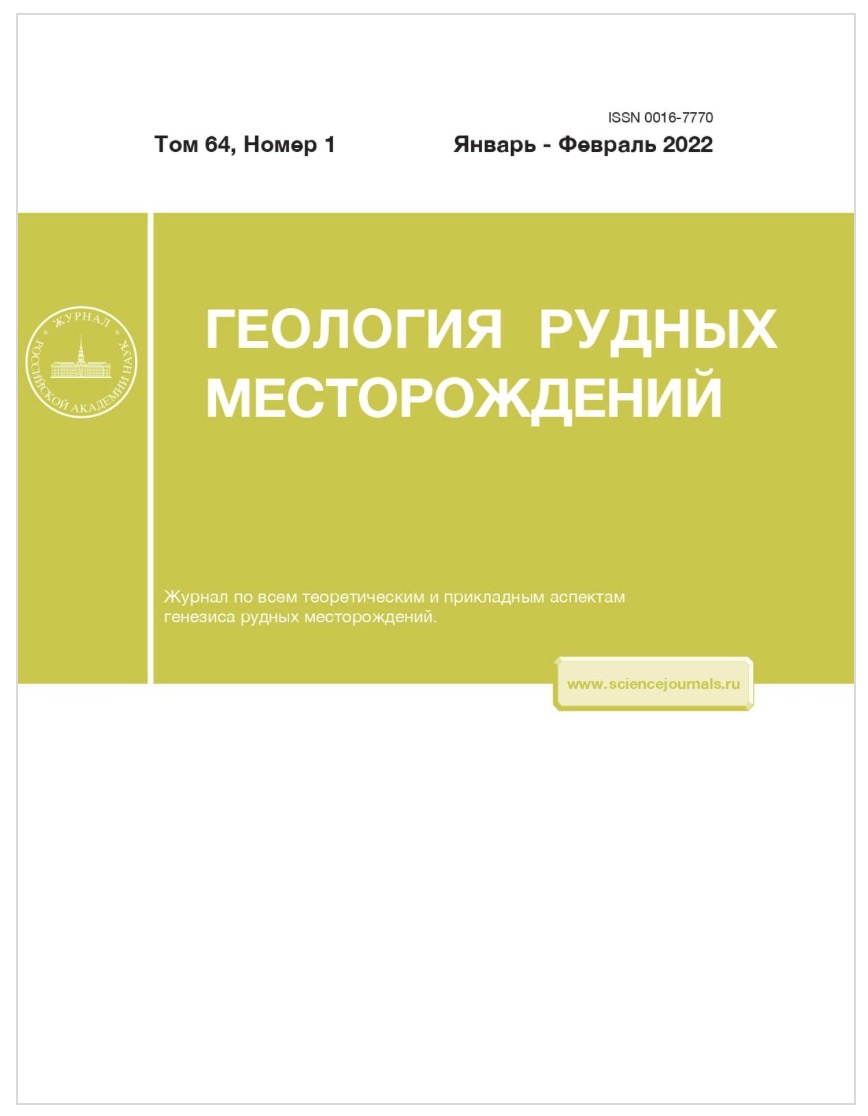
Lyckberg, P. and Zagorsky, V.Y. (2000) Gem pegmatites of the Ural Mountains, Russia. Mineralogical Record, Vol. 31, No. 2, pp. 177–183.
Record No. 27212  |  not seen
The northern section of the central Ural Mountains of Russia includes notable miarolitic pegmatites carrying beryl, topaz and tourmaline in the western endo and exocontact of the Mursinka-Adui intrusions and the desilicated pegmatites surrounded by emerald-alexandrite-phenakite mineralization. Fine blue topaz with smoky quartz and albite is found at the Mokrusha, Golodnij, Tyazhitnitza, Staraja Mylnitsa, Starzewa Jama and Kazionnitsa mines. Gem-bearing pegmatites NW of Mursinka are enclosed in a serpentine and contain miaroles with coloured tourmaline: pegmatites to the W and SW contain green and yellow beryl and yellow or light blue topaz. The Sarapulka and Shaitanka pegmatites are thin veins with rubellite and rhodizite in the W and green and blue aquamarine in the E. Large amounts of emerald, alexandrite and phenakite have been produced since 1830 from the Takovaja district schists. Specimens recently discovered include combinations of phenakite/emerald and alexandrite/emerald. The southern Ural region centred on Miass in the Ilmen Mountains produced clear topaz crystals up to 3-4 kg and uncommon green beryl associated in miarolitic pegmatites with amazonite.

Regularities of the emerald distribution in the Malyshevskoe deposit (Russia)

Journal Article
Zolotukhin, F.F. (1999) Regularities of the emerald distribution in the Malyshevskoe deposit (Russia). Geology of Ore Deposits [Геология рудных месторождений Geologia Rudnih Mestorozhdenii],
Record No. 27192  |  Sinkankas/Born No.: NIS/NIB  |  Language: in Russian  |  not seen

Neue Edelsteinvorkommen

New gem deposits
Journal Article
Henn, U. and Milisenda, C. (1998) Neue Edelsteinvorkommen. [New gem deposits] Uhren Juwelen Schmuck, pp. 51–53.
Record No. 7762  |  Language: German  |  not seen
Tanzania emerged as a great producer of colored gemstones in the second half of this century. Most of the important localities (e.g., Longido, Lake Manyara, Merelani, and Umba) are in the northern part of the country; they produce a great variety of gems, the most impor-tant being tanzanite, corundum (ruby and fancy-color sapphires), garnet (particularly rhodolite and tsavorite), tourmaline, emerald, alexandrite, spinel, and quartz. Diamonds are mined from the Mwadui kimberlite pipe, also in the north. Historically, gemstone occurrences in the south have been rare.. In 1994, however, large and rich gem deposits were found in southern Tanzania in the vicinity of Tunduru, about 80 km north of the border with Mozambique. An estimated 80,000 “illegals” have been working the alluvial deposits in the vicinity of the Muhuwesi and Mtetesi Rivers, mostly by primitive methods. Although the primary sources of the gem minerals have not been found, the fact that some crystals are only slightly rounded indicates short transport distances. This article discusses the history of the discovery and the development of gemstone trade in this area, the geologic setting of the deposits (in the Proterozoic Ubendian-Usagaran System of metamorphic rocks), and the most important gem materials found to date. These include blue and fancy-color sapphires, ruby, many colors of spinel, garnet (rhodolite, hessonite, and color-change), and chrysoberyl (cat’s-eye and alexandrite).PB

Emerald mineralization and metasomatism of amphibolite, Khaltaro granitic pegmatite-hydrothermal vein system, Haramosh Mountains, northern Pakistan

Journal Article
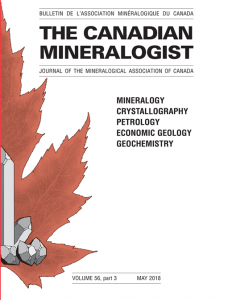
Laurs, B.M., Dilles, J.H. and Snee, L.W. (1996) Emerald mineralization and metasomatism of amphibolite, Khaltaro granitic pegmatite-hydrothermal vein system, Haramosh Mountains, northern Pakistan. Canadian Mineralogist, Vol. 34, No. 6, December, pp. 1253–1286.
Record No. 6062  |  not seen
Emerald mineralization is found within 0.1- to 1-m-thick hydrothermal veins and granitic pegmatites cutting amphibolite within the Nanga Parbat-Haramosh massif, in northern Pakistan. The amphibolite forms a sill-like body within garnet-mica schist, and both are part of a regional layered gneiss unit of Proterozoic (?) age. The 40 Ar/ 39 Ar data for muscovite from a pegmatite yield a plateau age of 9.13+ or -0.04 Ma. Muscovite from mica schist and hornblende from amphibolite yield disturbed spectra with interpreted ages of 9 to 10 Ma and more than 225 Ma, respectively, which indicate that peak Tertiary metamorphism reached 325 to 550 degrees C prior to 10 Ma. Pegmatites were emplaced after peak metamorphism during this interval and are older than pegmatites farther south in the massif. At Khaltaro, simply zoned albite-rich miarolitic pegmatites and hydrothermal veins containing various proportions of quartz, albite, tourmaline, muscovite, and beryl are associated with a 1- to 3-m-thick heterogeneous leucogranite sill, that is locally albitized. The pegmatites likely crystallized at 650 to 600 degrees C at pressures of less than 2 kbar. Crystals of emerald form within thin (<30 cm) veins of quartz and tourmaline-albite, and more rarely in pegmatite, near the contacts with altered amphibolite. The emerald-green coloration is produced by Cr and Fe. The Cr and total Fe contents, expressed as Cr 2 O 3 , and Fe 2 O 3 , respectively, decrease systematically from emerald (>0.20, 0.54-0.89 wt%), to pale blue beryl (< or =0.07, 0.10-0.63%), to colorless beryl (<0.07, 0.07-0.28%). The amphibolite is metasomatized in less than 20-cm-wide selvages that are symmetrically zoned around veins or pegmatites. A sporadic inner zone containing F-rich biotite, tourmaline, and fluorite, with local albite, muscovite, quartz, and rare beryl, gives way to an intermediate zone containing biotite and fluorite with local plagioclase and quartz, and to an outer zone of amphibolite containing sparse biotite and local quartz. The inner and intermediate zones experienced gains of K, H, F, B, Li, Rb, Cs, Be, Ta, Nb, As, Y and Sr, and losses of Si, Mg, Ca, Fe, Cr, V and Sc. The outer alteration zone has gained F, Li, Rb, Cs, and As. Oxygen isotope analyses of igneous and hydrothermal minerals indicate that a single fluid of magmatic origin with delta 18 OH 2 O = 8 per mil produced the pegmatite-vein system and hydrothermal alteration at temperatures between 550 and 400 degrees C. The formation of emerald result from introduction of HF-rich magmatic-hydrothermal fluids into the amphibolite, which caused hydrogen ion metasomatism and released Cr and Fe into the pegmatite-vein system.

La guerra verde: Treinta años de conflicto entre los esmeralderos
The Green War: Thirty Years of Conflict Around the Emeralds
Book
Claver Téllez, P. (1993) La guerra verde: Treinta años de conflicto entre los esmeralderos. [The Green War: Thirty Years of Conflict Around the Emeralds] Bogotá, Intermedio Editores, 166 pp.
Record No. 4256  |  ISBN/ISSN: 9789580000000  |  Sinkankas/Born No.: NIS/NIB  |  Language: in Spanish  |  not seen
Details Colombia’s drug wars, which have also involved some members of the emerald trade.

The emerald mines of Madagascar

Journal Article
Thomas, A. (1993) The emerald mines of Madagascar. South African Gemmologist, Vol. 7, No. 3, pp. 3–11.
Record No. 4197  |  not seen

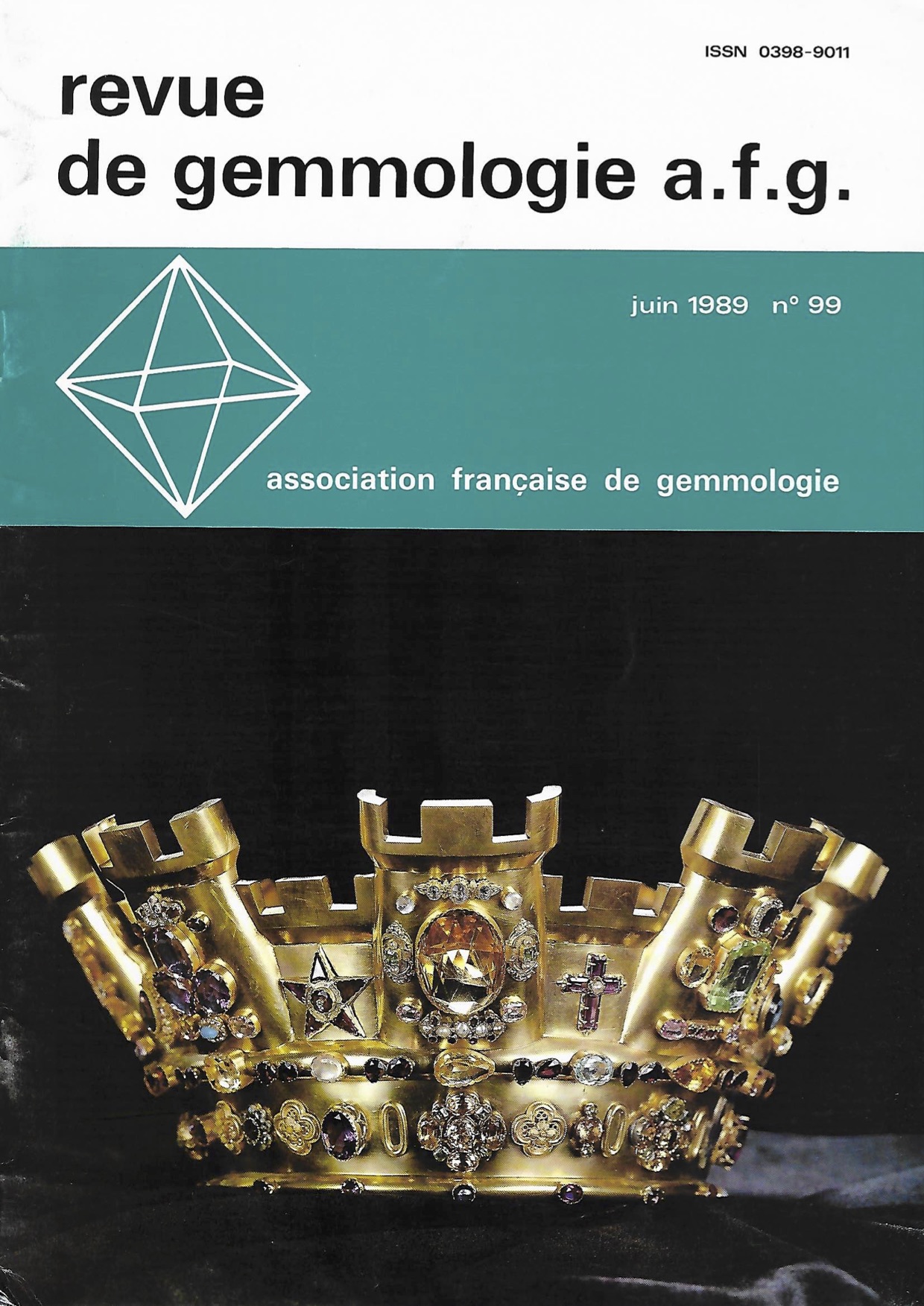
Three gem engravers at work in a jeweller's workshop in Norfolk. The evidence of the Roman engraved gems in the jeweller's hoard found at Snettisham
Journal Article
Maaskant-Kleibrink, M. (1992) Three gem engravers at work in a jeweller's workshop in Norfolk. The evidence of the Roman engraved gems in the jeweller's hoard found at Snettisham. BABESCH, Vol. 67, pp. 151–167.
Record No. 17273  |  not seen

La présence d’émeraudes au Pakistan, la vallée de Swat
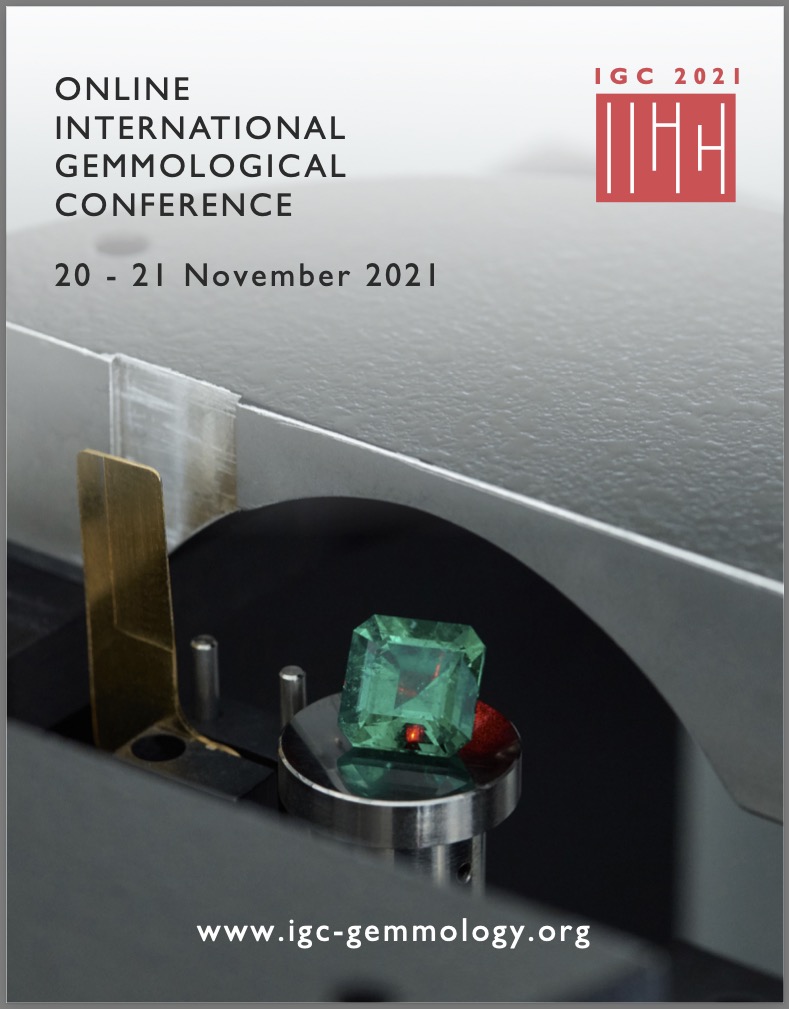
The presence of emeralds in Pakistan, the Swat Valley
Journal Article
Gübelin, E.J. (1992) La présence d’émeraudes au Pakistan, la vallée de Swat. [The presence of emeralds in Pakistan, the Swat Valley] Revue de Gemmologie A.F.G., No. 134–135, pp. 185–192.
Record No. 3109  |  Language: in French  |  not seen

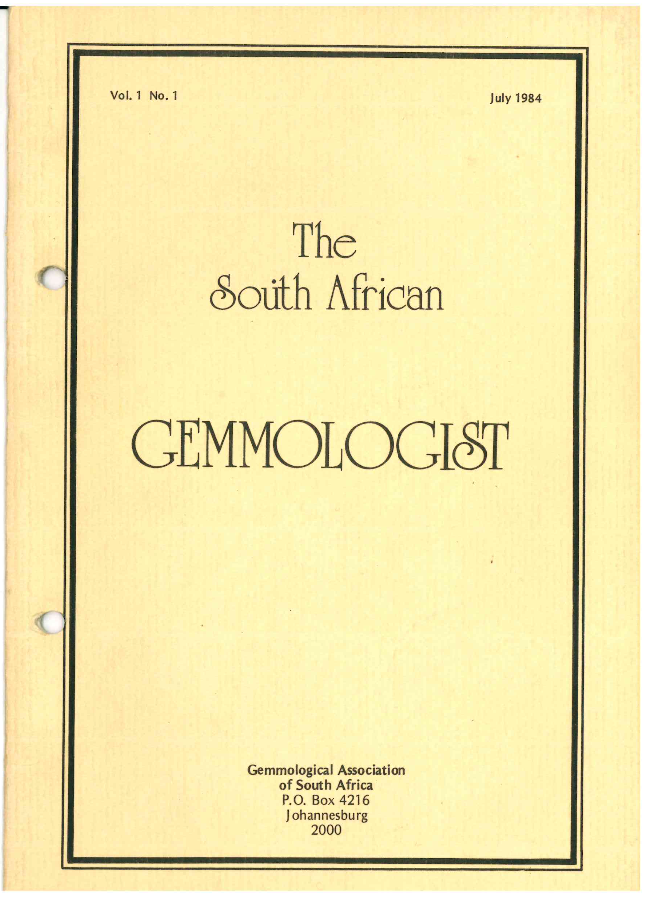
Emeralds from Mozambique: Gemmological and mineralogical study
Conference Paper
Gübelin, E.J. and Gysler-Sanz, J. (1991) Emeralds from Mozambique: Gemmological and mineralogical study. XXIII International Gemmological Conference, Stellenbosch, South Africa
Record No. 7769  |  not seen

Observation of inclusions in a Madagascar emerald and their possible implications
Journal Article
Kleyenstüber, A. (1991) Observation of inclusions in a Madagascar emerald and their possible implications. South African Gemmologist, Vol. 5, No. 2, pp. 4–9.
Record No. 4196  |  not seen

A report on one of a number of emeralds from Madagascar
Journal Article
Campbell, I.C.C. (1991) A report on one of a number of emeralds from Madagascar. South African Gemmologist, Vol. 5, No. 1, pp. 8–15.
Record No. 4195  |  not seen

Types of water in natural and synthetic emerald
Journal Article
Schmetzer, K. (1989) Types of water in natural and synthetic emerald. Neues Jahrbuch für Mineralogie - Monatshefte, No. 1, pp. 15–26.
Record No. 2389  |  not seen

Subsidios para o estudo comércio das pedras preciosas em Lisboa, no século XVI
Contributions to the study of the trade of precious stones in Lisbon in the 16th Century
Journal Article
Silva, N.V.e. (1989) Subsidios para o estudo comércio das pedras preciosas em Lisboa, no século XVI. [Contributions to the study of the trade of precious stones in Lisbon in the 16th Century] Boletim Cultural da Assembleia Distrital de Lisboa, No. 91,
Record No. 1599  |  Sinkankas/Born No.: NIS/NIB  |  Language: in Portuguese  |  not seen
Silva examines the trade in precious stones in sixteenth-century Lisbon, when Portuguese maritime expansion made the city a major European entrepôt for gems arriving from India and other parts of Asia. Drawing on contemporary documentary sources, he discusses the importation, valuation and sale of diamonds, rubies, sapphires, emeralds, pearls and other precious materials, together with the merchants, jewelers and lapidaries involved in their distribution. The influx of eastern gems attracted foreign lapidaries to Lisbon and contributed to the development of a specialized gem and jewelry trade. The study also considers commercial practices, including the packaging and valuation of shipments and the role of foreign banking and mercantile houses, placing the gemstone trade within the broader economic consequences of Portuguese expansion in the Indian Ocean. Later work by Silva developed the subject in English as “The Portuguese Gem Trade in the Sixteenth Century” (Jewellery Studies, No. 6, 1993, pp. 19–28).

Emerald deposits of Rajasthan and their future prospects
Journal Article
Gupta, S.N. and Mathur, S.M. (1987) Emerald deposits of Rajasthan and their future prospects. Indian Minerals, Vol. 41, No. 4, pp. 31–38.
Record No. 27208  |  Sinkankas/Born No.: NIS/NIB  |  not seen

Emeralds from Goiás State – Brazil

Conference Paper
Barros, J.C. and Kinnaird, J.A. (1987) Emeralds from Goiás State – Brazil. XXI International Gemmological Conference, Abstracts, Rio de Janeiro
Record No. 7803  |  RHL

Nach dem Hydrothermalverfahren hergestellte synthetische Smaragde aus der UdSSR
Hydrothermally grown emeralds from the USSR
Journal Article
Lind, T.H., Henn, Ulrich and Bank, Hermann (1987) Nach dem Hydrothermalverfahren hergestellte synthetische Smaragde aus der UdSSR. [Hydrothermally grown emeralds from the USSR] Zeitschrift der Deutschen Gemmologischen Gesellschaft, Vol. 36, pp. 51–60.
Record No. 2385  |  Language: In German  |  not seen
Lind, Henn and Bank examine 50 hydrothermally grown synthetic emeralds produced in the USSR, describing their gemological properties and diagnostic features. The material has SG 2.68–2.70, refractive indices nω 1.578–1.584 and nε 1.571–1.581, and birefringence 0.005–0.008. Microscopic characteristics include conspicuous zonal growth structures and growth tubes extending from black hexagonal platelets. The authors supplement conventional gemological testing with absorption spectroscopy and chemical analysis, including X-ray fluorescence and electron-microprobe methods, to characterize the material and provide criteria for distinguishing these Soviet hydrothermal synthetics from natural emeralds.

Diagnose des nouvelles synthèses d’emeraude

Diagnosis of new synthetic emeralds
Journal Article
Gübelin, E.J. (1987) Diagnose des nouvelles synthèses d’emeraude. [Diagnosis of new synthetic emeralds] Revue de Gemmologie A.F.G., No. 92, September; No. 93, December,
Record No. 2182  |  Language: in French  |  not seen

Exploring the Literature of Emerald

Emerald literature spans gemology, mineralogy, deposits, identification, treatments, synthesis, history and the gem trade, with important sources covering deposits around the world.

For a curated guide to this subject, read Green Fire — Lotus Gemology's Guide to the Literature of Emerald.

About Four Treasures

Four Treasures is Lotus Gemology's freely accessible gemological reference database. Use the full database to search by author, title or keyword and explore literature on gemology, mineralogy, jewelry and related fields. Where available, hyperlinks on titles may lead directly to the full publication.

Search the Complete Four Treasures Database