Emerald Bibliography

Emerald Bibliography

Explore books, articles and historical sources on emerald in Four Treasures, the Lotus Gemology reference database. This bibliography brings together matching records from the collection, with publication details, abstracts and cover images where available.

Emerald References

The list below matches the terms emerald or emeralds in the database's searchable fields. Some references discuss emeralds as part of a broader subject.
821–840 of 851 matching references

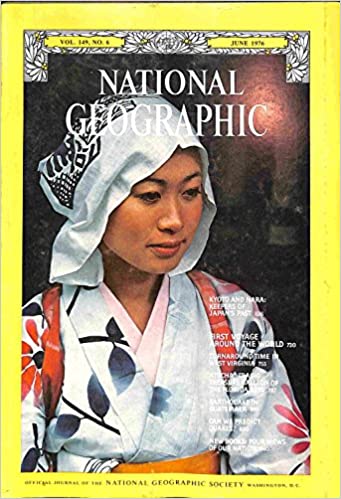
The trouble with treasure

Journal Article
Lyon, E. (1976) The trouble with treasure. National Geographic, Vol. 149, No. 6, June, pp. 787–809.
Record No. 1994  |  seen
After five years of searching, determined divers found remnants of Atocha, a Spanish galleon that sank off Florida in 1622. But tragedy and legal entanglements have dogged their efforts and, as this article is written, the big prize—more than 90 percent of a treasure worth perhaps 100 million dollars—still eludes them.

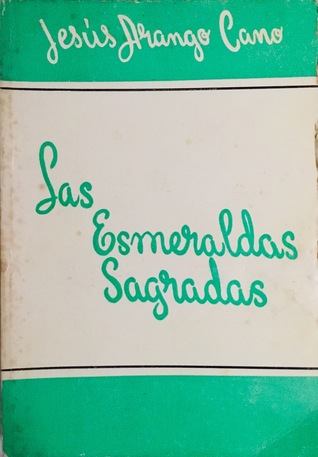
Las Esmeraldas Sagradas: El tesoro de Fura-Tena
The Sacred Emeralds: The Treasure of Fura-Tena (novel)
Book
Cano, J.A. (1974) Las Esmeraldas Sagradas: El tesoro de Fura-Tena. [The Sacred Emeralds: The Treasure of Fura-Tena (novel)] Armenia, Colombia, Editorial Quin-Gráficas, 290 pp.
Record No. 6106  |  Language: in Spanish  |  not seen
Cano’s Las Esmeraldas Sagradas is a novel centered on the emerald traditions of Colombia and the legendary Fura and Tena, figures closely associated with the emerald region of Boyacá. The title invokes the indigenous legend connecting Fura and Tena with the origin of Colombia’s emeralds and places the gemstone at the center of the narrative.

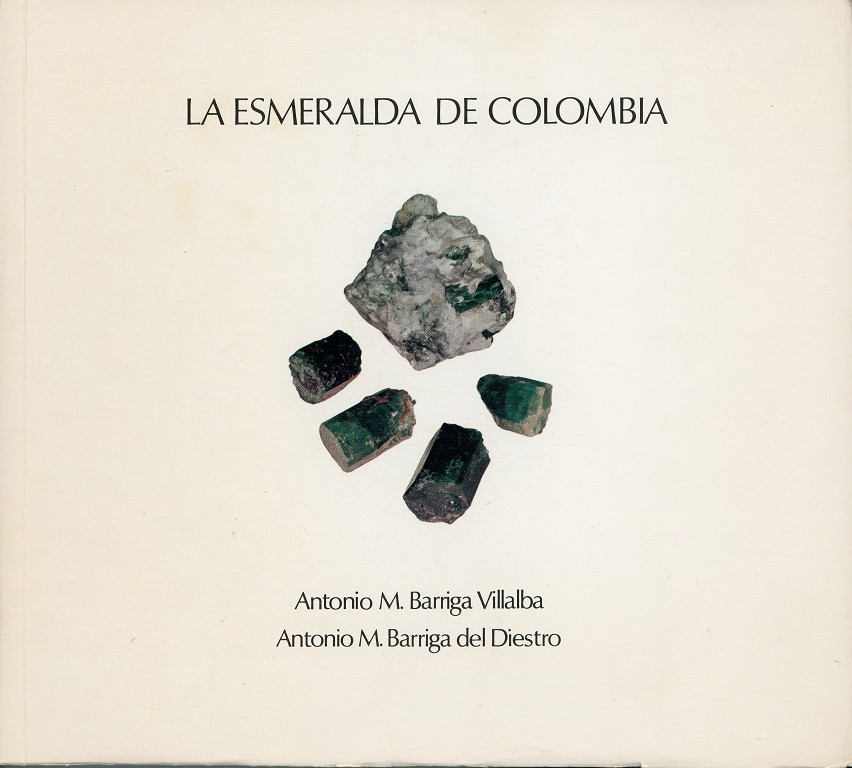
The emerald deposit at Lake Manyara, Tanzania
Journal Article
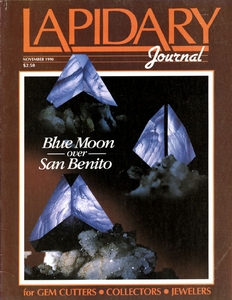
Gübelin, E.J. (1974) The emerald deposit at Lake Manyara, Tanzania. Lapidary Journal, Vol. 28, No. 2, May, p. 338.
Record No. 2107  |  not seen

La esmeralda de Colombia: Descripción y Propiedades
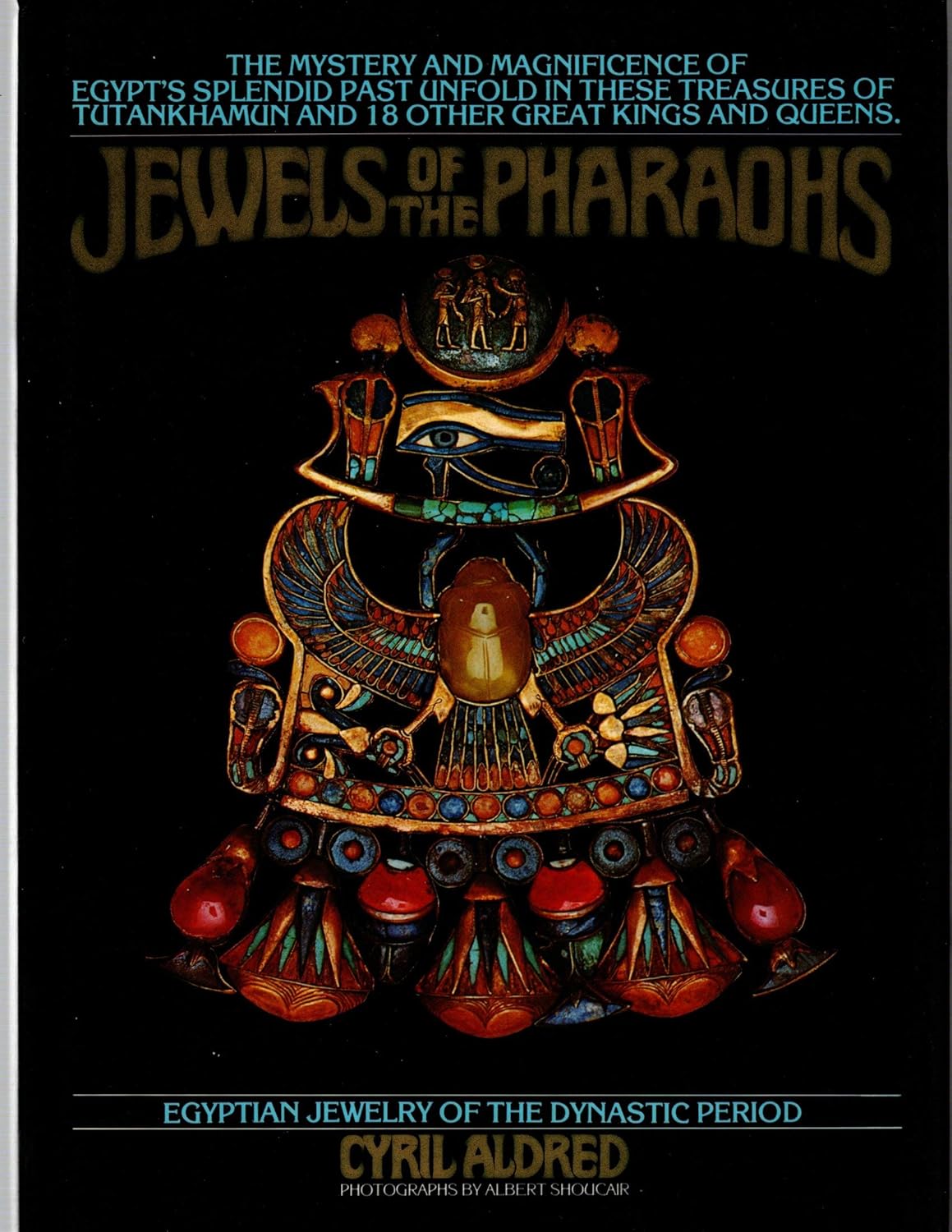
The Emerald of Colombia: Description and Properties
Book
Barriga Villalba, A.M. and Barriga del Diestro, A.M. (1973) La esmeralda de Colombia: Descripción y Propiedades. [The Emerald of Colombia: Description and Properties] Bogotá, Colegio Mayor de Nuestra Señora del Rosario, Departamento de Publicaciones, 100 pp.
Record No. 5444  |  Sinkankas/Born No.: 414; NIB  |  Language: in Spanish  |  not seen
Barriga Villalba and Barriga del Diestro present a monographic study of Colombian emerald, describing its principal characteristics and properties. The work considers emerald as a mineral and gemstone, with attention to its physical and optical properties, characteristic color and inclusions, and the features associated with Colombian material. It also discusses the geological occurrence and principal emerald-producing areas of Colombia, particularly the deposits of the Eastern Cordillera, and addresses aspects of mining and the evaluation of emeralds. The volume provides a contemporary Colombian account of the country’s most important gemstone and its distinguishing gemological and geological characteristics.

Jewels of the Pharoahs | Egyptian Jewelry of the Dynastic Period
Book
Aldred, C. (1971) Jewels of the Pharoahs | Egyptian Jewelry of the Dynastic Period. New York, Praeger Publishers, 256 pp., many plates in color
Record No. 26509  |  Sinkankas/Born No.: 69; NIB  |  not seen
Only a small amount of Egyptian jewelry has survived the ravages of time and the grave robbers, but the remnant is staggeringly beautiful. This book presents for the first time in a single volume nearly 200 priceless objects from collections all over the world. The best known example is the virtually intact tomb of the Pharaoh Tutankhamun, discovered in 1922, but there are many other colections and individual pieces extant: diadems, armlets, pendants, rings, bracelets, earrings, buckles, breastplates, necklaces, amulets – wrought in Nubian gold, lapis lazuli, brilliant colored faience and blood red carnelian. These opulent jeweled pieces, many modelled after organic forms such as vultures, cobras, falcons, lotus flowers, scarab beetles and winged half-human goddesses, are among the most splendid objects of Egyptian antiquity. Cyril Aldred’s lively text covers the enchanting story of each piece, including misdeeds and discoveries both ancient and modern. He explains the fascinating uses and significance of Egyptian jewels, the materials, and the techniques used to transform these materials into the exquisitely decorative trappings of wealth for kings and queens. Mr. Aldred’s text, which covers the finest pieces from every major find, is illustrated throughout with line drawings in addition to photographs, many in brilliant color, taken under special conditions in the Cairo Museum by Albert Shoucair. As one prominent Egyptologist noted, Jewels of the Pharaohs is unequalled in its comprehensiveness and destined to be a standard for generations. • Sinkankas: An interesting, authoritative, and well-balanced work, it begins with notes on the recovery of jewels from ancient hoards and burials, exploring the uses of jewelry, the materials employed, the craftsmen and their tools, and techniques used in working both metals and non-metals, as well as the various forms jewelry took. This is followed by a chronological table and extensive, detailed notes on the illustrations, which occupy nearly half the volume. Gemologists will find much of value here, as gemstones play a prominent role in the jewelry of the Egyptians.

Gemmologische Beobachtungen am neuen Smaragd aus Pakistan
Gemmological observations on the new emerald from Pakistan
Journal Article
Gübelin, E.J. (1968) Gemmologische Beobachtungen am neuen Smaragd aus Pakistan. [Gemmological observations on the new emerald from Pakistan] VFMG—Der Aufschluss, Special Issue 18,
Record No. 2095  |  Language: in German  |  not seen

Venus und Virginitas – Zur Symbolik des Smaragds und seinen virtutes
Venus and virginity – On the symbolism of the emerald and its virtutes
Journal Article
Schreiner, K. (1967) Venus und Virginitas – Zur Symbolik des Smaragds und seinen virtutes. [Venus and virginity – On the symbolism of the emerald and its virtutes] Mittellateinisches Jahrbuch, Vol. 4, pp. 26–60.
Record No. 27770  |  Sinkankas/Born No.: NIS/NIB  |  Language: in German  |  not seen
Schreiner examines the symbolic meanings and supposed virtutes of the emerald in classical, biblical, patristic, and medieval traditions, concentrating on an apparent contradiction in its symbolism: the stone could be associated both with Venus, erotic love, and sexuality and with virginity, chastity, and the Virgin Mary. He traces these divergent meanings through lapidaries, theological and literary sources, showing how the emerald’s greenness, beauty, purity, and traditionally attributed powers allowed it to acquire different and sometimes opposing allegorical meanings. Particular attention is given to Christian reinterpretations of earlier traditions, in which the emerald became an emblem of chastity and virginity while older associations with Venus continued to survive. The article illustrates how medieval understandings of gemstones combined inherited natural history, lapidary lore, theology, and symbolism rather than assigning stones a single fixed meaning.

Guidebook to the Geology of the Chivor Emerald Mine | January 14–16
Report
Colombian Society of Petroleum Geologists and Geophyicists (1966) Guidebook to the Geology of the Chivor Emerald Mine | January 14–16. Colombian Society of Petroleum Geologists and Geophyicists, 62 pp.; unpublished report
Record No. 16972  |  Sinkankas/Born No.: 1048  |  not seen
Guide book for a field trip to Colombia’ Chivor emerald mines. This unpublished company report and subsequent articles have been obtained from various sources. These works are considered relevant not only to the current operations of the mine to be visited, but also to the mining of emeralds in general. They are expected to provide background and answer some of the many questions that will undoubtedly arise after visiting the Chivor emerald mine.

Zwei neue synthetische Smaragde

Two new synthetic emeralds
Journal Article
Gübelin, E.J. (1964) Zwei neue synthetische Smaragde. [Two new synthetic emeralds] Zeitschrift der Deutschen Gesellschaft für Edelsteinkunde, Spring, No. 47,
Record No. 2082  |  Language: In German  |  not seen

Beryll mit synthetischem Smaragdüberzug

Beryl with synthetic emerald coating
Journal Article
Gübelin, E.J. (1962) Beryll mit synthetischem Smaragdüberzug. [Beryl with synthetic emerald coating] Zeitschrift der Deutschen Gesellschaft für Edelsteinkunde, No. 37,
Record No. 2075  |  Sinkankas/Born No.: NIS/NIB  |  Language: In German  |  not seen
Gübelin examines a series of “Emerita” stones produced by Johann Lechleitner, consisting of natural beryl cores coated with a synthetic emerald overgrowth. The specimens demonstrate that even differently colored beryls, including blue aquamarine and yellow heliodor, can acquire essentially the same emerald-green appearance when covered by a sufficiently thick synthetic layer. Conventional physical constants may fail to distinguish these composite stones from natural emerald, making microscopic examination particularly important. Gübelin describes the boundary between the natural beryl core and synthetic emerald mantle and the characteristic inclusions and growth features within the coating, illustrating them with photomicrographs. The study emphasizes the gemological identification problems created by synthetic emerald overgrowth and demonstrates that recognition depends chiefly on careful observation of the coating and its microscopic structural features.
Promenores sôbre as novas esmeraldas de Sandawana
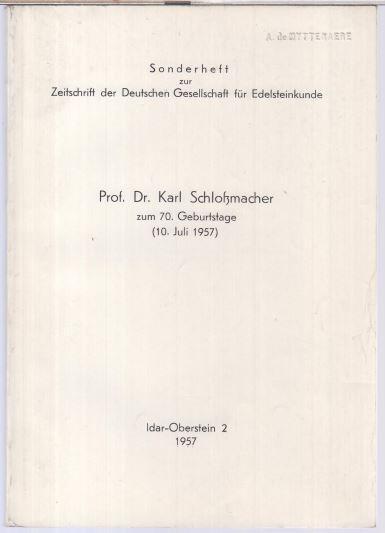
Promenores sôbre as novas esmeraldas de Sandawana

Details on the new emeralds from Sandawana
Journal Article
Gübelin, E.J. (1959) Promenores sôbre as novas esmeraldas de Sandawana. [Details on the new emeralds from Sandawana] Revista Gemologia, Ano 5, No. 17, pp. 1–10.
Record No. 2066  |  Language: in Portuguese  |  not seen

Das neue Smaragdvorkommen in Rhodesien
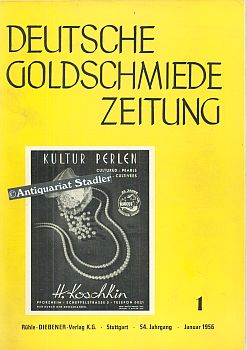
The new emerald deposit in Rhodesia
Journal Article
Gübelin, E.J. (1958) Das neue Smaragdvorkommen in Rhodesien. [The new emerald deposit in Rhodesia] Zeitschrift der Deutschen Gesellschaft für Edelsteinkunde, No. 26, pp. 4–15.
Record No. 2199  |  Language: in German  |  not seen

Das neue Smaragdvorkommen in Rhodesien
The new emerald deposit in Rhodesia
Journal Article
Gübelin, E.J. (1958) Das neue Smaragdvorkommen in Rhodesien. [The new emerald deposit in Rhodesia] Deutsche Goldschmiede-Zeitung, No. 5,
Record No. 2056  |  Language: in German  |  not seen

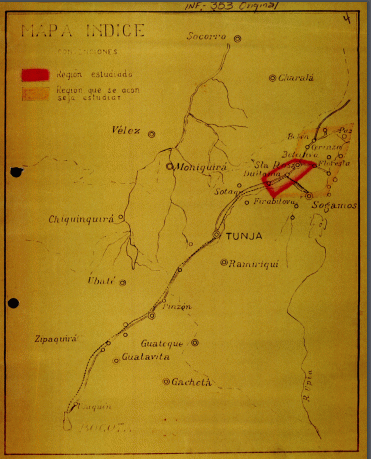
Arms and Jewellery of the Indian Mughuls
Book
Aziz, A. (1947) Arms and Jewellery of the Indian Mughuls. Lahore, Ripon Press, 159 pp.
Record No. 399  |  not seen
Aziz’s Arms and Jewellery of the Indian Mughuls is a study of the weapons, personal ornaments and jewelled objects associated with the Mughal court in India. Drawing on contemporary chronicles, travellers’ accounts, paintings and surviving objects, the work describes swords, daggers, shields and other arms, many richly decorated with gold, enamel and precious stones, alongside the elaborate jewellery worn by the emperors, members of the court and royal women. Particular attention is given to the forms, materials, craftsmanship and terminology of Mughal ornaments and to the use of diamonds, rubies, emeralds, pearls and other gems. The book illustrates the close relationship between arms, jewellery, court ceremony and social rank, showing how richly ornamented objects functioned not only as personal possessions but also as expressions of wealth, status and imperial authority.

Geologia económica de la región Paipa-Duitama-Santa Rosa de Viterbo, en el Departamento de Boyacá
Economic geology of the Paipa-Duitama-Santa Rosa de Viterbo region, in the department of Boyacá
Book Section
Saramiento Soto, R. (1942) Geologia económica de la región Paipa-Duitama-Santa Rosa de Viterbo, en el Departamento de Boyacá. [Economic geology of the Paipa-Duitama-Santa Rosa de Viterbo region, in the department of Boyacá] In: Compilación de los Estudios Geológicos Oficiales en Colombia, Vol. 5 , pp. 1–43.
Record No. 4252  |  Sinkankas/Born No.: NIS/NIB  |  Language: in Spanish  |  not seen
Sarmiento Soto presents an economic-geological study of the Paipa–Duitama–Santa Rosa de Viterbo region of Boyacá, Colombia, describing the geology and mineral resources of the area. The study treats the stratigraphy and structure of the region and examines resources of potential economic importance. It also discusses the thermal springs of Paipa, considering both the geological and structural setting in which the springs occur and available chemical analyses of their waters and gases in assessing their origin. The work was originally prepared for Colombia’s Servicio Geológico Nacional in 1941 and subsequently published in the Compilación de los Estudios Geológicos Oficiales en Colombia.

Über Nachahmung von Edelsteinen

About the imitation of precious stones
Journal Article
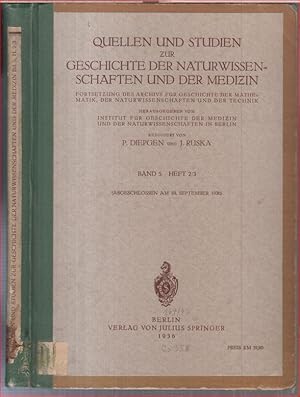
Ruska, J. (1933) Über Nachahmung von Edelsteinen. [About the imitation of precious stones] Quellen und Studien zur Geschichte der Naturwissenschaften und der Medizin, Vol. 3, pp. 108–119.
Record No. 8131  |  Language: in German  |  not seen
Ruska examines the history of artificial gemstones and gemstone imitation in Arabic and medieval technical literature, presenting and interpreting recipes for producing materials intended to resemble precious stones. He discusses methods involving colored glass and other artificial compounds designed to imitate ruby, emerald, sapphire, and related gems, with attention to the ingredients, coloring agents, heating procedures, and terminology found in the surviving texts. Particular emphasis is placed on the transmission of this technical knowledge from Greek and Hellenistic traditions into Arabic literature and subsequently into medieval European works. Ruska compares different textual versions and investigates their relationships, using the recipes as evidence for both the practical knowledge of early craftsmen and the literary transmission of alchemical and mineralogical traditions. The study demonstrates that the imitation of gemstones formed an established branch of early chemical technology and that recipes appearing in later European lapidaries and technical manuscripts frequently had much older antecedents in Greek and Arabic sources.

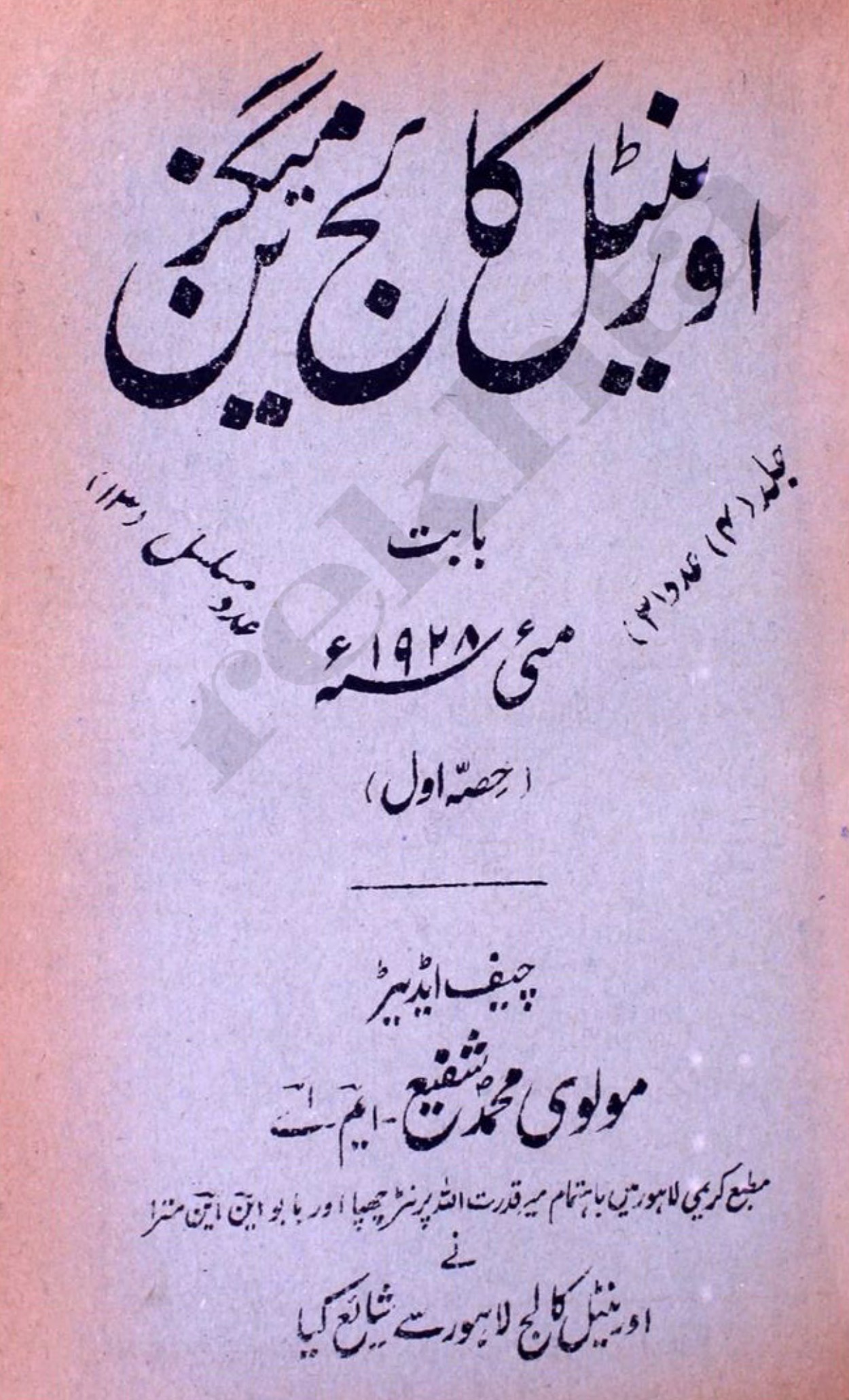
Book of Precious Stones

Jawāhir-nāmah [جواهرنامه
Journal Article
Shafīʿ, M. (1928) Book of Precious Stones. [Jawāhir-nāmah [جواهرنامه] Oriental College Magazine, Vol. 4, No. 4, August, pp. 112–132.
Record No. 29533  |  Sinkankas/Born No.: NIS/NIB  |  Language: in Persian  |  not seen
Edition of the Kapurthala Jawāhir-nāmah, based on a manuscript dated 1160 AH/1747. It treats diamond, yāqūt, ruby, emerald, pearl, turquoise, bezoar, amber, lapis lazuli, coral, carnelian, and jasper in that order and adds musk and rock crystal at the end. The entries describe such matters as the mines, properties, and values of the stones.

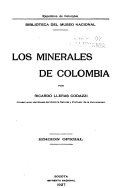
Los Minerales de Colombia

The Minerals of Colombia
Book
Lleras Codazzi, R. (1927) Los Minerales de Colombia. [The Minerals of Colombia] Bogotá, Colombia, Imprenta Nacional, Biblioteca del Museo Nacional, 150 pp.
Record No. 591  |  Sinkankas/Born No.: NIS/NIB  |  Language: in Spanish  |  not seen
Lleras Codazzi provides an early systematic account of the minerals known from Colombia, combining mineralogical descriptions with information on their Colombian occurrences and localities. Produced as part of the Biblioteca del Museo Nacional, a series intended to document the museum’s collections scientifically while making them accessible to a wider readership, the work forms one of the foundational publications of modern Colombian mineralogy. It covers both common and economically significant mineral species and records occurrences of particular interest to mining and economic geology; later geological literature, for example, cites its discussion of pitchblende and other uranium minerals from Norte de Santander. For gemological research the book is particularly relevant because Lleras Codazzi had already studied the mineralogy of Muzo and its emerald deposits in his 1925 Catálogo descriptivo de los minerales de Muzo, and Los minerales de Colombia places such Colombian mineral occurrences within a broader national mineralogical survey.
Chivor-Somondoco Emerald Mines of Colombia

Chivor-Somondoco Emerald Mines of Colombia

Book
Canova, L.J. (1921) Chivor-Somondoco Emerald Mines of Colombia. New York, Colombian Emerald Syndicate Ltd., 30 pp.
Record No. 7578  |  Sinkankas/Born No.: 1141  |  not seen
Sapphires, Emeralds, Rubies

Sapphires, Emeralds, Rubies

Book
Rapp, F.J.v. (1914) Sapphires, Emeralds, Rubies. Philadelphia, Frederic J. von Rapp, 55 pp.
Record No. 1460  |  not seen

Exploring the Literature of Emerald

Emerald literature spans gemology, mineralogy, deposits, identification, treatments, synthesis, history and the gem trade, with important sources covering deposits around the world.

For a curated guide to this subject, read Green Fire — Lotus Gemology's Guide to the Literature of Emerald.

About Four Treasures

Four Treasures is Lotus Gemology's freely accessible gemological reference database. Use the full database to search by author, title or keyword and explore literature on gemology, mineralogy, jewelry and related fields. Where available, hyperlinks on titles may lead directly to the full publication.

Search the Complete Four Treasures Database