Emerald Bibliography

Emerald Bibliography

Explore books, articles and historical sources on emerald in Four Treasures, the Lotus Gemology reference database. This bibliography brings together matching records from the collection, with publication details, abstracts and cover images where available.

Emerald References

The list below matches the terms emerald or emeralds in the database's searchable fields. Some references discuss emeralds as part of a broader subject.
341–360 of 851 matching references

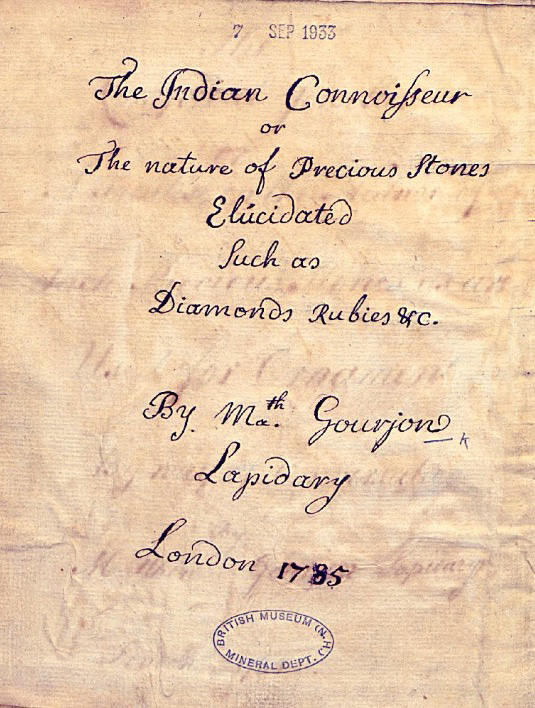
The Indian Connoisseur or The Nature of Precious Stones
Manuscript
Gourjon, M. (1785) The Indian Connoisseur or The Nature of Precious Stones. London, unpublished manuscript; 218 pp.
Record No. 7874  |  Sinkankas/Born No.: 2479 (not seen); NIB  |  RWHL*
An unpublished eighteenth-century manuscript devoted to precious stones, written by Matthew Gourjon in 1785 and preserved in the British Museum (Natural History). The Indian Connoisseur or The Nature of Precious Stones discusses the identification, qualities, valuation and working of gemstones from the perspective of practical connoisseurship and the gem trade. It treats a range of precious stones and includes observations on rough material, cutting, defects, color, proportions and commercial quality, reflecting the knowledge and terminology of an experienced eighteenth-century practitioner rather than a purely academic mineralogist. The manuscript is particularly valuable as a rare primary source for contemporary methods of judging and handling gemstones and for the history of gem cutting and commerce in the later eighteenth century. Gourjon understood that the oriental ruby, oriental sapphire, oriental emerald, oriental amethyst, etc. were all the same type of gem (corundum) over a decade before Count de Bournon formally defined the species.

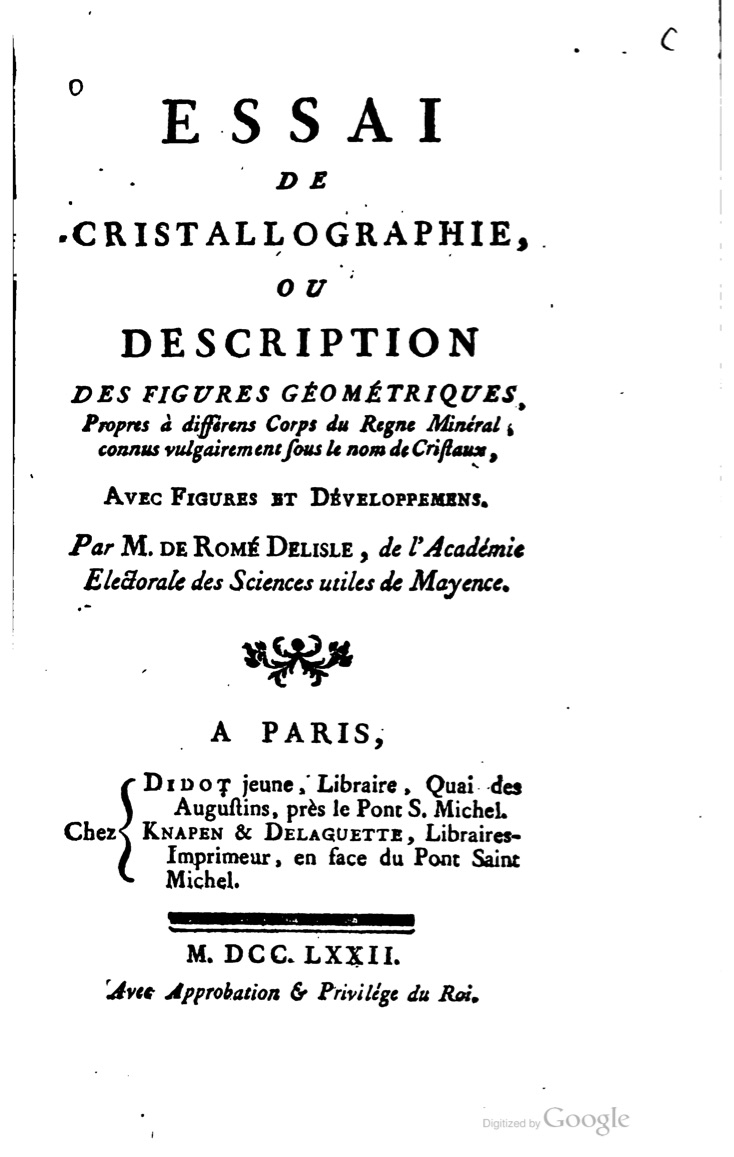
Essai de Cristallographie, ou Description des Figures Géométriques, propres à différens Corps du Regne Minéral, connus vulgairement sous le nom de Cristaux
Essay on Crystallography, or Description of the Geometric Figures of Different Bodies in the Mineral Kingdom, Commonly Known as Crystals
Book
Romé de L’Isle, J.B.L. (1772) Essai de Cristallographie, ou Description des Figures Géométriques, propres à différens Corps du Regne Minéral, connus vulgairement sous le nom de Cristaux. [Essay on Crystallography, or Description of the Geometric Figures of Different Bodies in the Mineral Kingdom, Commonly Known as Crystals] Paris, Didot, Knapen, & Delaguette, 427 pp.
Record No. 1492  |  Language: in French  |  RWHL*
Schuh: Very scarce. The Cristallographie ranks as one of the great contributions to the science of crystals. In it Romé de l'Isle attempted to make a comprehensive classification of crystals. By the time he wrote this volume, he was extremely familiar with the subject, and this work greatly supassed all previous works in scope and detail. To apply his classification, he adopted a morphological approach in which he attempted to relate the diverse forms of crystals of the same substance. As a general morphological concept he introduced the idea of the “primitive form.” All crystals of the same inorganic substance, no matter how different in appearance had a fundemental and common geometrical form-the primative form-to which their actual crystal shapes related. The justification for this idea was derived from the previous work of Carl Linneaus who had tried to expain the genesis of minerals by means of an analogy with the procreation of living creatures, and classified cystals by the similarities of their crystallized forms. In this first edition of the Cristallographie, Romé de l'Isle identifies 110 crystal forms by which minerals crystallize. Grouped under each of these shapes are described the minerals that exhibit similar habit, including the approximate angles between crystal faces. These forms were all derived form a common saline ingrediaent in every mineral that worked at a molecular level. Although he believes that these primitive forms existed, it is never made clear how they should be defined for any group of crystals. Romé was able to greatly expand upon this idea in the second edition [which see below]. An annotated bibliography compiled by Romé is listed on pages xvii-xxviii.

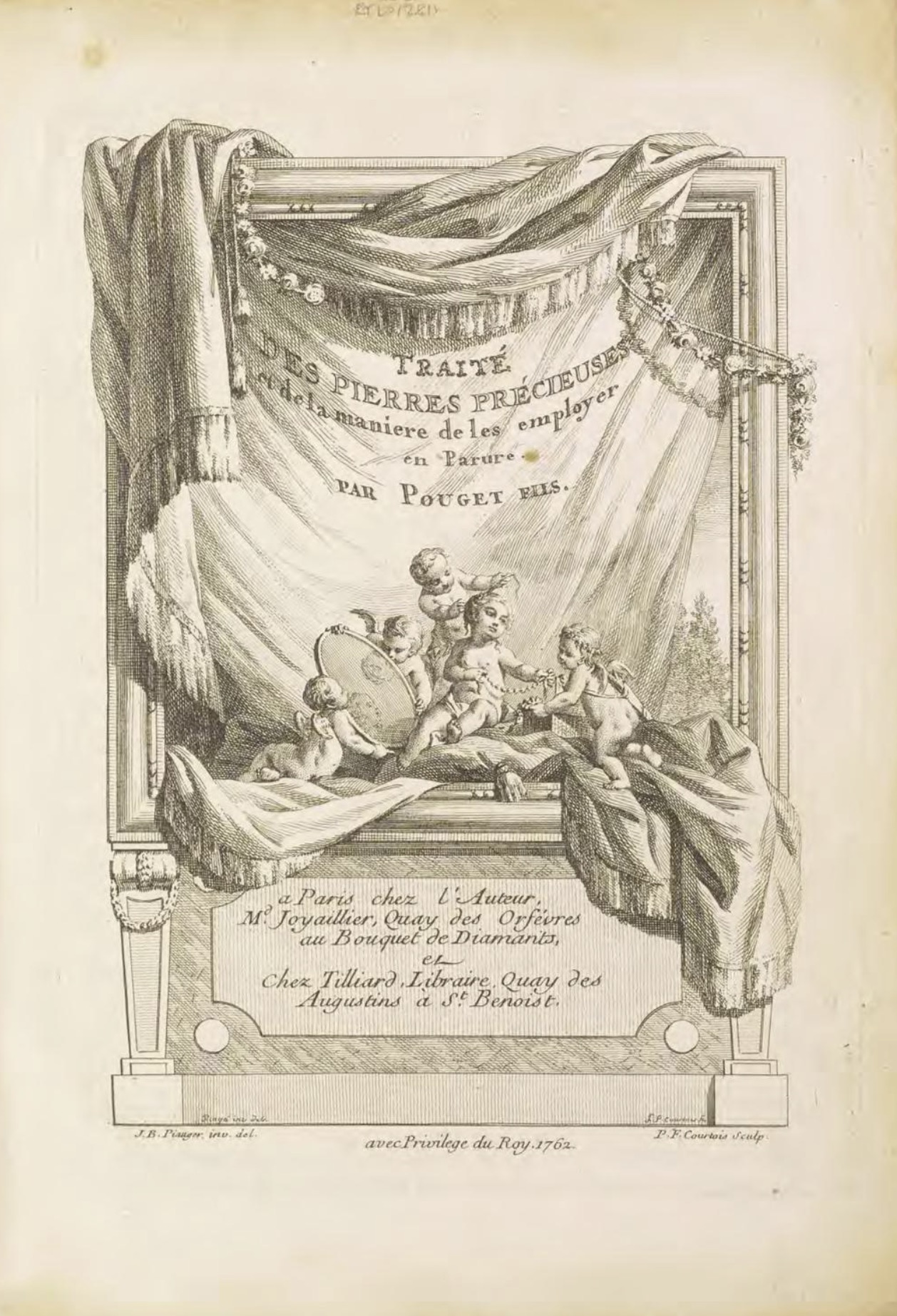
Traite des Pierres Precieuses de la Maniere de les Employer en Parure
Treatise on Precious Stones and the Manner of Employing Them in Jewelry
Book
Pouget, J.H.P. (1762) Traite des Pierres Precieuses de la Maniere de les Employer en Parure. [Treatise on Precious Stones and the Manner of Employing Them in Jewelry] Paris, self published, 88 pp. + 79 plates
Record No. 28991  |  Sinkankas/Born No.: 5231  |  Language: in French  |  RWHL*
Sinkankas: An extremely important work which is esteemed for its accurate statement of the everyday knowledge possessed by jewelers and experts in gems in France of the 18th century but perhaps even more highly valued for its many hundreds of carefully drawn and engraved jewelry designs which appear upon the plates. Apparently these were designed by Pouget, the noted Parisian jeweler, and engraved on copper by Mademoiselle Raimbau whose name appears upon the first plate. No less than 30 types of jewelry are listed in the text, including 6 orders of chivalry and various large and ornate “bouquets.” The work begins with a preface that extols the arts of the jeweler, especially as practised in France, and then gives a lengthy poem on the discovery of fire, and passes to a listing of jewel-gems in two categories of esteem, with a list of other lesser-valued gemstones. There are also lists of gemstones in the High Priest’s breastplate and the stones assigned to zodiacal signs, plus a short historical note on the uses of gems. The descriptive text takes up diamond, ruby, spinel, topaz, sapphire, emerald, “prime d’émeraude,” amethyst, aquamarine, opal, garnets, zircon, peridot, turquoise, pearl, coral, amber, jet, strass, agate, sardonyx, carnelian, jade, bloodstone, various chalcedonic quartzes, lapis lazuli, rock crystal, fluorite, marcasite, alabaster, porphyry, and marbles. Other gemstones are occasionally included under the above headings, but sometimes misleadingly as in the case of “oriental” topaz, a sapphire, described along with the genuine topaz. Following this large and important section, Pouget furnishes descriptions of the metals employed in jewelry, including copper, iron, tin, lead, mercury, and the lodestone. An interesting group of small woodcuts depicting the Grand Mogul, Duke of Tuscany, Sancy, and Regent diamonds appear in the diamond discussion and are among the earliest such pictorial representations to be found in the gemological literature.

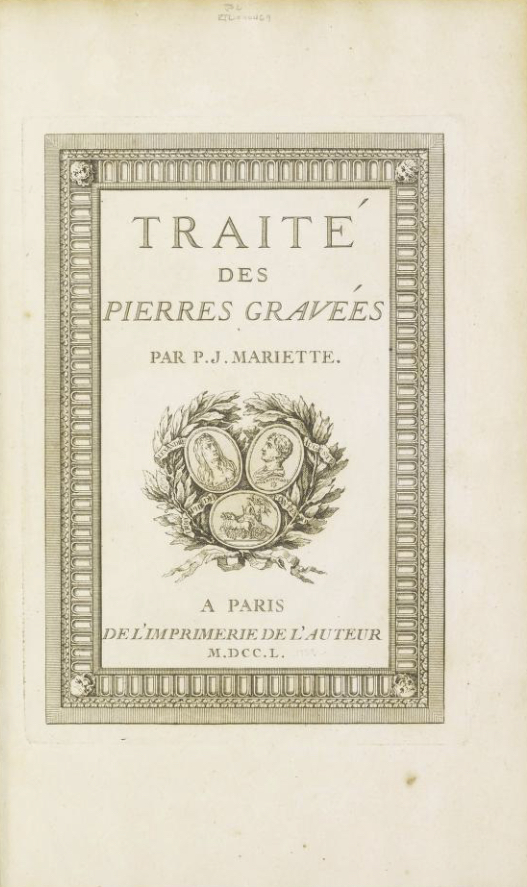
Traité des Pierres Gravées

Treatise on Engraved Gems
Book
Mariette, P.-J. (1750) Traité des Pierres Gravées. [Treatise on Engraved Gems] Paris, P.J. Mariette, 2 Vols., 468 pp., 132 plates
Record No. 28008  |  Sinkankas/Born No.: 4208; NIB  |  Language: in French  |  RWHL*
Sinkankas: This is the earliest analytical work on engraved gems and one that fully retains value even today. However, the two volumes are actually distinct works combined by the author and publisher—P.J. Mariette—for convenience. The first volume is by far the more important, offering an authoritative summary of knowledge on engraved gems, significantly enhanced by lengthy discourses on previous works and a nearly exhaustive bibliography of published sources. It begins with a general history of engraved gems, followed by an essay on modern gem engraving and engravers, and a large section describing the gems, divided into four chapters: I. Descriptions of gemstones and other materials used in engraving (pp. 153–194), including diamond, ruby, garnet, emerald, beryl, peridot, chrysolite, topaz, amethyst, quartz varieties, opal, lapis, coral, amber, ivory, and glass, drawing mainly on Pliny, De Berquen, and De Boodt; II. Lapidary processes, tools, and equipment required for gem engraving, with engraved plates showing an atelier, an engraver at work, and diagrams of engraving tools and accessories; III. Falsifications; IV. Making impressions. The final portion (pp. 239 to end) contains commentary on previous engravings used for illustration and the extensive bibliography noted earlier. In contrast, the second volume is entirely devoted to descriptions of the gem cabinet of Louis XV (1710–1774), King of France—this section drew strong interest from C.W. King (Antique Gems and Rings, vol. 1, pp. 465–466), who praised its content but criticized the engravings, drawn by Bouchardon (1698–1762), as being in too loose and flowing a style to convey an accurate idea of the originals. The cabinet featured gems of sapphire, zircon, malachite, jade, turquoise, and others in faceted forms, with the project supervised by the noted antiquarian Comte de Caylus (1692–1765). Vinet (1620) offered a long summary of the work, praising it as a classic still of use today, though he and others, including King, criticized the quality and accuracy of the engravings. The work was also attacked by Giulianelli (Memorie degli intagliatori, 1773) and Natter (Traité de la méthode… graver en pierres fines, 1754). Reinach (Pierres gravées, pp. 85–110) reproduces a number of its plates. Furtwängler (Die antiken Gemmen, vol. 3, p. 413) called the first volume broad in scope and written in an easy style with intelligent judgment, but joined critics of the second volume, calling its text “without learning and without citations,” and noting that antique and Renaissance gems were indiscriminately mixed—Mariette, he said, was as uncritical as Gravelle. See also Zazoff (Gemmensammler, 1983, pp. 127–133) for modern views.

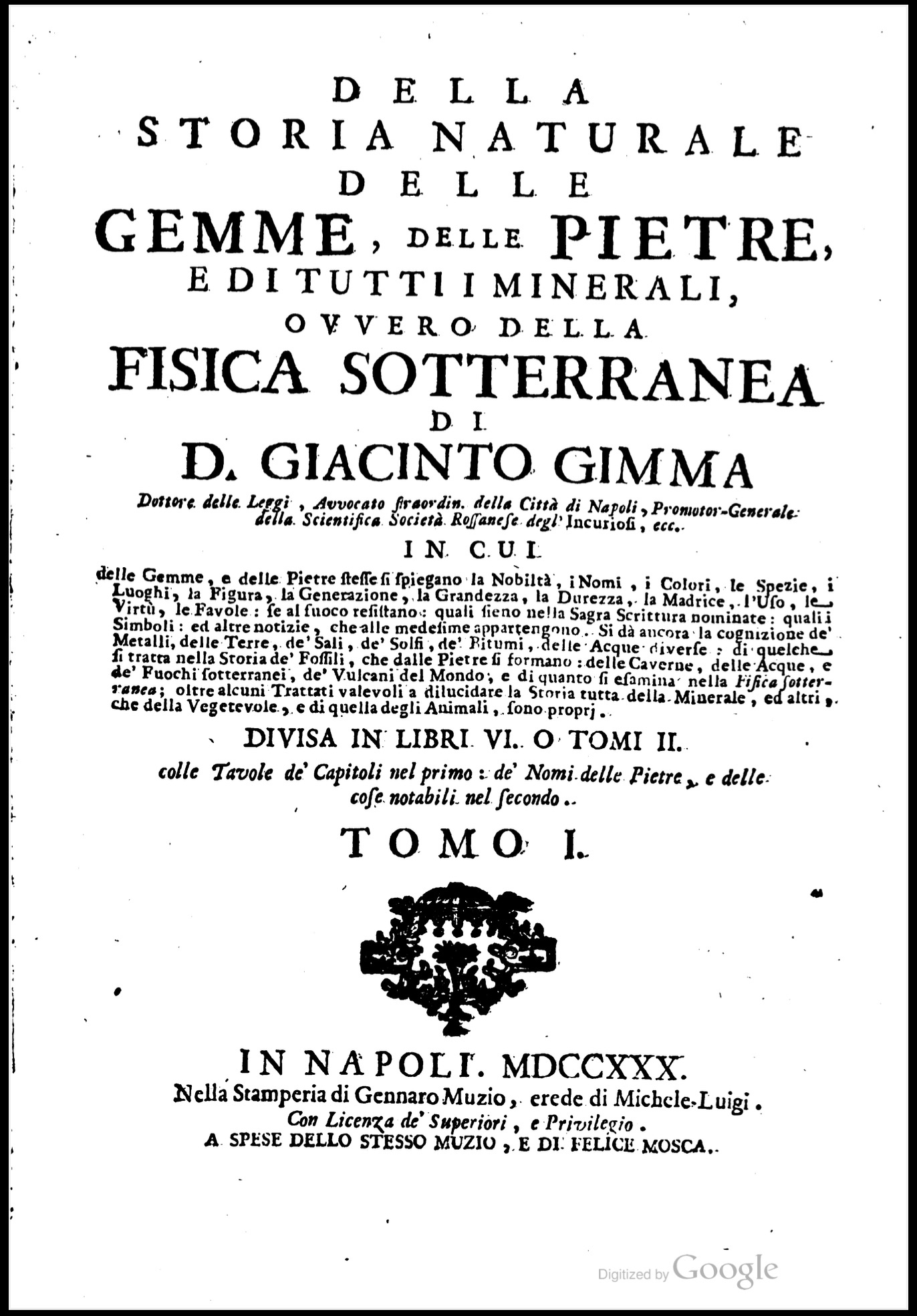
Della storia naturale delle Gemme, delle Pietre e di tutti minerali della fisica sotterranea
Of the Natural History of Gems, Stones and all Minerals of Underground Physics
Book
Gimma, G. (1730) Della storia naturale delle Gemme, delle Pietre e di tutti minerali della fisica sotterranea. [Of the Natural History of Gems, Stones and all Minerals of Underground Physics], 2 Vols., 551, 603 pp.
Record No. 7958  |  Sinkankas/Born No.: 2396  |  Language: in Italian  |  RWHL*
Very scarce. First and only edition of this magnificent work, which is a summation of all that was worth knowing at the time of minerals and gemstones. Adams considered it a guide book to the maze of ancient literature of the geological sciences. It is divided into six books. The first describes gemstones and their precious nature together with extensive references. Other discussions include color, phosphoresence, luminescence, virutes, pricing and fake gemstones. The second book considers the precious stones like diamond, emerald, sapphire, ruby and others. The third describes stones of lesser value and the fourth discusses stones derived from organic sources such as calculi, boazoar and other like stones. The fifth book describes marbles, mosaics, pietre dure inlays and many other similar examples. The sixth book is largely on earths of various kinds.

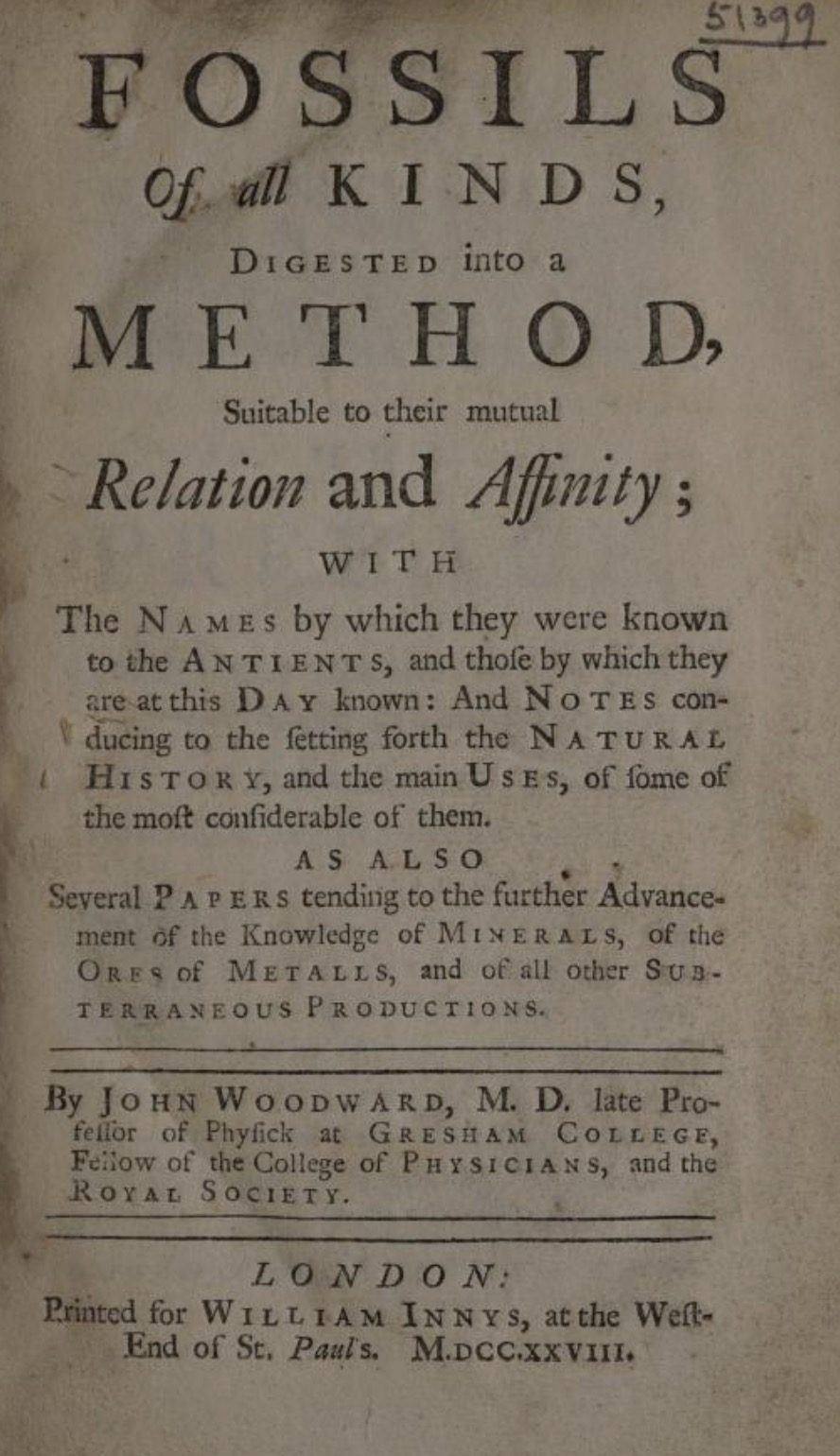
Fossils of all Kinds, Digested into a Method, Suitable to their Mutual Relation and Affinity…
Book
Woodward, J. (1728) Fossils of all Kinds, Digested into a Method, Suitable to their Mutual Relation and Affinity…. London, William Innys, 131 pp.
Record No. 1885  |  Sinkankas/Born No.: 7324  |  RWHL*
Sinkankas: In a quite remarkable essay which forms the Preface, Woodward extols the mineral wealth of Britain, pointing out its production of the useful metals as tin, lead, iron, and copper, and especially noting its resources of fuller’s earth which he claims is responsible for the preeminent position of the domestic wool manufactory. Also singled out for praise are resources of jet and amber, and various gemstones. The Preface closes with a summary of contents. Next appears a folding table, perhaps the most important single feature of this work because of its presentation of a scheme of classification of mineral substances which Woodward apportions among six classes, from earths to metals, and including in the second class the “durable” stones, that is, the precious gemstones, and also those gemstones that are opaque, translucent, or transparent respectively. Among the less valuable gem materials included in this section are “Stones,” e.g., alabaster, marble, ornamental rocks, nephrite, malachite, “root of the emerald” or prase, lapis lazuli, many quartz varieties, etc., with footnotes citing older authorities who describe or mention same. For the most part, this class is nearly all devoted to gemstones and rewards reading due to the abundance of interesting footnotes and asides. In the second part of the work, given its own pagination, Woodward reproduces letters written to Sir Isaac Newton and Sir John Hoskyns (1634–1705), which generally discuss classification problems and nomenclature, the second of these, and the much longer letter discussing true fossils mostly. In a third letter, commencing on p. 24, Woodward treats the “cerauniae” or, as he positively identifies them, the “stone-weapons,” about which much speculation had raged, and in the same place gives a series of engraved plates that depict examples of same. He criticizes Dr. Lister (Martin L., 1638–1712), and others, who were unshaken in their belief that cerauniae were true fossils, and even were artifacts of man grown in situ by celestial intervention. In this section Woodward also includes certain gemstones to which were ascribed magical properties, among them, British quartz pebbles, several depicted upon the first plate. Other magical stones, including some gem varieties, are also critically examined and properly identified. The remainder of the book is notable for a letter urging the systematic and scientific collecting of natural history specimens and giving in detail those precautions that should be observed in the field to insure the safety of the materials and then what steps should be taken later to preserve them. Another letter discusses belemnites and is illustrated with a plate. The importance of Woodward’s treatise is manifest; from the standpoint of the mineralogist it provides a scheme of classification of as much merit as it was possible to accrue in that time, and from the standpoints of the paleontologist and gemologist it truly identifies fossils for what they are, also figured stones to which all sorts of superstitious beliefs had been attached, and dismisses the supposed magical powers assigned to certain gemstones. One of the first mentions of corundum ('Nella Corivendum').

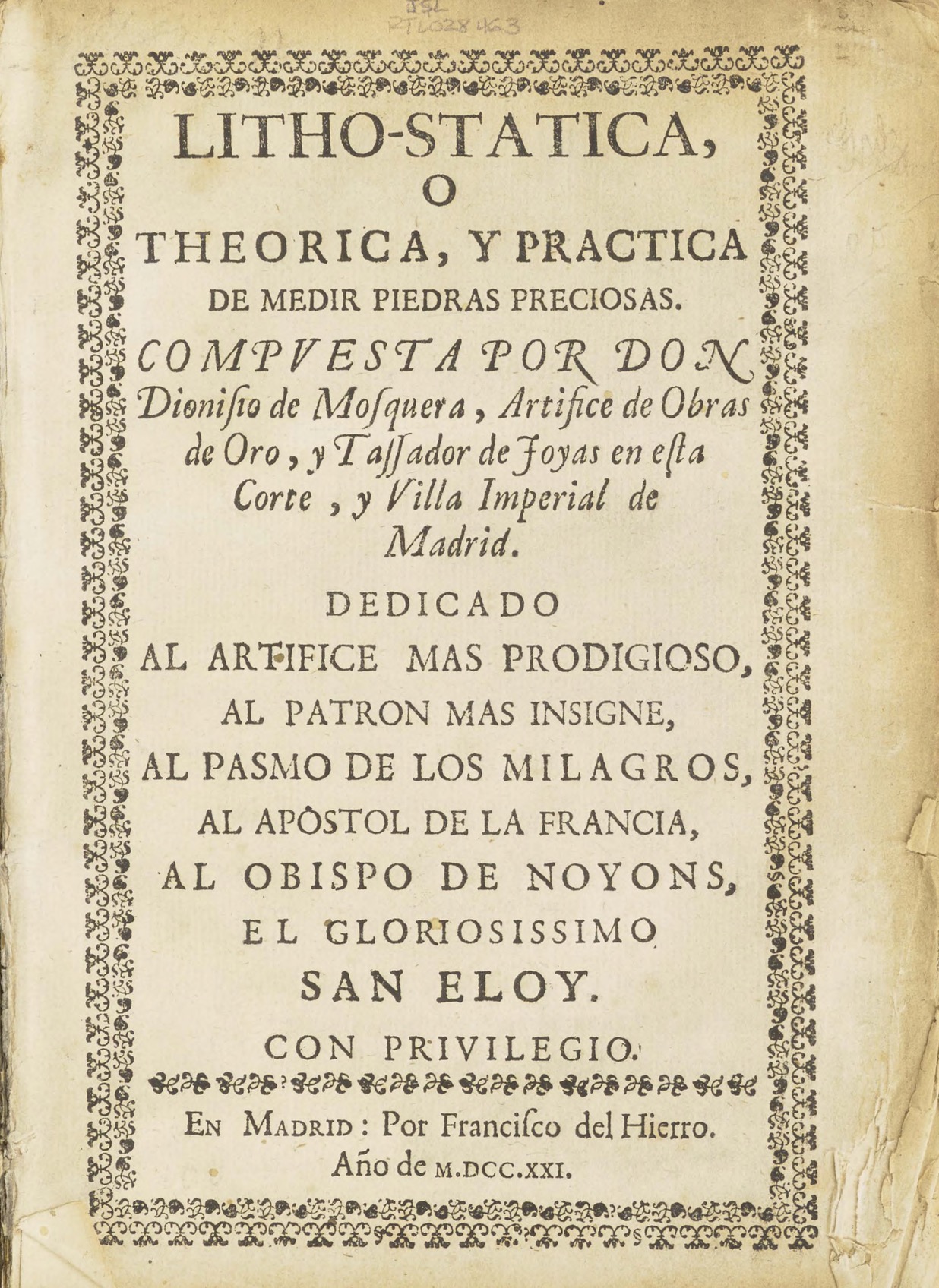
Litho-statica, o theorica, y practica de medir piedras preciosas

Litho-static, or theoretical, and practice of measuring precious stones
Book
Mosquera, D., de (1721) Litho-statica, o theorica, y practica de medir piedras preciosas. [Litho-static, or theoretical, and practice of measuring precious stones] Madrid, Francisco del Hierro, 202 pp.
Record No. 29418  |  Sinkankas/Born No.: 1721  |  Language: in Spanish  |  RWHL*
Sinkankas: In this early Spanish work, Mosquera deals with the theoretical & practical aspects of weighing and valuing precious stones, but supplies much highly interesting ancillary information. There are eight books, the first & second on diamond, third on rubies, fourth on emeralds, fifth on sapphires & topazes, sixth on amethysts, spinels, garnets, among others, seventh on pearls, and the last book comprising miscellaneous information on the stones and pearl previously treated. The instructions show readers how geometrical principles may be used to accurately estimate weights of cut gems that otherwise could not be handled singly, e.g., as gems in mountings. Mosquera also tells how to correctly judge cutting proportions and thus aid in arriving at more accurate estimates of value, here referring the reader to the folding engraved plate which shows geometric diagrams based on the octahedral crystal of natural diamond, its cross-section, various geometrical forms, diagrams of several cut gems, a balance with weights, scales for measurement, etc., all aimed at facilitating weight estimation, correct cutting proportions, and values. Many tables of weight vs style of cut are incorporated in the text with much of the information similar to that given by Jeffries in his A Treatise on Diamonds and Pearls, 1750, which see, and which may have been consulted by Jeffries, although we have no sign that Jeffries even knew of the existence of Mosquera’s book. A rare work.

Le Mercvre [Mercure] Indien ou le Tresor des Indes
The Indian Mercury or the Treasure of India
Book
Rosnel, P., de (1667) Le Mercvre [Mercure] Indien ou le Tresor des Indes. [The Indian Mercury or the Treasure of India] Paris, Impr. de R. Chevillion, 2 Vols., 36, 64 pp.
Record No. 4957  |  Sinkankas/Born No.: 5569–5571  |  Language: in French  |  RWHL*
Sinkankas: This esteemed and much sought-for work by the Parisian goldsmith is part of a metallurgical treatise in which mining and mines, methods of gold, silver, and mercury mining, purification of ores by smelting or otherwise, and refinement of metals are described. Special emphasis is laid upon the mines of the New World, and it is this that causes the work to be referenced in books in connection with the Americas. However, in the second part, which includes a short treatise with its own title page on the valuation of gemstones, we find the matter that is of greatest interest to the gemologist. This part is divided into four books, plus the valuation division mentioned, the first book treating the origin of gemstones, then describing the diamond, ruby, spinel, garnet, sapphire, topaz, emerald, amethyst, aquamarine, opal, turquoise, quartz varieties, zircon, chrysoberyl, peridot, and others that are considered to be important. The second book treats pearl and fresh-water pearls, and includes remarks on the pearls of Scotland, then much esteemed. The third book is devoted to varieties of cryptocrystalline quartz, so much so that it may be regarded as the first “agate” book to be published that deserves the name; it includes descriptions of jades, serpentine, lapis lazuli, and some other massive ornamental stones. The last book describes rock crystal, amber, and bezoars. The author apparently was well familiar with sources of gem materials because the text is quite remarkable for the detail he gives on localities. The last part of the book may be an addendum provided by Rosnel well after setting up and perhaps printing off the front matter, which, as noted before, makes no mention of it. Preceded by an inserted title leaf, and then commences page 137. It treats realistically and in detail the methods by which values are assigned to gems: diamond, ruby, garnet, and others, that is, the gems previously described in the first book. It is interesting to note that Rosnel provides a mathematical system for adjusting prices of diamonds upwards at a steepening rate with increasing weight but his method, and indeed the book itself, apparently escaped the attention of G. Lenzen, Produktions- und Handelsgeschichte des Diamanten, 1966, who paid special attention to the price structure of cut diamonds from the historical viewpoint. Rosnel’s method precedes the publication of the standard method of pricing as described by J.E. Tavernier, Les six voyages, 1676, often cited as the earliest publication of the rule, and by far anticipates the method published by David Jeffries in his Treatise, 1750.

The Histoirie of the World, Commonly Called the Naturall Historie of C. Plinius Secundus
Book
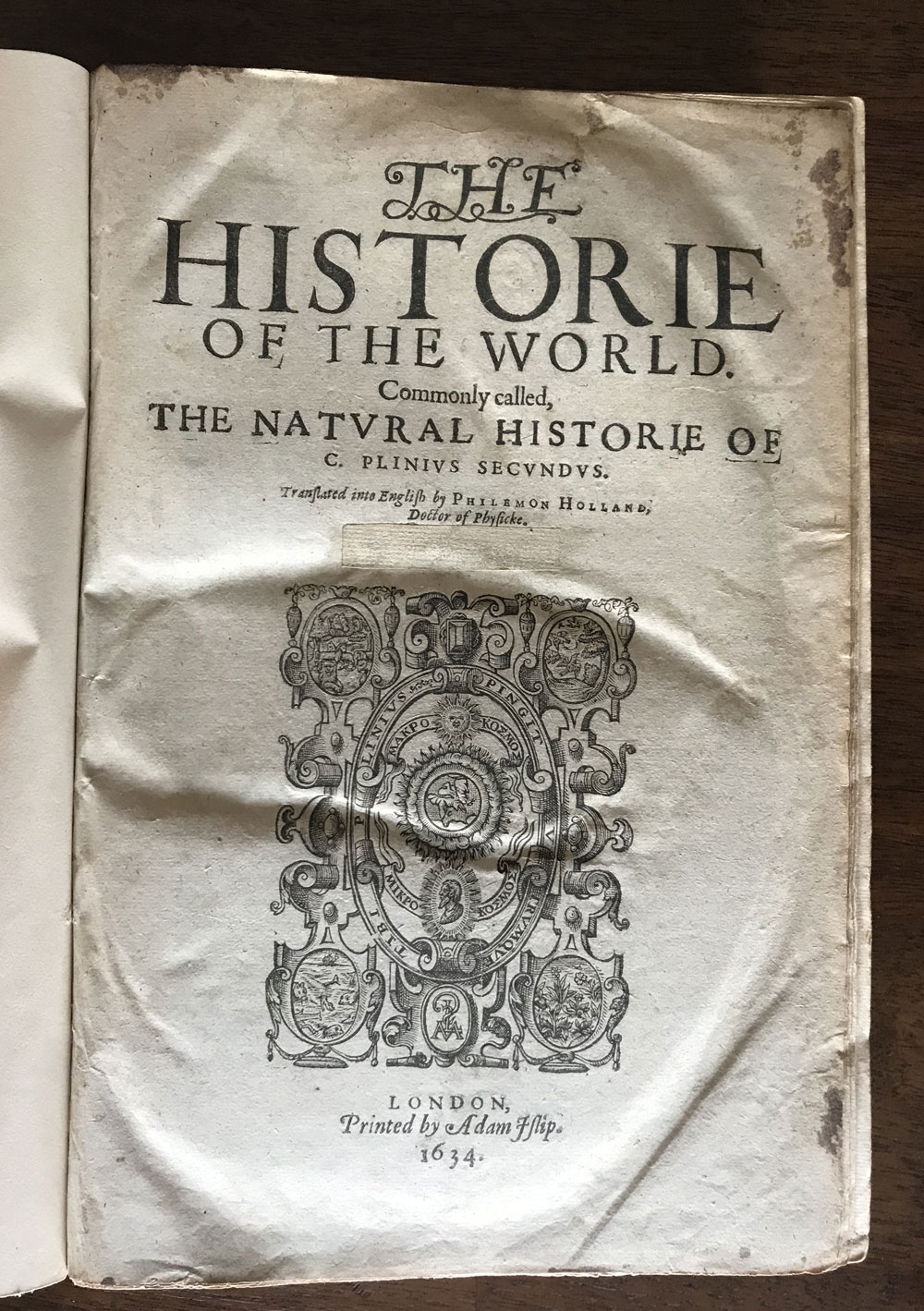
Pliny the Elder and Holland, P. (1601) The Histoirie of the World, Commonly Called the Naturall Historie of C. Plinius Secundus. London, Adam Islip, 2 Vols. in 1, 614 + 632 pp.
Record No. 4071  |  Sinkankas/Born No.: 5166  |  RWHL*
The Roman author and historian Gaius Plinius Secundus, a.k.a. Pliny the Elder (23-79 A.D.) compiled the Naturalis Historia (Natural History) from a reported two thousand sources. This thirty-seven volume work, published in 77A.D., embraces the domain of natural history in the broadest sense. It includes astronomy, geography and meteorology. Beyond what is today considered natural history, it also includes fine arts, inventions, and human relations. It stands as the chief source from which future historians have obtained informative descriptions of life in the first century. Much of Pliny’s information on gems was not written from direct observation. His studies were often a retelling from second-hand sources, now lost in antiquity. Many stones are lumped together by color, mining location, or attributes passed on in legends. His recounting of legends and myths, and assumptions drawn from these, are the basis of much of the writing which appeared into the Middle Ages. He became the most often quoted writer on the subject, and his information was relied upon and repeated without question in book after book. In the first thirteen centuries of European history, little scientific in-formation was added to the limited knowledge of gems garnered from Pliny’s accounts. However, many later authors embellished the writings and added their own speculations and unwarranted conclusions. Pliny is credited with his attempts to classify gems according to color and observable external characteristics. This led to the practice of assigning the attributes of one stone to all stones of similar color or appearance. The green stones named smaragdus in Latin are prime examples. Pliny classified most green stones as varieties of emerald. In all, twelve varieties are listed; green sapphire, turquoise, smithsonite, malachite, jasper, and even glass are identifiable by his descriptions. He also is credited with making some astute classifications. It is thought that he was the first to recognize the connection between beryls and emeralds. Some of the stones grouped by Pliny share little in common. It is obvious that some of his “observations” were gathered through other’s eyes. Errors in translation or reliance on oral tradition may have led to the inclusion of misinformation about stones that Pliny was not able to observe in nature. Since the original Latin version, over two hundred and fifty editions of his classic have been published in numerous languages. The first complete edition of Natural History was published in Venice in 1469, and the first critical edition was offered by Hardouin in 1685. The most detailed study of Pliny’s gemstone accounts is a work by S. H. Ball. See also the translations from Eichholz, which many experts consider more authoritative.

Naturalis historia

Natural History
Book
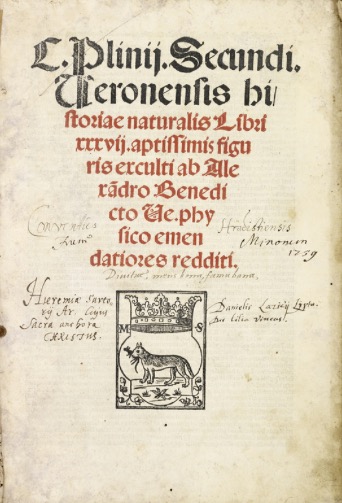
Pliny the Elder (1469) Naturalis historia. [Natural History] Venice, Johannes de Spira, unpaginated; 356 leaves
Record No. 8114  |  Sinkankas/Born No.: NIS/NIB  |  Language: in Latin  |  RWHL*
Pliny’s Naturalis historia is an encyclopedic survey of the natural world compiled in the first century CE, encompassing astronomy, geography, anthropology, zoology, botany, medicine, mineralogy, and the arts. Of particular gemological importance are Books 33–37, which discuss metals, pigments, stones, and precious materials. Book 37 is devoted largely to gemstones and describes their names, appearances, reputed origins, relative values, methods of testing, imitations, engraving, and supposed medicinal or magical properties. Among the materials discussed are diamond, emerald, beryl, opal, sardonyx, amethyst, rock crystal, jasper, turquoise, and numerous other stones, making the work one of the most important surviving ancient sources for the history of gems and the gem trade. This 1469 Venice edition, printed by Johannes de Spira, was the first printed edition of the Naturalis historia and one of the earliest substantial works of classical science to appear in print.

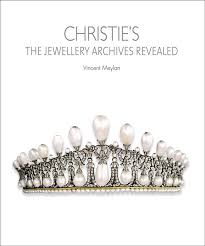
Christie’s: The Jewellery Archives Revealed

Book
Meylan, V. (n.d., ca. 2016) Christie’s: The Jewellery Archives Revealed. Suffolk, UK, ACC Art Books, 359 pp.
Record No. 4065  |  ISBN/ISSN: 9781850000000  |  Sinkankas/Born No.: NIS/NIB  |  RWHL*
For centuries, the stories of the world's great jewelry collections have lain hidden within the archives of Christie's, the celebrated auctioneers. From the tragic European queens, Mary, Queen of Scots and Marie Antoinette both beheaded to Hollywood royalty such as Elizabeth Taylor, the vaults sparkle with the most famous (and occasionally notorious) names of the last 250 years. Following on from the success of his books on Boucheron: The Secret Archives, Van Cleef & Arpels: Treasures and Legends and Mellerio: Jewellers to the Queens of Europe, author Vincent Meylan explores these remarkable jewelry archives, revealing the mysteries within for the first time. Each sale had its intrigue, each its story to tell. The first auction of jewelry from the British royal family took place at Christie's in 1773, after the death of the Princess of Wales, mother of George III. As the archives reveal, in the subsequent centuries, Christie's has been party to the sale of jewelry by several further generations of British royals, from Lady Patricia Ramsay and the Countess of Southesk through to Princess Margaret, Countess of Snowdon. And, in the wake of revolution and regicide further afield, the crown jewels of France, Russia, Bavaria, Serbia, Egypt, India and Spain were all sold at Christie's. Aside from Elizabeth Taylor, the legendary movie star collections of Merle Oberon and Gloria Swanson are also revealed here, as well as the most famous pearls and diamonds in the world; each explored within the context of their owners' remarkable lives. Expertly curating the extensive archives, Vincent Meylan has drawn out the key details of each momentous sale. Original documents from the vaults are reproduced in the book, alongside hundreds of color illustrations of the jewels and their owners. The crown jewels of France, Russia, Bavaria, Serbia, Egypt, India and Spain were all sold at Christie's. Aside from Elizabeth Taylor, the legendary movie star collections of Merle Oberon and Gloria Swanson are also revealed here, as well as the most famous pearls and diamonds in the world; each explored within the context of their owners' remarkable lives. Expertly curating the extensive archives, Vincent Meylan has drawn out the key details of each momentous sale. More than a hundred original documents from the vaults are reproduced in the book, alongside hundreds of color illustrations of the jewels and their owners. Contents: Introduction by François Curiel, Chairman of Christie's Asia-Pacific; 1. Guillotine Diamonds; 2. Murdered Queens; 3. Pomp and Circumstances; 4. Empresses in Exile; 5. The French Court; 6. From Christie's with Love; 7. Soft as a Pearl; 8. Bloody Revolutions; 9. Ladies of the Stage; 10. Gems from the East; 11. Diamonds are Christie's Best Friends; 12. Appendix: Prestigious Provenances.
The Story of Emeralds

The Story of Emeralds

Book
Colombia Emerald Development Corporation (n.d.) The Story of Emeralds. New York, Colombia Emerald Development Corporation, 10 pp.
Record No. 2582  |  Sinkankas/Born No.: NIS/NIB  |  seen*

This Album Illustrates a few pieces of Oriental Jewellery from the Dacca Collection
Book
Dacca Collection (n.d., ca 1900) This Album Illustrates a few pieces of Oriental Jewellery from the Dacca Collection. Calcutta and Simla, Hamilton & Co., 20 pp.
Record No. 647  |  Sinkankas/Born No.: 1529  |  RWHL*
This is a very handsome catalog featuring 14 jewels and jeweled objects from a distinguished collection, including an armlet centered around the famous Daryai-nur (formerly spelled Duria-y-anoor) diamond, which weighs 186 carats. Other highlights include the state sword adorned with a large, fine emerald; a head ornament; various headdress ornaments; an armlet set with engraved diamonds and an engraved emerald; and a diamond-star ornament that once belonged to Empress Eugénie. The plates are vividly colored lithographs, originally used in Hendley’s Indian Jewellery (1906–1909), specifically plate 113. This is a very rare work, believed to have been issued only to close associates or honored guests of the Nawab. For more on the Daryai-nur, see Copeland’s The Diamond Dictionary.

G&G Micro-World: Vesuvianite in sapphire
Journal Article
Tao, S. (2026) G&G Micro-World: Vesuvianite in sapphire. Gems & Gemology, Vol. 62, No. 2, Summer, p. 212.
Record No. 29939  |  Sinkankas/Born No.: NIS/NIB  |  RWHL
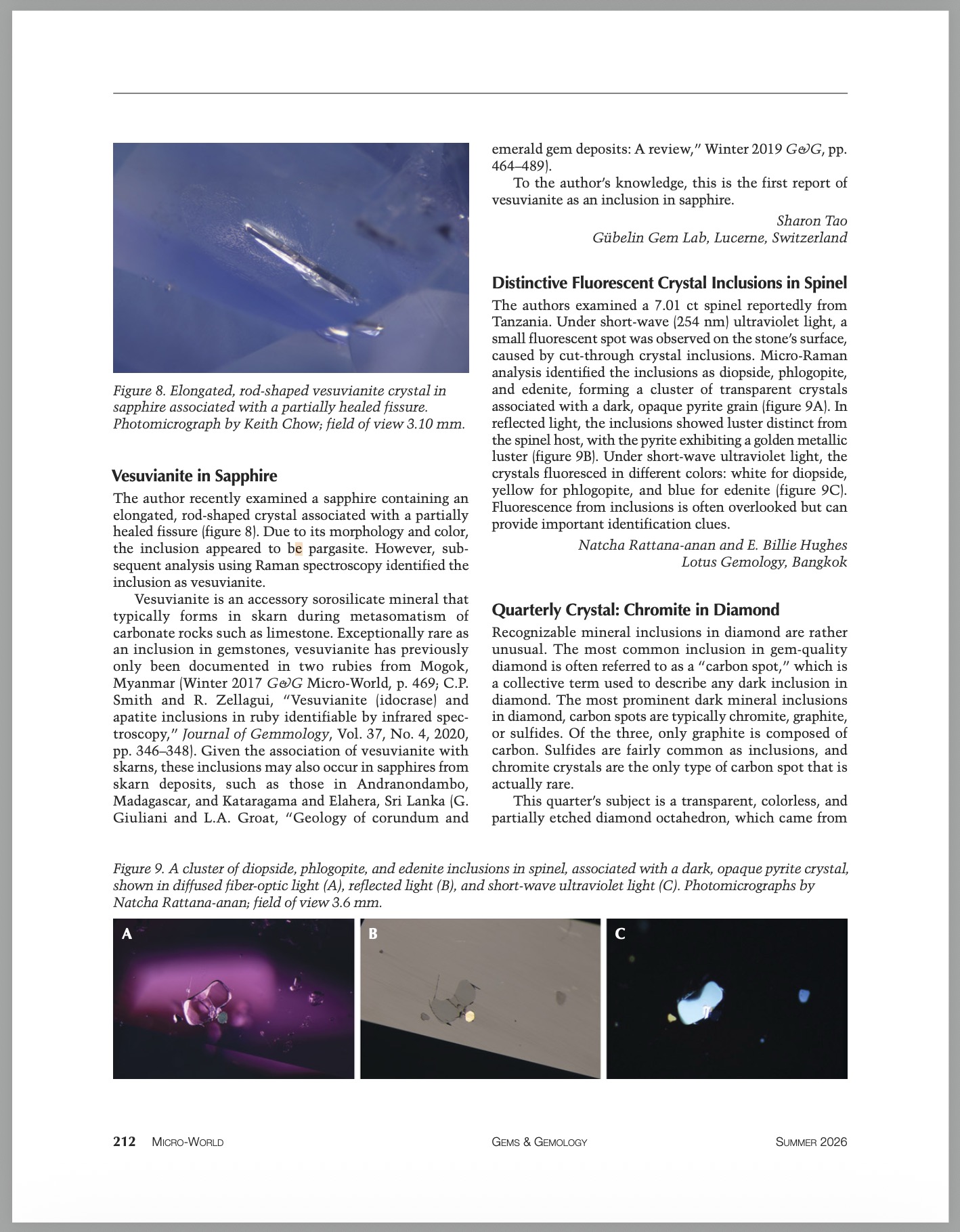
The author recently examined a sapphire containing an elongated, rod-shaped crystal associated with a partially healed fissure (figure 8). Due to its morphology and color, the inclusion appeared to be pargasite. However, subsequent analysis using Raman spectroscopy identified the inclusion as vesuvianite. Vesuvianite is an accessory sorosilicate mineral that typically forms in skarn during metasomatism of carbonate rocks such as limestone. Exceptionally rare as an inclusion in gemstones, vesuvianite has previously only been documented in two rubies from Mogok, Myanmar (Winter 2017 G&G Micro-World, p. 469; C.P. Smith and R. Zellagui, “Vesuvianite (idocrase) and apatite inclusions in ruby identifiable by infrared spectroscopy,” Journal of Gemmology, Vol. 37, No. 4, 2020, pp. 346–348). Given the association of vesuvianite with skarns, these inclusions may also occur in sapphires from skarn deposits, such as those in Andranondambo, Madagascar, and Kataragama and Elahera, Sri Lanka (G. Giuliani and L.A. Groat, “Geology of corundum and emerald gem deposits: A review,” Winter 2019 G&G, pp. 464–489). To the author’s knowledge, this is the first report of vesuvianite as an inclusion in sapphire.

Mineralological characteristics of high-quality Guatemalan green emerald rock and its origin landmark
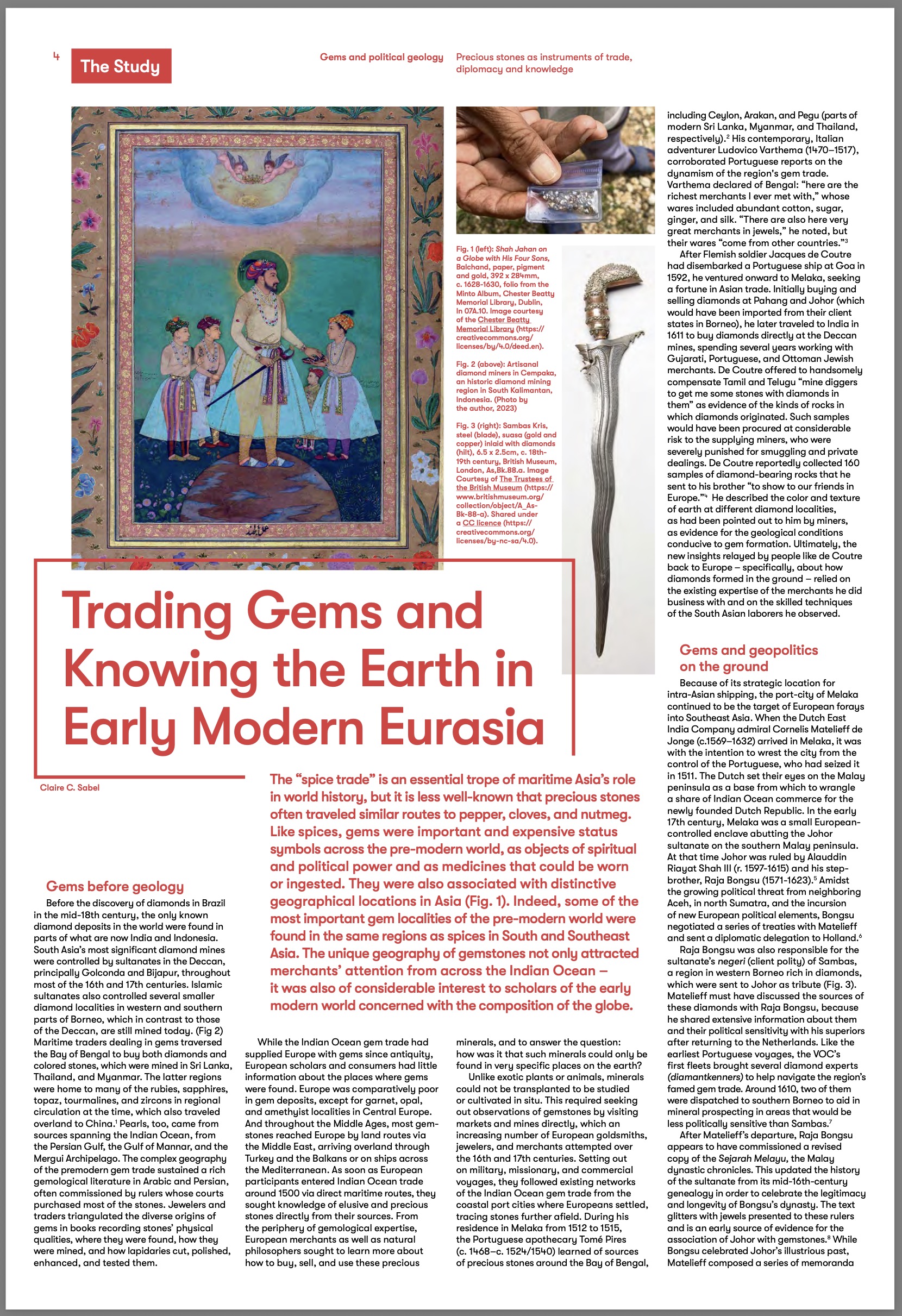
高品质危地马拉绿色翡翠岩石矿物学特征及其产地标型
Journal Article
Deng, Z.-x., Luo, Z.-c., Qiu, Z.-l., Chen, S.-j., Yang, J., Hou, S.-y., Chen, S., Xu, Z., Zhang, Y.-f. and Peng, Y.-f. (2025) Mineralological characteristics of high-quality Guatemalan green emerald rock and its origin landmark. [高品质危地马拉绿色翡翠岩石矿物学特征及其产地标型] Acta Petrologica et Mineralogica 岩石矿物学杂志, Vol. 44, No. 4, pp. 981–994.
Record No. 29025  |  DOI: https://doi.org/10.20086/j.cnki.yskw.2025.4122  |  Sinkankas/Born No.: NIS/NIB  |  Language: in Chinese with English abstract  |  RWHL
High-quality green jadeite recently discovered in Guatemala is comparable in quality to the finest green jadeite from Myanmar and has become an increasingly important source of premium jadeite jewelry in the Chinese market. However, its mineralogical characteristics and geographic origin indicators remain poorly understood. This study examines high-quality Guatemalan green jadeite rough and finished jewelry widely available in the Chinese market. Their mineralogical and compositional characteristics were systematically investigated using microscopic observation, Raman spectroscopy, and electron microprobe analysis. The results show that the material, marketed as “Maya Green,” is composed predominantly of omphacite, with minor accessory minerals including phlogopite, phengite, and chlorite. Three generations of omphacite (Omp-I, Omp-II, and Omp-III) were identified, with Omp-III forming the principal constituent of the jadeite. Omp-III is characterized by low Mg (average 7.59%) and Fe (average 1.57%) contents, relatively high Cr (average 0.24%), and a jadeite end-member component of XJd > 0.5 (average 0.53). Previous studies have shown that jadeite from different segments of the Motagua Fault in Guatemala displays distinctive mineral assemblages. In contrast, the high-quality Guatemalan green jadeite examined in this study is mineralogically simple, consisting primarily of nearly pure omphacite but containing two distinctive metallic inclusions, native copper and nickeline. These inclusion characteristics, together with the mineral chemistry and mineral assemblage, differ significantly from those of other high-quality green jadeites and provide important mineralogical criteria for distinguishing premium Guatemalan green jadeite from traditional Myanmar jadeite and similar high-quality jadeites from other localities.

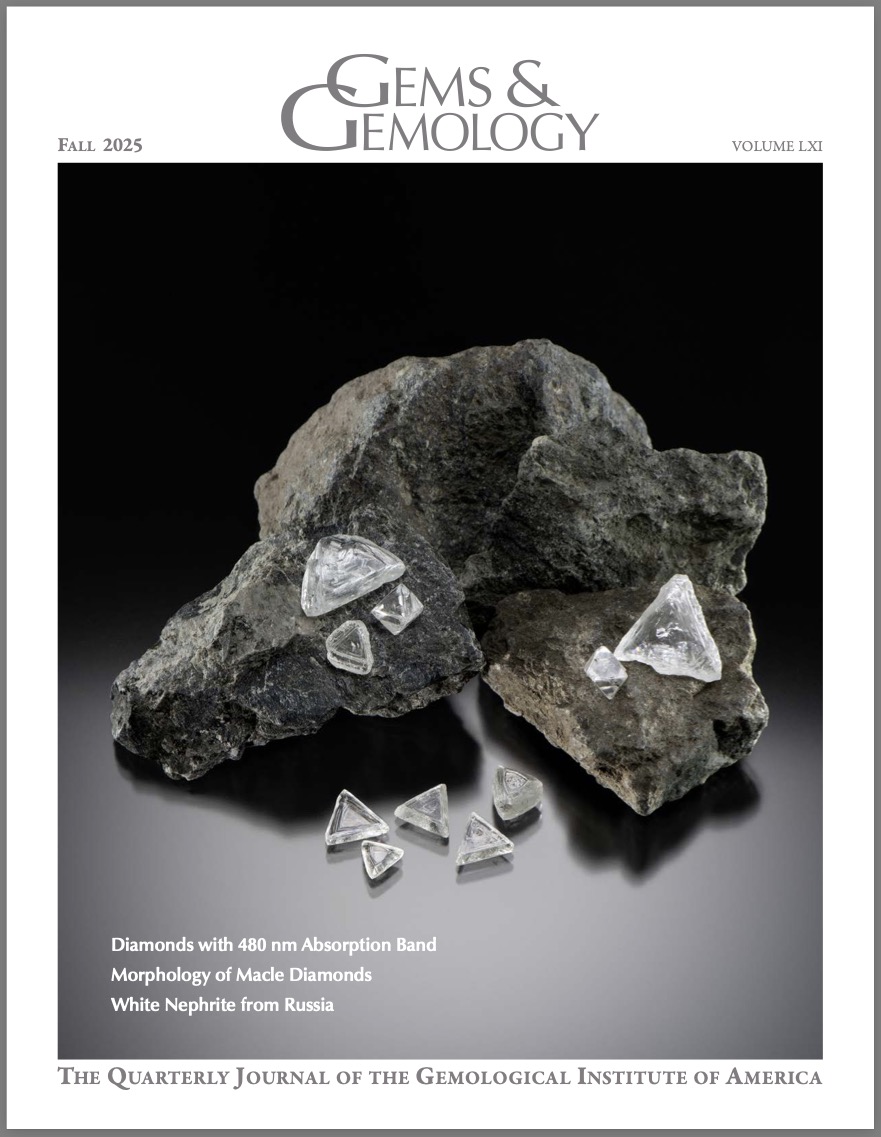
Trading gems and knowing the Earth in Early Modern Eurasia
Electronic Article
Sabel, C.C. (2025) Trading gems and knowing the Earth in Early Modern Eurasia. The Newsletter—International Institute for Asian Studies, No. 101, Winter, pp. 4–5
Record No. 29006  |  Sinkankas/Born No.: NIS/NIB  |  RWHL
The “spice trade” is an essential trope in the history of maritime Asia’s role in world history, but it is less well known that precious stones often traveled along the same routes as pepper, cloves, and nutmeg. Like spices, gems were highly valued and expensive status symbols throughout the premodern world, serving as objects of spiritual and political power as well as medicines that could be worn or ingested. They were also closely associated with distinctive geographical locations across Asia (Fig. 1). Indeed, some of the most important gem-producing regions of the premodern world were located in the same parts of South and Southeast Asia that supplied the spice trade. The unique geography of gemstones not only attracted merchants from across the Indian Ocean but also drew the attention of early modern scholars seeking to understand the composition and geography of the globe.

Lab Notes: Quench-crackled and dyed laboratory-grown sapphire
Journal Article
Price, J.L. (2025) Lab Notes: Quench-crackled and dyed laboratory-grown sapphire. Gems & Gemology, Vol. 61, No. 3, Fall, pp. 297–298.
Record No. 28144  |  Sinkankas/Born No.: NIS/NIB  |  RWHL
One common process used to alter gemstones is the “quench-crackle and dye” treatment, in which a heated stone is quenched in room-temperature water, inducing fractures that allow dye to penetrate the stone and change the appearance of its color. This technique was introduced in the 1990s (S.F. McClure and C.P. Smith, “Gemstone enhancement and detection in the 1990s,” Winter 2000 G&G, pp. 336–359) and is typically applied to quartz, cubic zirconia, glass, and other synthetic gemstones due to their low cost and high availability. The Carlsbad laboratory recently received a 12.65 ct laboratory-grown colorless sapphire that showed signs of treatment (figure 15). At first glance, the overall face-up color of this stone suggested it was a Paraíba tourmaline or a low-quality emerald. With the unaided eye, the color-causing dye-filled fractures were faintly visible. The refractive index, specific gravity, and other basic gemological tests identified the material as sapphire. Along with the lack of natural inclusions, testing with X-ray fluorescence revealed the absence of both gallium and iron, confirming that the stone was laboratory-grown. Visible/near-infrared (Vis-NIR) absorption spectroscopy displayed a broad band around 650 nm that did not match natural color-causing components found in corundum (figure 16). This explains the unnatural color of this sapphire. With a microscope, the fractures within this stone displayed characteristic weblike fractures induced by quenching. Unlike naturally occurring fractures, the fractures produced by this type of treatment have uniform spacing and depth, as shown in figure 17.

An alexandrite-emerald intergrowth, reportedly from Russia
Journal Article
Khourie, K. (2025) An alexandrite-emerald intergrowth, reportedly from Russia. Journal of Gemmology, Vol. 39, No. 5, pp. 410–411.
Record No. 27561  |  ISBN/ISSN: 221252  |  Sinkankas/Born No.: NIS/NIB  |  RWHL

After exploratory geology: Gemological El Dorado in global Afghanistan
Journal Article
Lin, P.-H.A. (2025) After exploratory geology: Gemological El Dorado in global Afghanistan. Comparative Studies in Society and History, pp. 1–27.
Record No. 26411  |  ISBN/ISSN: 104175  |  DOI: https://doi.org/10.1017/S001041752500012X  |  RWHL
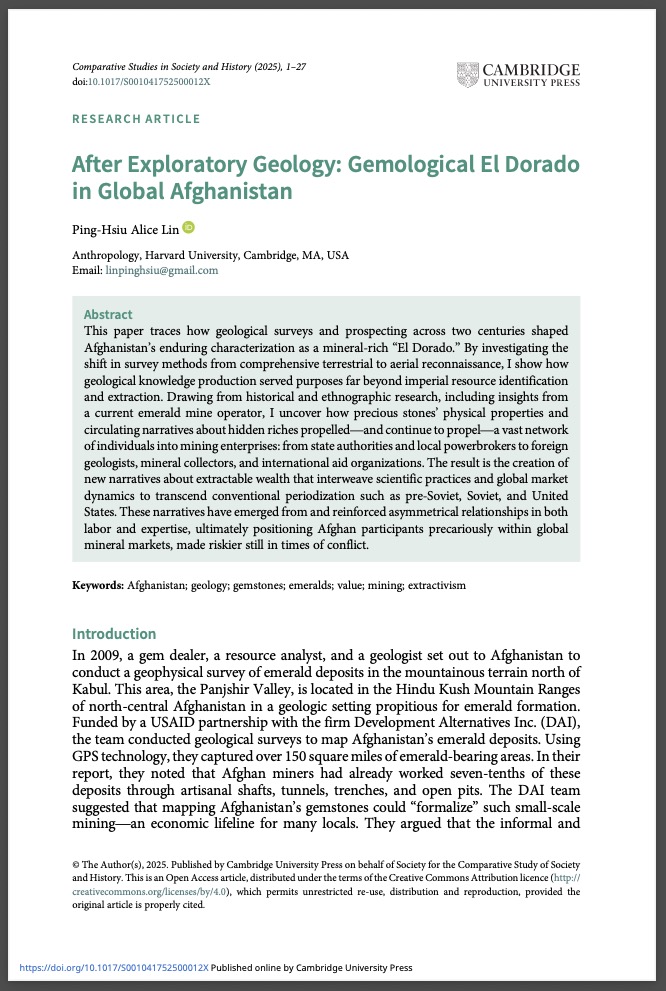
This paper traces how geological surveys and prospecting across two centuries shaped Afghanistan’s enduring characterization as a mineral-rich “El Dorado.” By investigating the shift in survey methods from comprehensive terrestrial to aerial reconnaissance, I show how geological knowledge production served purposes far beyond imperial resource identification and extraction. Drawing from historical and ethnographic research, including insights from a current emerald mine operator, I uncover how precious stones’ physical properties and circulating narratives about hidden riches propelled—and continue to propel—a vast network of individuals into mining enterprises: from state authorities and local powerbrokers to foreign geologists, mineral collectors, and international aid organizations. The result is the creation of new narratives about extractable wealth that interweave scientific practices and global market dynamics to transcend conventional periodization such as pre-Soviet, Soviet, and United States. These narratives have emerged from and reinforced asymmetrical relationships in both labor and expertise, ultimately positioning Afghan participants precariously within global mineral markets, made riskier still in times of conflict.

Microscopic, Spectroscopic and Chemical Analysis of Emeralds from Habachtal, Austria

Electronic Article
Nikopoulou, M., Karampelas, S., Hennebois, U., Gruss, P., Gaillou, E., Fritsch, E., Herreweghe, A., Papadopoulou, L., Melfos, V., Kantiranis, N. and Delaunay, A. (2025) Microscopic, Spectroscopic and Chemical Analysis of Emeralds from Habachtal, Austria. Minerals, Vol. 15, No. 1, 22 pp.
Record No. 17101  |  ISBN/ISSN: 2075163X  |  RWHL
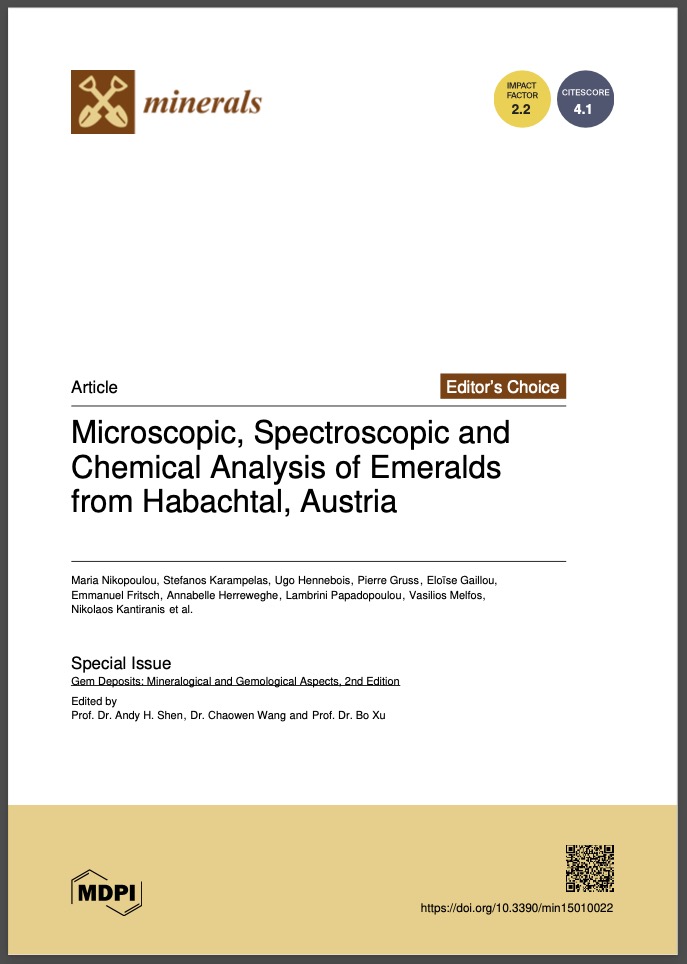
Studies on emeralds from Habachtal (Austria) are scarce and non-exhaustive. However, they represent a significant interest to the community, as they have been assumed to be present in historical pieces of jewelry. Along with Egypt, Habachtal is suggested to be one of the main sources of gem-quality emeralds of archaeological significance. In this regard and due to their similar macroscopic look and geological context, it has always been challenging to distinguish Austrian and Egyptian emeralds set in historic jewelry. In this paper, a first comprehensive study of several Habachtal emeralds is presented based on a combination of classic gemology, chemistry, and spectroscopy, using non-destructive to micro-destructive methods. Spectroscopic analyses, such as via Raman, FTIR, and UV-Vis–NIR spectroscopies, showed that emeralds from Habachtal (Austria) contain Type II H₂O molecules with alkalis and they are colored by chromium and iron, similarly to emeralds from Egypt. Under an optical microscope (and identified by Raman spectroscopy), actinolite needle-like inclusions are frequently observed in Austrian emeralds. Other inclusions, such as quartz, plagioclase, albite, phlogopite, and pyrite, can also be observed in Austrian samples. Chemical analysis of Austrian emeralds’ trace elements by LA–ICP–MS show similar results to those from Egypt, with the exception of V, K, and Rb, which show a lesser content in Austrian emeralds. Thanks to the determination of inclusions combined with a careful examination of specific chemistry, this study shows that Austrian emeralds can be distinguished from their Egyptian counterpart.

Exploring the Literature of Emerald

Emerald literature spans gemology, mineralogy, deposits, identification, treatments, synthesis, history and the gem trade, with important sources covering deposits around the world.

For a curated guide to this subject, read Green Fire — Lotus Gemology's Guide to the Literature of Emerald.

About Four Treasures

Four Treasures is Lotus Gemology's freely accessible gemological reference database. Use the full database to search by author, title or keyword and explore literature on gemology, mineralogy, jewelry and related fields. Where available, hyperlinks on titles may lead directly to the full publication.

Search the Complete Four Treasures Database