Emerald Bibliography

Emerald Bibliography

Explore books, articles and historical sources on emerald in Four Treasures, the Lotus Gemology reference database. This bibliography brings together matching records from the collection, with publication details, abstracts and cover images where available.

Emerald References

The list below matches the terms emerald or emeralds in the database's searchable fields. Some references discuss emeralds as part of a broader subject.
461–480 of 851 matching references

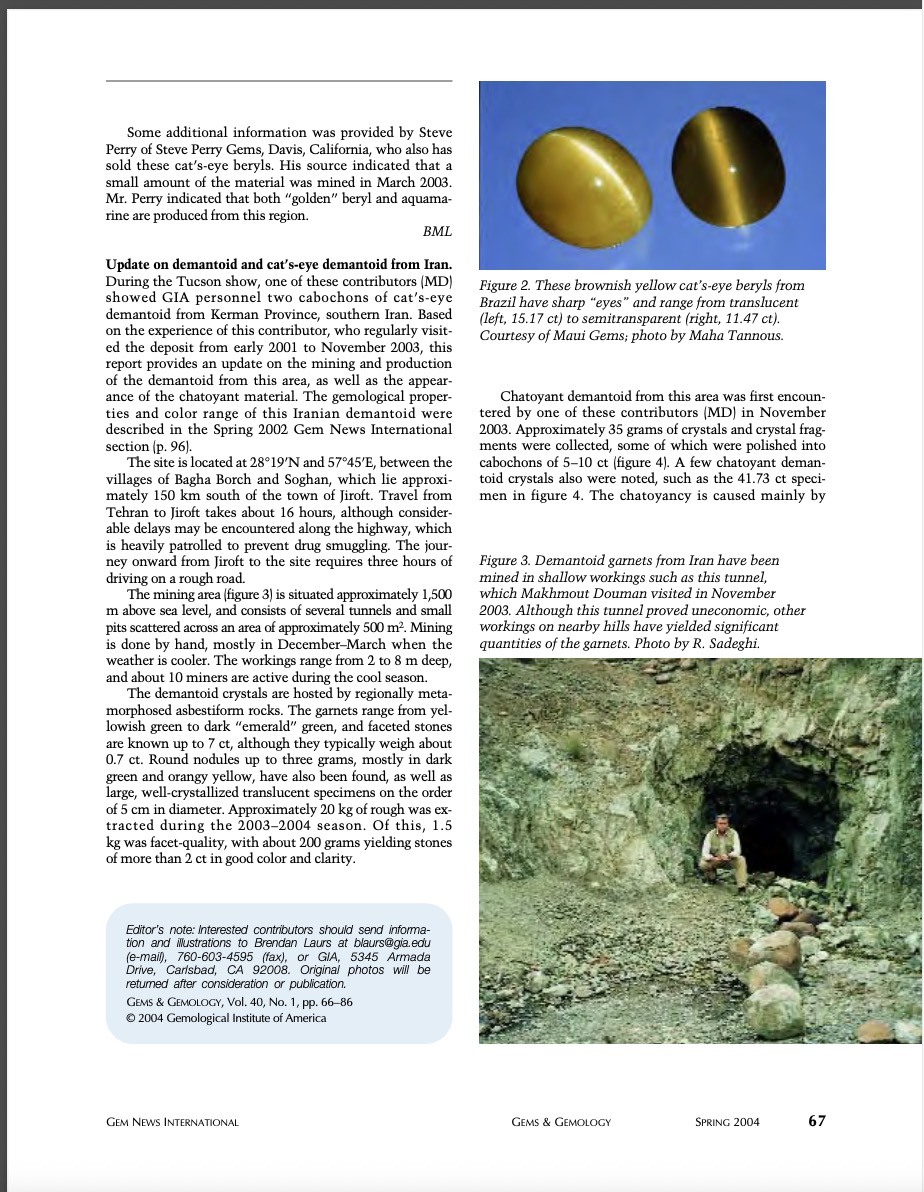
Gem News International: Update on demantoid and cat's-eye demantoid from Iran
Journal Article
Douman, M. and Dirlam, D.M. (2004) Gem News International: Update on demantoid and cat's-eye demantoid from Iran. Gems & Gemology, Vol. 40, No. 1, Spring, pp. 67–68.
Record No. 26684  |  Sinkankas/Born No.: NIS/NIB  |  RWHL
During the Tucson gem show, two cabochons of cat’s-eye demantoid from Kerman Province, southern Iran, were presented to GIA personnel, prompting an update on mining and production at this locality. Based on firsthand visits to the site between early 2001 and November 2003, one contributor provided details on the deposit and the emergence of chatoyant demantoid. Previously described in the Spring 2002 Gem News International (p. 96), this Iranian demantoid occurs near 28°19′N, 57°45′E, between the villages of Bagha Borch and Soghan, about 150 km south of Jiroft. Travel from Tehran to Jiroft takes about 16 hours, often slowed by highway patrols aimed at curbing drug trafficking, followed by a three-hour drive on rough roads to reach the mining site. Located at roughly 1,500 m elevation, the area features several hand-dug tunnels and pits spread across 500 m², worked mainly between December and March by about 10 miners. The demantoid occurs in regionally metamorphosed asbestiform rocks, with garnets ranging from yellowish green to dark emerald green. While faceted stones up to 7 ct have been reported, most cut gems weigh around 0.7 ct. Additionally, dark green and orangy yellow nodules up to 3 g and translucent crystals up to 5 cm have been recovered. During the 2003–2004 season, approximately 20 kg of rough was extracted, of which 1.5 kg was facet-grade and around 200 g yielded stones over 2 ct with desirable color and clarity.

The origin of ancient gemstones unveiled by PIXE, PIGE and µ-Raman spectrometry
Book Section
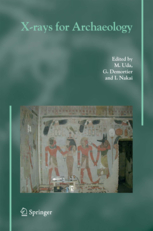
Calligaro, T. (2004) The origin of ancient gemstones unveiled by PIXE, PIGE and µ-Raman spectrometry. In: X-Rays for Archaeology, New York: Springer, pp. 101–112.
Record No. 5593  |  Sinkankas/Born No.: NIS/NIB  |  RWHL
Gemstones set on ancient jewels are invaluable witnesses from the past, and to obtain these prized items, humans established long-distance trade routes whose extension and historical evolution pose major archaeological questions; chemical characterisation has proven especially useful in this context, as the elemental composition reveals the gem’s identity—such as SiO₂ for quartz, Al₂O₃ for ruby and sapphire, or Be₃Al₂Si₃O₁₈ for emerald—while trace element patterns, when compared to reference samples, may indicate geographic origin; however, such analyses must be non-invasive (requiring neither sampling nor dismounting) and non-destructive (leaving no damage), and ion beam techniques like PIXE (particle-induced X-ray emission) and PIGE (particle-induced γ-ray emission) satisfy these demands by operating directly on the surface in air with 20 μm resolution—PIXE detecting elements heavier than sodium with sensitivity to the μg/g level, and PIGE extending coverage to light elements (Li, Be, B, F); additionally, Raman micro-spectrometry is employed to identify inclusions beyond the reach of the ion beam, as these features often inform provenance in gemmology; the combined use of external beam PIXE/PIGE and Raman spectroscopy is demonstrated in this study through analyses of ancient rubies from a Mesopotamian statuette and of emeralds and garnets set in Barbarian jewels from the Dark Ages.

Archaeological geology of the world's first emerald mine
Journal Article
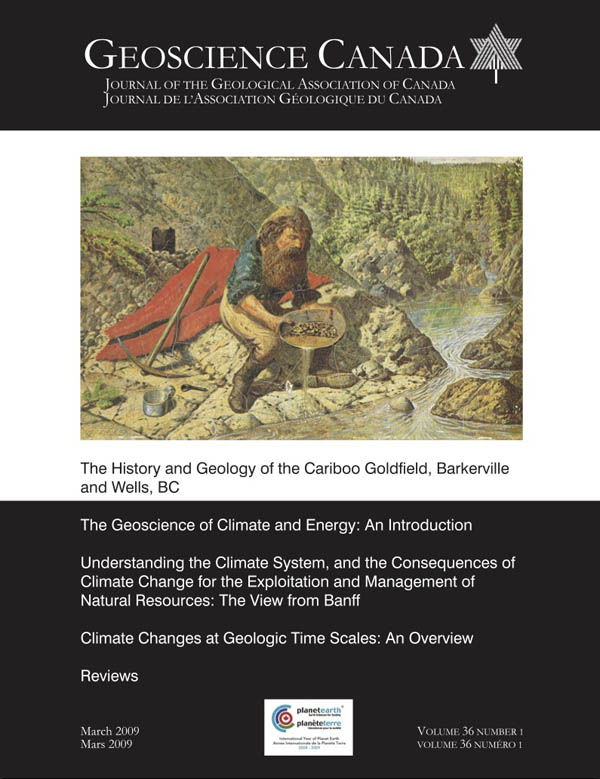
Harrell, J.A. (2004) Archaeological geology of the world's first emerald mine. Geoscience Canada, Vol. 31, No. 2, pp. 69–76.
Record No. 4215  |  RWHL
Emerald, a green transparent variety of beryl, was one of the most highly prized gemstones in antiquity. The earliest known emerald mine is located in the mountain valley of Wadi Sikait in Egypt's Eastern Desert, where mining probably began toward the end of the Ptolemaic period in the first century BC. Most of the mining activity, however, dates to the Roman and Byzantine periods, from the late first century BC through the sixth century AD. The Romans referred to emerald as smaragdus and named the Sikait region Mons Smaragdus or Emerald Mountain. An archaeological geology survey of Wadi Sikait was undertaken for the purpose of mapping the distribution of ancient mine workings, deducing the ancient mining methods, and describing the geological occurrence of emerald. It was found that emerald and other green beryls occur within the contact zone between phlogopite schist and intrusive quartz and pegmatite veins. The workings, which were excavated in the softer phlogopite schist with flat-edged chisels and pointed picks, are mostly shallow, open-cut trenches that follow the quartz/ pegmatite veins. Some workings continue as much as 100 m underground and are still largely unexplored. It is noteworthy that the geological occurrence of beryl in Wadi Sikait, the world's oldest emerald mine, is essentially the same as for the world's newest emerald discovery at Regal Ridge in Canada's Yukon Territory.

Gemstone mineralization in the Palghat–Cauvery shear zone system (Karur–Kangayam belt), southern India
Journal Article
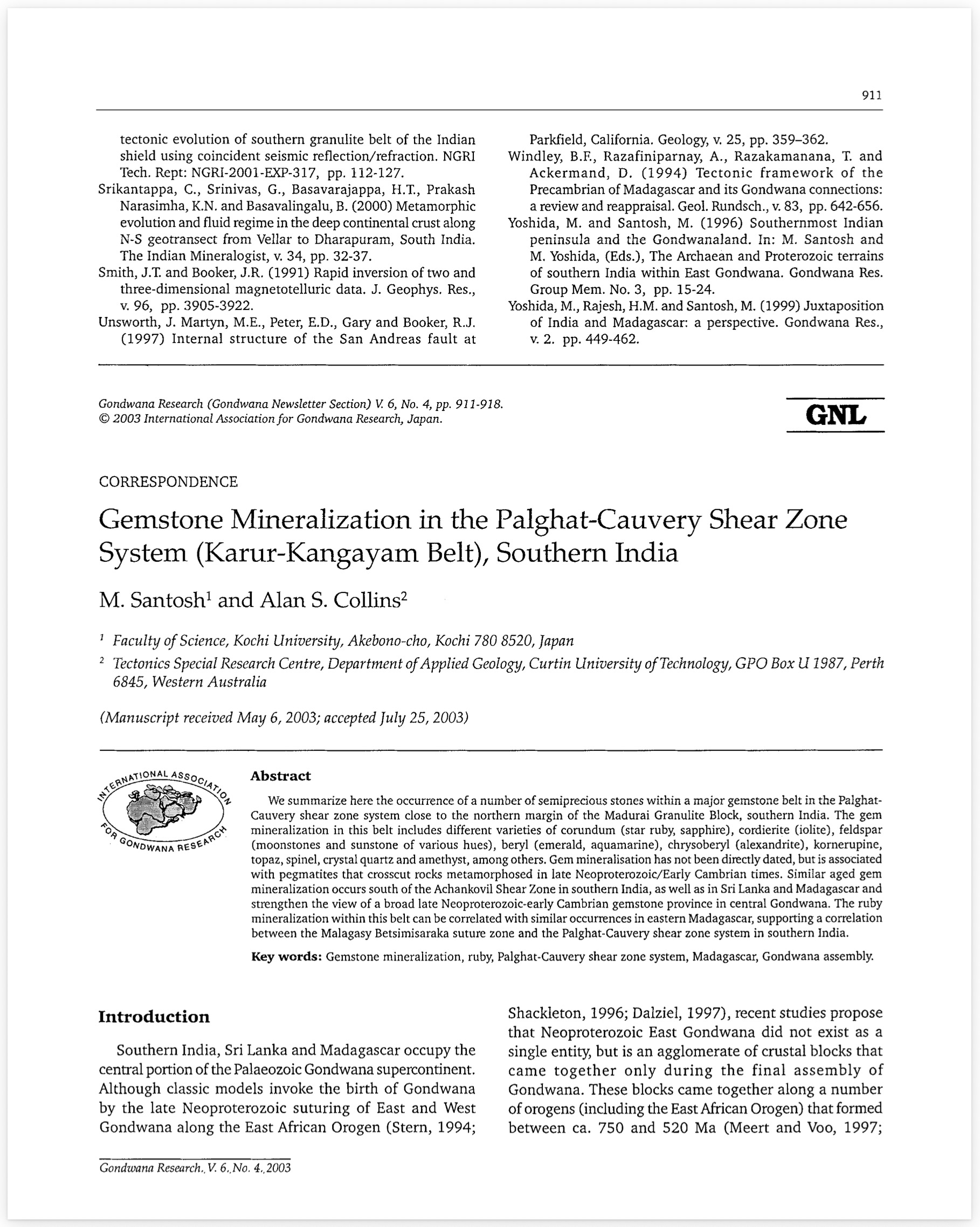
Santosh, M. and Collins, A.S. (2003) Gemstone mineralization in the Palghat–Cauvery shear zone system (Karur–Kangayam belt), southern India. Gondwana Research, Vol. 6, No. 4, pp. 911–918.
Record No. 29934  |  DOI: https://doi.org/10.1016/S1342-937X(05)71035-2  |  Sinkankas/Born No.: NIS/NIB  |  RWHL
We summarize here the occurrence of a number of semiprecious stones within a major gemstone belt in the Palghat-Cauvery shear zone system close to the northern margin of the Madurai Granulite Block, southern India. The gem mineralization in this belt includes different varieties of corundum (star ruby, sapphire), cordierite (iolite), feldspar (moonstones and sunstone of various hues), beryl (emerald, aquamarine), chrysoberyl (alexandrite), kornerupine, topaz, spinel, crystal quartz and amethyst, among others. Gem mineralisation has not been directly dated, but is associated with pegmatites that crosscut rocks metamorphosed in late Neoproterozoic/Early Cambrian times. Similar aged gem mineralization occurs south of the Achankovil Shear Zone in southern India, as well as in Sri Lanka and Madagascar and strengthen the view of a broad late Neoproterozoic-early Cambrian gemstone province in central Gondwana. The ruby mineralization within this belt can be correlated with similar occurrences in eastern Madagascar, supporting a correlation between the Malagasy Betsimisaraka suture zone and the Palghat-Cauvery shear zone system in southern India.

L’émeraude minée: Chrétien de Troyes et le lapidaire
The mined emerald: Chrétien de Troyes and the lapidary
Journal Article
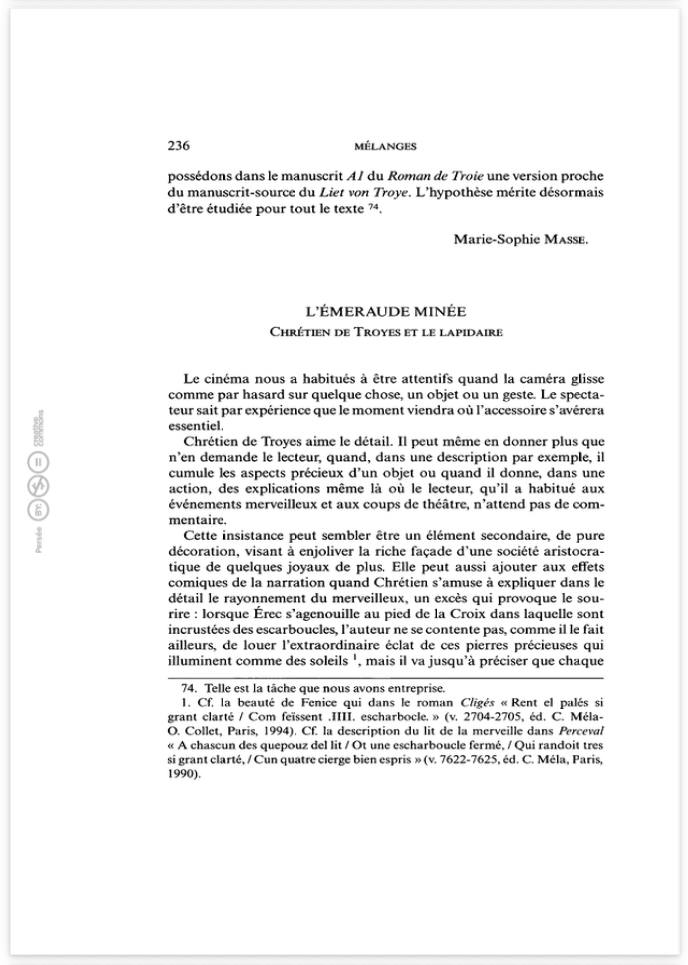
Ernstpeter, R. (2003) L’émeraude minée: Chrétien de Troyes et le lapidaire. [The mined emerald: Chrétien de Troyes and the lapidary] Romania, No. 121, pp. 236–247.
Record No. 28052  |  Sinkankas/Born No.: NIS/NIB  |  Language: in French  |  RWHL
Ruhe examines Chrétien de Troyes’s apparently anomalous use of emerald in Yvain, ou Le Chevalier au lion, where the perilous fountain has a pierced emerald block supported by four rubies. Medieval lapidaries, following Marbode, consistently attribute to emerald the power to avert storms and restrain lust, yet in Chrétien’s narrative the emerald is associated with precisely the opposite effects: the fountain produces violent storms, Yvain falls into passionate love and later madness, and other traditional virtues of emerald—revealing hidden things, foretelling the future, promoting eloquence, curing illness, and increasing wealth—are likewise systematically inverted. Ruhe argues that this is deliberate rather than an error or faulty recollection by Chrétien. Elsewhere Chrétien employs precious stones in ways consistent with lapidary tradition; the crucial distinction here is that the emerald is not worn on the body as a beneficial talisman but incorporated into a magical site. Its inverted powers therefore contribute to Chrétien’s ironic distancing from the supernatural traditions surrounding the fountain and perhaps also to a critique of knightly excess. The study demonstrates how close attention to medieval lapidary traditions can reveal a sophisticated literary play on the supposed virtues of gemstones in Chrétien’s work.

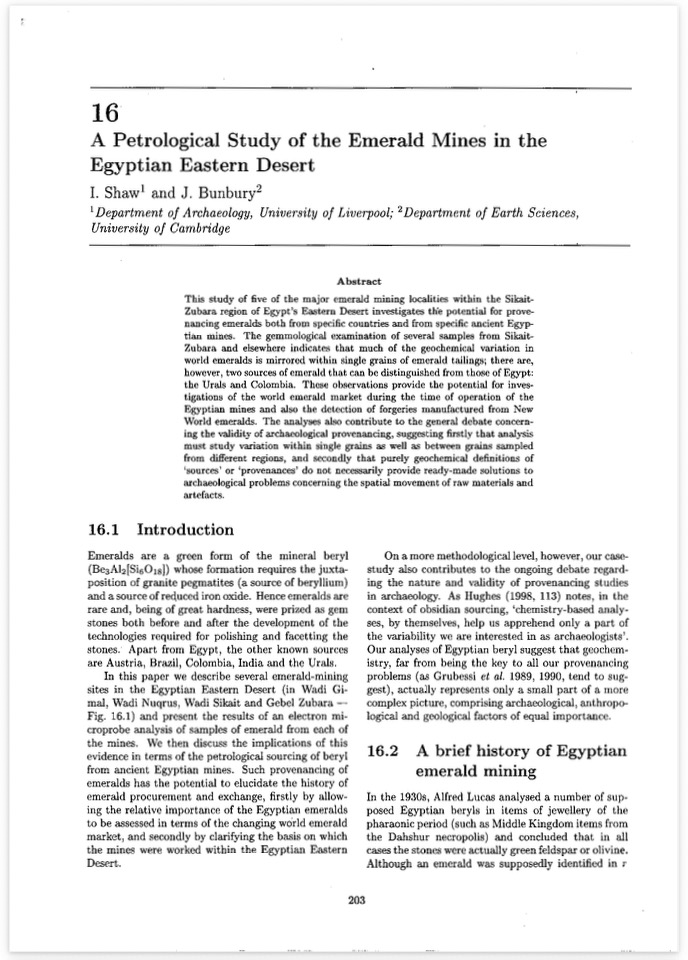
Berenike crossroads: The integration of information
Journal Article
Wendrich, W.Z., Tomber, R.S., Sidebotham, S.E., Harrell, J.A., Cappers, R.T.J. and Bagnall, R.S. (2003) Berenike crossroads: The integration of information. Journal of the Economic and Social History of the Orient, Vol. 46, No. 1, pp. 46–87.
Record No. 27344  |  Sinkankas/Born No.: NIS/NIB  |  RWHL
The harbor town of Berenike functioned in the long-distance trade between the Mediterranean and the Indian Ocean Basin from the third century BC to the early sixth century AD. This contribution aims to view the Berenike material within its wider historical context through a preliminary analysis of the combined archaeological and textual evidence. By comparing the results of the work of different specialists, the potential of a multi-disciplinary approach becomes apparent. A number of caveats are given, which illustrate the interpretative problems arising from comparing the results of different disciplines. Lastly, this attempt at integration shows that the discrepancies between the different sources offer important insights.

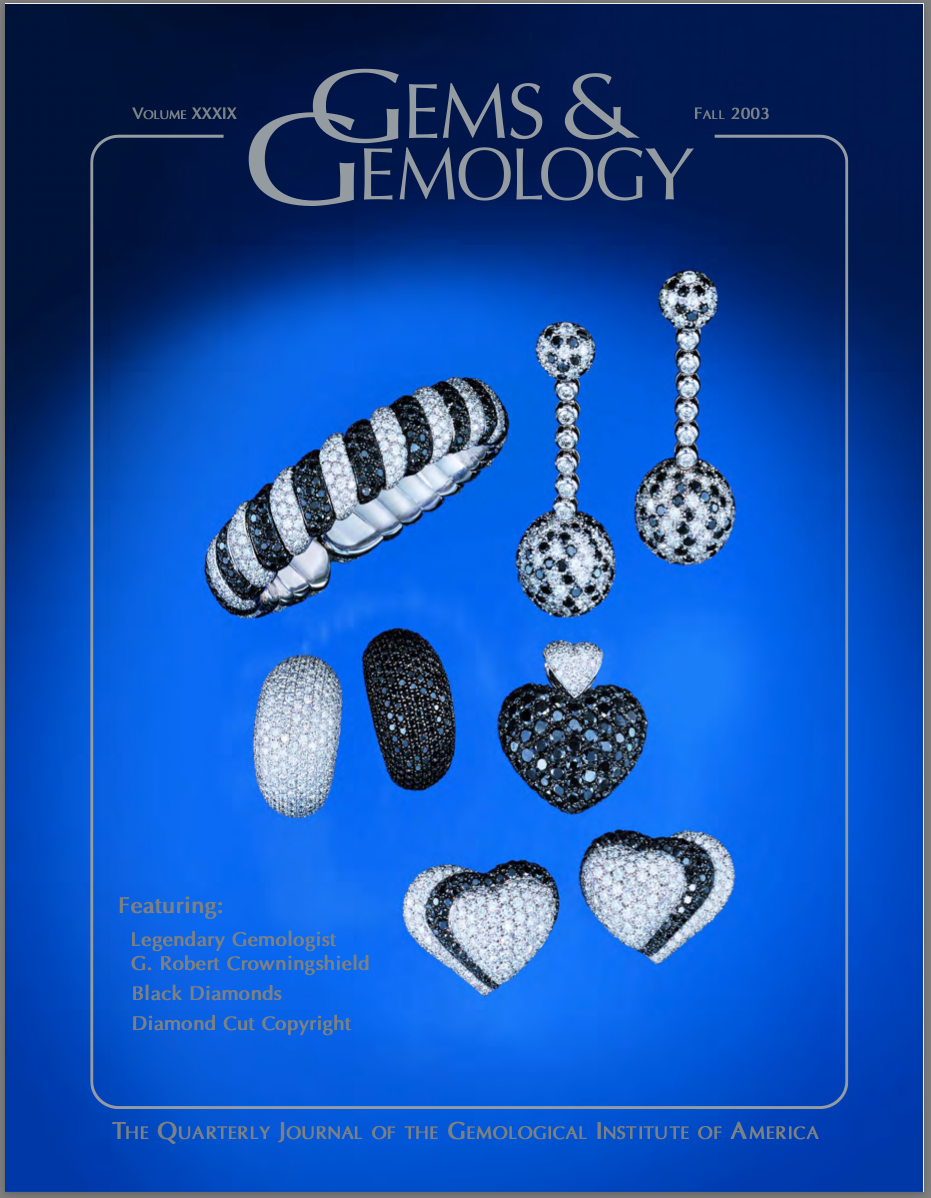
A petrological study of the emerald mines in the Egyptian Eastern Desert
Book Section
Shaw, I. and Bunbury, J. (2003) A petrological study of the emerald mines in the Egyptian Eastern Desert. In: Lithics at the Millennium, London: Archaeopress, pp. 203–213.
Record No. 27220  |  Sinkankas/Born No.: NIS/NIB  |  RWHL
This study of five of the major emerald mining localities within the Sikait-Zubara region of Egypt’s Eastern Desert investigates the potential for provenancing emeralds both from specific countries and from specific ancient Egyptian mines. The gemmological examination of several samples from Sikait-Zubara and elsewhere indicates that much of the geochemical variation in world emeralds is mirrored within single grains of emerald tailings; there are, however, two sources of emerald that can be distinguished from those of Egypt: the Urals and Colombia. These observations provide the potential for investigations of the world emerald market during the time of operation of the Egyptian mines and also the detection of forgeries manufactured from New World emeralds. The analyses also contribute to the general debate concerning the validity of archaeological provenancing, suggesting firstly that analysis must study variation within single grains as well as between grains sampled from different regions, and secondly that purely geochemical definitions of ‘sources’ or ‘provenances’ do not necessarily provide ready-made solutions to archaeological problems concerning the spatial movement of raw materials and artefacts.

An alexandrite-emerald intergrowth

Journal Article
Hainschwang, T. (2003) An alexandrite-emerald intergrowth. Gems & Gemology, Vol. 39, No. 3, Fall, pp. 226–227.
Record No. 27210  |  Sinkankas/Born No.: NIS/NIB  |  RWHL

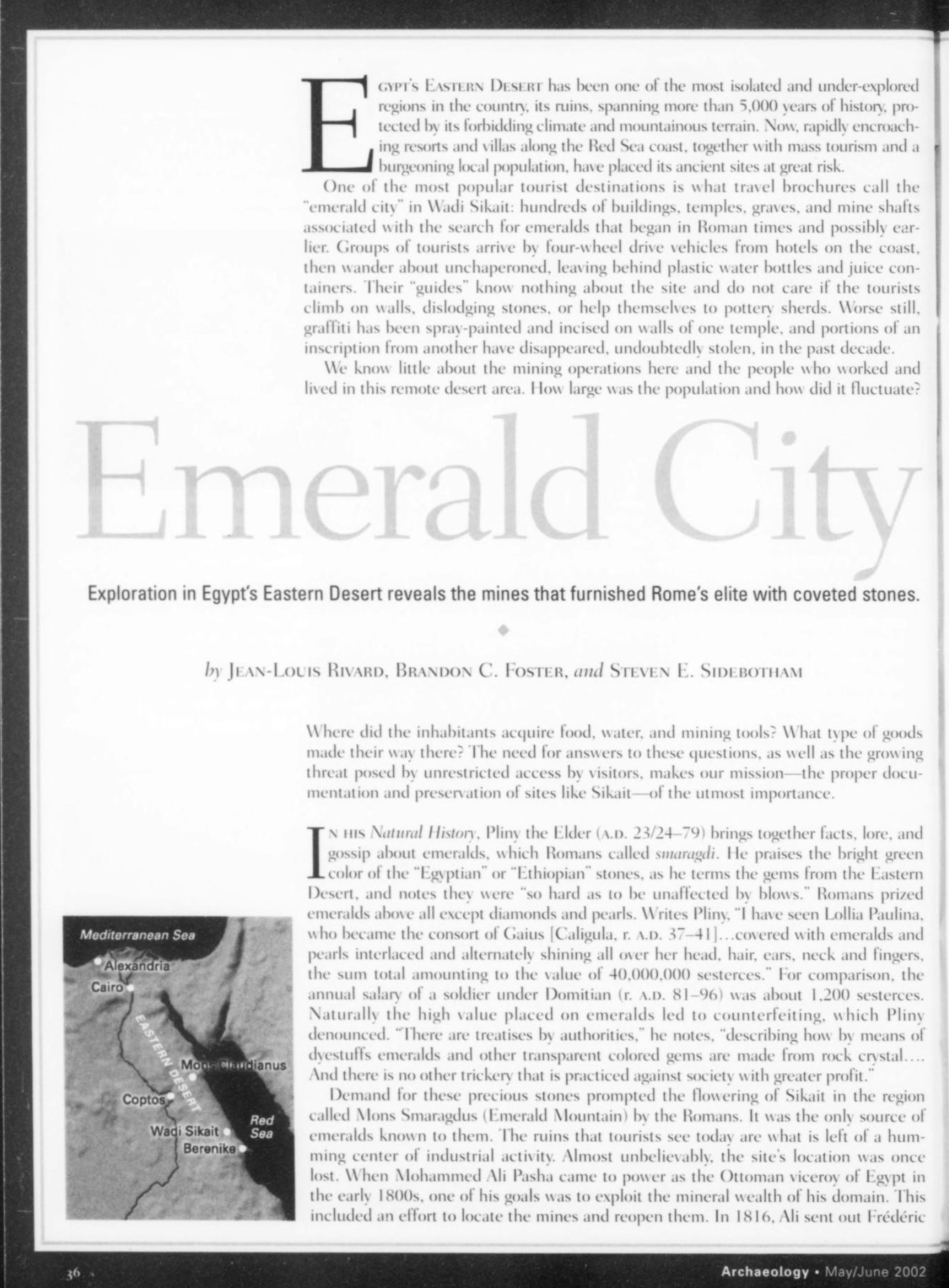
Emerald city

Journal Article
Rivard, J.-L., Foster, B.C. and Sidebotham, S.E. (2002) Emerald city. Archaeology, Vol. 55, No. 3, pp. 36–41.
Record No. 29955  |  Sinkankas/Born No.: NIS/NIB  |  RWHL
Egypt's Eastern Desert has been one of the most isolated and under-explored regions in the country, its ruins, spanning more than 5,000 years of history, protected by its forbidding climate and mountainous terrain. Now, rapidly encroaching resorts and villas along the Red Sea coast, together with mass tourism and a burgeoning local population, have placed its ancient sites at great risk. One of the most popular tourist destinations is what travel brochures call the emerald city" in Wadi Sikait: hundreds of buildings, temples, graves, and mine shafts associated with the search for emeralds that began in Roman times and possibly earlier. Demand for these precious stones prompted the flowering of Sikait in the region called by the Romans Mons Smaragdus (Emerald Mountain). The ruins that tourists see today are what is left of a humming center of industrial activity, but we know little about the mining operations here and the people who worked and lived in this remote desert area. How large was the population? Where did the inhabitants acquire food, water, and mining tools? The need for answers to these questions, as well as the growing threat posed by unrestricted access by visitors, makes our mission--the proper documentation and preservation of sites like Sikait--of the utmost importance."

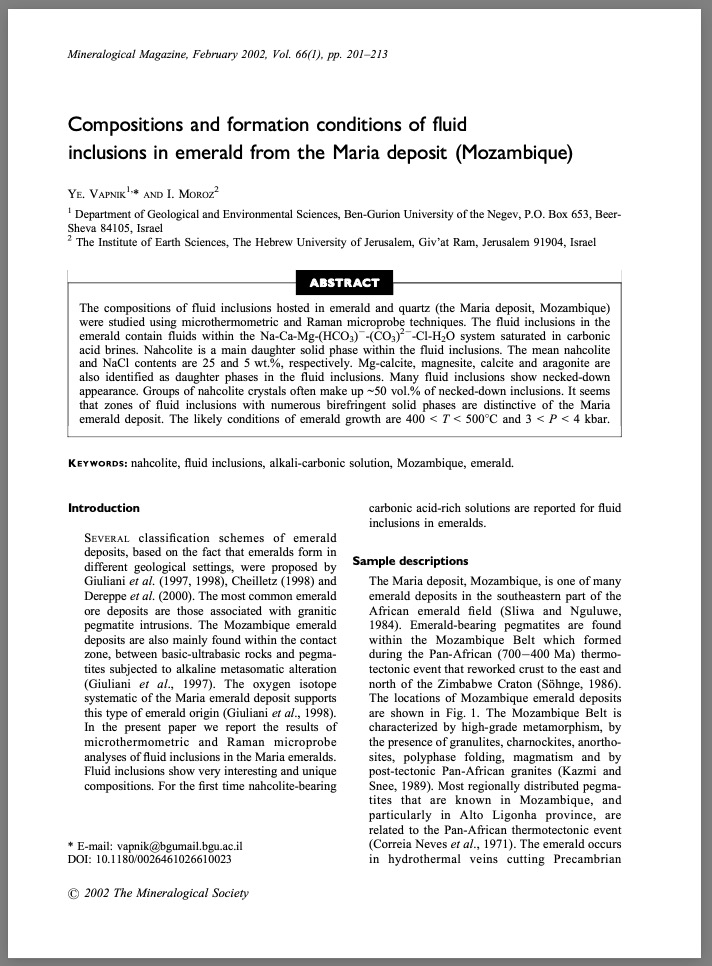
Compositions and formation conditions of fluid inclusions in emerald from the Maria deposit (Mozambique)
Journal Article
Vapnik, Y. and Moroz, I. (2002) Compositions and formation conditions of fluid inclusions in emerald from the Maria deposit (Mozambique). Mineralogical Magazine, Vol. 66, No. 1, pp. 201–213.
Record No. 27206  |  ISBN/ISSN: 0026461X  |  Sinkankas/Born No.: NIS/NIB  |  RWHL
The compositions of fluid inclusions in emerald and quartz from the Maria deposit in Mozambique were investigated using microthermometric and Raman microprobe techniques. The inclusions in emerald belong to the Na–Ca–Mg–(HCO₃)⁻–(CO₃)²⁻–Cl–H₂O system and are saturated carbonic acid brines. Nahcolite is the primary daughter mineral phase observed, with average concentrations of 25 wt.% nahcolite and 5 wt.% NaCl. Additional daughter phases identified include Mg-calcite, magnesite, calcite, and aragonite. Many fluid inclusions show a necked-down morphology, with groups of nahcolite crystals often comprising up to ~50 vol.% of these inclusions. Zones rich in fluid inclusions containing numerous birefringent solids appear to be characteristic of emeralds from the Maria deposit. Estimated conditions for emerald formation are between 400 and 500 °C and pressures of 3 to 4 kbar.

Mineralogical and chemical study of the Regal Ridge emerald
Journal Article
Groat, L., Marshall, D.D., Giuliani, G., Murphy, D.C., Piercey, S.J., Jambor, J.L., Mortensen, J.K., Ercit, T.S., Gault, R.A., Mattey, D.P., Schwarz, D., Maluski, H., Wise, M.A., Wengzynowski, W. and Eaton, D.W. (2002) Mineralogical and chemical study of the Regal Ridge emerald. Canadian Mineralogist, Vol. 40, No. 5, pp. 1313–1338.
Record No. 6105  |  DOI: https://dx.doi.org/10.2113/gscanmin.40.5.1313  |  RWHL
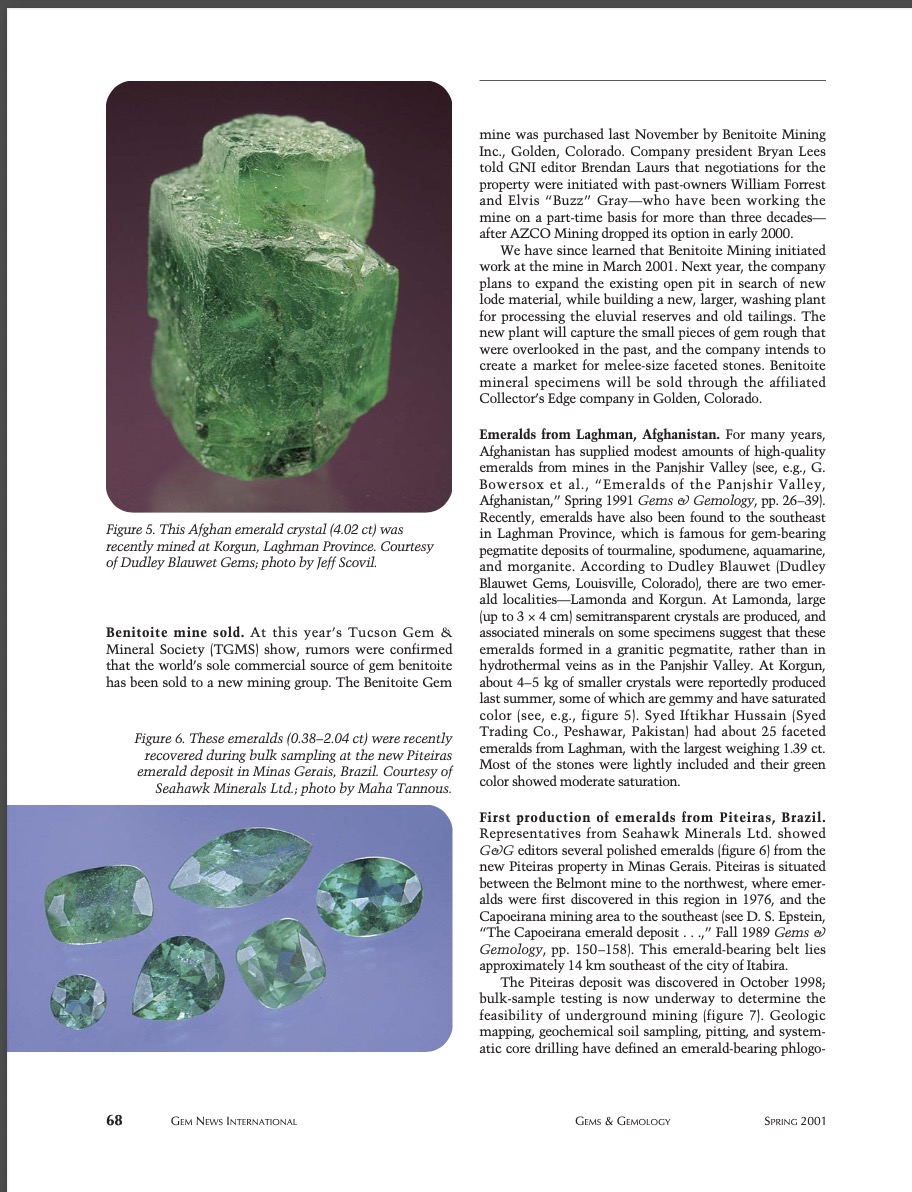
In September 1998, a significant emerald occurrence was discovered at Regal Ridge in the Finlayson Lake district of southeastern Yukon, within the Yukon–Tanana Terrane. The emeralds are hosted in quartz veins that intersect mica-rich layers of a shallowly dipping mica schist from the Upper Devonian Fire Lake mafic metavolcanic unit, near a mid-Cretaceous granitic pluton. Emeralds, including gem-quality green beryl crystals up to 4 cm, are found in tourmaline-rich alteration zones surrounding the veins. These zones also feature scheelite, minor sulfides, and ochreous surface oxidation. The emeralds contain an average of 3208 ppm Cr, indicating chromium as the main chromophore. Fluid inclusions show formation from a low-salinity (max 3 wt.% NaCl equivalent), isotopically homogeneous fluid that exchanged oxygen isotopes with host rocks (δ¹⁸O of emerald = 12.3–14.8‰; δD ≈ −58‰). Coexisting quartz and tourmaline indicate formation temperatures of ~365–498 °C, corresponding to depths of 3–7.7 km and pressures of 1.0–2.5 kbar. Be is interpreted to have originated from the adjacent granite (with low Be: 12–13.2 ppm), and Cr from the host schist (520 ppm). An ⁴⁰Ar/³⁹Ar age of 109 Ma from mica likely reflects the timing of emerald formation or cooling post-granite intrusion.

Gem News International: Emeralds from Laghman, Afghanistan
Journal Article
Laurs, B.M. (2001) Gem News International: Emeralds from Laghman, Afghanistan. Gems & Gemology, Vol. 37, No. 1, Spring, p. 68.
Record No. 26688  |  Sinkankas/Born No.: NIS/NIB  |  RWHL
Emeralds from Laghman, Afghanistan. For many years, Afghanistan has supplied modest amounts of high-quality emeralds from mines in the Panjshir Valley (see, e.g., G. Bowersox et al., “Emeralds of the Panjshir Valley, Afghanistan,” Spring 1991 Gems & Gemology, pp. 26–39). Recently, emeralds have also been found to the southeast in Laghman Province, which is famous for gem-bearing pegmatite deposits of tourmaline, spodumene, aquamarine, and morganite. According to Dudley Blauwet (Dudley Blauwet Gems, Louisville, Colorado), there are two emerald localities—Lamonda and Korgun. At Lamonda, large (up to 3 × 4 cm) semitransparent crystals are produced, and associated minerals on some specimens suggest that these emeralds formed in a granitic pegmatite, rather than in hydrothermal veins as in the Panjshir Valley. At Korgun, about 4–5 kg of smaller crystals were reportedly produced last summer, some of which are gemmy and have saturated color. Syed Iftikhar Hussain (Syed Trading Co., Peshawar, Pakistan) had about 25 faceted emeralds from Laghman, with the largest weighing 1.39 ct. Most of the stones were lightly included and their green color showed moderate saturation.

Mineral and fluid inclusion study of emeralds from the Lake Manyara and Sumbawanga deposits, Tanzania
Journal Article
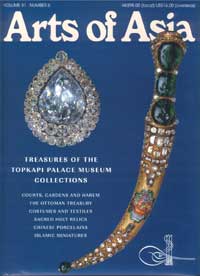
Moroz, I., Vapnik, Y., Eliezri, I. and Roth, M. (2001) Mineral and fluid inclusion study of emeralds from the Lake Manyara and Sumbawanga deposits, Tanzania. Journal of African Earth Sciences, Vol. 33, No. 2, pp. 377–390.
Record No. 6046  |  RWHL
Mineral and fluid inclusions were investigated in Tanzanian emeralds sampled in the Lake Manyara and Sumbawanga deposits. Microthermometry and Raman microprobe analyses were applied for this study. Primary and pseudosecondary H₂O–CO₂ inclusions, with numerous daughter solid phases, are common in the emeralds from the Lake Manyara deposit. Magnesite, Mg-calcite, aragonite, dolomite, calcite, nahcolite, quartz, and chrysoberyl were identified as trapped solids in fluid inclusions. Similar mineral inclusions were also found in the emeralds themselves. The composition of the trapped fluid present at emerald growth is estimated to be a carbonic-rich solution with chloride content of about 6 wt% NaCl equivalent. The P–T conditions of emerald growth are as follows: T = 370–470 °C and P = 3.0–7.0 kbar. Mineral inclusions of phenakite, euclase, bertrandite, and helvite are common in the emeralds of the Sumbawanga deposit. CO₂-rich inclusions with an aqueous phase (usually below the detection limit), and CaCl₂-rich inclusions with salinity of up to 17 wt% NaCl equivalent, are related to emerald growth. The trapping of fluid inclusions postdates the growth of mineral inclusions. The P–T conditions of emerald growth are as follows: T = 220–300 °C and P = 0.7–3.0 kbar.

The Ottoman treasury

Journal Article
Bilirgen, E. and Murat, S. (2001) The Ottoman treasury. Arts of Asia, Vol. 31, No. 6, Nov.–Dec., pp. 54–129.
Record No. 5912  |  Sinkankas/Born No.: NIS/NIB  |  RWHL

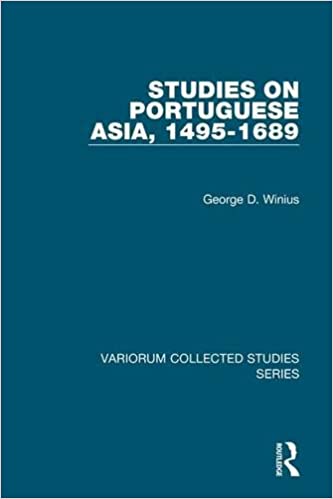
Studies on Portuguese Asia, 1495–1689
Book
Winius, G.D. (2001) Studies on Portuguese Asia, 1495–1689. Aldershot, UK, Ashgate/Variorum, see Chapter 6: “Jewel trading in Portuguese India in the XVI and XVII centuries”, pp. 15–34; Chapter 7: “Portugal, Venice, Genoa and the traffic in precious stones”, pp. 1–11
Record No. 4232  |  ISBN/ISSN: 9780860000000  |  Sinkankas/Born No.: NIS/NIB  |  RWHL
Portuguese Asia, otherwise known as the Estado da Índia Oriental, has been far less studied than the Spanish empire in America, its counterpart in the Western hemisphere. It differed from that vast entity in that it was essentially a maritime trading operation held together by strategic territories, such as Goa, Ceylon, or Macau. For more than a century these afforded it control of much of the Indian Ocean. As Professor Winius shows, it was certainly the most peculiar and colourful operation that existed in the history of European expansion, even giving rise to a second, ‘shadow’ empire created by escapees and renegades from its royal administration. Some of these essays reflect on Portuguese involvement in other areas, notably the Atlantic, and the impact this had in the East, but their focus is on the Portuguese in South and Southeast Asia. They describe its nature and its rise and fall, from the first voyage of Vasco da Gama to its dismemberment by the Dutch in the mid-seventeenth century, and include studies on the jewel trade and on the Renaissance in Goa.

PIXE/PIGE characterization of emeralds using an external micro-beam
Journal Article
Calligaro, T., Dran, J.C., Poirot, J.-P., Querré, G., Salomon, J. and Zwaan, J.C. (2000) PIXE/PIGE characterization of emeralds using an external micro-beam. Nuclear Instruments and Methods in Physics Research B, Vol. B161–163, March, pp. 769–774.
Record No. 27088  |  DOI: https://doi.org/10.1016/S0168-583X(99)00974-X  |  Sinkankas/Born No.: NIS/NIB  |  RWHL
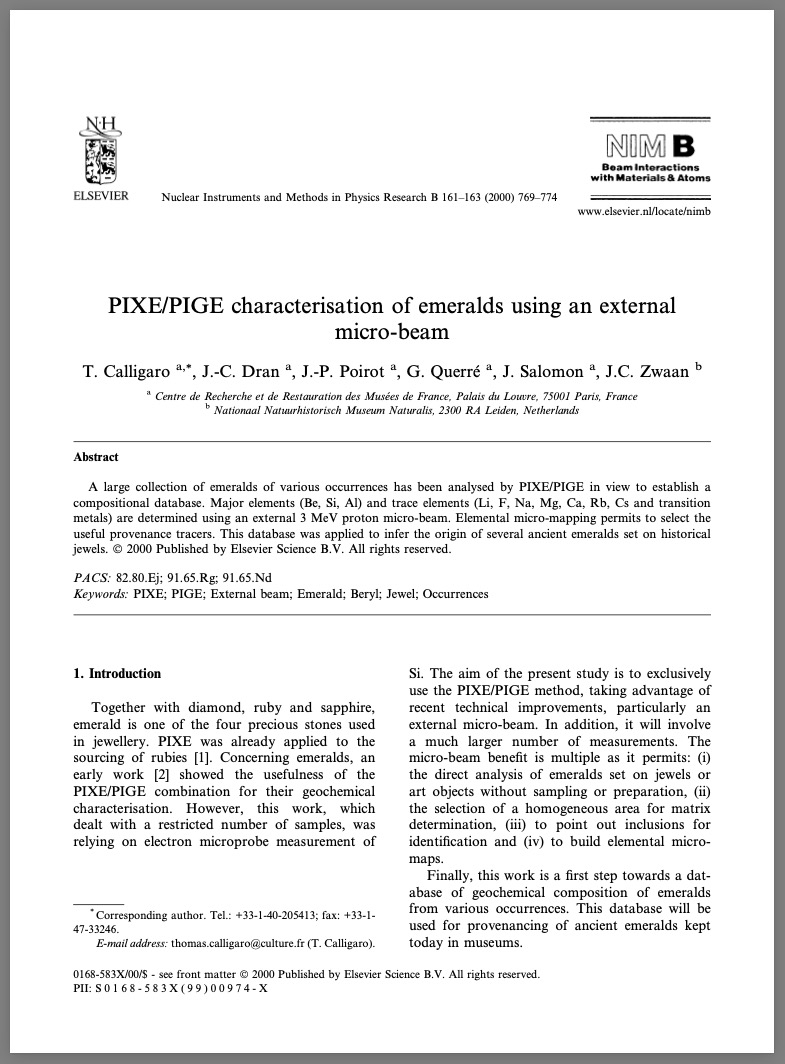
A large collection of emeralds of various occurrences has been analysed by PIXE/PIGE in view to establish a compositional database. Major elements (Be, Si, Al) and trace elements (Li, F, Na, Mg, Ca, Rb, Cs and transition metals) are determined using an external 3 MeV proton micro-beam. Elemental micro-mapping permits to select the useful provenance tracers. This database was applied to infer the origin of several ancient emeralds set on historical jewels.

Somaliland: A potential gem producer in the Mozambique Belt
Journal Article
Kinnaird, J.A. and Jackson, B. (2000) Somaliland: A potential gem producer in the Mozambique Belt. Journal of Gemmology, Vol. 27, No. 3, pp. 139–154.
Record No. 26717  |  ISBN/ISSN: 221252  |  Sinkankas/Born No.: NIS/NIB  |  RWHL
Gem-quality minerals such as emerald, ruby, sapphire, aquamarine, garnet, and amethyst have been found recently in Somaliland. The majority of the gemstones are derived from pegmatitic host rocks related to late granite intrusions within the Mozambique orogenic belt, which extends through the centre of Somaliland in an east-west zone. Where pegmatites cross-cut biotite and amphibole schists, emeralds may occur, whereas aquamarines are more common when pegmatites intersect migmatites and granite gneisses. Not all reported gemstones have been collected from known production sites, and minerals such as rubies, sapphires, opal, and pyrope or almandine garnet likely originate from a variety of rock types. Most gemstones are extracted from solid, unweathered rock using rudimentary recovery methods. The importance of gemstones in the Mozambique orogenic belt has already been recognized in Kenya, Tanzania, Sri Lanka, India, and Madagascar. The identification of this belt’s extension into Somaliland is therefore of considerable significance, suggesting untapped potential for a wide range of gemstone production, which remains to be fully assessed.

Gemstones: Symbols of Beauty and Power
Book
Gübelin, E.J. and Erni, F.-X. (2000) Gemstones: Symbols of Beauty and Power. Tucson, Geoscience Press, 240 pp.
Record No. 16696  |  ISBN/ISSN: 945005369  |  Sinkankas/Born No.: NIS/NIB  |  RWHL
This gorgeous coffee table book is distinguished from many other gem books by providing both a visually stunning format as well as an in depth geological perspective. Over 370 gloriously colorful photographs of gems and painstaking descriptions of their creation within the earth's crust give you intimate knowledge of gems. Additional chapters cover jeweled treasures used by royalty, historically important jewels, and gemstone lore.

Nuclear microscopic studies of inclusions in natural and synthetic emeralds
Journal Article
Yu, K.N., Tang, S.M. and Tay, T.S. (2000) Nuclear microscopic studies of inclusions in natural and synthetic emeralds. X-Ray Spectrometry, Vol. 29, pp. 178–186.
Record No. 8103  |  RWHL

Synthetic gem materials and simulants in the 1990s

Journal Article
Koivula, J.I., Tannous, M. and Schmetzer, K. (2000) Synthetic gem materials and simulants in the 1990s. Gems & Gemology, Vol. 36, No. 4, Winter, pp. 360–379.
Record No. 5365  |  ISBN/ISSN: 0016626X  |  RWHL
The 1990s witnessed important developments in the commercial viability of gem-quality synthetic diamonds. Improvements in, and new applications for, existing synthesis pr ocesses in the production of colored stones such as ruby, sapphire, emerald, quartz, and alexandrite have had an impact as well. The development and commercialization of a variety of new synthetics and simulants, such as synthetic moissanite and flux-grown synthetic spinel, also played an important role in shaping the past decade for the gem and jewelry industry.

Exploring the Literature of Emerald

Emerald literature spans gemology, mineralogy, deposits, identification, treatments, synthesis, history and the gem trade, with important sources covering deposits around the world.

For a curated guide to this subject, read Green Fire — Lotus Gemology's Guide to the Literature of Emerald.

About Four Treasures

Four Treasures is Lotus Gemology's freely accessible gemological reference database. Use the full database to search by author, title or keyword and explore literature on gemology, mineralogy, jewelry and related fields. Where available, hyperlinks on titles may lead directly to the full publication.

Search the Complete Four Treasures Database