Emerald Bibliography

Emerald Bibliography

Explore books, articles and historical sources on emerald in Four Treasures, the Lotus Gemology reference database. This bibliography brings together matching records from the collection, with publication details, abstracts and cover images where available.

Emerald References

The list below matches the terms emerald or emeralds in the database's searchable fields. Some references discuss emeralds as part of a broader subject.
521–540 of 851 matching references

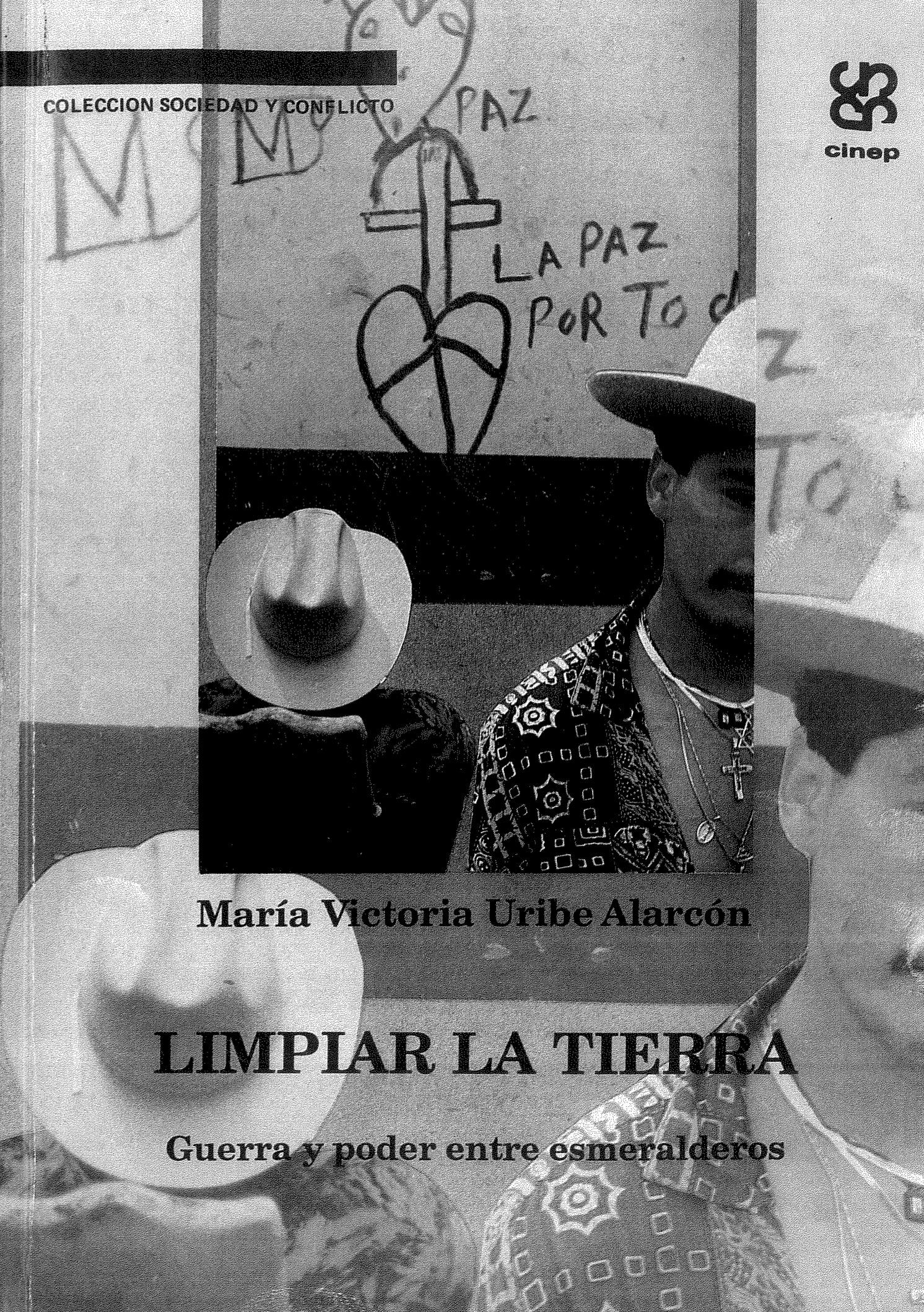
Limpiar la Tierra | Guerra y Poder Entre Esmeraleros
Clean the Earth | War and Power Between Emeralds
Book
Uribe Alarcón, M.V. (1992) Limpiar la Tierra | Guerra y Poder Entre Esmeraleros. [Clean the Earth | War and Power Between Emeralds] Bogotá, Cinep, 150 pp.
Record No. 16982  |  ISBN/ISSN: 9586440168  |  Sinkankas/Born No.: NIS/NIB  |  Language: in Spanish  |  RWHL
Discusses the drug wars in Colombia that have often involved members of the emerald trade.

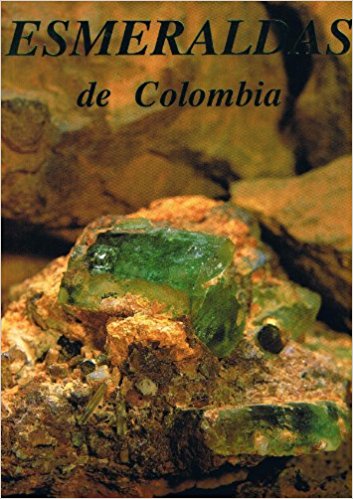
Esmeraldas de Colombia

Emeralds of Colombia
Book
Rodríguez Vargas, G. (1992) Esmeraldas de Colombia. [Emeralds of Colombia] Bogotá, Compañía Litográfica Nacional : Editorial Colina : Fundación Fondo Educativo de Boyacenses en Bogotá, 174 pp.
Record No. 7408  |  ISBN/ISSN: 9586380696  |  Sinkankas/Born No.: NIS/NIB  |  Language: in Spanish  |  RWHL

Emeralds from Madagascar

Journal Article
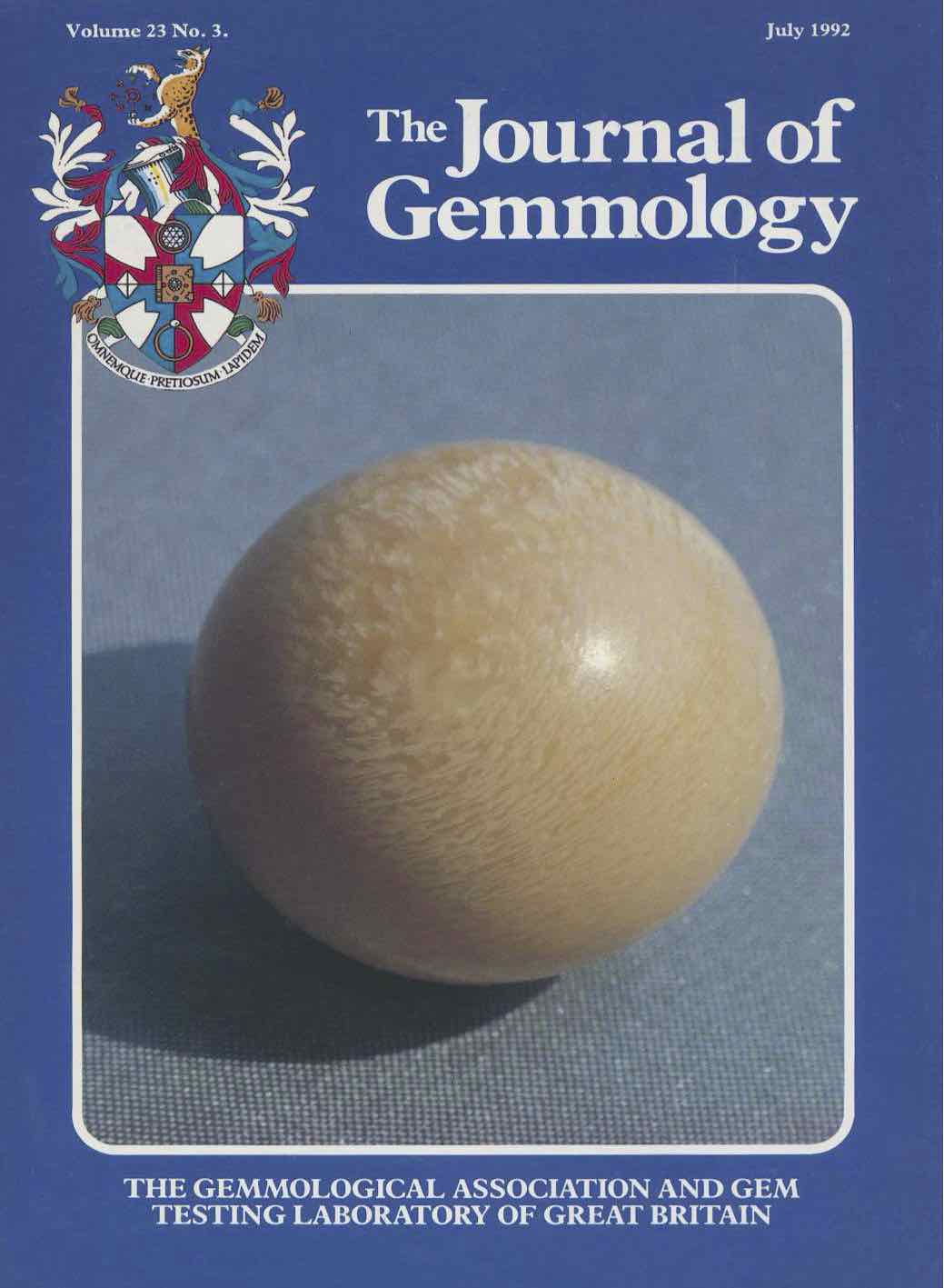
Schwarz, D. and Henn, U. (1992) Emeralds from Madagascar. Journal of Gemmology, Vol. 23, No. 3, pp. 140–149.
Record No. 6049  |  ISBN/ISSN: 221252  |  RWHL

Emeralds Around the World

Book
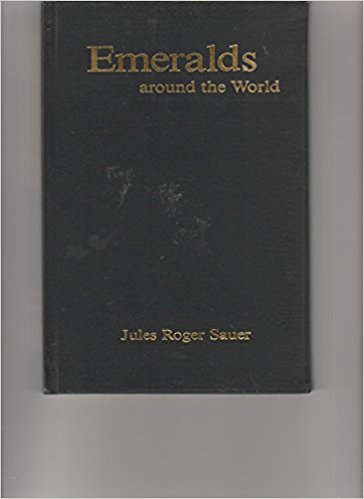
Sauer, J.R. (1992) Emeralds Around the World. Rio de Janeiro, 160 pp.
Record No. 2577  |  Sinkankas/Born No.: NIS/NIB  |  RWHL

Die chemischen Eigenschaften der Smaragde II, Australien und Norwegen
The chemical properties of the emerald II, Australia and Norway
Journal Article
Schwarz, D. (1991) Die chemischen Eigenschaften der Smaragde II, Australien und Norwegen. [The chemical properties of the emerald II, Australia and Norway] Zeitschrift der Deutschen Gemmologischen Gesellschaft, Vol. 40, No. 1, pp. 39–66.
Record No. 4199  |  Sinkankas/Born No.: NIS/NIB  |  Language: in German  |  RWHL
The second installment of Schwarz’s systematic study of the chemical properties of emeralds from different geographic sources, dealing with material from Australia and Norway. Norwegian specimens are from Eidsvoll near Lake Mjøsa, while the Australian material represents several occurrences, including Pilangoora, Wodgina, Calvert White Quartz Hill, Warda Warra, Melville, Torrington, Emmaville and Menzies. Chemical analyses are used to compare major and trace-element compositions and to evaluate variations among deposits and against previously studied Brazilian emeralds. Schwarz notes, among other distinctions, generally lower magnesium contents than in Brazilian material. The paper demonstrates the usefulness of chemical composition, considered together with gemological properties, for characterizing emeralds and assessing their geographic origin.

Die chemischen Eigenschaften der Smaragde III. Habachtal/Österreich und Uralgebirge/UdSSR
The chemical properties of the emerald III. Habachtal/Austria and Ural Mountains/USSR
Journal Article
Schwarz, D. (1991) Die chemischen Eigenschaften der Smaragde III. Habachtal/Österreich und Uralgebirge/UdSSR. [The chemical properties of the emerald III. Habachtal/Austria and Ural Mountains/USSR] Zeitschrift der Deutschen Gemmologischen Gesellschaft, Vol. 40, No. 2/3, pp. 103–143.
Record No. 4198  |  Sinkankas/Born No.: NIS/NIB  |  Language: in German  |  RWHL
The third installment of Schwarz’s comparative study of the chemical properties of emeralds from different deposits, here treating Habachtal, Austria, and the Ural Mountains of the USSR. After reviewing the regional geology, occurrence and genesis of emerald at the two localities, Schwarz presents chemical data and compares the ranges and average concentrations of the principal minor and trace constituents. Particular attention is given to variations in chromium, iron, magnesium and sodium, demonstrating compositional differences both within and between the two deposits. The study evaluates chemical composition as an aid to characterizing emerald populations and determining geographic origin, while placing the analytical results within their geological and genetic settings.

Minerals and gems in Indian alchemy

Journal Article
Ray, M. (1991) Minerals and gems in Indian alchemy. Indian Journal of History of Science, Vol. 26, No. 2, pp. 133–154.
Record No. 3177  |  RWHL
The Indian alchemical literature in Sanskrit and Tamil refers to the multi-dimensional use of a wide variety of minerals. The most important are: (A) mica, calamine, copper-pyrite, tourmaline, iron-pyrite, copper-sulphate, bitumen and lapis lazuli, called superior minerals and (8) orpiment, alum. sulphur, realgar, tinstone or cassiterite, red-ochre, antimony and iron-sulphate, called subsidiary minerals. An interesting aspect relates to the purifications of these minerals with a view to importing to them the necessary qualities for alchemical operations leading to the preparation of elixir" and such other medicinal compo itions. Yet another aspect is concerned with the extraction of what is in alchemical literature as their "essence". the chemical details of which are not exactly clear. The other types of minerals are classed under the heading gems. They are: ruby, pearl, coral, emerald. topaz. diamond, sapphire. zircon and eat's eye, nine in number. Even these gems are subjected to various processes in order to obtain their essences. Several apparatuses and contrivances were being designed and used for conducting necessary operations. Refreshingly, some of the alchemical text also mention the distribution and characteristics of various minerals including gems. thus revealing the technical knowledge of those involving the preparation of several mineral-based medicinal compositions. The paper attempts to discuss these and allied aspects pertaining in the minerals and gems as embodied in the various texts in Sanskrit, called the "Rasa.Siistra". The Indian alchemical literature in Sanskrit and Tamil refers to the multi-dimensional use of a variety of minerals. The pre-eminence of minerals as alchemical substance is first recognized in the famous sayings in Rasaratmikara of Nagarajuna of c. 8th cent. A.D. Attributing minerals with some wonderful properties of conversion of base metals into higher metals. The subsequent periods evince extensive study of minerals started with the search for essential substances for attaining perfection in preparation of elixir to a wide extent. Alchemical literature in India from c. 8th cent. A.D. onwards abounds in details of minerals and gems in regard to physical traits, places of origin in some cases, categorization into superior and inferior,"

Gemmology

Book
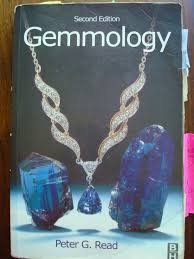
Read, P.G. (1991) Gemmology. Oxford, Butterworth-Heinemann, 358 pp.
Record No. 1471  |  Sinkankas/Born No.: NIS/NIB  |  RWHL

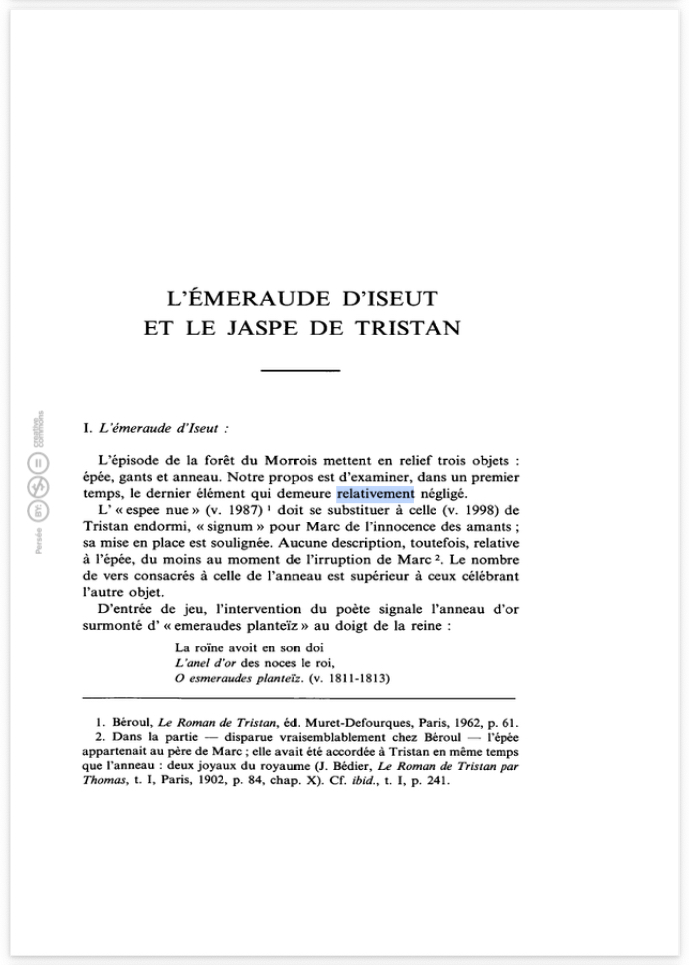
L’émeraude ­d’Iseut et le jaspe de Tristan

Iseult’s emerald and Tristan’s jasper
Journal Article
Sasaki, S. (1990) L’émeraude ­d’Iseut et le jaspe de Tristan. [Iseult’s emerald and Tristan’s jasper] Romania, Vol. 111, Nos. 443–444, pp. 361–384.
Record No. 28062  |  Sinkankas/Born No.: NIS/NIB  |  Language: in French  |  RWHL
The episode of the Forest of Morrois highlights three objects: the sword, the gloves, and the ring. Our aim is first to examine the last of these, which has remained relatively overlooked. The “bare sword” (v. 1987) is meant to replace the one (v. 1998) belonging to the sleeping Tristan, serving as a signum for Marc of the lovers’ innocence; its placement is emphasized. However, there is no description of the sword itself, at least not at the moment of Marc’s intrusion. By contrast, the number of lines devoted to the ring surpasses those celebrating the other object.

Gem localities of the 1980s

Journal Article
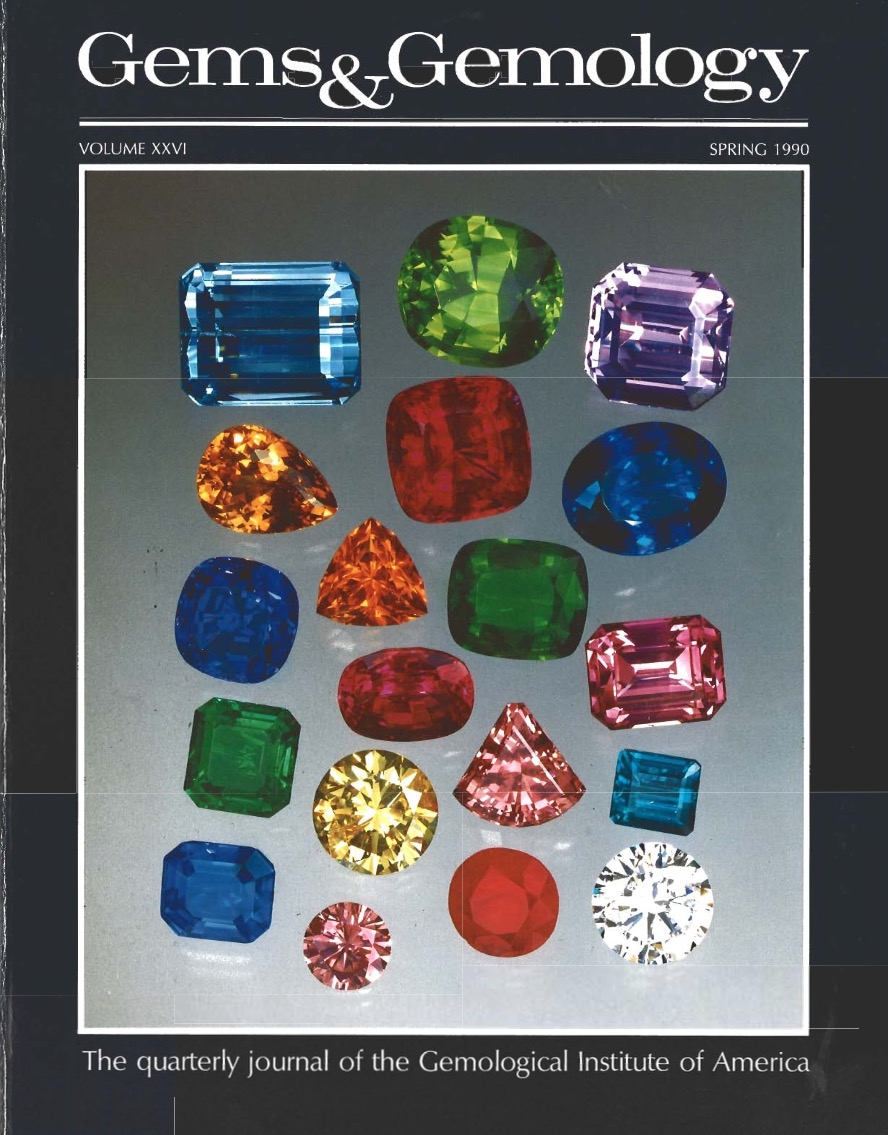
Shigley, J.E., Dirlam, D.M., Schmetzer, K. and Jobbins, E.A. (1990) Gem localities of the 1980s. Gems & Gemology, Vol. 26, No. 1, Spring, pp. 4–31.
Record No. 26754  |  Sinkankas/Born No.: NIS/NIB  |  RWHL
The 1980s witnessed significant developments in the discovery of new sources for diamonds and colored gemstones, alongside increased production at many established mining sites. This article highlights important new finds and major gem-producing localities from the decade, offering brief descriptions of each and assessing their impact on the jewelry industry. Additionally, it includes an index of key recent publications related to these gemstone occurrences.

Star rhodolite garnet from Tanzania

Journal Article
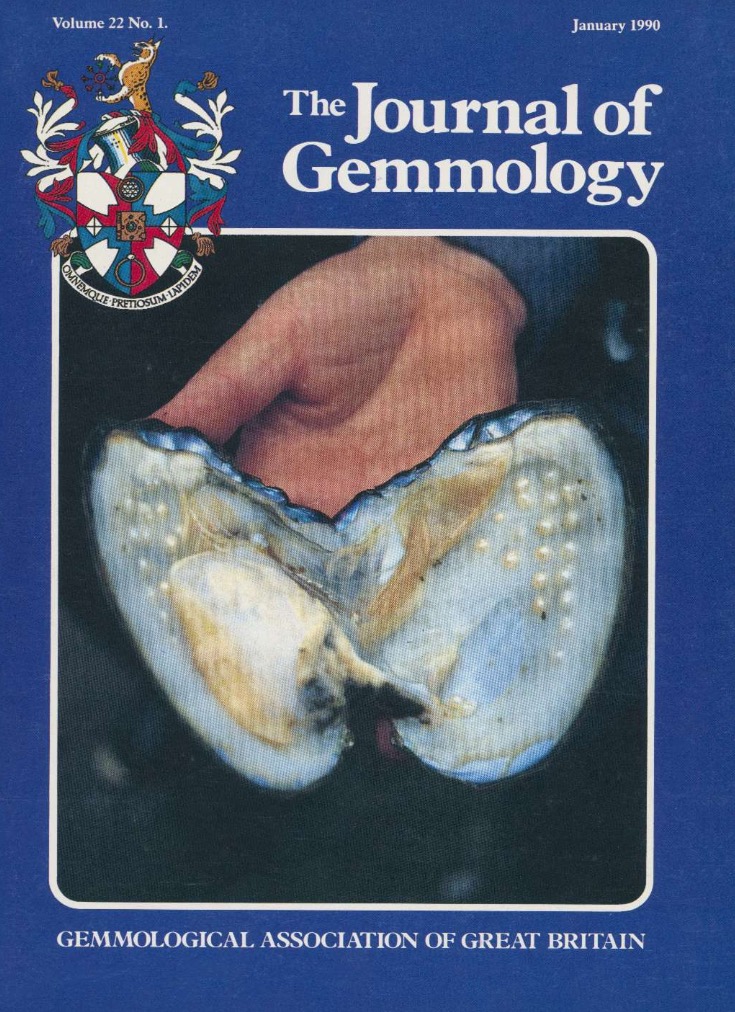
Kammerling, R.C. and Koivula, J.I. (1990) Star rhodolite garnet from Tanzania. Journal of Gemmology, Vol. 22, No. 1, pp. 16–18.
Record No. 26707  |  ISBN/ISSN: 221252  |  Sinkankas/Born No.: NIS/NIB  |  RWHL
This article describes the first reported occurrence of asteriated rhodolite garnet from Tanzania and details the specimen’s gemmological properties. Acicular rutile crystals are well-known inclusions in almandine garnets (Webster, 1983; Gübelin and Koivula, 1986; Liddicoat, 1987), and when fashioned en cabochon, stones with a relatively dense and even distribution of these needle-like inclusions may exhibit asterism, typically as a four- or six-rayed star. Sources of star almandine garnet include India (Webster, 1983; Rohrbach, 1986) and the Emerald Creek area of Idaho, USA (Zeitner, 1986; Rohrbach, 1986). Rhodolite, a reddish-purple to purple garnet composed of a mixture of almandine and pyrope, was first described from North Carolina, USA (Hidden and Pratt, 1898), and is also found in Sri Lanka (Webster, 1983), a major commercial source (Federman, 1984). In recent decades, African localities such as Zimbabwe (Campbell, 1972), Madagascar (Campbell, 1973), and Tanzania (Phillips, 1962; Sinkankas, 1968; Sarofim, 1970; Pough, 1973) have also produced rhodolite, with Tanzania now serving as an important commercial source (Federman, 1984). Like almandine, rhodolite from several sources may contain acicular rutile inclusions (Campbell, 1972; Webster, 1983), though few references have noted these inclusions producing asterism in rhodolite (Rohrbach, 1986). The authors recently examined a rhodolite garnet cabochon that displayed a four- or six-rayed star, depending on the viewing angle. The stone was cut from rough purchased and fashioned by Mr. Barton Curren of Glyptic Illusions, Topanga, California, USA, from a Tanzanian parcel reportedly originating from the Kangala mine. According to Curren, the rough was relatively inexpensive due to its higher inclusion content compared to other Tanzanian rhodolite he had previously acquired.

New sources for tourmaline, emerald, ruby, and spinel
Journal Article
Bank, H. and Henn, U. (1990) New sources for tourmaline, emerald, ruby, and spinel. ICA Gazette, April, p. 7.
Record No. 7608  |  RWHL

Les gisements d'émeraude de la Cordillère Orientale de la Colombie: Nouvelles données métallogéniques
The emerald deposits of the Eastern Cordillera of Colombia: New metallogenic data
Journal Article
Giuliani, G., Rodriguez, C.T. and Rueda, F. (1990) Les gisements d'émeraude de la Cordillère Orientale de la Colombie: Nouvelles données métallogéniques. [The emerald deposits of the Eastern Cordillera of Colombia: New metallogenic data] Mineralium Deposita, Vol. 25, No. 2,, 5/1/90 pp. 105–111.
Record No. 6078  |  ISBN/ISSN: 14321866  |  DOI: 10.1007/BF00208852  |  Sinkankas/Born No.: NIS/NIB  |  Language: in French  |  RWHL
Emerald deposits of Colombia are confined to lower Cretaceous shales of the Eastern Cordillera. The tectonic pattern of the deposits is related to deep reverse and large regional fault systems. Hydrofracturing is the main factor controlling emerald mineralization. It permitted to the hydrothermal solutions to permeate through fractures but also along stratification planes forming in this case stratabound mineralizations. Emerald occurs in calcite veins, veinlets, pockets and brecciated zones associated mainly with pyrite, quartz, parisite, codazzite and fluorite. Emerald mineralization belongs to an epigenetic hydrothermal process. The alternance of arenite-shale formations in the Cretaceous probably played an important role in the accumulation of solutions and in the propagation of the hydrothermal channels. The origin of emerald involves chemical elements mobilized by the fluids in the Cr-V-Fe-Al-Si-bearing black shales. The source of beryllium remains a problem and is discussed in the paper.

The Pharoahs’ forgotten emerald mines
Journal Article
Grubessi, O., Aurisicchio, C. and Castiglioni, A. (1990) The Pharoahs’ forgotten emerald mines. Journal of Gemmology, Vol. 22, No. 3, July, pp. 164–177.
Record No. 6068  |  ISBN/ISSN: 221252  |  RWHL
The aim of latest expedition to Djebel Sikeit and Djebel Zabarah by the brothers Angelo and Alfredo Castiglioni was the re-discovery of the Pharaoh's emerald mines. The Castiglioni expedition was successful in the re-discovery of these forgotten ancient mines and has collected samples and documents on these famous deposits of precious stones, providing emer- ald specimens of great interest to gemmologists and archaeologists, as will be revealed in this paper.

Emeraude: L’enfer de Colombie

Emerald: The Hell of Colombia
Book
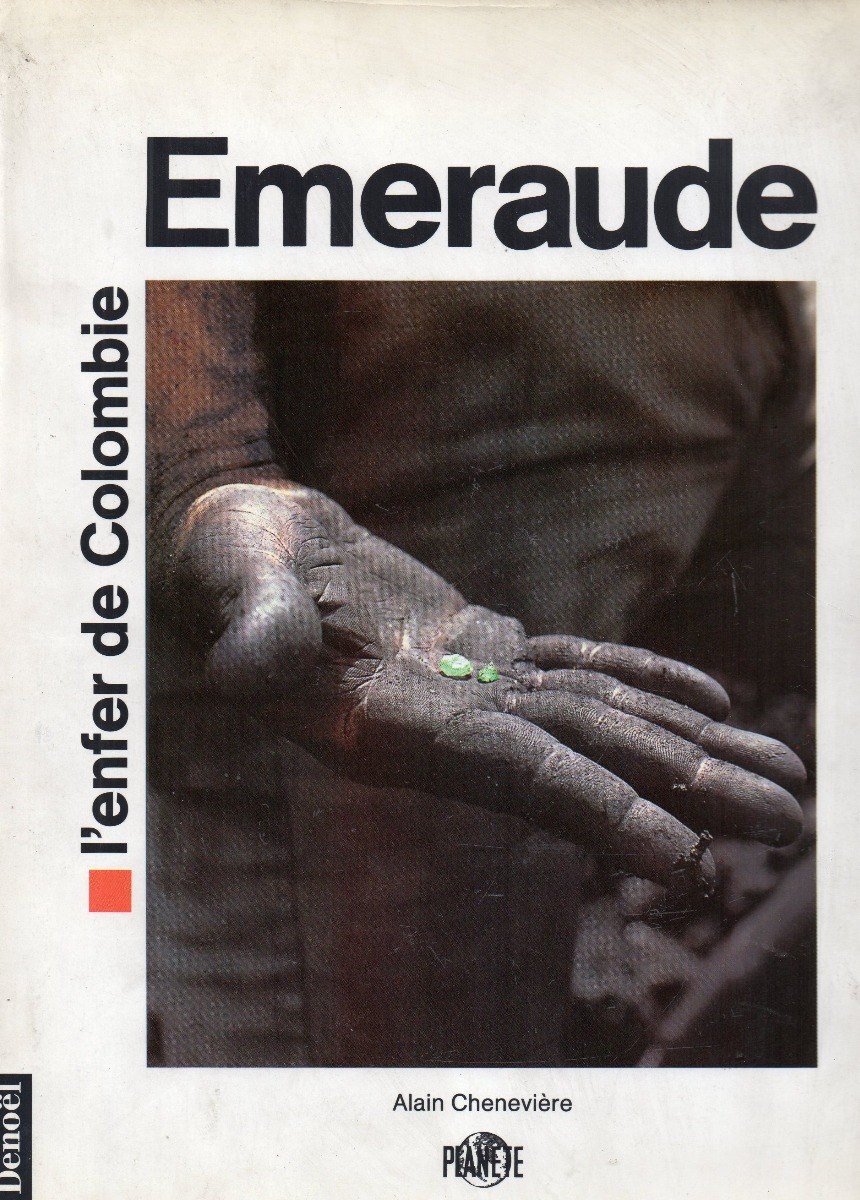
Chenevière, A. (1990) Emeraude: L’enfer de Colombie. [Emerald: The Hell of Colombia] Paris, Editions Denoël, 120 pp.
Record No. 4238  |  ISBN/ISSN: 2207237788  |  Language: in French  |  RWHL
Coffee-table style photo essay on the emeralds from Colombia, with some lovely photography of the mines at Muzo, markets, trading and cutting in Bogota. The last few pages offer a bit of gemological information about emerald and where it is found around the world. This book is valuable mainly for the photos.

Die brasilianischen Smaragde und ihre Vorkommen: Santa Terezinha de Goiás/GO.
The brazilian emeralds and their deposits: Santa Terezinha de Goiás, GO
Journal Article
Schwarz, D. (1990) Die brasilianischen Smaragde und ihre Vorkommen: Santa Terezinha de Goiás/GO. [The brazilian emeralds and their deposits: Santa Terezinha de Goiás, GO] Zeitschrift der Deutschen Gemmologischen Gesellschaft, Vol. 39, No. 1, pp. 13–44.
Record No. 4200  |  Language: In German  |  RWHL

Beryl—a potential indicator of pressure of hydrothermal processes of mineral formation
Journal Article
Lebedev, A.S. (1990) Beryl—a potential indicator of pressure of hydrothermal processes of mineral formation. Proceedings of the 15th General Meeting of the International Mineralogical Association, Beijing 1990, Abstracts, Vol. 2, pp. 527–528.
Record No. 2384  |  RWHL

Synthetische smaragde aus Australien (synthetische 'Pool emeralds')
Synthetische 'Pool emeralds'
Journal Article
Bank, H., Henn, Ulrich and Lind, T. (1989) Synthetische smaragde aus Australien (synthetische 'Pool emeralds'). [Synthetische 'Pool emeralds'] Zeitschrift der Deutschen Gemmologischen Gesellschaft, Vol. 38, pp. 11–16.
Record No. 1964  |  Sinkankas/Born No.: NIS/NIB  |  Language: In German  |  RWHL
Examines the Australian hydrothermally grown synthetic emerald marketed as the “Pool Emerald.” The authors describe its gemological properties, chemical composition, absorption characteristics and diagnostic internal features, with emphasis on separation from natural emerald. Pool emeralds show features characteristic of hydrothermal growth, including distinctive growth structures and inclusions. Chemical analysis indicates relatively high chlorine and magnesium contents, while alkalis are low or absent—features later studies also found characteristic of this material. The paper provides practical criteria for recognizing Pool synthetic emeralds and documents an important Australian contribution to commercial hydrothermal emerald synthesis during the 1980s.

As inclusões cristalinas e fluidas da esmeralda de Santa Terezinha de Goiás seu significado geológico
The crystalline and fluid inclusions of the emerald of Santa Terezinha de Goiás their geological meaning
Conference Paper
Mendes, J.C. and Svisero, D.P. (1988) As inclusões cristalinas e fluidas da esmeralda de Santa Terezinha de Goiás seu significado geológico. [The crystalline and fluid inclusions of the emerald of Santa Terezinha de Goiás their geological meaning] ANAIS: XXXV Congresso Brasileiro de Geologia, Belém pp. 398–412.
Record No. 7801  |  Sinkankas/Born No.: NIS/NIB  |  Language: in Spanish  |  RWHL
Emeralds from Santa Terezinha de Goiás, a major global producer, contain a diverse range of primary inclusions identified through X-ray diffraction, energy dispersive analysis, and electron microprobe techniques. These inclusions include chromite, dolomite, magnesite, talc, phlogopite, pyrite, quartz, beryl, barite, patronite, ferropargasite, anthophyllite-cummingtonite, epidote, melanterite, and dumortierite, which reflect the metamorphic nature of the host rocks. Chromite, the most characteristic inclusion, appears as isolated or clustered idiomorphic crystals that exhibit a distinctive red-brown hue under magnification. Carbonates like dolomite and magnesite occur as rhombohedral crystals, while talc is present as dispersed flakes. Other notable inclusions include yellow cubic pyrite, phlogopite (less common than in emeralds from Itabira and Socotó), idiomorphic beryl, and quartz filling fractures. Barite and patronite are rare, while epidote, cummingtonite-anthophyllite, dumortierite, and melanterite were detected only in mixtures via X-ray methods. Fluid inclusions, visible only at high magnifications, contain gas, liquid, and solid phases. The observed inclusions align with the paragenesis of the metamorphic country rocks, and chemical analysis indicates significant variations in the crystallization conditions of these emeralds.

Emeralds from Somondoco, Colombia: Chemical composition, fluid inclusions and origin

Journal Article
Kozlowski, A., Metz, P. and Jaramillo, H.A.E. (1988) Emeralds from Somondoco, Colombia: Chemical composition, fluid inclusions and origin. Neus Jahrbuch für Mineralogie – Abhandlungen, Vol. 159, No. 1, pp. 23–49.
Record No. 6074  |  RWHL
Emeralds from the district Somondoco (Colombia) were analyzed by electron microprobe, colorimetry (Be), emission spectrography (Li), and thermogravimetry and infrared absorption (H₂O). They typically show the following atomic substitutions (per 18 oxygens): 0.13–0.21 Al in the SiO₄ tetrahedra, 0.14–0.40 for the sum of Cr, V, Fe, Mg in the AlO₆ octahedra, and 0.02–0.06 Li plus 0.00–0.170 in the BeO₄ tetrahedra; the “channel” alkalis, mostly Na, total 0.13–0.29. Fluid inclusions in these emeralds contain liquid H₂O, liquid CO₂, daughter crystals of halite and calcite (?), and liquid and gaseous hydrocarbons. The behaviour of the fluid inclusions on freezing and heating and their frequent decrepitation, stretching, and leaking are described. Temperatures of homogenization (Th) values are ≥ 470 °C, but only those close to the lower limit seem unaffected by inclusion stretching, etc. A roughly estimated pressure (≤ 1 kbar) would require a pressure correction of about 100 °C to the Th values. The total salt concentration in fluid inclusions is close to 40 wt.%, and the dissolved salt composition inferred from the electron microprobe analyses of the precipitates from decrepitated inclusions is probably: Cl, Na > Ca, Si, Al, (C) > Fe, K, Mg > Mn, Ti. The behaviour of other possible components in the mineral-forming process is also discussed. It is calculated that beryllium fixed in emeralds makes up only 0.2 to 1 wt.% of the total Be in the emerald-bearing rocks and veins. The proposed model of the origin of emeralds involves only components mobilized from the country rocks, without recourse to a deep-seated or magmatic source.

Exploring the Literature of Emerald

Emerald literature spans gemology, mineralogy, deposits, identification, treatments, synthesis, history and the gem trade, with important sources covering deposits around the world.

For a curated guide to this subject, read Green Fire — Lotus Gemology's Guide to the Literature of Emerald.

About Four Treasures

Four Treasures is Lotus Gemology's freely accessible gemological reference database. Use the full database to search by author, title or keyword and explore literature on gemology, mineralogy, jewelry and related fields. Where available, hyperlinks on titles may lead directly to the full publication.

Search the Complete Four Treasures Database