Emerald Bibliography

Emerald Bibliography

Explore books, articles and historical sources on emerald in Four Treasures, the Lotus Gemology reference database. This bibliography brings together matching records from the collection, with publication details, abstracts and cover images where available.

Emerald References

The list below matches the terms emerald or emeralds in the database's searchable fields. Some references discuss emeralds as part of a broader subject.
561–580 of 851 matching references

Mineral inclusions in Zambian emeralds
Journal Article
Koivula, J.I. (1984) Mineral inclusions in Zambian emeralds. Australian Gemmologist, Vol. 15, No. 7, August, pp. 235–239.
Record No. 4190  |  RWHL

Inclusions in Biron synthetic emeralds
Journal Article
Brown, G. and Snow, J. (1984) Inclusions in Biron synthetic emeralds. Australian Gemmologist, Vol. 15, No. 5, pp. 167–170.
Record No. 2381  |  RWHL

Russian hydrothermal synthetic emeralds
Journal Article
Koivula, J.I. (1984) Russian hydrothermal synthetic emeralds. Gems & Gemology, Vol. 20, No. 4, Winter, p. 245.
Record No. 1991  |  ISBN/ISSN: 0016626X  |  RWHL
Recently submitted to both the Los Angeles and New York offices of GIA'S Gem Trade Laboratory, Inc., were several faceted examples of a sophisticated type of synthetic emerald. The stones resemble in many ways synthetic emeralds of Russian hydrothermal manufacture that were recently obtained by Mr. Thomas Chatham in Hong Kong (see figure 2) and generously provided by Mr. Chatham to the Los Angeles lab for research.

Gems and Jewels: A Connoisseur’s Guide
Book
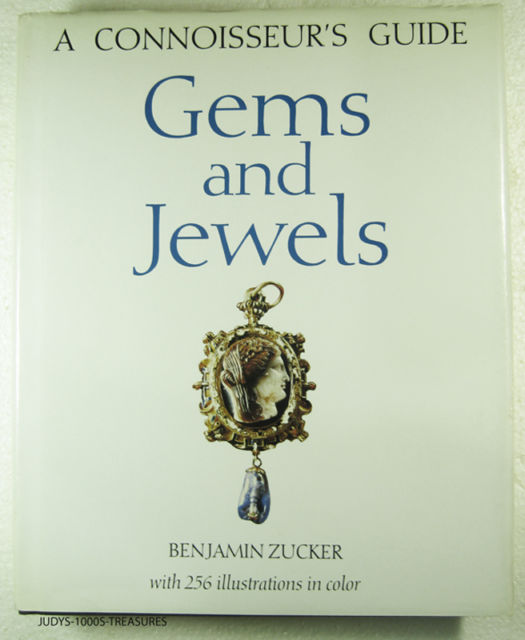
Zucker, B. (1984) Gems and Jewels: A Connoisseur’s Guide. New York, Thames and Hudson, 248 pp.
Record No. 1922  |  Sinkankas/Born No.: 7454; NIB  |  RWHL
Sinkankas: A large, handsome, and well-made book based on the author’s choices of what he considers to be the principal gemstones, namely, ruby, sapphire, emerald (but not aquamarine), diamond, pearl, amber (!), lapis lazuli (!), jade, turquoise (!), opal, and garnet. Absent are tourmaline, topaz, amethyst, etc., all of which seem to be at least as “principal” as some of those named. Each chapter, one per gemstone, gives history, lore, sources, lapidary treatment, qualities, sizes, etc., all of which on the whole provide an accurate and well-rounded discussion of each stone. Groups of color photos accompany each gemstone and show mainly cut specimens and gems as set in antique to modern jewelry pieces. Generally the color photos are good but some, notably among emeralds, opals, and garnets, are not faithful reproductions of true colors. The bibliography is very good although author John Sinkankas is misspelled twice. Widely divergent reviews, e.g., M. J. O’Donoghue, J. Gemm., 19, 8, 1985, 735, “poor knowledge of gemstones shown by author … many careless misspellings, etc.”; in contrast, rev. in G & G, 21, 4, 1985, 251 is uniformly laudatory.

Neues vom Smaragd-Vorkommen von Sta. Terezinha de Goiás, Goiás, Brasilien
News from the emerald deposit of Santa Terezinha de Goiás, Goiás, Brazil
Journal Article
Hänni, H.A. and Kerez, C.J. (1983) Neues vom Smaragd-Vorkommen von Sta. Terezinha de Goiás, Goiás, Brasilien. [News from the emerald deposit of Santa Terezinha de Goiás, Goiás, Brazil] Zeitschrift der Deutschen Gemmologischen Gesellschaft, Vol. 32, No. 1, pp. 50–58.
Record No. 6053  |  Language: in German  |  RWHL
Hänni and Kerez report gemological and mineralogical investigations of emerald crystals and host rocks from the then-new Santa Terezinha de Goiás deposit in Brazil. The emeralds occur as hexagonal prismatic crystals in talc and biotite schists and range from light to dark green, commonly with a bluish cast. Refractive indices range from 1.585–1.587 to 1.592–1.595, birefringence from 0.006 to 0.008, and specific gravity from 2.752 to 2.764. Electron-microprobe examination identified characteristic solid inclusions of dolomite and picotite (chromian spinel). Many crystals contain internal fractures but lack the liquid films or feather-like inclusions typical of some other emerald deposits. The authors also describe mining conditions: the original southern workings had been largely abandoned in favor of better material found about 500 m to the north, where numerous small claims were worked by blasting and the material transported to washing sites on the Rio Peixe.

A Guide to Man-made Gemstones

Book
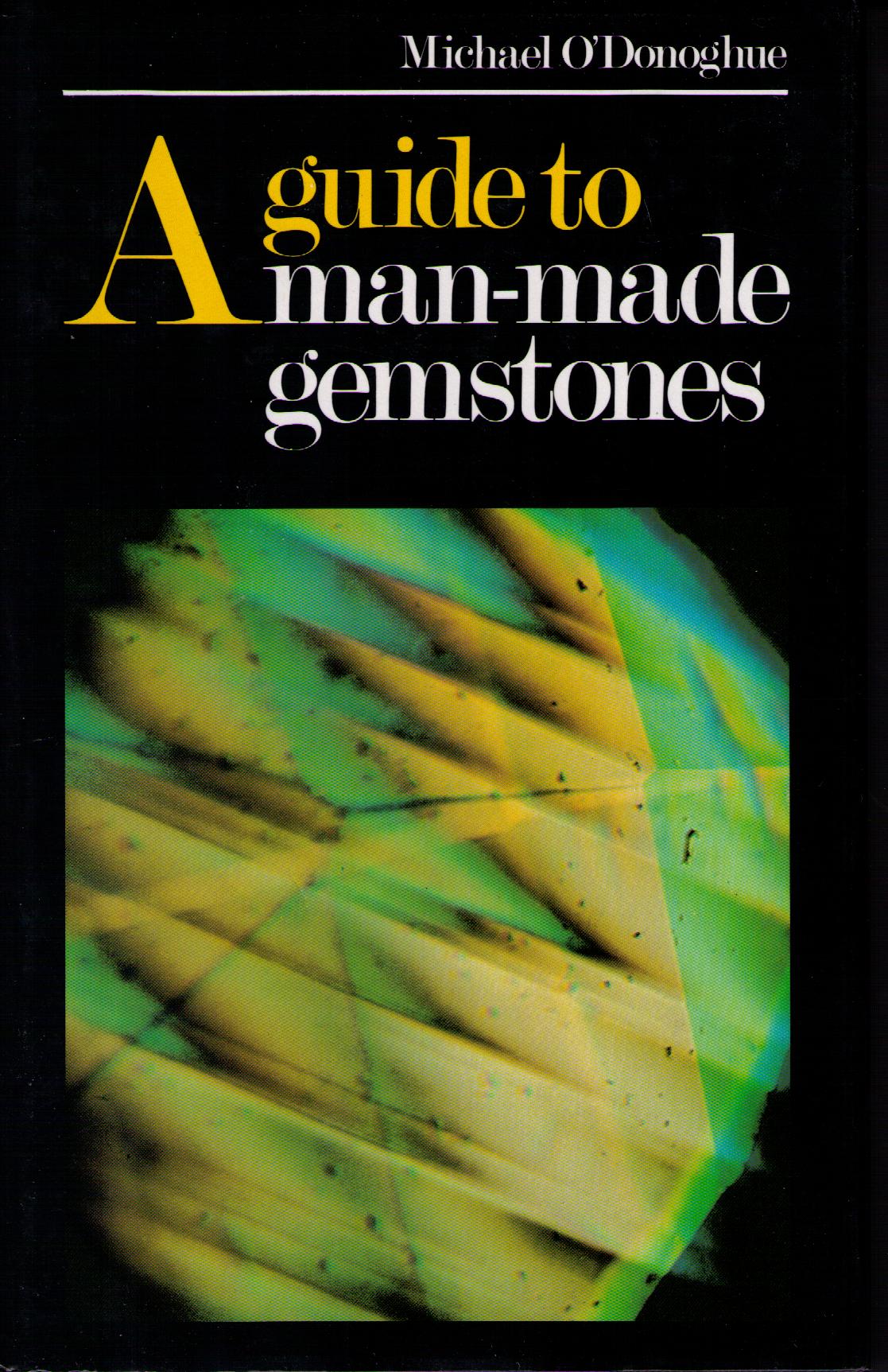
O’Donoghue, M. (1983) A Guide to Man-made Gemstones. New York, Van Nostrand Reinhold, 223 pp.
Record No. 2206  |  Sinkankas/Born No.: 4839  |  RWHL
Featuring color photos by E.J. Gübelin, this is a basic gemological guide to the major synthetic gem materials.

Gem Trade Lab notes: Emerald

Journal Article
Fryer, C.W., Crowningshield, G. Robert, Hurwit, K. and Kane, R. (1983) Gem Trade Lab notes: Emerald. Gems & Gemology, Vol. 10, No. 4, Winter, pp. 105–113.
Record No. 1977  |  ISBN/ISSN: 0016626X  |  RWHL

Emeralds from Brazil

Book Section
Sauer, D.A. (1982) Emeralds from Brazil. In: International Gemological Symposium Proceedings, Santa Monica, CA.: Gemological Institute of America, pp. 357–377.
Record No. 28078  |  RWHL

VNR Color Dictionary of Minerals & Gemstones
Book
O’Donoghue, M. (1982) VNR Color Dictionary of Minerals & Gemstones. New York, Van Nostrand Reinhold, 159 pp.
Record No. 16694  |  ISBN/ISSN: 442374319  |  RWHL
First published ... as part of the “Encyclopedia of Minerals and Gemstones”

Islamic Jewelry in the Metropolitan Museum of Art
Book
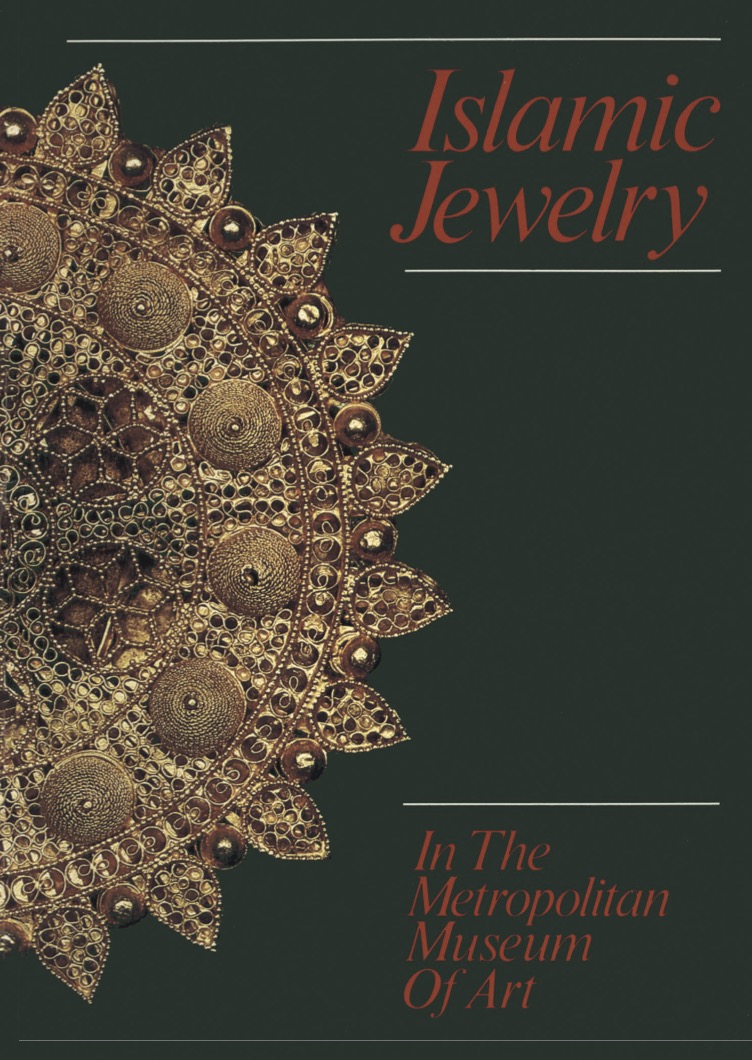
Jenkins, M. and Keene, M. (1982) Islamic Jewelry in the Metropolitan Museum of Art. New York, Metropolitan Museum of Art, 160 pp.
Record No. 6250  |  RWHL
The geographical vastness of the Muslim world and the myriad historical and cultural developments that have taken place there during its more than thirteen hundred years of artistic production make any attempt to survey even one of the arts of Islam a complex affair. Two important factors, however, combine to mitigate the challenge. One is that Islam unites artists as far apart as Spain and Malaysia, bringing a cohesion that is remarkable considering the geographic, political, economic, ethnic, and linguistic variety encompassed. Second, the Islamic empire inherited regions in which significant stylistic amalgamation had already taken place, and itself unified an unprecedented expanse of the earth’s surface; this further facilitated cultural exchange through trade and travel, which resulted in a remarkable spreading and sharing of styles and techniques. In this dynamic, ongoing process, stylistic amalgams interacted with one another, subsequently giving rise to ever new stylistic syntheses. India serves well as a paradigm of this evolutionary process. Despite enormous and inexplicable chronological gaps in the extant jewelry of India, it is clear that the subcontinent is home to a jewelry-making tradition that is unique in the variety of its forms and techniques, a high percentage of which are living embodiments of ancient and medieval traditions. India was also increasingly impinged upon by Islamic styles over a period of some one thousand years. The combining of a remarkable amount of artistic invention in jewelry making with an equally remarkable fidelity to inherited traditions characterizes this evolutionary process. Thus, despite the unparalleled richness of indigenous creativity evidenced by representations of jewelry in paintings and on sculptures, as well as by extant jewelry, the impact of, for example, Hellenistic styles and technique following the conquests of Alexander the Great in the fourth century B.C. can be seen not only in Indian jewelry of immediately succeeding centuries (e.g., the material from the Taxila excavations) but also in that of the eighteenth, nineteenth, and twentieth centuries. And again, despite the absence of known extant Indian jewelry dating from the first centuries A.D. to the seventeenth century, it can be assumed that successive waves of Islamic influence were felt, starting perhaps as early as the eighth century A.D. Islamic style was itself by this time an amalgam that included elements from a wide variety of sources—probably including Indian traditions reemerging in new contexts. Early Islamic jewelry therefore reflects, technically as well as aesthetically and stylistically, the ancient, classical, Byzantine, Sasanian, and other traditions that survived in the regions which formed the Islamic empire. Like the changes that evolved in Indian jewelry, changes in Islamic jewelry as a whole reflect the impact of stimuli from neighboring cultures. This was a cumulative, continuous process that over the centuries resulted in the apparent paradox of, on the one hand, increasing synthesis of styles and, on the other, the development of ever greater regional characteristics. Among the more salient technical features of Islamic jewelry was the tendency to lightweight construction in silver and especially in gold. This was manifested in hollow boxlike construction and in the unparalleled development of the art of filigree. Aesthetically, the Islamic jeweler’s highest priority was beauty of overall design and harmony of color. The same impulse inspired all the arts of Islam, so that no matter how intricate the ornamental design of a carpet, an inlaid vessel, or a tiled building, detail never became an end in itself. Similarly, despite the fineness of the filigree and granulation work on a Fatimid jewelry piece, or the legendary size and value of the emeralds, rubies, or pearls in an Abbasid or Mughal piece, the main concern was always the coordination and orchestration of elements to create an overall effect—remarkably, one in which clarity of detail was not sacrificed to complexity of design. Further demonstration of this aesthetic is the fact that often the maker of a finely worked gold piece would use, in place of precious or semiprecious stones, materials such as glazed quartz or glass, which had the requisite color although virtually no intrinsic value (see nos. 25 and 30).

Tourmaline as an inclusion in Zambian emeralds
Journal Article
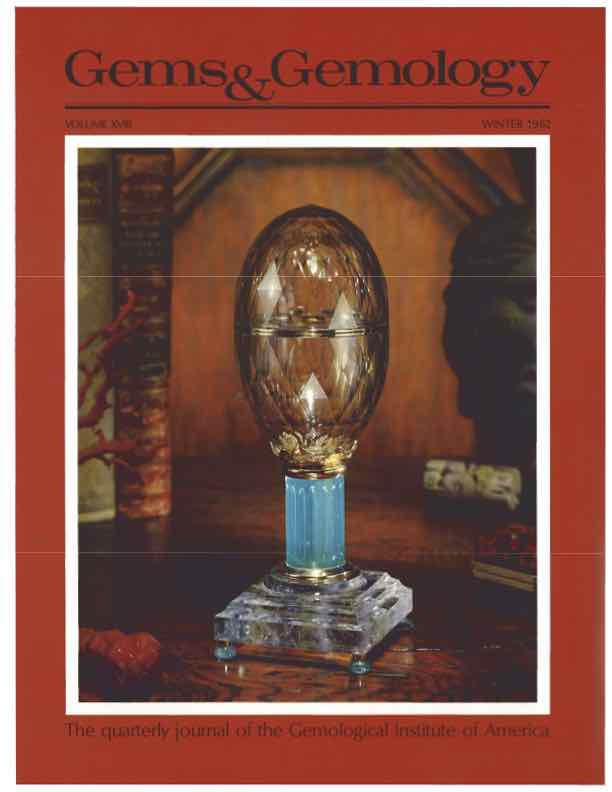
Koivula, J.I. (1982) Tourmaline as an inclusion in Zambian emeralds. Gems & Gemology, Vol. 18, No. 4, Winter, pp. 225–227.
Record No. 4191  |  ISBN/ISSN: 0016626X  |  RWHL
This article reports the identification of tourmaline crystals as inclusions in emeralds from Zambia, in south-central Africa. To under stand the paragenesis responsible for this unusual association, the geology of the area is reviewed. The gemological properties of these emeralds are also noted.

Treasure from the ghost galleon

Journal Article
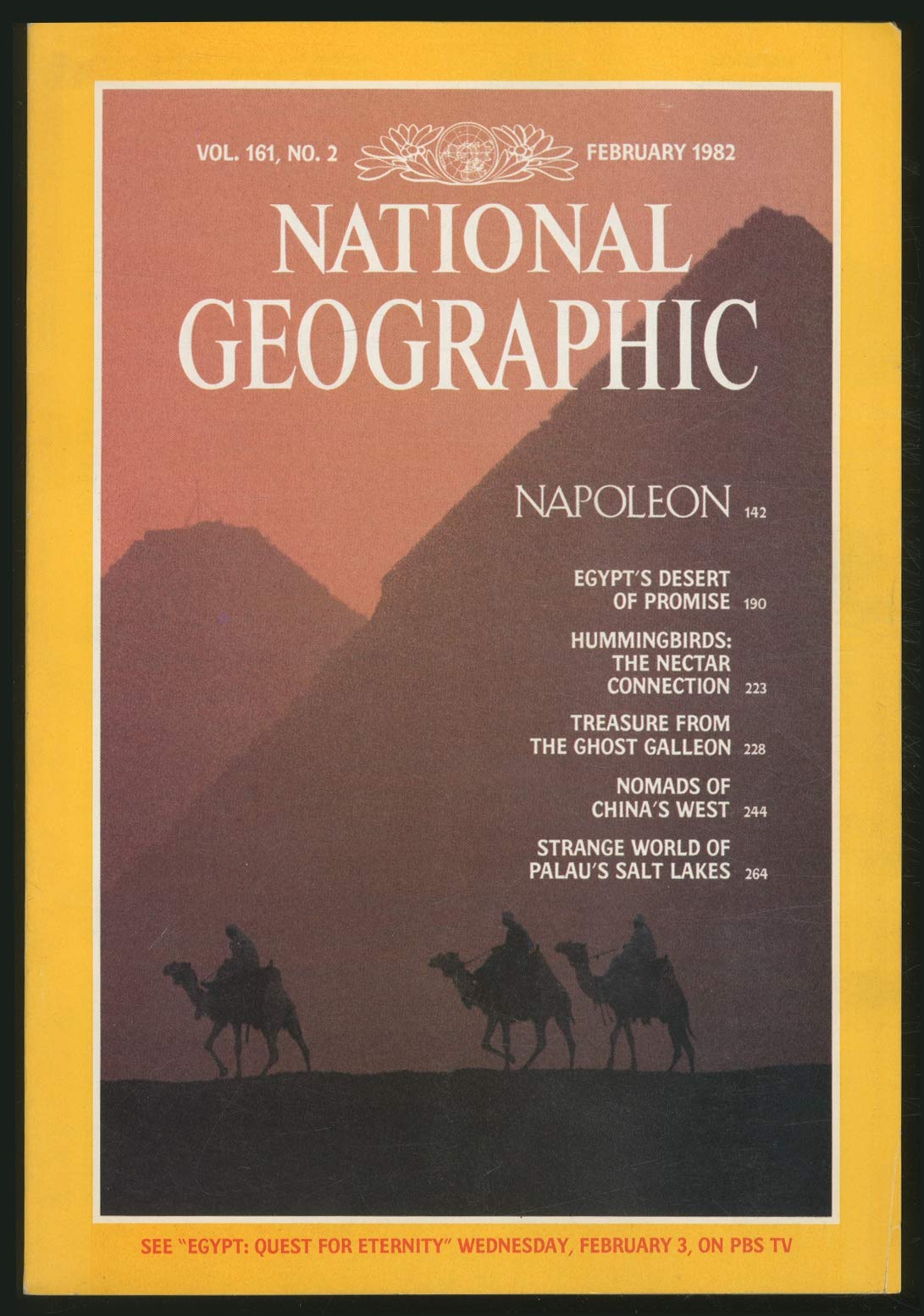
Lyon, E. (1982) Treasure from the ghost galleon. National Geographic, Vol. 161, No. 1, February, pp. 228–242.
Record No. 1996  |  RWHL
DAWN AWOKE THE FLEET to gale winds. These raked down from the northeast against the Gulf Stream current, stirring confused cross seas. Most of the passengers and soldiers aboard Santa Margarita, even the experienced sailors, were soon seasick. At first the fleet kept its sailing order: 28 vessels bound for Spain, carrying riches from the New World. As the day wore on, however, the wind rose to hurricane strength and the ships lost sight of each other amid towering, foam-whitened waves. Santa Margarita’s pilot, Diego Román, ordered sail reduced to no avail. With a great crack her mainmast broke; men struggled to cut it away. Finally the overstrained whipstaff and tiller splintered, leaving the ship helpless. At the mercy of wind and sea, in a night of fear, the treasure-laden galleon was swept onward. A midnight wind shift pushed her northward toward the reefs and shoals of the Florida Keys. As the terror of certain shipwreck grew upon Santa Margarita‘s people, they begged chaplain Ortiz and two Jesuit priests to confess them, so that they might not die in a state of sin. The chaplain then led them in a litany to Our Lady of Carmen, patroness of those who risk their lives upon the sea. Sunrise disclosed a frightening sight. Great rolling combers foamed over the Florida reef, then grew even steeper in the shallows beyond. The pilot ordered the last desperate expedient: dropping all the ship’s anchors. Even though her stout hawsers held, the anchors dragged, and the galleon was impelled, inexorably, toward a wide shoal. Bernardino de Lugo, Santa Margarita’s captain of infantry, looked about him and saw, struggling in the waves one league away, her sister galleon Nuestra Señora de Atocha. While he watched, it sank.

A contribution to the separability of natural and synthetic emeralds
Journal Article
Hänni, H.A. (1982) A contribution to the separability of natural and synthetic emeralds. Journal of Gemmology, Vol. 18, No. 2, April, pp. 138–144.
Record No. 1978  |  ISBN/ISSN: 221252  |  RWHL

The graphic sources for the Moor with the emerald cluster
Journal Article
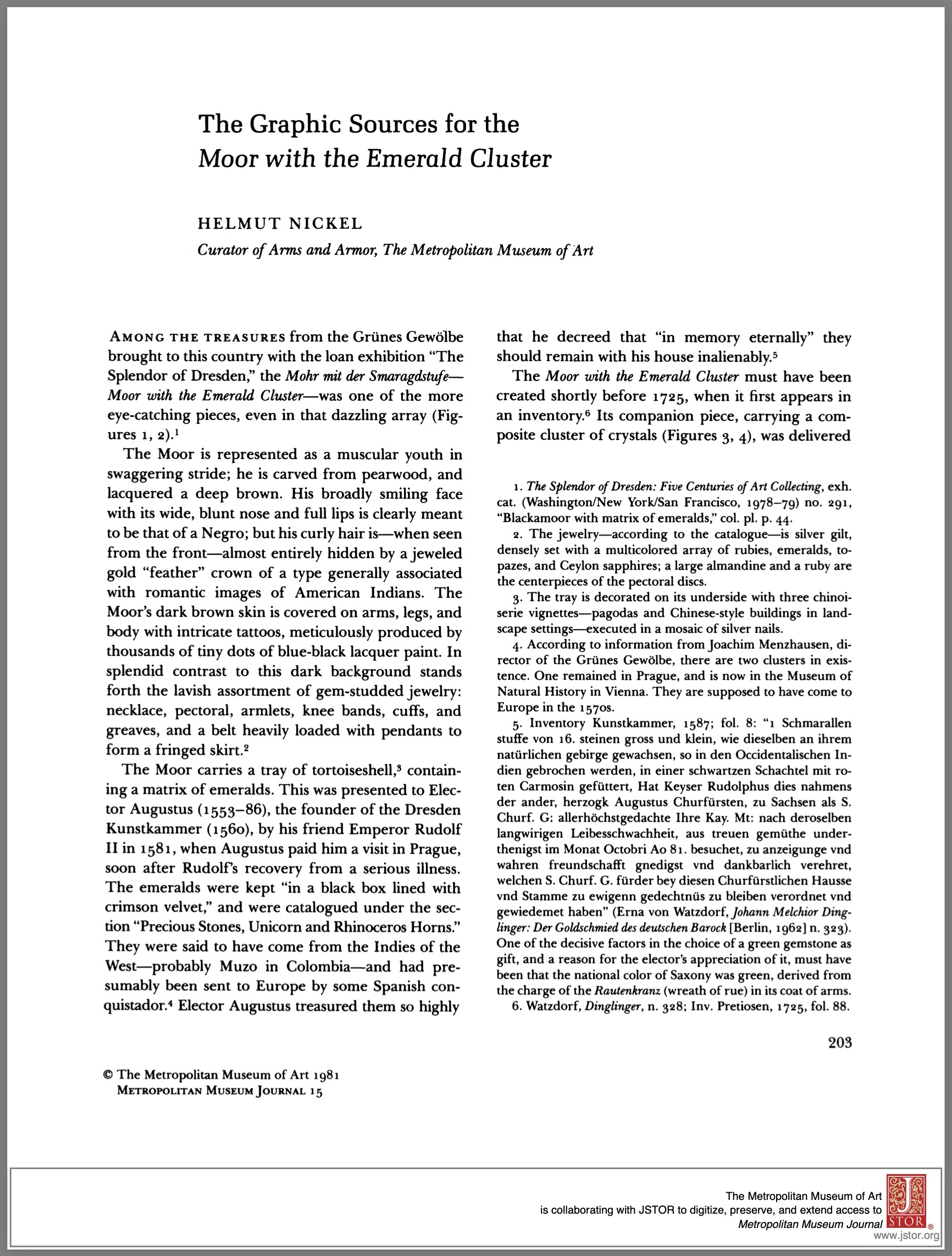
Nickel, H. (1981) The graphic sources for the Moor with the emerald cluster. Metropolitan Museum Journal, Vol. 15, pp. 203–210.
Record No. 28360  |  Sinkankas/Born No.: NIS/NIB  |  RWHL
Among the treasures from the Grünes Gewölbe brought to the United States in the loan exhibition The Splendor of Dresden, the Mohr mit der Smaragdstufe — “Moor with the Emerald Cluster” — was among the most striking objects, even within that dazzling assemblage (Figures 1–2).¹ The Moor is represented as a muscular youth striding forward with swaggering confidence. He is carved from pearwood and lacquered a deep brown. His broadly smiling face, with its wide blunt nose and full lips, was clearly intended to depict a Black African; yet his curly hair is — when viewed from the front — almost entirely concealed beneath a jewelled gold feather crown of a type more commonly associated with romanticized images of Native Americans. The Moor’s dark brown skin is covered over the arms, legs, and torso with intricate tattoo designs, meticulously executed through thousands of tiny dots of blue-black lacquer pigment. Set in splendid contrast against this dark surface is an extravagant display of gem-set jewellery: necklace, pectoral ornament, armlets, knee bands, cuffs, greaves, and a belt heavily laden with pendants forming a fringed skirt.² The figure carries a tray of tortoiseshell³ supporting a matrix of emerald crystals. This specimen had been presented to Elector Augustus of Saxony (1553–1586), founder of the Dresden Kunstkammer (1560), by his friend Rudolf II in 1581, when Augustus visited him in Prague shortly after Rudolf’s recovery from a serious illness. The emeralds were kept “in a black box lined with crimson velvet” and catalogued under the section “Precious Stones, Unicorn and Rhinoceros Horns.” They were said to have originated from the “West Indies” — probably from Muzo in present-day Colombia — and were presumably sent to Europe by a Spanish conquistador.⁴ Elector Augustus valued them so highly that he decreed they should remain forever, “in eternal memory,” inalienably attached to his house.⁵

Application to gem identification of fluorescence X-ray analysis
Journal Article
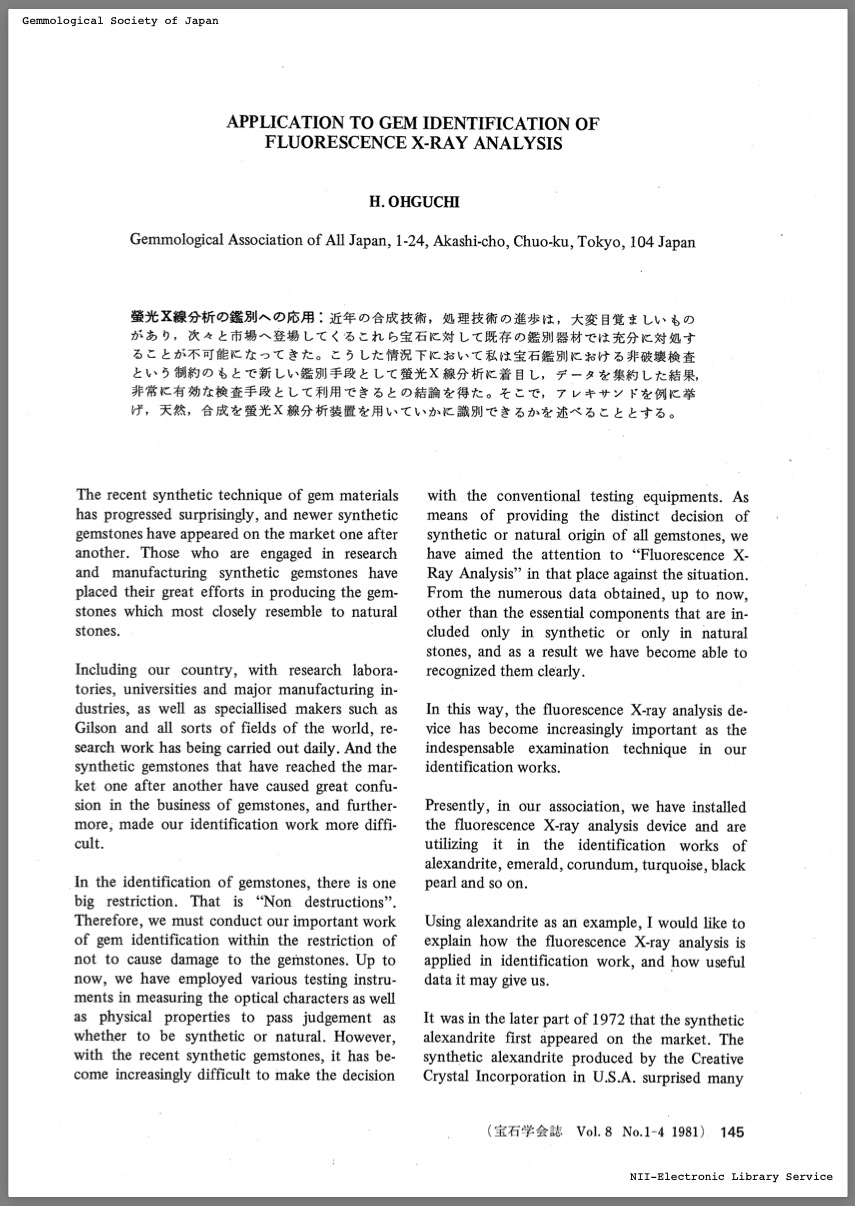
Ohguchi, H. (1981) Application to gem identification of fluorescence X-ray analysis. Journal of the Gemological Society of Japan, Vol. 8, No. 1–4, pp. 145–149.
Record No. 26952  |  DOI: https://doi.org/10.14915/gsjapan.8.1-4_145  |  Sinkankas/Born No.: NIS/NIB  |  RWHL
The recent synthetic technique of gem materials has progressed surprisingly, and newer synthetic gemstones have appeared on the market one after another. Those who are engaged in research and manufacturing synthetic gemstones have placed their great efforts in producing the gemstones which most closely resemble natural stones. Including our country, with research laboratories, universities, and major manufacturing industries, as well as specialized makers such as Gilson and all sorts of fields of the world, research work has been carried out daily. And the synthetic gemstones that have reached the market one after another have caused great confusion in the business of gemstones, and furthermore, made our identification work more difficult. In the identification of gemstones, there is one big restriction. That is “Non-destructiveness.” Therefore, we must conduct our important work of gem identification within the restriction of not causing damage to the gemstones. Up to now, we have employed various testing instruments in measuring the optical characters as well as physical properties to pass judgment as to whether a gemstone is synthetic or natural. However, with the recent synthetic gemstones, it has become increasingly difficult to make the decision with the conventional testing equipment. As means of providing the distinct decision of synthetic or natural origin of all gemstones, we have turned our attention to “Fluorescence X-Ray Analysis” in that place against the situation. From the numerous data obtained up to now, other than the essential components that are included only in synthetic or only in natural stones, and as a result, we have become able to recognize them clearly. In this way, the fluorescence X-ray analysis device has become increasingly important as the indispensable examination technique in our identification work. Presently, in our association, we have installed the fluorescence X-ray analysis device and are utilizing it in the identification work of alexandrite, emerald, corundum, turquoise, black pearl, and so on.

Gem News: Pakistan enters the gem scene
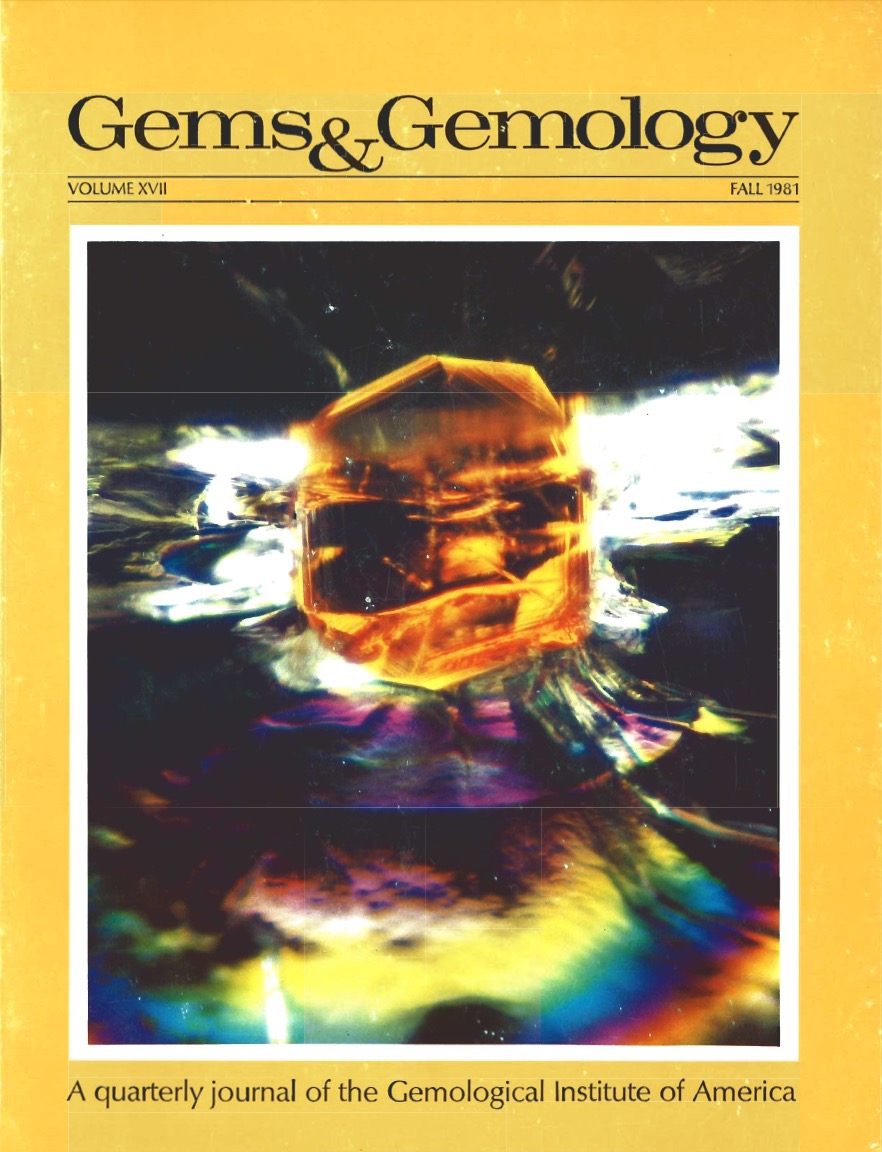
Journal Article
Gübelin, E.J. (1981) Gem News: Pakistan enters the gem scene. Vol. 17, No. 3, Fall, pp. 180–181.
Record No. 26759  |  Sinkankas/Born No.: NIS/NIB  |  RWHL
In recent years, the discovery of major emerald deposits in the Swat Valley and ruby in the rugged Hunza Valley has positioned Pakistan as both a gemstone producer and potential market leader. The country now yields a wide variety of gemstones, including emerald, ruby, spinel, topaz, aquamarine, chrome diopside, kunzite, garnet, chrome-tourmaline, and quartz, along with ornamental stones such as agate, chalcedony, jasper, sodalite, serpentine, turquoise, and nephrite. Among these, some of the finest emeralds originate from Swat, located in the foothills of the Hindu Kush range. The Gemstone Corporation of Pakistan, established in February 1979, has resumed operations to support the development of this growing sector. The article also discusses ruby, spinel, topaz, aquamarine, chrome diopside, kunzite, garnet, chrome tourmaline, quartz and ornamental gems.

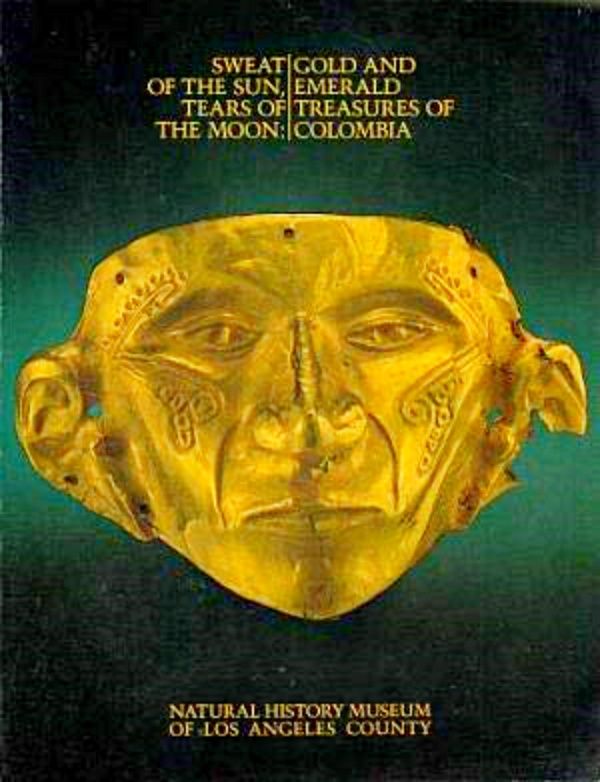
Sweat of the Sun, Tears of the Moon

Book
Natural History Museum of Los Angeles County (1981) Sweat of the Sun, Tears of the Moon. no city, Natural History Museum of Los Angeles County, 9 loose plates in a folder
Record No. 6366  |  Sinkankas/Born No.: NIS  |  RWHL
This is an oversized folder containing 9 leafs of color plates from the exhibit of the same name.

The emerald and the ruby/spinel resources of Pakistan
Journal Article
Gübelin, E.J. (1981) The emerald and the ruby/spinel resources of Pakistan. Journal of The Gemmological Society of Japan [宝石学会誌], Vol. 8, Nos. 1–4, pp. 61–66.
Record No. 2149  |  DOI: https://doi.org/10.14915/gsjapan.8.1-4_61  |  RWHL
Discusses the gem resources of Pakistan, including Swat emerald and ruby in Hunza.

The growth of synthetic and imitation gems
Book Section
Nassau, K. and Nassau, J. (1980) The growth of synthetic and imitation gems. In: Crystals: Growth, Properties and Applications, Berlin: Springer, Vol. 2 , pp. 1–50.
Record No. 7689  |  RWHL

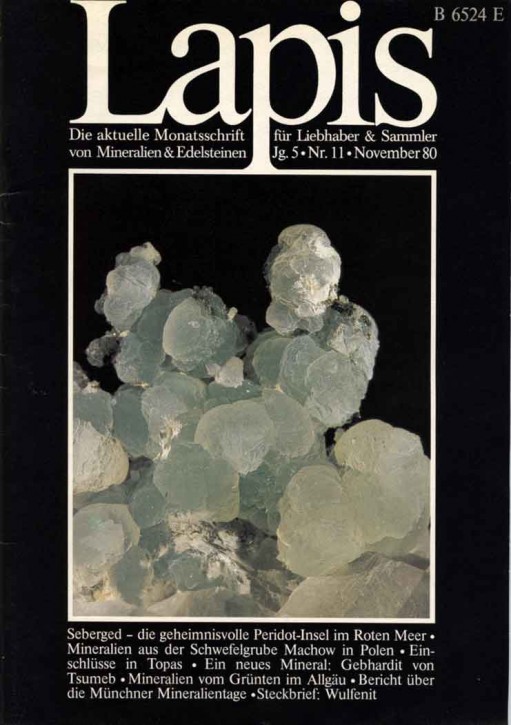
Seberged: Die Peridot-Insel im Roten Meer

Seberged: The peridot island in the Red Sea
Journal Article
Gübelin, E.J. (1980) Seberged: Die Peridot-Insel im Roten Meer. [Seberged: The peridot island in the Red Sea] Lapis, Vol. 5, No. 11, November, pp. 19–26.
Record No. 2152  |  Sinkankas/Born No.: NIS  |  Language: in German  |  RWHL
Gübelin describes Zabargad (Seberged, St. John’s Island) in the Red Sea, the celebrated ancient source of gem-quality peridot. He discusses the island’s geography and history, including the exploitation of its olivine deposits since antiquity and the long-standing confusion between peridot and emerald in early accounts, together with the geology and mineralogy of the deposit, the occurrence and recovery of peridot crystals, and the gemological characteristics of the material. The article provides both a historical and mineralogical account of one of the world’s classic gemstone localities and the source of many important historic peridots.

Exploring the Literature of Emerald

Emerald literature spans gemology, mineralogy, deposits, identification, treatments, synthesis, history and the gem trade, with important sources covering deposits around the world.

For a curated guide to this subject, read Green Fire — Lotus Gemology's Guide to the Literature of Emerald.

About Four Treasures

Four Treasures is Lotus Gemology's freely accessible gemological reference database. Use the full database to search by author, title or keyword and explore literature on gemology, mineralogy, jewelry and related fields. Where available, hyperlinks on titles may lead directly to the full publication.

Search the Complete Four Treasures Database