Treated Sapphire Inclusions
Explore treated sapphire inclusions in Hyperion, the Lotus Gemology inclusion database. Hyperion contains photomicrographs of inclusions and internal features in natural sapphires that have undergone treatment, documented with information on geographic origin, treatment, lighting conditions, field of view, photographer and published references.
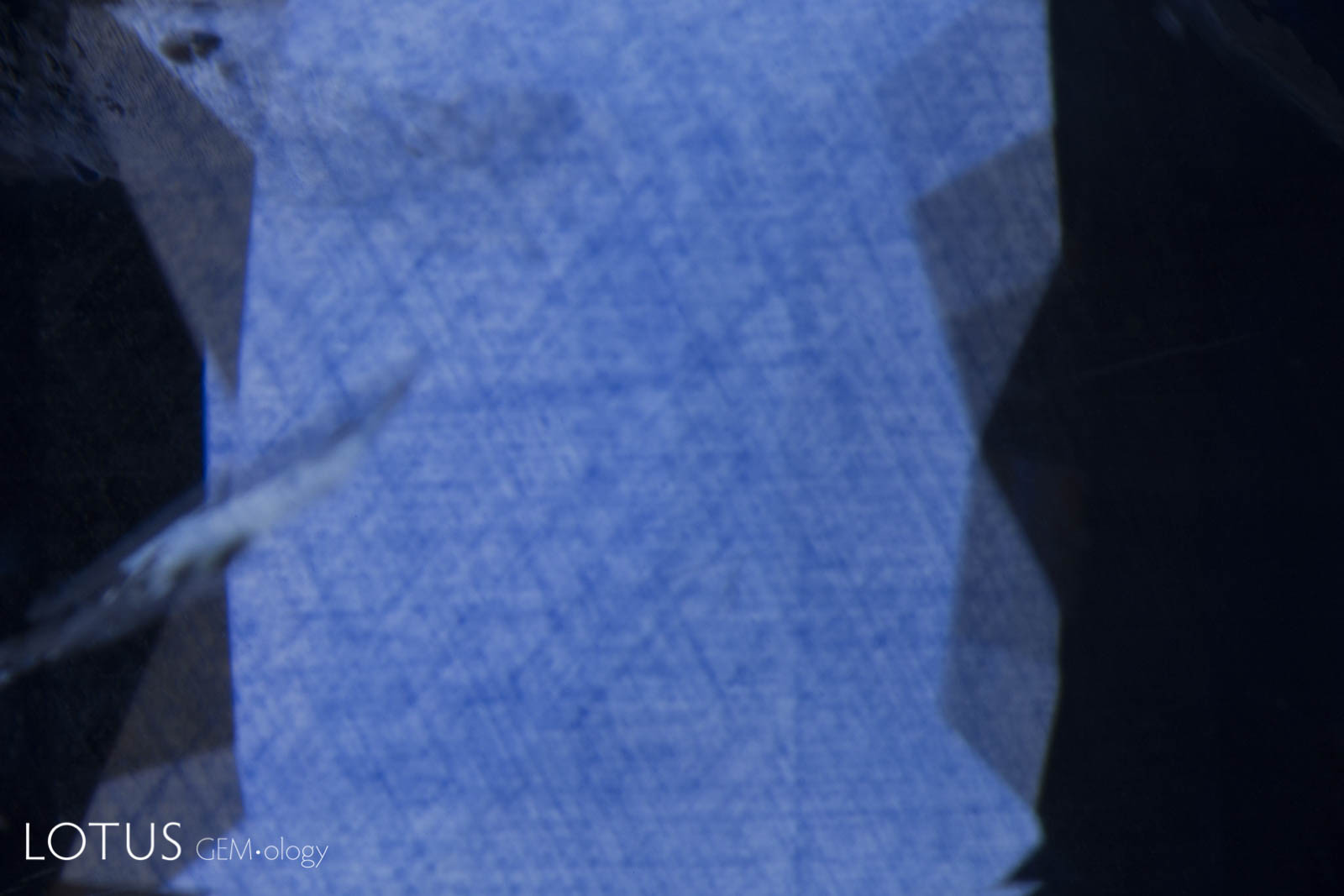
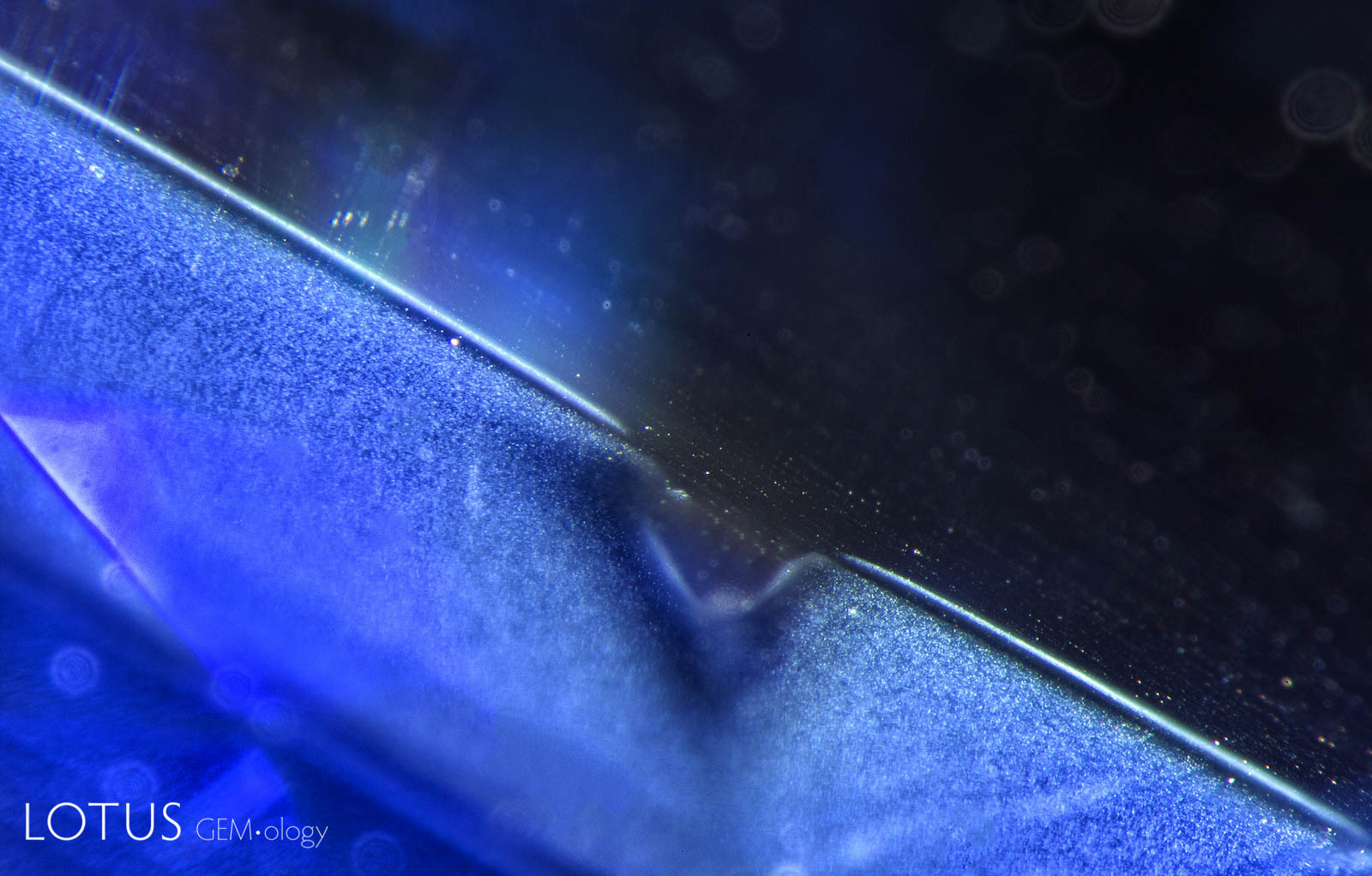
Rutile consists of titanium dioxide. When a sapphire containing exsolved rutile silk is heated, the rutile melts, sending the titanium back into solution, coloring the stone blue around the now partially dissolved silk. This creates a classic “inkspot” internal diffusion pattern, and is proof of high-temperature heat treatment.
Natural Sapphire •
Sri Lanka (Ceylon) •
Enhancements:
Heat (H) •
Lighting Conditions:
Fiber Optic: Transmitted
Photographer:
Richard W. Hughes •
Image Number:
A-001-0575-1
Koivula, J.I. (1987) Internal diffusion. Journal of Gemmology, Vol. 20, No. 7/8, pp. 474–477; RWHL*.
Internal diffusion in heat-treated Ceylon sapphire. This is caused by the bleeding of titanium into the surrounding sapphire from titanium-bearing inclusions such as rutile during high-temperature heat treatment.
Natural Sapphire •
Sri Lanka (Ceylon) •
Enhancements:
Heat (H) •
Lighting Conditions:
Fiber Optic: Oblique
Photographer:
Wimon Manorotkul •
Image Number:
A-001-0301-1
Koivula, J.I. (1987) Internal diffusion. Journal of Gemmology, Vol. 20, No. 7/8, pp. 474–477; RWHL*.
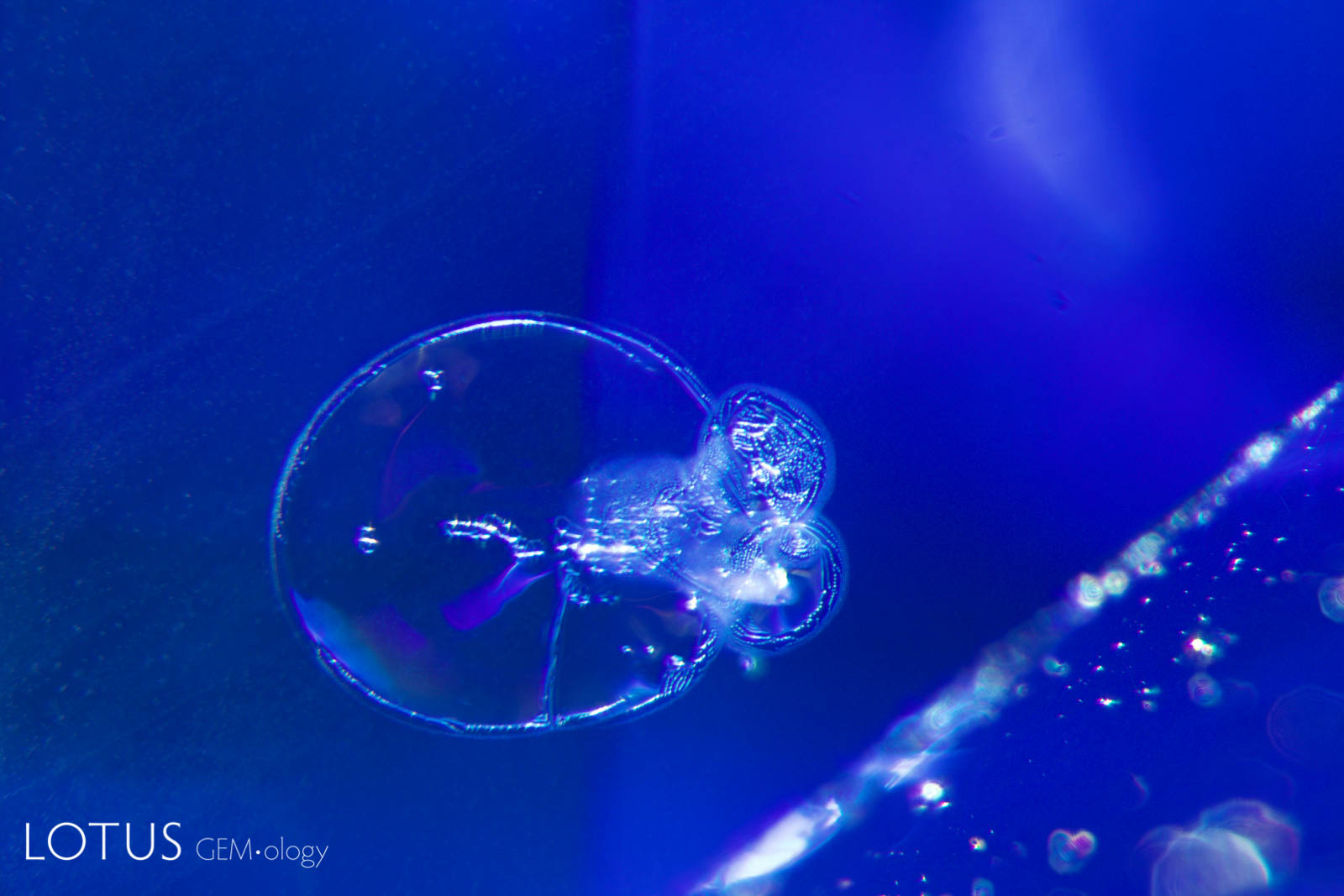
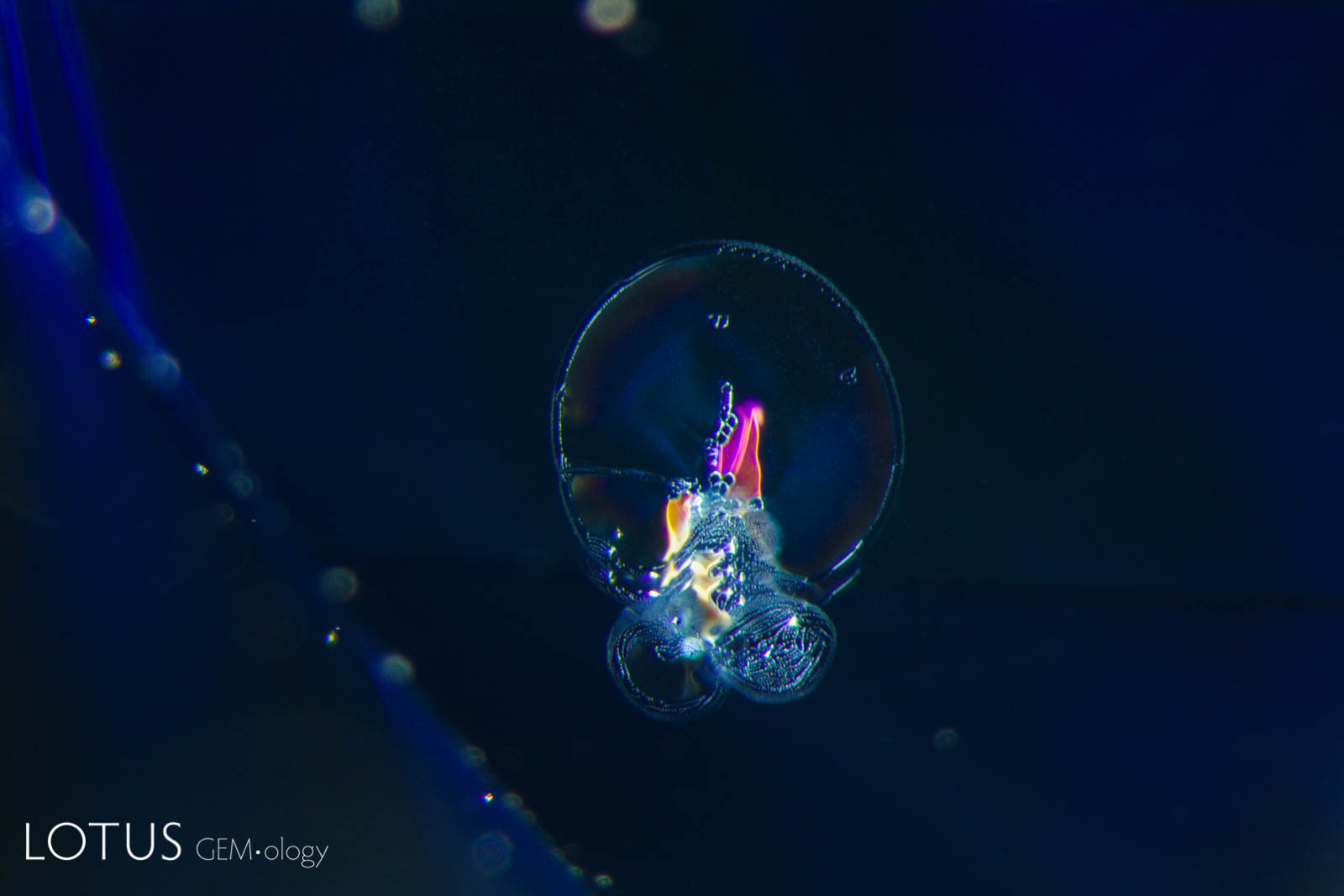
Glassy “discoid” inclusions in a heat-treated sapphire from Sri Lanka.
Natural Sapphire •
Sri Lanka (Ceylon) •
Enhancements:
Heat (H) •
Lighting Conditions:
Fiber Optic: Oblique
Photographer:
E. Billie Hughes •
Image Number:
A-001-0733-4
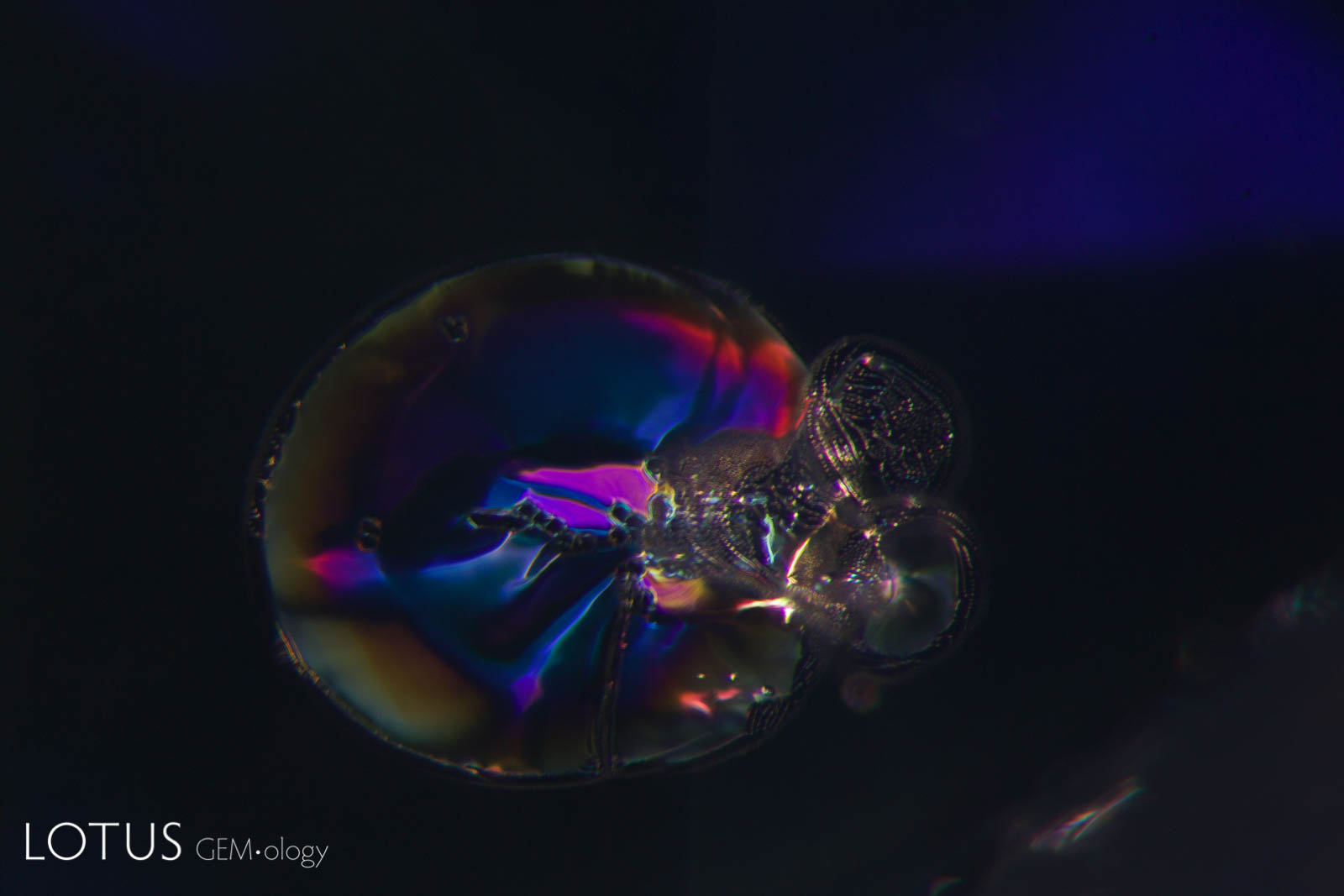
Glassy “discoid” inclusions in a heat-treated sapphire from Sri Lanka.
Natural Sapphire •
Sri Lanka (Ceylon) •
Enhancements:
Heat (H) •
Lighting Conditions:
Fiber Optic: Oblique
Photographer:
E. Billie Hughes •
Image Number:
A-001-0733-3
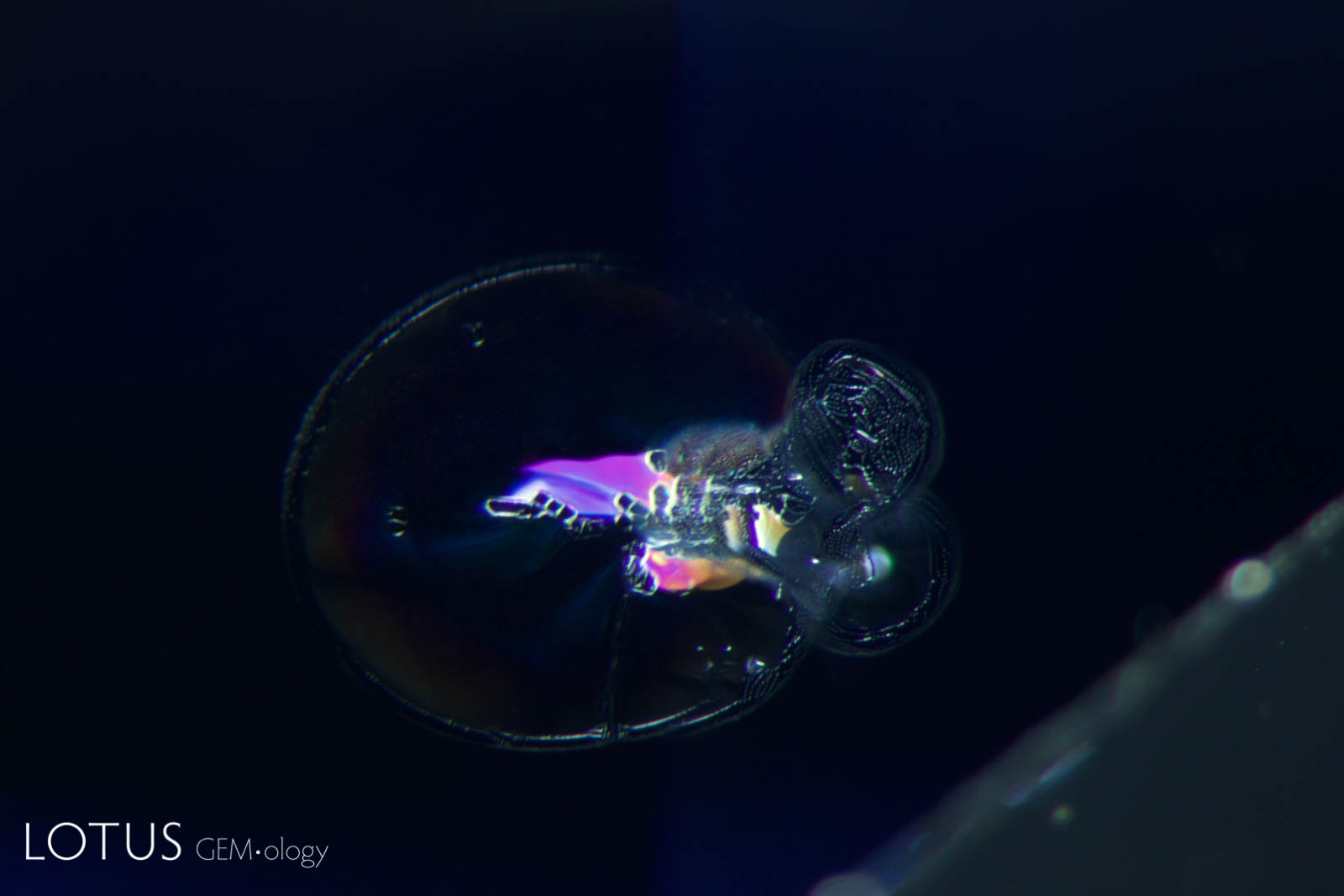
Glassy “discoid” inclusions in a heat-treated sapphire from Sri Lanka.
Natural Sapphire •
Sri Lanka (Ceylon) •
Enhancements:
Heat (H) •
Lighting Conditions:
Fiber Optic: Oblique
Photographer:
E. Billie Hughes •
Image Number:
A-001-0733-2
Glassy “discoid” inclusions in a heat-treated sapphire from Sri Lanka.
Natural Sapphire •
Sri Lanka (Ceylon) •
Enhancements:
Heat (H) •
Lighting Conditions:
Fiber Optic: Oblique
Photographer:
E. Billie Hughes •
Image Number:
A-001-0733-1
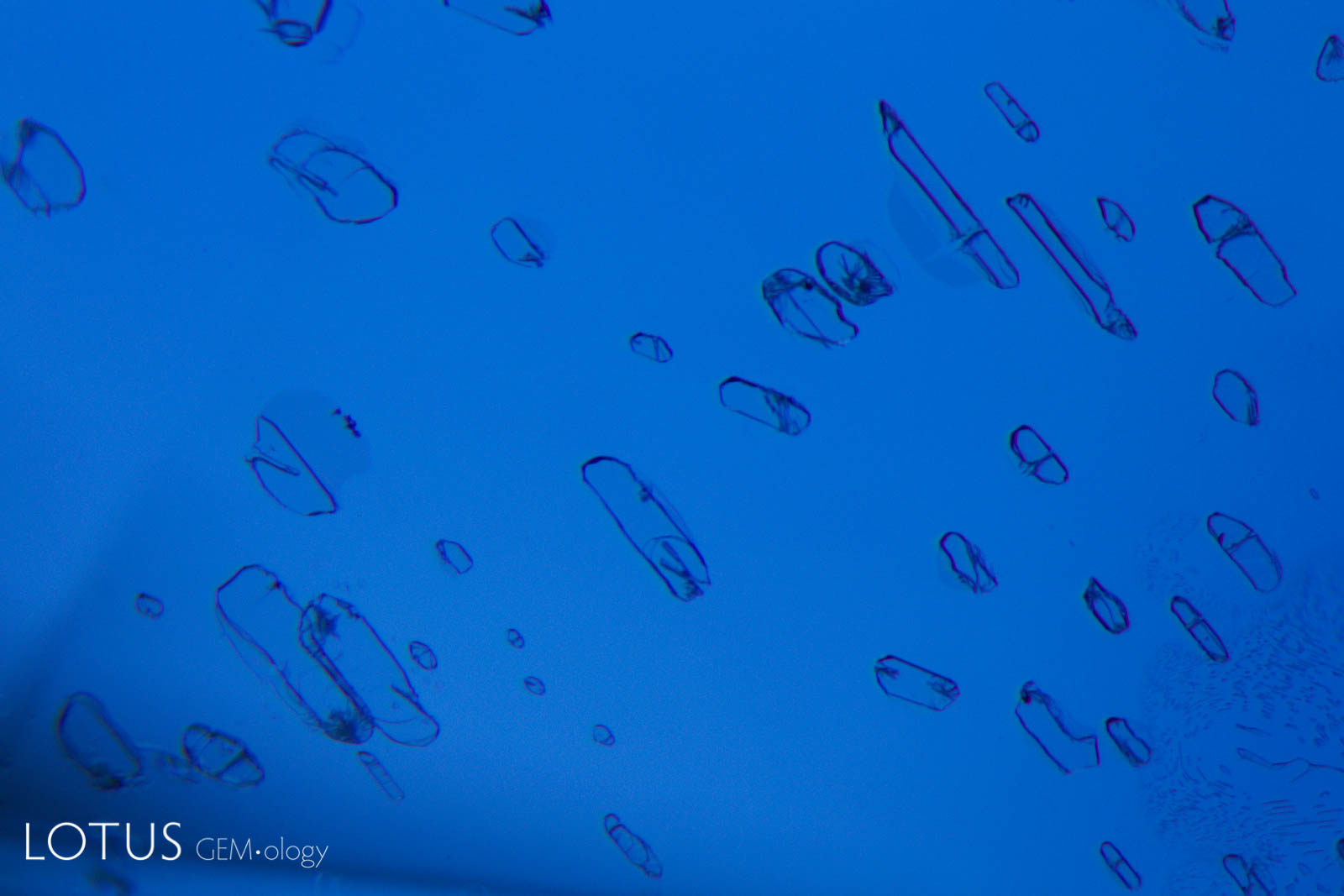
Negative crystals in transmitted light within this untreated sapphire from Mogok, Myanmar.
Natural Sapphire •
Myanmar (Burma); Mogok •
Enhancements:
Fissure Filling with colorless Oil/resin (FF-O2) •
Lighting Conditions:
Fiber Optic: Transmitted
Photographer:
E. Billie Hughes •
Image Number:
A-001-0587-2
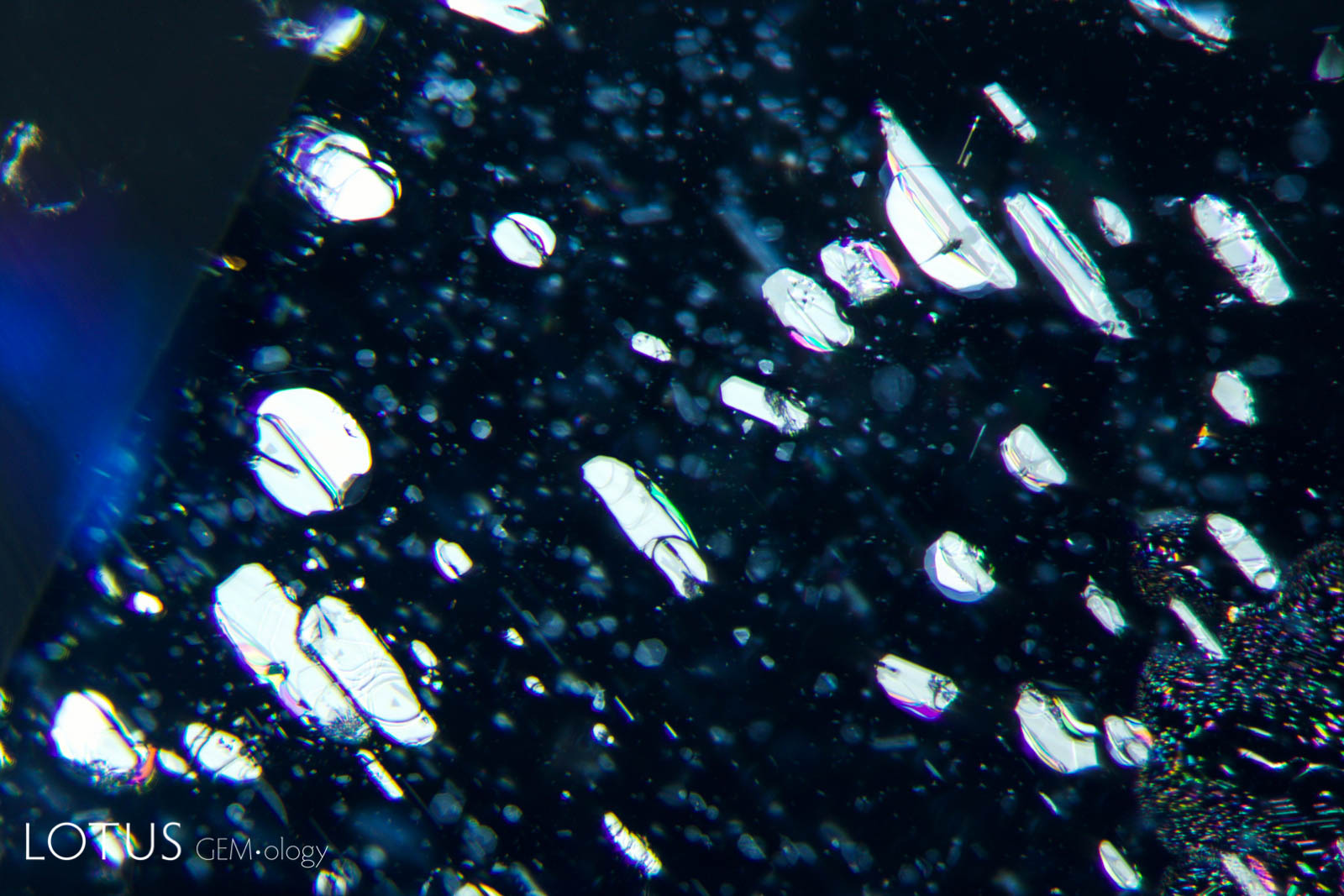
Negative crystals and small exsolved plates are seen in the basal plane of this untreated sapphire from Mogok, Myanmar.
Natural Sapphire •
Myanmar (Burma); Mogok •
Enhancements:
Fissure Filling with colorless Oil/resin (FF-O2) •
Lighting Conditions:
Fiber Optic: Oblique
Photographer:
E. Billie Hughes •
Image Number:
A-001-0587-1
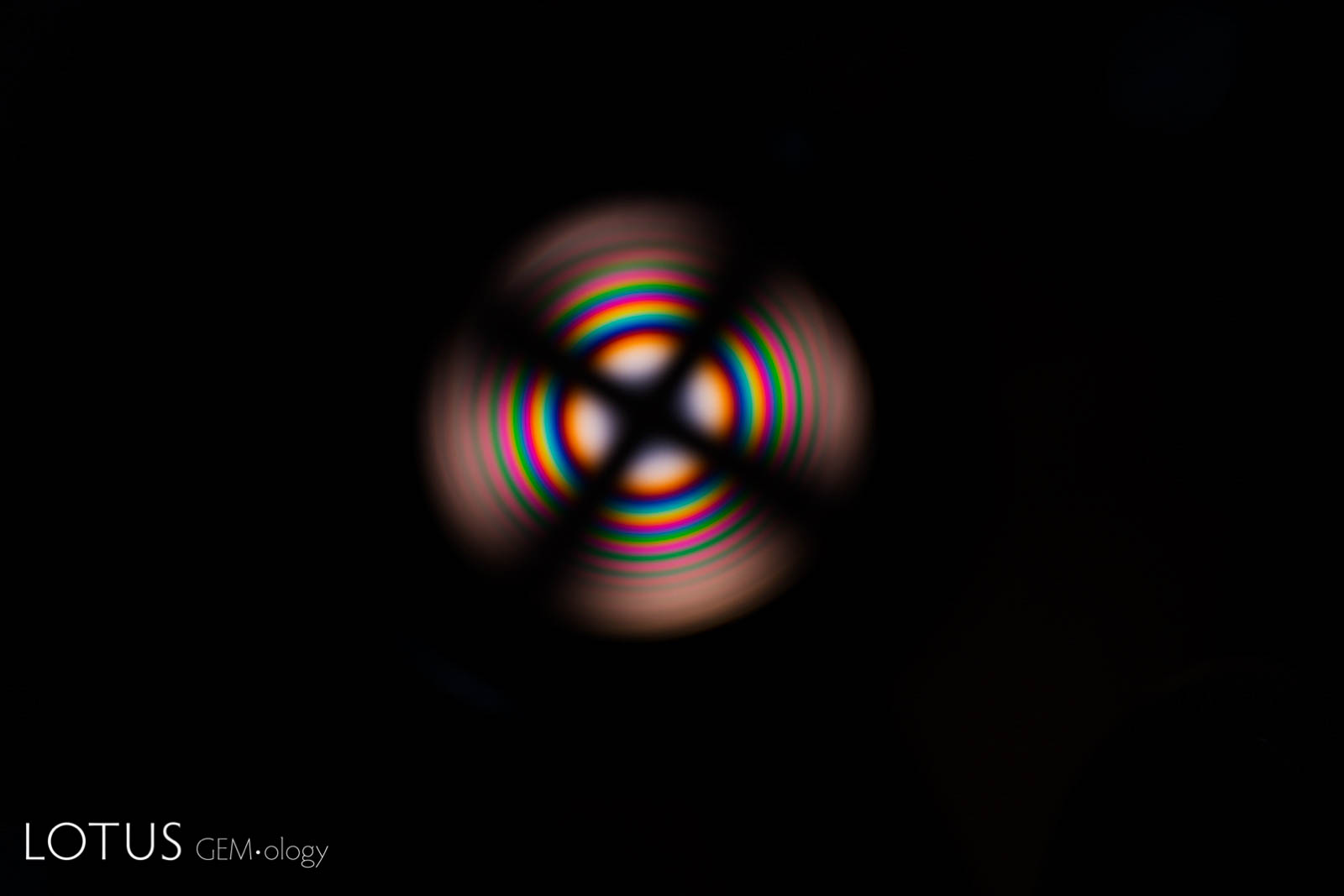
Uniaxial interference figure in blue sapphire.
Natural Sapphire •
Sri Lanka (Ceylon) •
Enhancements:
Heat (H) •
Lighting Conditions:
Diffuse Light Field + Crossed Polars
Photographer:
E. Billie Hughes •
Image Number:
A-001-0643-1
Treatment can alter existing inclusions and produce new microscopic features in sapphire. These may include changes to mineral inclusions, altered rutile silk, tension fractures, healed fissures, residues and other features associated with heating, diffusion, fissure filling and other treatment processes.
Treated Sapphire Inclusion Photomicrographs
The Hyperion treated sapphire gallery includes microscopic features documented in natural sapphires subjected to treatment. Each entry identifies the recorded treatment and is accompanied by descriptive information and, where available, references to the gemological literature.
What Inclusions Can Reveal About Sapphire Treatment
Microscopic examination is an important part of detecting treatment in sapphire. The appearance and alteration of inclusions, fractures and growth features can provide evidence of treatment and, in some cases, information about the processes to which a sapphire has been subjected.
Hyperion combines inclusion photomicrography with supporting gemological information so that treatment-related features can be compared with documented examples in natural sapphire.
About Hyperion
Hyperion is the Lotus Gemology searchable inclusion database. It allows users to browse gemstone inclusions by gem type, geographic origin, treatment and keyword.